Classic Potatoes Dauphinoise — Creamy Garlic-Gratin Roast Beef Side
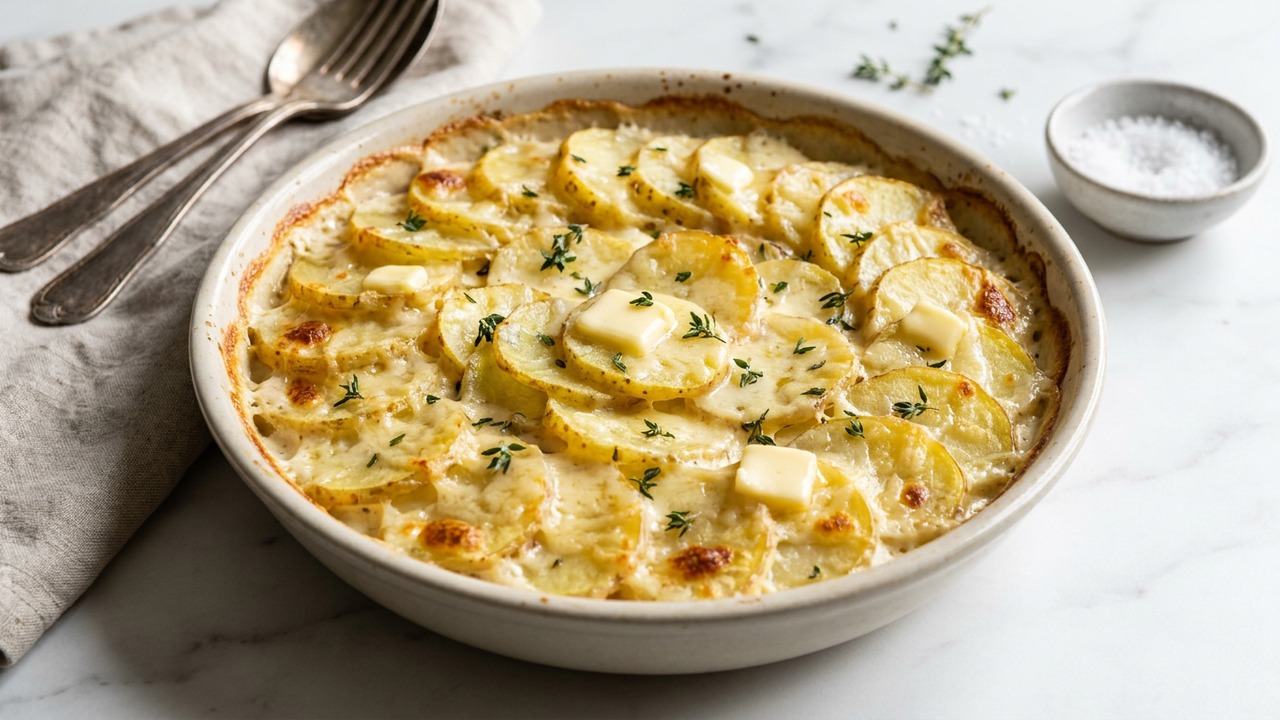
A rich, oven-baked gratin of thinly sliced potatoes layered with garlic-infused cream, Gruyère, and fresh thyme—an elegant, make-ahead side that pairs perfectly with roast or grilled beef. Includes tips for uniform slices, make-ahead baking, and adjustments for richer or lighter versions. Velvety, savory, and handsome on a holiday or Sunday roast, it elevates any beef centerpiece.
Ingredient Spotlight
Gruyère cheese, grated
Gruyère is a firm Alpine cow's-milk cheese from Switzerland (traditionally the canton of Fribourg) with a nutty, slightly sweet and savory flavor that becomes more complex with age. It melts very smoothly and is prized in gratins, fondues, and gratinée-style dishes. You can find it in most supermarket cheese counters or specialty cheese shops; good substitutes for cooking include Emmental, Comté, Jarlsberg, or fontina (or a mild aged cheddar) if you need a similar melt and flavor.
Jake Woods's note
"This classic dauphinoise is intentionally forgiving—slice thin, keep the cream hot, and you’ll have a silky, browned gratin that pairs beautifully with roast beef. Make it a day ahead for less stress and deeper flavor."
About This Recipe
Potatoes Dauphinoise is the kind of side that reads expensive on the plate but is gloriously straightforward in the kitchen. Thinly sliced Yukon Golds become satin sheets of potato when cooked slowly in a garlic- and thyme-scented cream, and this version leans into balance: a mix of heavy cream and milk keeps the texture luxurious without feeling leaden, while a restrained amount of Gruyère provides a nutty, melting blanket that crisps up under a hot broiler. The small technical steps—rinsing to remove surface starch, a brief par-blanch to take the raw edge off, and pouring hot infused cream over the layers—are what turn good gratin into great one.
This recipe is built for company and for calm: it can be fully assembled a day ahead, tolerates busy oven schedules, and rewards the 10–15 minute rest with clean, handsome slices that hold together beside a roast. Use it with roast or grilled beef where its richness will mirror the meat’s gravitas, or let it star at a smaller dinner with a crisp green salad and bright pickled relish to cut through the cream. Follow the tips below and you’ll get a gratin that’s velvety within, golden on top, and reliably impressive every time.
Ingredients for Classic Potatoes Dauphinoise — Creamy Garlic-Gratin Roast Beef Side
- 2 1/2 lb Yukon Gold potatoes, peeled
- 3 cloves Garlic cloves, smashed
- 2 tsp Fresh thyme leaves (plus sprigs for garnish)
- 1 1/2 cups Heavy cream
- 1/2 cup Whole milk
- 2 tsp Kosher salt (for rinsing/blanching and seasoning)
- 2 tbsp Unsalted butter (for dish and dotting)
- 1/2 tsp Freshly ground black pepper
- 1 1/2 cups Gruyère cheese, grated
How to Make Classic Potatoes Dauphinoise — Creamy Garlic-Gratin Roast Beef Side
Step 1: Slice potatoes and infuse the cream
Preheat the oven to 350°F (175°C). Peel the potatoes and, using a mandoline set to 1/8" (3 mm) or a very sharp knife, slice them uniformly—consistent thickness ensures even cooking (tip: trim a small flat on the potato so it sits steady on the mandoline). Place slices in a large bowl of cold water to remove excess starch. Meanwhile, combine the heavy cream, milk, smashed garlic, and thyme in a saucepan with 1 tsp of the kosher salt; warm gently until just under a simmer, then remove from heat and keep hot while you assemble.For this step
- 2 1/2 lbYukon Gold potatoes, peeled
- 3 clovesGarlic cloves, smashed
- 2 tspFresh thyme leaves (plus sprigs for garnish)
- 1/2 cupWhole milk
Step 2: Par-blanch the slices and prep the dish
Drain the potato slices and bring a large pot of cold water with the remaining 1 tsp salt to a gentle simmer. Add the slices and simmer 2–3 minutes to take the raw edge off, then immediately drain and pat dry with a kitchen towel. Butter a 9x13-inch (or similar volume) baking dish with about 1 tbsp of the butter. Layer a single, slightly overlapping layer of potato slices in the dish, season lightly with pepper and a pinch of salt, and spoon some of the hot cream over — repeat, finishing with a thin layer of slices.For this step
- 1/2 tspFreshly ground black pepper
Step 3: Add cheese, cream and bake
Between layers or sprinkled on top, distribute about two-thirds of the grated Gruyère; reserve the rest for the finish. Pour the remaining hot cream so it comes about three-quarters up the sides of the top layer (the potatoes will swell as they cook). Dot the top with the remaining 1 tbsp butter, cover tightly with foil, and bake for 45–55 minutes at 350°F (175°C), or until a knife slides easily into the center and the potatoes are tender.For this step
- 1 1/2 cupsGruyère cheese, grated
Step 4: Brown and rest
Remove the foil, sprinkle the reserved Gruyère evenly over the top, and increase the oven to 425°F (220°C) or switch to broil. Brown the top 6–8 minutes until bubbling and golden—watch closely to avoid burning. Let the gratin rest 10–15 minutes out of the oven (this helps it set so it slices cleanly). Garnish with fresh thyme leaves and serve warm alongside roast beef.Step 5: Make-ahead and reheating tips
This gratin is make-ahead friendly: assemble in the baking dish, cover tightly and refrigerate up to 24 hours. If baking from cold, add 15–20 minutes to the covered bake time and then uncover to brown. To reheat cooked gratin, cover and warm in a 350°F (175°C) oven for 20–30 minutes or until heated through; finish under the broiler 2–4 minutes to refresh the crust.Step 6: Tips for texture and variations
For uniform slices use a mandoline or guide the knife with a ruler on a steady potato; thinner slices give creamier texture, thicker slices a more rustic bite. For a richer gratin: use all heavy cream (substitute the milk) and increase Gruyère by 1/4 cup, or stir an egg yolk into a cup of warm cream before pouring for extra silkiness. For a lighter version: use half-and-half or a higher ratio of milk to cream, reduce the cheese by 1/4 cup, and increase herbs (shallot, extra thyme) for flavor without extra fat.


- Preheat the oven to 350°F (175°C). Peel the potatoes and, using a mandoline set to 1/8" (3 mm) or a very sharp knife, slice them uniformly—consistent thickness ensures even cooking (tip: trim a small flat on the potato so it sits steady on the mandoline). Place slices in a large bowl of cold water to remove excess starch. Meanwhile, combine the heavy cream, milk, smashed garlic, and thyme in a saucepan with 1 tsp of the kosher salt; warm gently until just under a simmer, then remove from heat and keep hot while you assemble.
- Drain the potato slices and bring a large pot of cold water with the remaining 1 tsp salt to a gentle simmer. Add the slices and simmer 2–3 minutes to take the raw edge off, then immediately drain and pat dry with a kitchen towel. Butter a 9x13-inch (or similar volume) baking dish with about 1 tbsp of the butter. Layer a single, slightly overlapping layer of potato slices in the dish, season lightly with pepper and a pinch of salt, and spoon some of the hot cream over — repeat, finishing with a thin layer of slices.
- Between layers or sprinkled on top, distribute about two-thirds of the grated Gruyère; reserve the rest for the finish. Pour the remaining hot cream so it comes about three-quarters up the sides of the top layer (the potatoes will swell as they cook). Dot the top with the remaining 1 tbsp butter, cover tightly with foil, and bake for 45–55 minutes at 350°F (175°C), or until a knife slides easily into the center and the potatoes are tender.
- Remove the foil, sprinkle the reserved Gruyère evenly over the top, and increase the oven to 425°F (220°C) or switch to broil. Brown the top 6–8 minutes until bubbling and golden—watch closely to avoid burning. Let the gratin rest 10–15 minutes out of the oven (this helps it set so it slices cleanly). Garnish with fresh thyme leaves and serve warm alongside roast beef.
- This gratin is make-ahead friendly: assemble in the baking dish, cover tightly and refrigerate up to 24 hours. If baking from cold, add 15–20 minutes to the covered bake time and then uncover to brown. To reheat cooked gratin, cover and warm in a 350°F (175°C) oven for 20–30 minutes or until heated through; finish under the broiler 2–4 minutes to refresh the crust.
- For uniform slices use a mandoline or guide the knife with a ruler on a steady potato; thinner slices give creamier texture, thicker slices a more rustic bite. For a richer gratin: use all heavy cream (substitute the milk) and increase Gruyère by 1/4 cup, or stir an egg yolk into a cup of warm cream before pouring for extra silkiness. For a lighter version: use half-and-half or a higher ratio of milk to cream, reduce the cheese by 1/4 cup, and increase herbs (shallot, extra thyme) for flavor without extra fat.
Classic Potatoes Dauphinoise — Creamy Garlic-Gratin Roast Beef Side Tips
Mandoline safety and steadiness
Trim a small flat spot on each potato so it sits steady, and wear a cut-resistant glove or use the mandoline guard to keep slices uniformly 1/8" (3 mm).
Infuse cream while hot
Warm the cream, milk, smashed garlic and thyme just under a simmer and keep it hot—pouring warm liquid over the potatoes starts cooking them immediately and helps flavors penetrate.
Par-blanch briefly
Simmer slices 2–3 minutes to remove the raw starch edge and ensure even tenderness; drain and pat completely dry so the cream clings rather than dilutes.
Salt between layers
Lightly season each layer with a pinch of salt and pepper as you assemble to distribute seasoning evenly and avoid a bland middle.
Rest before slicing
Let the gratin sit 10–15 minutes after baking so the cream sets; it will slice cleanly rather than collapse into a soupy mash.
Classic Potatoes Dauphinoise — Creamy Garlic-Gratin Roast Beef Side Variations and Substitutions
All-cream indulgence
For a silkier, richer gratin use all heavy cream in place of the milk and add an extra 1/4 cup Gruyère; stir one egg yolk into a cup of warm cream before pouring for even more body.
Lighter dairy swap
Use half-and-half or a 3:1 milk-to-cream ratio and pare back the cheese by 1/4 cup; boost flavor with extra thyme and a smashed shallot in the cream so it still feels savory.
Herbed and garlicky
Fold a tablespoon of chopped chives, rosemary or tarragon between the layers for an herbal lift, or scatter lightly sautéed shallots with the cheese for a sweeter onion note.
Crispy top variation
Mix 2 tablespoons of panko with the reserved Gruyère and a little melted butter, then sprinkle on top before broiling to get an extra-crisp, golden crust.
How to Store and Make Classic Potatoes Dauphinoise — Creamy Garlic-Gratin Roast Beef Side Ahead
Store leftovers covered in the refrigerator for up to 3–4 days; cool completely before covering to avoid water condensation. To reheat, cover and warm in a 350°F (175°C) oven for 20–30 minutes until heated through, then uncover and broil 2–4 minutes to revive the crust. You can assemble the gratin ahead and refrigerate (covered) up to 24 hours—when baking from cold add about 15–20 minutes to the covered bake time; assembled and frozen uncooked will keep up to 1 month but thaw overnight before baking.
What to Serve With Classic Potatoes Dauphinoise — Creamy Garlic-Gratin Roast Beef Side
Serve slices alongside a roast beef with pan jus or a simple red wine reduction so the gratin’s creaminess complements the meat’s savory fat. Add a bright element such as horseradish cream, quick-pickled red onions, or a sharp watercress salad to cut richness, and offer a full-bodied red wine like Cabernet Sauvignon or a peppery Malbec; for white lovers a structured oaked Chardonnay matches the dish’s cream and butter notes. Present the gratin in wedges straight from the dish, garnished with fresh thyme sprigs.
Classic Potatoes Dauphinoise — Creamy Garlic-Gratin Roast Beef Side FAQs
Can I use other potatoes like russet or red potatoes?
Yukon Golds are preferred because their medium starch and thin skin give a creamy interior while holding shape; russets can become mealy and break apart if sliced very thin, while waxy reds hold shape but yield a firmer, less custardy texture—adjust par-blanch times slightly for different varieties.
Why do I par-blanch the potato slices?
A short simmer removes surface starch and takes the raw edge off the potato so the interior cooks evenly, prevents gluey layers, and shortens the oven time needed for tender results.
How can I avoid a watery or soupy gratin?
Ensure even, thin slices, pat them dry after blanching, and don’t pour cream past three-quarters up the top layer; resting after baking also allows excess liquid to be reabsorbed and the casserole to set.
Can I make this ahead of time?
Yes—assemble the gratin, cover tightly, and refrigerate up to 24 hours; if baking from cold add 15–20 minutes to the covered bake time before uncovering to brown.
What if I don’t have a mandoline?
A very sharp knife and a steady hand will work—slice against a ruler or use a guide to keep thickness consistent around 1/8" (3 mm); uneven slices will cook unevenly, so take the extra time to be precise.
About the author
Jake WoodsHello, I'm Jake. I started this recipe site with the idea that I hated recipe websites that overwhelm you with long stories and ads just to see plain content that's not helpful. My goal is to provide you with quality recipes, simple ideas and a fun cooking experience. There's lots of fun things to cook, and I think as you browse the site you'll find that TopShelf.Recipes is the place for quality recipes on the web.
See all recipes by Jake Woods →Ratings & Reviews
Did you make this recipe?
Be the first to share your experience.
Nutrition Facts
Per serving: about 1 cup
Nutrition values are estimated from USDA ingredient data and may vary based on preparation, brands, and portion sizes. Values are provided for informational purposes only.
Keep Reading
Guides & articles for this recipe
Guides
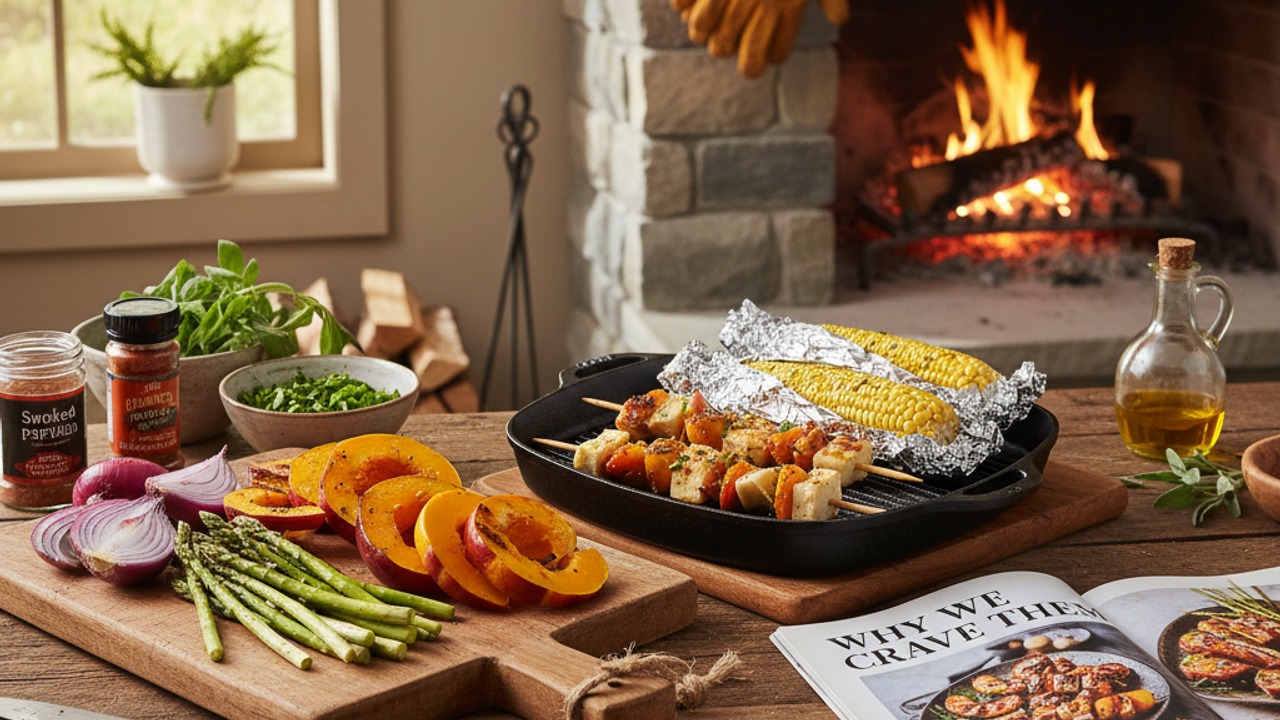
Why We Crave Them: The Science Behind Seasonal Favorites and How to Grill or Campfire‑Adapt Them
Explore why certain dishes become seasonal staples — from culture and chemistry to ingredient cycles — and learn dependable grill and campfire techniques to recreate those seasonal sensations outdoors. This guide pairs sensory science with practical timing, equipment tips, and 12 archetypal recipes reimagined for fire-based cooking.
Guides
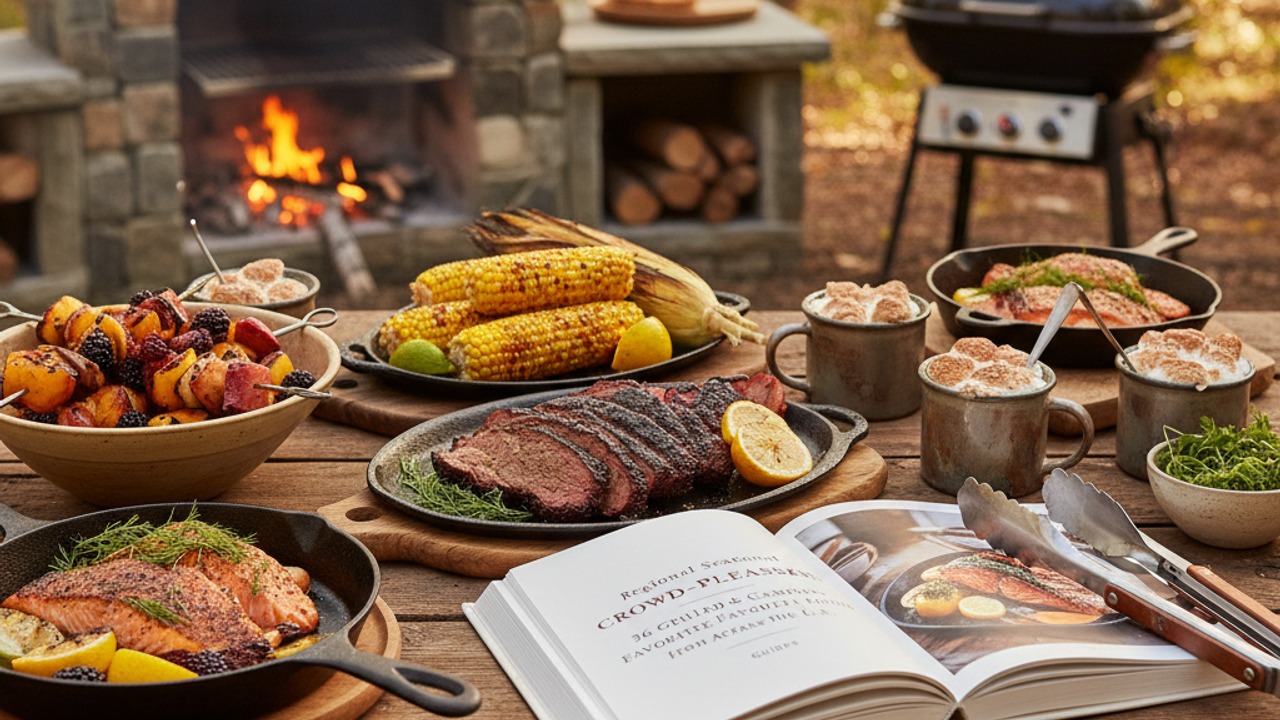
Regional Seasonal Crowd‑Pleasers: 36 Grilled & Campfire Favorites from Across the U.S.
A region-by-region guide to 36 seasonal grilled and campfire recipes Americans actually cook. Includes spring–summer–fall picks for four U.S. regions, plus grill/campfire adaptations, local-produce swaps, hosting shortcuts and quick scale-up formulas for gatherings.

Guides
Seasonal Favorites: 3 Popular Grill & Roast Recipes for Each Season
A practical, year-round grilling and roasting guide with three crowd-pleasing, outdoor-friendly recipes per season. Includes peak-produce shopping tips, quick ingredient swaps, and serving & pairing ideas to keep menus fresh and simple all year.
More from Dinner
View all Dinner recipes →
Classic Bacon Carbonara

Al Pastor Tacos

Jamaican Jerk Chicken Marinade for Smoking or Grilling

Air Fryer Chicken Sliders

Smoked Chicken Burger

Beer-Can Grilled Whole Chicken

Grilled Chicken with Chimichurri

Campfire‑Smoked Potato Salad with Mustard‑Bacon Vinaigrette — A Labor Day Grilling Side for Steak

30-Min Steak Grain Bowl with Chimichurri
Ask me anything about this recipe — substitutions, scaling, techniques, timing.
Powered by AI · 6 questions per 5 minutes, 30 per day