Coffee Caviar
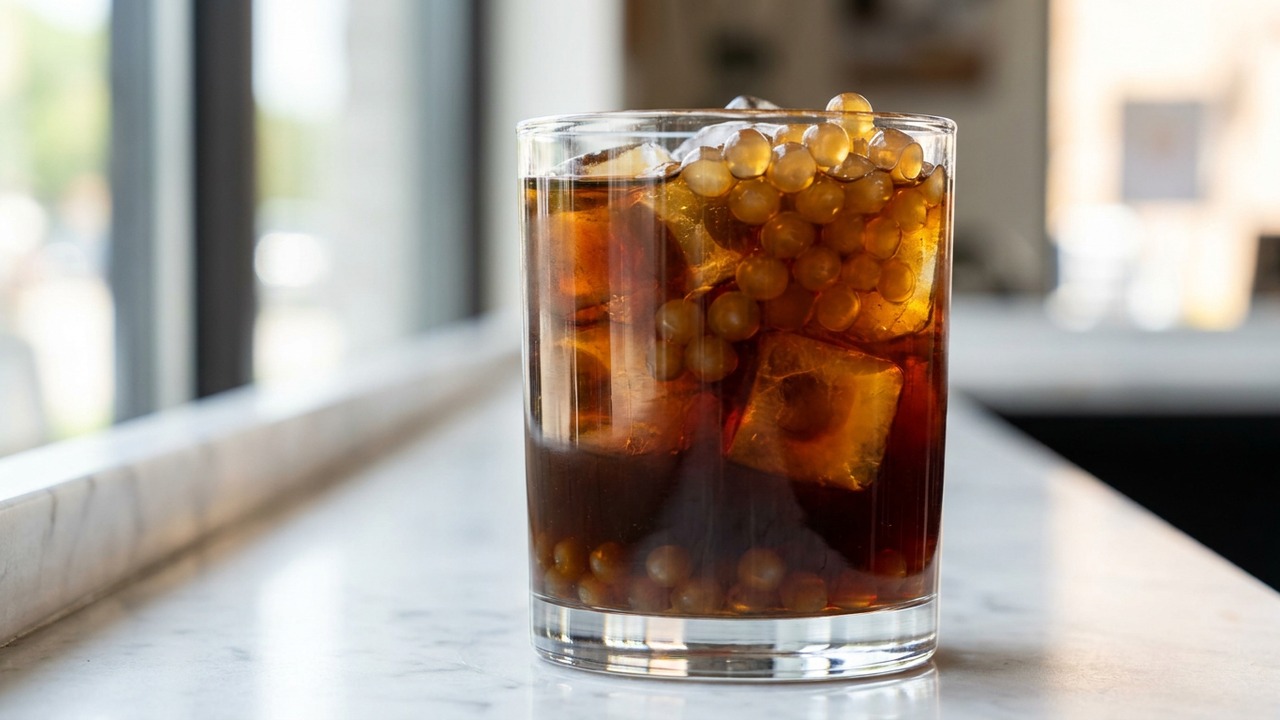
Tiny coffee-flavored spheres made by reverse spherification — perfect as a dazzling garnish for cocktails, cold-brew floats, or plated desserts. These burst-in-the-mouth pearls deliver an intense coffee hit with a glossy, jewel-like appearance.
Ingredient Spotlight
Calcium lactate gluconate (food-grade)
A calcium salt used in modernist/molecular gastronomy—especially for reverse spherification—made to provide soluble calcium without the bitter taste of calcium chloride. It comes from modernist cooking techniques rather than a specific cuisine and is essentially flavorless. You can find it from specialty culinary suppliers (Modernist Pantry, Amazon, or restaurant supply shops). A common substitute is calcium lactate (or, for different spherification approaches, calcium chloride), though calcium chloride is noticeably bitter and not ideal for reverse spherification; for non-spherification thickening there’s no direct flavorless substitute.
Ingredient Spotlight
Sodium alginate (food-grade)
Sodium alginate is a gummy polysaccharide extracted from brown seaweed and widely used in modernist/molecular cooking as a gelling/thickening agent and for spherification. It has virtually no taste or smell but gives a slippery, gelatinous texture when cross-linked with calcium. Food-grade sodium alginate is sold by molecular gastronomy suppliers, some well-stocked specialty grocery stores, and online retailers. Agar-agar, xanthan gum, or gelatin can substitute if you only need thickening or gel-setting, but none will reproduce the classic spherification/encapsulation effect.
Jake Woods's note
"Coffee Caviar is a simple way to add theater and concentrated coffee flavor to drinks and desserts. Once you’ve mastered the technique, it’s fast to make and elevates everyday cocktails, affogatos, and plated sweets."
About This Recipe
Coffee caviar feels like a miniature bit of theater: glossy, jewel-like spheres that pop on your tongue to release concentrated, bright coffee flavor. Made by reverse spherification, these pearls form a delicate alginate gel skin around a liquid center, so each bite is a textural contrast—silky liquid interior and a satiny outer membrane. This version leans on cold-brew (or well-diluted espresso) for a clean, low-acidity base, with a touch of sugar to round the bitterness and calcium lactate gluconate to ensure a reliable set; chilling the coffee before dropping it into the bath is what gives you consistently firm, elegant beads rather than sticky blobs.
They’re ideal for home bartenders and pastry cooks who want a high-impact garnish: scatter them over an affogato where heat teases the pearls, float them in a creamy cold-brew cocktail, or use a few as a dramatic finish on panna cotta or chocolate mousse. The technique rewards careful setup more than speed—taking time to degas the alginate bath, use a consistent dropper, and tune the 60–90 second set will give you spheres that look polished and burst with flavor at first contact.
Ingredients for Coffee Caviar
- 1 cup Strong cold-brew coffee or well-diluted espresso (cooled)
- 2 tablespoons Granulated sugar
- 1 teaspoon Calcium lactate gluconate (food-grade)
- 4 cups Cool water (for the sodium alginate bath)
- 1 1/2 teaspoons Sodium alginate (food-grade)
- 1 cup Cold water (for rinsing and finishing)
How to Make Coffee Caviar
Step 1: Prepare the coffee-calcium mix
Warm a small portion (about 2–3 tablespoons) of the coffee very briefly or use a spoon to help dissolve the sugar: stir the granulated sugar into the coffee until fully dissolved. While the coffee is still slightly warm or at room temperature, whisk in the calcium lactate gluconate until completely dissolved. Chill the mixture in the fridge until cold — cold coffee gives firmer pearls and prevents alginate bath warming.For this step
- 1 cupStrong cold-brew coffee or well-diluted espresso (cooled)
- 2 tablespoonsGranulated sugar
- 1 teaspoonCalcium lactate gluconate (food-grade)
Step 2: Make the sodium alginate bath
Measure the cool water into a tall container and sprinkle the sodium alginate evenly over the surface. Use an immersion blender (or stand blender) on low to blend for about 1–2 minutes until the alginate is fully hydrated and evenly dispersed. Cover and let the bath sit for 20–30 minutes to remove bubbles and allow viscosity to stabilize.For this step
- 4 cupsCool water (for the sodium alginate bath)
- 1 1/2 teaspoonsSodium alginate (food-grade)
Step 3: Check textures and degas
After resting, skim any surface foam from the alginate bath and pop visible bubbles with a spoon — a smooth bath produces rounder pearls. Give the chilled coffee-calcium mix one last stir (avoid introducing air) and transfer it into a squeeze bottle, pipette, or a plastic syringe fitted with a wide tip for consistent droplets.Step 4: Form the coffee caviar
Hold the bottle or syringe about 2–3 inches (5–7 cm) above the alginate bath and gently squeeze out droplets — they will form spheres as they hit the bath. Let them sit in the bath for 60–90 seconds for a thin gel membrane (longer for thicker skin), then scoop them with a slotted spoon or mesh skimmer and transfer immediately into the cold rinse water to stop setting and remove excess alginate.For this step
- 1 cupCold water (for rinsing and finishing)
Step 5: Serve or store
Drain the rinsed pearls and keep them in a small bowl of chilled coffee or neutral simple syrup until ready to use. This batch makes enough garnish for about 6 cocktails (roughly 6 tablespoons of pearls); use them within 24 hours for best texture and flavor. Gently spoon pearls over cocktails, affogatos, or plated desserts just before serving.


- Warm a small portion (about 2–3 tablespoons) of the coffee very briefly or use a spoon to help dissolve the sugar: stir the granulated sugar into the coffee until fully dissolved. While the coffee is still slightly warm or at room temperature, whisk in the calcium lactate gluconate until completely dissolved. Chill the mixture in the fridge until cold — cold coffee gives firmer pearls and prevents alginate bath warming.
- Measure the cool water into a tall container and sprinkle the sodium alginate evenly over the surface. Use an immersion blender (or stand blender) on low to blend for about 1–2 minutes until the alginate is fully hydrated and evenly dispersed. Cover and let the bath sit for 20–30 minutes to remove bubbles and allow viscosity to stabilize.
- After resting, skim any surface foam from the alginate bath and pop visible bubbles with a spoon — a smooth bath produces rounder pearls. Give the chilled coffee-calcium mix one last stir (avoid introducing air) and transfer it into a squeeze bottle, pipette, or a plastic syringe fitted with a wide tip for consistent droplets.
- Hold the bottle or syringe about 2–3 inches (5–7 cm) above the alginate bath and gently squeeze out droplets — they will form spheres as they hit the bath. Let them sit in the bath for 60–90 seconds for a thin gel membrane (longer for thicker skin), then scoop them with a slotted spoon or mesh skimmer and transfer immediately into the cold rinse water to stop setting and remove excess alginate.
- Drain the rinsed pearls and keep them in a small bowl of chilled coffee or neutral simple syrup until ready to use. This batch makes enough garnish for about 6 cocktails (roughly 6 tablespoons of pearls); use them within 24 hours for best texture and flavor. Gently spoon pearls over cocktails, affogatos, or plated desserts just before serving.
Coffee Caviar Tips
Prefer calcium lactate gluconate
Use calcium lactate gluconate rather than calcium chloride because it dissolves cleanly in the coffee and won’t leave a bitter or salty off-flavor that ruins the pearls.
Chill the coffee thoroughly
Cold coffee firms the liquid center and prevents warming the alginate bath, which can make droplets lose shape or stick together; refrigerate until noticeably cold before spherifying.
Degas the alginate bath
After blending, let the sodium alginate bath rest 20–30 minutes and skim surface bubbles so droplets form smooth, round spheres rather than dimpled or misshapen beads.
Keep droplet height consistent
Hold the syringe or squeeze bottle about 2–3 inches above the bath and practice a few test drops to get uniform-sized pearls; inconsistent height makes uneven shapes and variable set times.
Rinse briefly and gently
Scoop pearls after your chosen set time and transfer straight into cold water to stop the reaction and remove any residual alginate; be gentle to avoid rupturing the thin membrane.
Coffee Caviar Variations and Substitutions
Decaf coffee pearls
Substitute high-quality decaffeinated cold-brew or decaf espresso for the base so guests can enjoy the same texture and flavor without caffeine.
Mocha coffee caviar
Dissolve 1–2 teaspoons of fine cocoa powder into the warm portion of coffee before adding sugar and calcium to yield chocolate-tinged pearls; strain to remove any undissolved bits before chilling.
Vanilla-sweet pearls
Stir a splash (1/2 teaspoon) of pure vanilla extract into the coffee-calcium mix or replace some sugar with vanilla syrup for a rounder, dessert-friendly flavor.
Light liqueur infusion
Replace up to 15–20% of the coffee with a coffee liqueur for boozy pearls, but keep alcohol low because higher percentages prevent proper gel formation.
How to Store and Make Coffee Caviar Ahead
Store rinsed pearls submerged in a small amount of chilled coffee or a neutral simple syrup in an airtight container in the refrigerator and use within 24 hours for best texture; they will soften and lose their pop after a day. Do not freeze—ice crystals will rupture the gel membrane and turn pearls to mush. You can make the alginate bath ahead and keep it refrigerated for a day, but re-blend briefly before use to smooth any separation.
What to Serve With Coffee Caviar
Float a spoonful of coffee caviar atop a cold-brew or espresso martini for a burst of flavor with each sip, or scatter them over an affogato so hot espresso teases the pearls. For plated desserts, pair with panna cotta, chocolate tart, or vanilla semifreddo; their glossy appearance brings an elegant contrast to creamy textures and adds an interactive, playful element at the table.
Coffee Caviar FAQs
Can I use calcium chloride instead?
Technically yes, but calcium chloride often tastes bitter and can give pearls an unpleasant saline note; calcium lactate gluconate is neutral-tasting and dissolves well in the coffee base, producing cleaner-flavored caviar.
Why is my alginate bath lumpy or foamy?
If you add alginate too quickly it will clump; sprinkle it over the surface and blend on low until fully hydrated, then let it rest 20–30 minutes to allow bubbles to surface and break them with a spoon before spherifying.
My droplets aren’t forming spheres — they flatten or disperse.
This usually means inadequate calcium in the disperse phase, an under-concentrated alginate bath, or the coffee was too warm; double-check measurements, chill the coffee, and ensure the bath viscosity is correct after resting.
Why do pearls burst when I handle them?
Bursting can result from rough handling, a membrane that’s too thin (short set time), or osmotic shock from transferring between very different liquids; use a gentle skimmer, tune set time, and transfer into a bath with similar strength (chilled coffee/simple syrup).
Can I spherify hot coffee to speed things up?
No—hot coffee will warm the alginate bath, causing instability and irregular beads; always cool liquids to room temperature or colder before spherifying for consistent results.
How do I make larger 'boba' style spheres?
Use a larger nozzle or a small spoon to drop bigger volumes, increase set time to 2–4 minutes for a sturdier shell, and handle them more carefully during rinsing to avoid rupture.
About the author
Jake WoodsHello, I'm Jake. I started this recipe site with the idea that I hated recipe websites that overwhelm you with long stories and ads just to see plain content that's not helpful. My goal is to provide you with quality recipes, simple ideas and a fun cooking experience. There's lots of fun things to cook, and I think as you browse the site you'll find that TopShelf.Recipes is the place for quality recipes on the web.
See all recipes by Jake Woods →Ratings & Reviews
Did you make this recipe?
Be the first to share your experience.
Nutrition Facts
Per serving: 1 cocktail
Nutrition values are estimated from USDA ingredient data and may vary based on preparation, brands, and portion sizes. Values are provided for informational purposes only.
Keep Reading
Guides & articles for this recipe
Guides
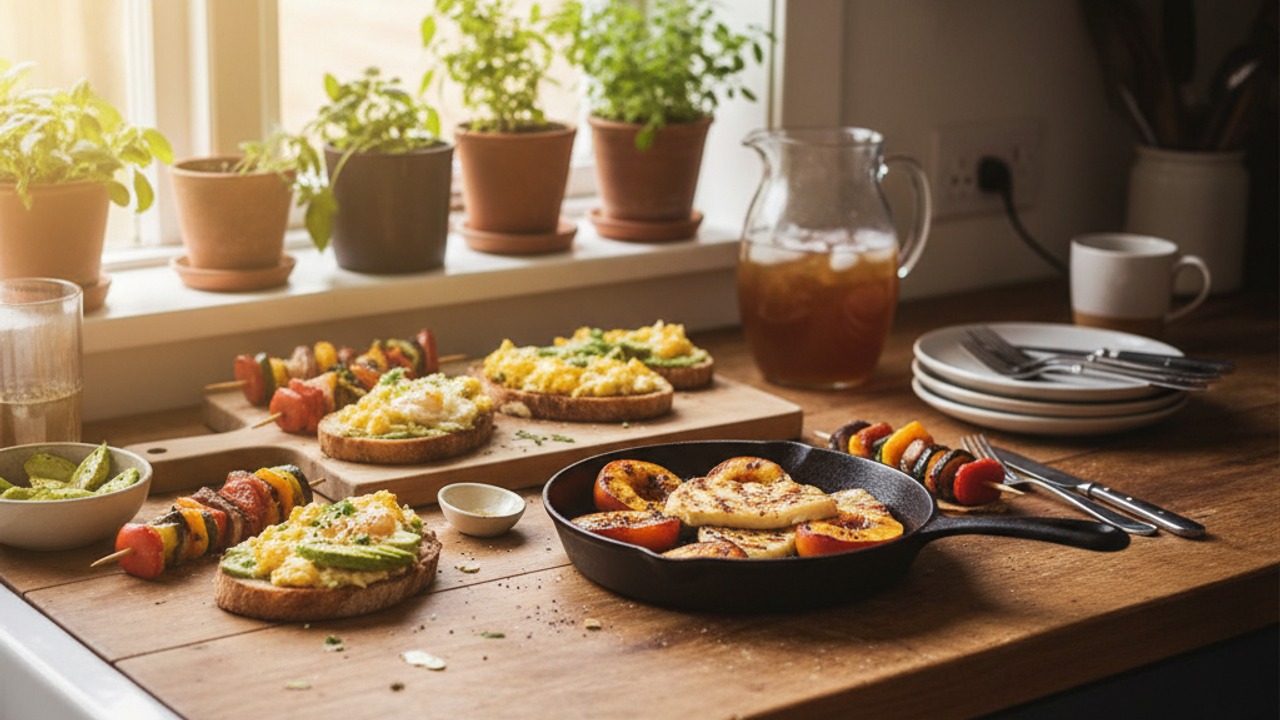
Trending Grilled Brunch 2026
Explore the 2026 grill-to-brunch movement with 10 morning-focused fire recipes, crowd‑friendly service formats, fast heat-management tips, and smart beverage pairings. This practical guide helps hosts and pop-up operators put smoky, morning-friendly dishes and low‑ABV coffee cocktails on the table with speed and style.
Guides
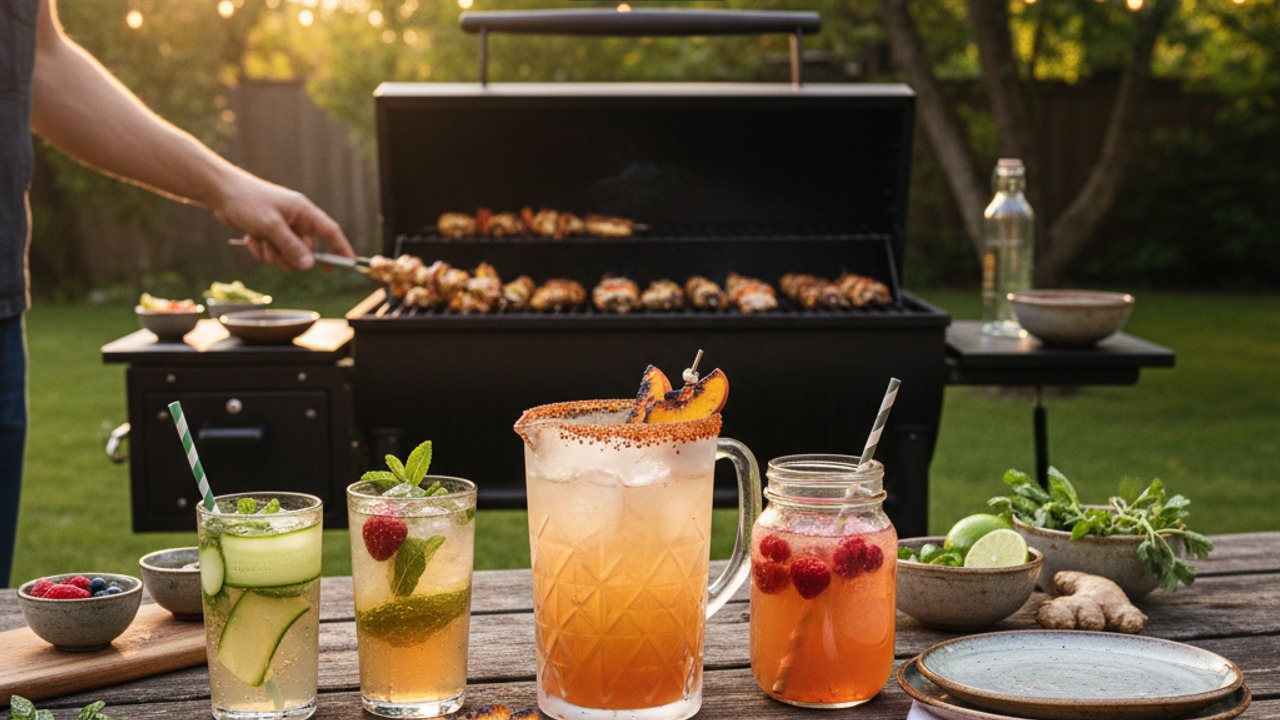
Trending Grillside Drinks for 2026: Cocktails, Low‑ABV Sippers, and Non‑Alcoholic Pairings to Elevate Backyard BBQ
Discover the hottest drinks to serve alongside summer grilling in 2026 — from smoked‑syrup cocktails and barrel‑aged RTDs to low‑ABV spritzes, shrubs, kombuchas, and tea blends. Includes batch-making tips, safety notes, and pairing suggestions for common grilled proteins and sides.
Recipes
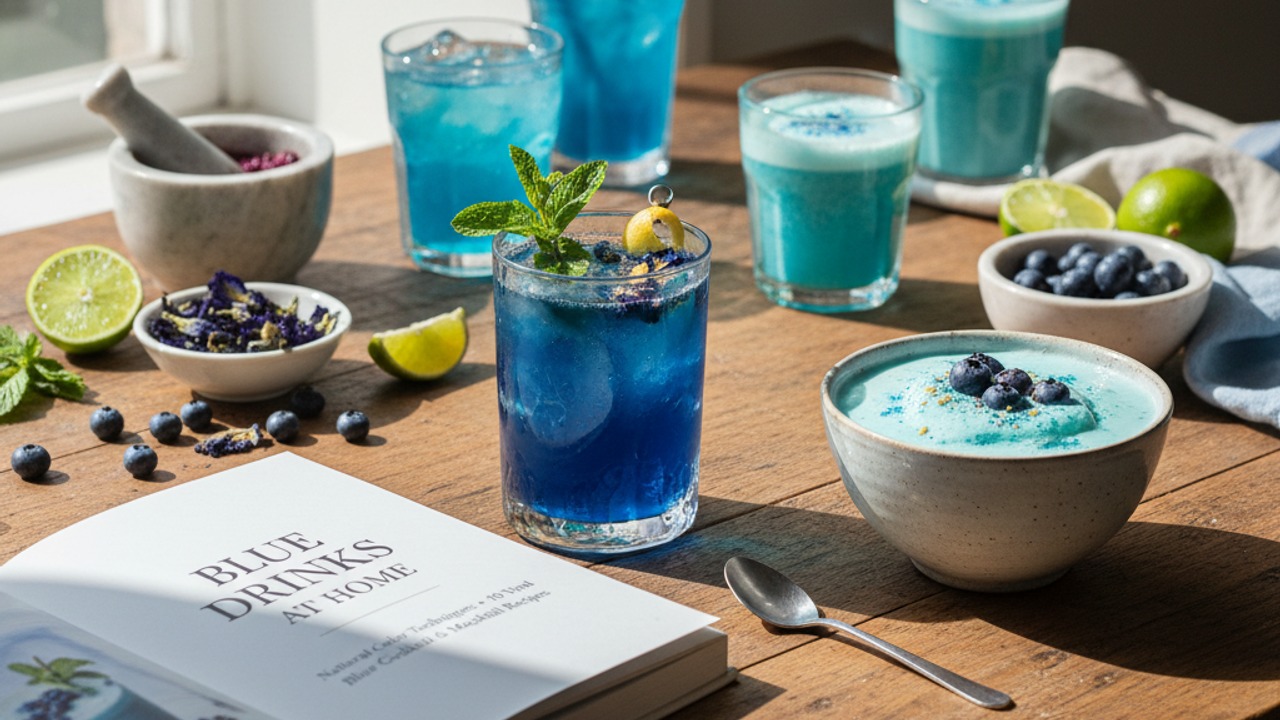
Blue Drinks at Home: Natural Color Techniques + 10 Viral Blue Cocktail & Mocktail Recipes
Discover how to make stunning blue drinks at home using natural ingredients like butterfly pea and blue spirulina. This guide includes practical techniques, storage tips, and 10 viral cocktail and mocktail recipes — many with grilled-garnish ideas for backyard entertaining.
More from Drinks
View all Drinks recipes →
Saint-Germain Spritz

Pear Cinnamon Tequila

Creamsicle Frosé with Orange Vodka and Cream

Passionfruit Paloma with Fresh Grapefruit Soda

Vermouth Elderflower Spritz Low-ABV Cocktail

Blood Orange Vodka Collins

Southside Gimlet with Fresh Mint and Lime

Cucumber Basil Margarita

High-Protein Smoothie Packs
Ask me anything about this recipe — substitutions, scaling, techniques, timing.
Powered by AI · 6 questions per 5 minutes, 30 per day