Grilled Vietnamese Caramel Chicken Thighs (Gà Nướng Nước Mắm) with Quick Pickled Papaya and Charred Scallion Oil
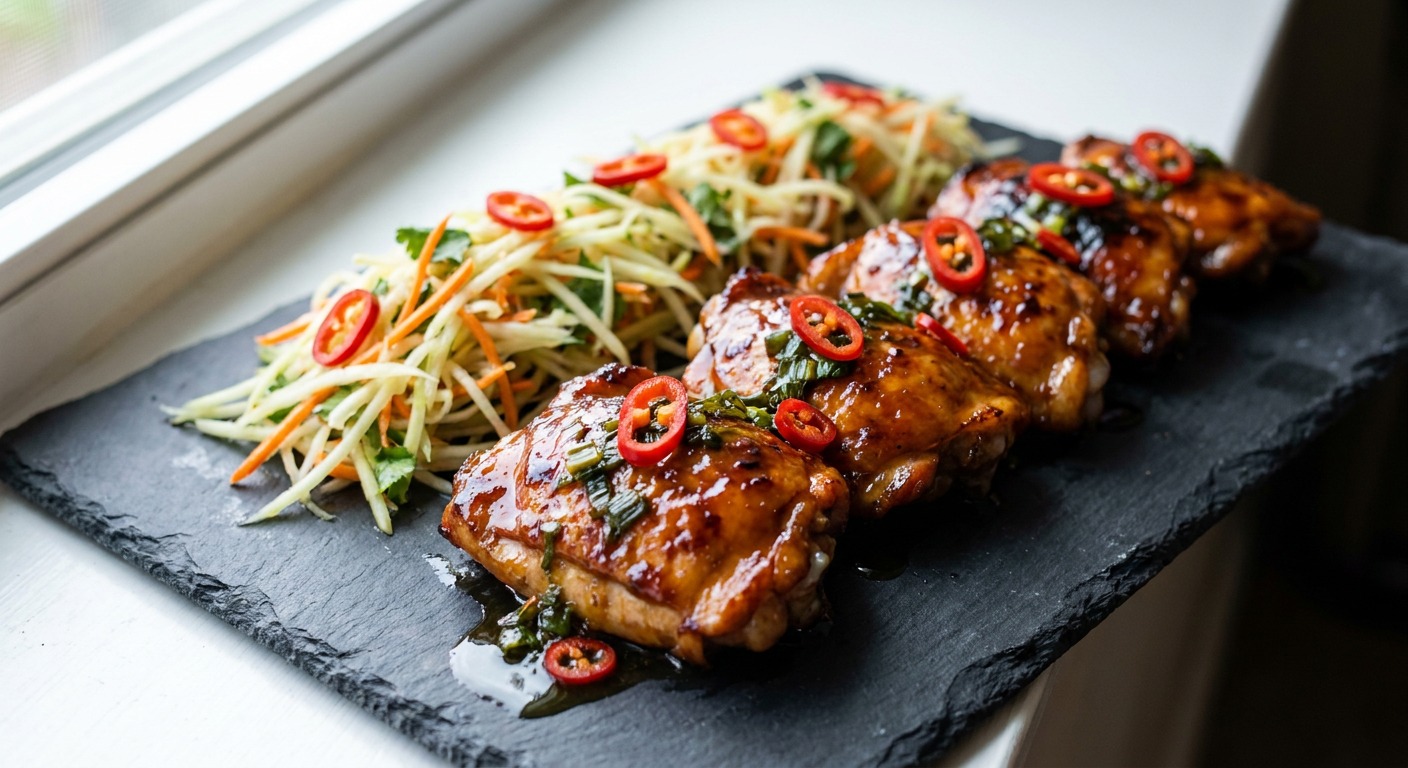
Bone-in, skin-on chicken thighs are lacquered in a sticky fish-sauce caramel (nước mắm) then seared over high heat for deep char and a glossy finish. Served with a bright quick-pickled green papaya slaw and a fragrant charred scallion oil for finishing.
Ingredient Spotlight
Granulated sugar (or palm sugar)
Palm sugar is a traditional sweetener made from the sap of various palm trees common in Southeast and South Asia; it has a caramel-like, slightly smoky flavor and a deeper, more complex sweetness than white sugar. It’s sold as blocks, disks, or granulated form and can be found at Asian markets and some specialty grocery stores. A good substitute is light or dark brown sugar (for the caramel notes) or coconut sugar; if using white granulated sugar, you may lose some of the molasses-like depth. Use similar quantities but adjust to taste if substituting because the intensity can differ.
Ingredient Spotlight
Fish sauce
Fish sauce is a pungent, salty fermented condiment made from anchovies (or other fish) and salt, essential in Southeast Asian cuisines like Thai and Vietnamese for adding umami depth. It has a strong aroma but blends into dishes to provide savory, savory‑salty complexity rather than overt fishiness. Find it in Asian grocery aisles or many supermarkets’ international sections. For a substitute, mix soy sauce with a splash of lime and a small amount of anchovy paste or Worcestershire sauce to approximate the savory profile.
Ingredient Spotlight
Green papaya, peeled and julienned
Green papaya is the unripe form of papaya used for its crisp, slightly starchy texture and very mild, slightly tangy flavor—most famously in Thai green papaya salad (som tam). It’s common in Southeast Asian markets and some larger supermarkets; if unavailable, shredded jicama or a mix of shredded cabbage and carrot can mimic the crunch and neutral taste. Because it’s underripe, it won’t be sweet like ripe papaya, so choose raw crunchy substitutes rather than ripe fruit. Preparation typically involves peeling and finely julienning or shredding to achieve the right texture.
Jake Woods's note
"This dish balances lacquered, smoky chicken with a crunchy, tangy papaya slaw and a punchy scallion oil — ideal for weeknight dinners that deserve something special or for weekend BBQs. Home cooks will love the showy, caramelized finish and the quick prep for the slaw and oil."
About This Recipe
This version of gà nướng nước mắm leans hard into contrasts: a glossy, almost lacquer-like fish-sauce caramel gives the chicken a deeply savory-sweet backbone while the high-heat sear creates shards of charred skin that crackle against tender, bone-in meat. Scoring the skin and massaging some glaze underneath keeps flavor where it matters and helps render fat so the finish isn’t cloying; a small reserve of the caramel is saved for final brushing so every bite has that sticky sheen. The quick-pickled green papaya provides the exact counterpoint — bright, acidic and thoroughly crunchy — and a drizzle of charred scallion oil adds the kind of smoky aromatics that make the dish sing without adding heaviness.
This recipe is aimed at people who want a dramatic, restaurant-quality grill result without fancy equipment: the two-zone method and a reliable thermometer are the only real skills required, and the components can mostly be prepared ahead. It’s a great centerpiece for a casual backyard dinner, sliced thin for bánh mì, or served over plain jasmine rice with lime wedges, herbs and crushed roasted peanuts. Pay attention to timing with the sugar caramel and to flare-ups on the grill, and you’ll end up with glossy, savory chicken that balances sweet, salty and bright like a perfect Vietnamese street-food plate.
Ingredients for Grilled Vietnamese Caramel Chicken Thighs (Gà Nướng Nước Mắm) with Quick Pickled Papaya and Charred Scallion Oil
- 3/4 cup Granulated sugar (or palm sugar)
- 1/2 cup Fish sauce
- 6 cloves Garlic, minced
- 2 tbsp Fresh lime juice
- 1/2 cup Vegetable oil (neutral oil) for scallion oil
- 6 stalks Scallions (green onions), trimmed
- 3 cups Green papaya, peeled and julienned
- 1/3 cup Rice vinegar
- 8 thighs Bone-in, skin-on chicken thighs
- 1 piece Thai red chili, thinly sliced (optional)
How to Make Grilled Vietnamese Caramel Chicken Thighs (Gà Nướng Nước Mắm) with Quick Pickled Papaya and Charred Scallion Oil
Step 1: Make the sticky nước mắm caramel
In a heavy saucepan over medium heat, melt the sugar with 2 tablespoons water, swirling until it dissolves and turns a deep amber (5–8 minutes). Immediately remove from heat and slowly whisk in the fish sauce, then stir in minced garlic and lime juice — take care, the mixture will steam and sputter. Return to low heat and simmer 1–2 minutes to meld and slightly thicken; remove and let cool to warm. Reserve about 1/3 cup of the glaze in a small bowl for finishing and basting during grilling.For this step
- 3/4 cupGranulated sugar (or palm sugar)
- 1/2 cupFish sauce
- 6 clovesGarlic, minced
- 2 tbspFresh lime juice
Step 2: Marinate the chicken
Pat the thighs dry, score the skin lightly with a sharp knife (helps render fat and boost char), then place in a shallow dish. Pour the warm (not hot) caramel fish-sauce glaze over the thighs, massaging it under the skin where possible so it coats the meat; cover and refrigerate at least 2 hours or up to overnight. Before grilling, bring the thighs to room temperature for 20–30 minutes and reserve any loose glaze in the dish for basting.For this step
- 8 thighsBone-in, skin-on chicken thighs
Step 3: Quick-pickled green papaya slaw
Combine julienned green papaya with rice vinegar and a pinch of salt in a bowl; add the thinly sliced Thai chili if using. Toss and let sit 15–20 minutes while you prep the grill — the papaya will mellow and stay crunchy. Drain excess liquid just before serving and adjust seasoning with a squeeze of lime or a pinch of sugar from the glaze if you like a touch sweeter.For this step
- 3 cupsGreen papaya, peeled and julienned
- 1/3 cupRice vinegar
- 1 pieceThai red chili, thinly sliced (optional)
Step 4: Preheat and set up your grill
Set up a two-zone fire: one high-heat direct zone and one medium/indirect zone. Timing tips: charcoal — let coals become white-hot and bank for direct/indirect (15–20 minutes to heat); gas — preheat on high with one or two burners off to create the indirect zone (10–15 minutes); pellet grill — set to high/450–500°F and plan for slightly longer searing time if your model has slower response. Clean and oil grates so the lacquered thighs don’t stick.Step 5: Char scallions and make scallion oil
While the grill heats, char scallions directly over high heat (or in a hot cast-iron pan) until blistered and blackened in spots, 3–4 minutes per side. Put the charred scallions in a heatproof jar with the measured vegetable oil and allow to sit for 10 minutes — for a smoother finish, blend briefly with an immersion blender or chop finely; strain if desired. The hot oil will pick up smoky, oniony flavor; reserve for drizzling over the finished chicken.For this step
- 1/2 cupVegetable oil (neutral oil) for scallion oil
- 6 stalksScallions (green onions), trimmed
Step 6: Grill and lacquer the thighs, then finish
Place thighs skin-side down over the direct high-heat zone and sear 6–8 minutes until the skin deeply chars and the glaze begins to caramelize. Flip and cook an additional 6–10 minutes, basting every 4–6 minutes with reserved glaze; if flare-ups occur or the exterior chars too quickly, move to the indirect zone to finish. Aim for an internal temperature of 165–175°F (74–79°C) — bone-in thighs often finish juicier toward the upper end; total cook time typically 20–30 minutes. Rest 5 minutes, then brush with the reserved finishing glaze and a few teaspoons of charred scallion oil; serve each plate with a portion of quick-pickled papaya alongside.


- In a heavy saucepan over medium heat, melt the sugar with 2 tablespoons water, swirling until it dissolves and turns a deep amber (5–8 minutes). Immediately remove from heat and slowly whisk in the fish sauce, then stir in minced garlic and lime juice — take care, the mixture will steam and sputter. Return to low heat and simmer 1–2 minutes to meld and slightly thicken; remove and let cool to warm. Reserve about 1/3 cup of the glaze in a small bowl for finishing and basting during grilling.
- Pat the thighs dry, score the skin lightly with a sharp knife (helps render fat and boost char), then place in a shallow dish. Pour the warm (not hot) caramel fish-sauce glaze over the thighs, massaging it under the skin where possible so it coats the meat; cover and refrigerate at least 2 hours or up to overnight. Before grilling, bring the thighs to room temperature for 20–30 minutes and reserve any loose glaze in the dish for basting.
- Combine julienned green papaya with rice vinegar and a pinch of salt in a bowl; add the thinly sliced Thai chili if using. Toss and let sit 15–20 minutes while you prep the grill — the papaya will mellow and stay crunchy. Drain excess liquid just before serving and adjust seasoning with a squeeze of lime or a pinch of sugar from the glaze if you like a touch sweeter.
- Set up a two-zone fire: one high-heat direct zone and one medium/indirect zone. Timing tips: charcoal — let coals become white-hot and bank for direct/indirect (15–20 minutes to heat); gas — preheat on high with one or two burners off to create the indirect zone (10–15 minutes); pellet grill — set to high/450–500°F and plan for slightly longer searing time if your model has slower response. Clean and oil grates so the lacquered thighs don’t stick.
- While the grill heats, char scallions directly over high heat (or in a hot cast-iron pan) until blistered and blackened in spots, 3–4 minutes per side. Put the charred scallions in a heatproof jar with the measured vegetable oil and allow to sit for 10 minutes — for a smoother finish, blend briefly with an immersion blender or chop finely; strain if desired. The hot oil will pick up smoky, oniony flavor; reserve for drizzling over the finished chicken.
- Place thighs skin-side down over the direct high-heat zone and sear 6–8 minutes until the skin deeply chars and the glaze begins to caramelize. Flip and cook an additional 6–10 minutes, basting every 4–6 minutes with reserved glaze; if flare-ups occur or the exterior chars too quickly, move to the indirect zone to finish. Aim for an internal temperature of 165–175°F (74–79°C) — bone-in thighs often finish juicier toward the upper end; total cook time typically 20–30 minutes. Rest 5 minutes, then brush with the reserved finishing glaze and a few teaspoons of charred scallion oil; serve each plate with a portion of quick-pickled papaya alongside.
Grilled Vietnamese Caramel Chicken Thighs (Gà Nướng Nước Mắm) with Quick Pickled Papaya and Charred Scallion Oil Tips
Reserve glaze separately
Before adding the raw chicken, set aside about 1/3 cup of the cooled caramel so you have uncontaminated glaze for basting and finishing; any glaze that contacts raw chicken must be boiled before reuse.
Watch the caramel closely
Sugar can jump from amber to burnt in seconds — remove from heat as soon as it reaches a deep amber and then add fish sauce slowly while whisking to control splatter.
Score skin properly
Make shallow, parallel cuts through the skin but not into the flesh to help fat render and promote better contact with the heat for crisp, lacquered skin.
Manage grill flare-ups
If the glaze causes flames, move thighs to the indirect zone and finish cooking there, basting only in short bursts toward the end to avoid burning.
Infuse the scallion oil hot
Pour hot oil over fully charred scallions and let it steep for at least 10 minutes before blending or straining to extract the most smoky, garlicky notes.
Grilled Vietnamese Caramel Chicken Thighs (Gà Nướng Nước Mắm) with Quick Pickled Papaya and Charred Scallion Oil Variations and Substitutions
Palm sugar for depth
Use palm sugar in place of granulated sugar for a more caramel-y, molasses-like flavor; it melts differently so keep heat a touch lower and stir as it browns.
Gluten-free and vegan swap
Replace fish sauce with 2 tbsp tamari plus 2 tbsp mushroom soy or a vegan fish sauce and use thick tofu steaks or seared king oyster mushrooms in place of thighs; reduce caramel time to avoid over-penetrating the delicate protein.
Boneless or white meat
Switch to boneless, skin-on thighs for faster cooking or breasts if you prefer white meat, but reduce grill time and watch the glaze closely because thinner cuts will burn more easily.
Papaya alternatives
If green papaya is unavailable, julienned green mango, carrot, or daikon work well as quick-pickles and keep the crunchy, acidic counterpoint to the rich chicken.
How to Store and Make Grilled Vietnamese Caramel Chicken Thighs (Gà Nướng Nước Mắm) with Quick Pickled Papaya and Charred Scallion Oil Ahead
Store leftover chicken and pickled papaya separately in airtight containers in the refrigerator for up to 3 days; keep the charred scallion oil refrigerated for up to one week. To reheat, warm the chicken in a 325°F oven until it reaches 165°F internally and briefly broil or sear skin-side up for 1–2 minutes to re-crisp the skin; avoid microwaving if you want to preserve texture.
What to Serve With Grilled Vietnamese Caramel Chicken Thighs (Gà Nướng Nước Mắm) with Quick Pickled Papaya and Charred Scallion Oil
Serve the thighs with steamed jasmine rice or sticky rice, a mound of quick-pickled papaya, and plenty of fresh herbs like cilantro and Thai basil; garnish with crushed roasted peanuts and lime wedges. For drinks, a dry, effervescent lager or a floral Riesling balances the sticky-salty glaze, while an iced Thai tea or a lemongrass gin fizz makes for an interesting non-beer pairing.
Grilled Vietnamese Caramel Chicken Thighs (Gà Nướng Nước Mắm) with Quick Pickled Papaya and Charred Scallion Oil FAQs
Is it safe to baste with the marinade that held raw chicken?
No — any glaze or marinade that touched raw chicken must be boiled for several minutes before reuse. That’s why the recipe asks you to reserve a portion of the caramel before marinating so you have safe glaze for basting and finishing.
How do I prevent the sugar in the glaze from burning on the grill?
Use the two-zone method and sear first over high heat then move to indirect to finish; only baste in short bursts near the end of cooking and keep an eye on flare-ups, lowering heat if the exterior darkens too fast.
Can I make the caramel and scallion oil ahead of time?
Yes — the caramel can be made a day ahead and gently reheated to pour over chicken, and the scallion oil can be prepared and stored refrigerated for up to a week, just bring to room temperature before drizzling.
What internal temperature should I target for bone-in thighs?
Aim for 165–175°F (74–79°C); thighs often taste juicier toward the higher end because of the dark meat and bone, so use a probe thermometer and let the meat rest before serving.
My grill doesn’t get very hot—how should I adapt?
Sear as hot as your grill allows to get color, then transfer to a cooler indirect area to finish; you can also start the thighs skin-side down in a hot cast-iron pan on the stovetop to render fat and build color before transferring to the grill.
Can I skip charring the scallions?
You can, but charring adds a smoky depth that complements the fish-sauce caramel; if you skip it, briefly sauté the scallions until soft to release flavor, then infuse in hot oil for a milder finish.
About the author
Jake WoodsHello, I'm Jake. I started this recipe site with the idea that I hated recipe websites that overwhelm you with long stories and ads just to see plain content that's not helpful. My goal is to provide you with quality recipes, simple ideas and a fun cooking experience. There's lots of fun things to cook, and I think as you browse the site you'll find that TopShelf.Recipes is the place for quality recipes on the web.
See all recipes by Jake Woods →Ratings & Reviews
Did you make this recipe?
Be the first to share your experience.
Nutrition Facts
Per serving: 2½ thighs
Nutrition values are estimated from USDA ingredient data and may vary based on preparation, brands, and portion sizes. Values are provided for informational purposes only.
Keep Reading
Guides & articles for this recipe
Guides
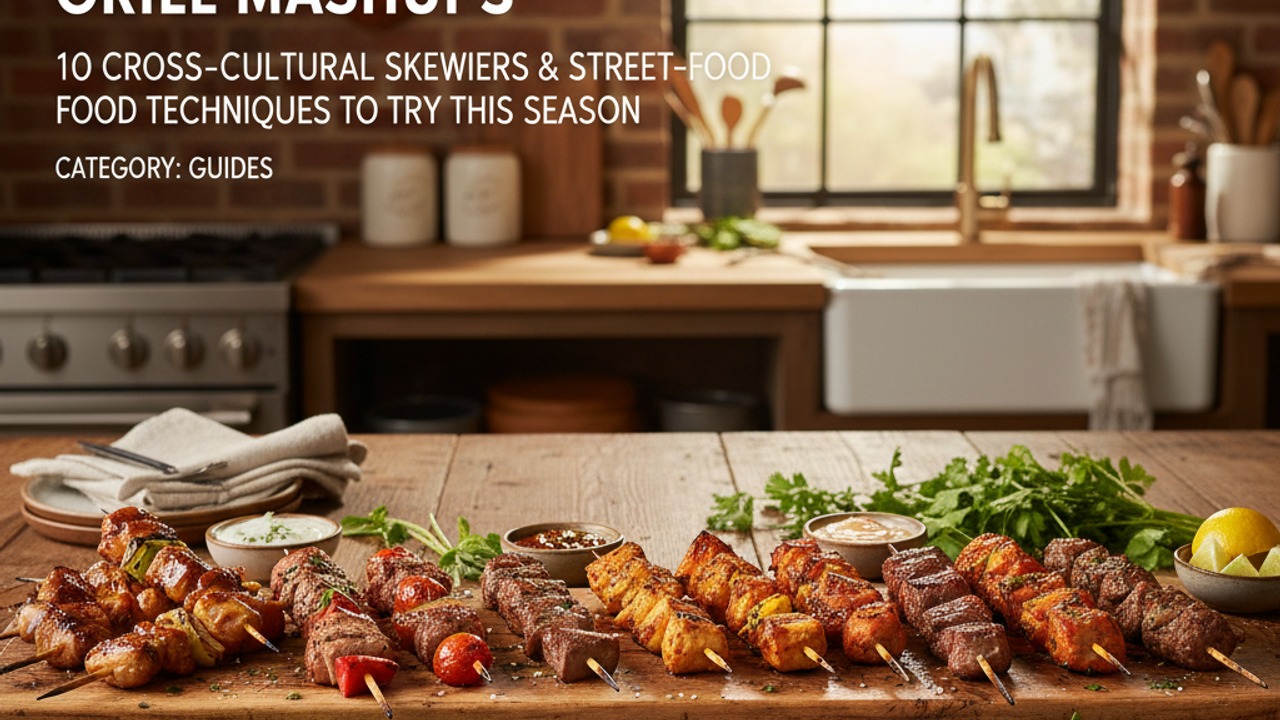
Trending Global Grill Mashups: 10 Cross‑Cultural Skewers & Street‑Food Techniques to Try This Season
Take your grill global with 10 inventive skewer mashups that fuse Korean, Mexican, Middle Eastern, Southeast Asian and Caribbean street‑food techniques. This guide covers signature marinades, finishing sauces, grilling methods, plating and pairing ideas plus short‑form video hooks to make each skewer irresistible online.
Guides
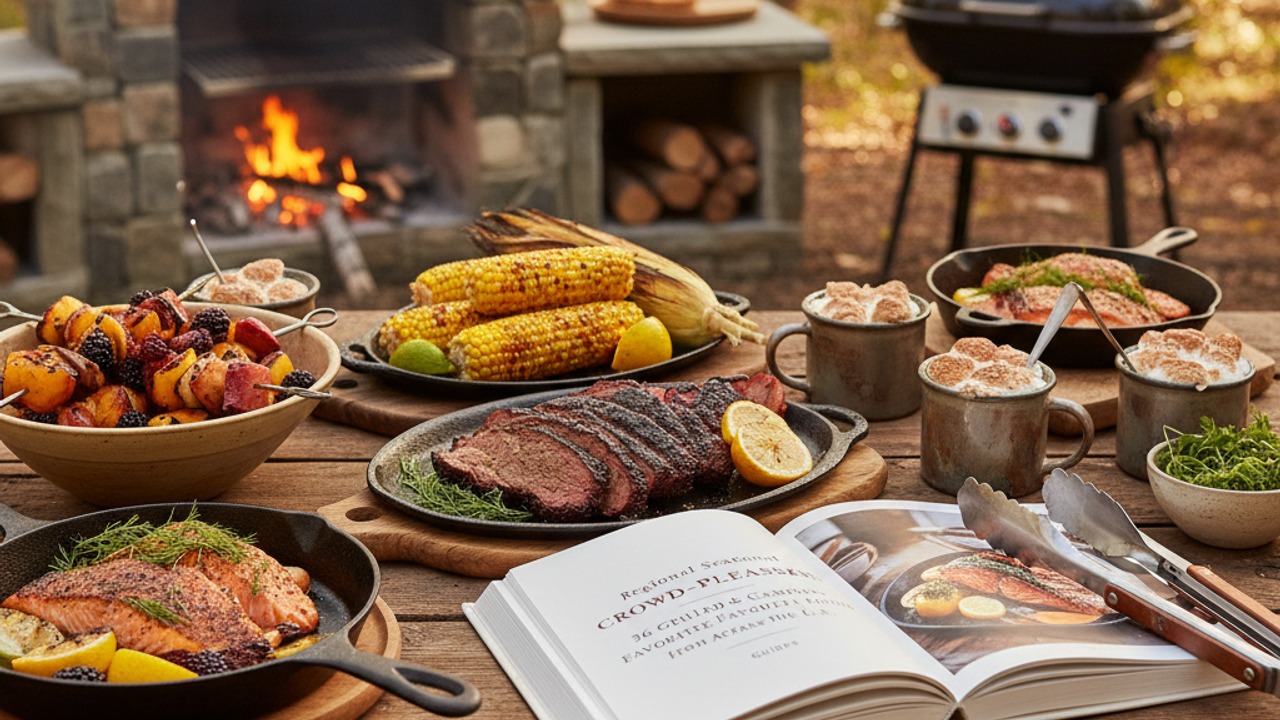
Regional Seasonal Crowd‑Pleasers: 36 Grilled & Campfire Favorites from Across the U.S.
A region-by-region guide to 36 seasonal grilled and campfire recipes Americans actually cook. Includes spring–summer–fall picks for four U.S. regions, plus grill/campfire adaptations, local-produce swaps, hosting shortcuts and quick scale-up formulas for gatherings.
Guides
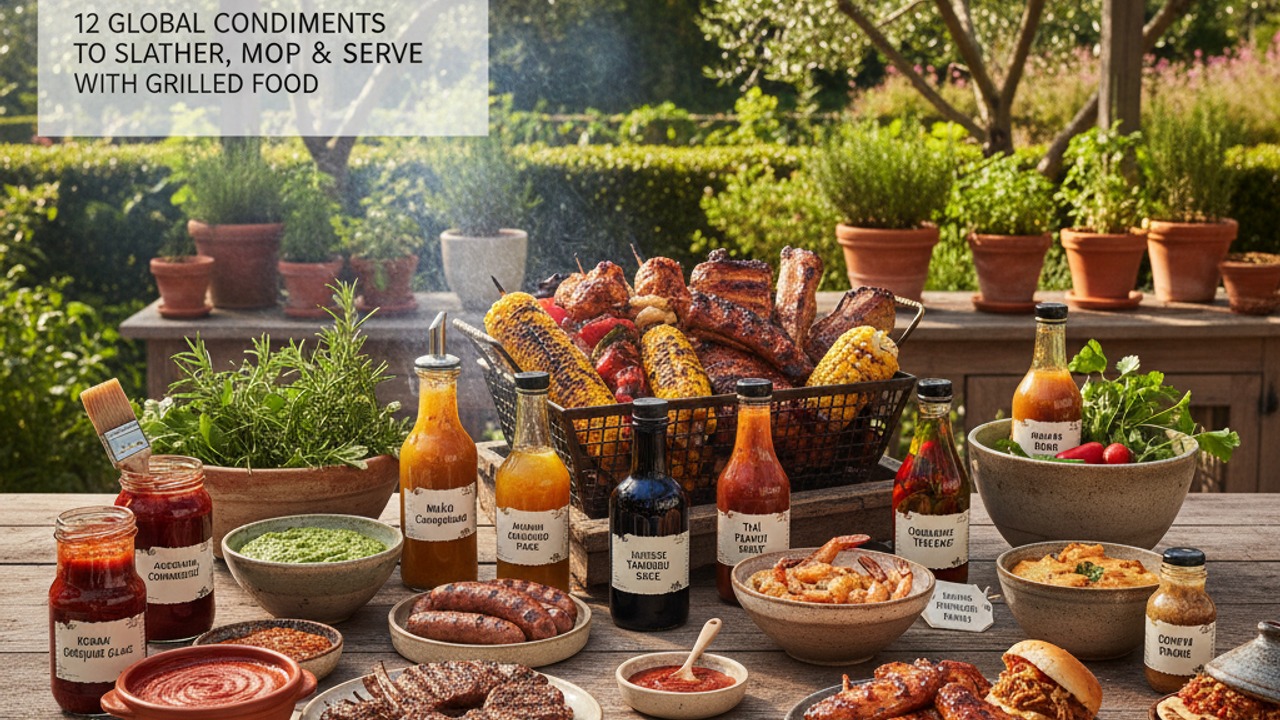
Trending Backyard Sauces for 2026: 12 Global Condiments to Slather, Mop & Serve with Grilled Food
A trend-forward guide to the 12 must-have global sauces for backyard grilling in 2026. Profiles, flavor notes, pantry shortcuts, grill pairings and smart make-ahead and scaling tips to feed a crowd without sweating the details.
More from Grilling
View all Grilling recipes →
Tandoori Yogurt Marinated Grilled Chicken (Tandoori Style on the Grill)

Labor Day Grilled Lobster Rolls with Charred Scallion Brown Butter & Lemon‑Herb Aioli

Bulgogi Smash Burger

Campfire‑Smoked Potato Salad with Mustard‑Bacon Vinaigrette — A Labor Day Grilling Side for Steak

Hanger Steak with Shallot Sauce
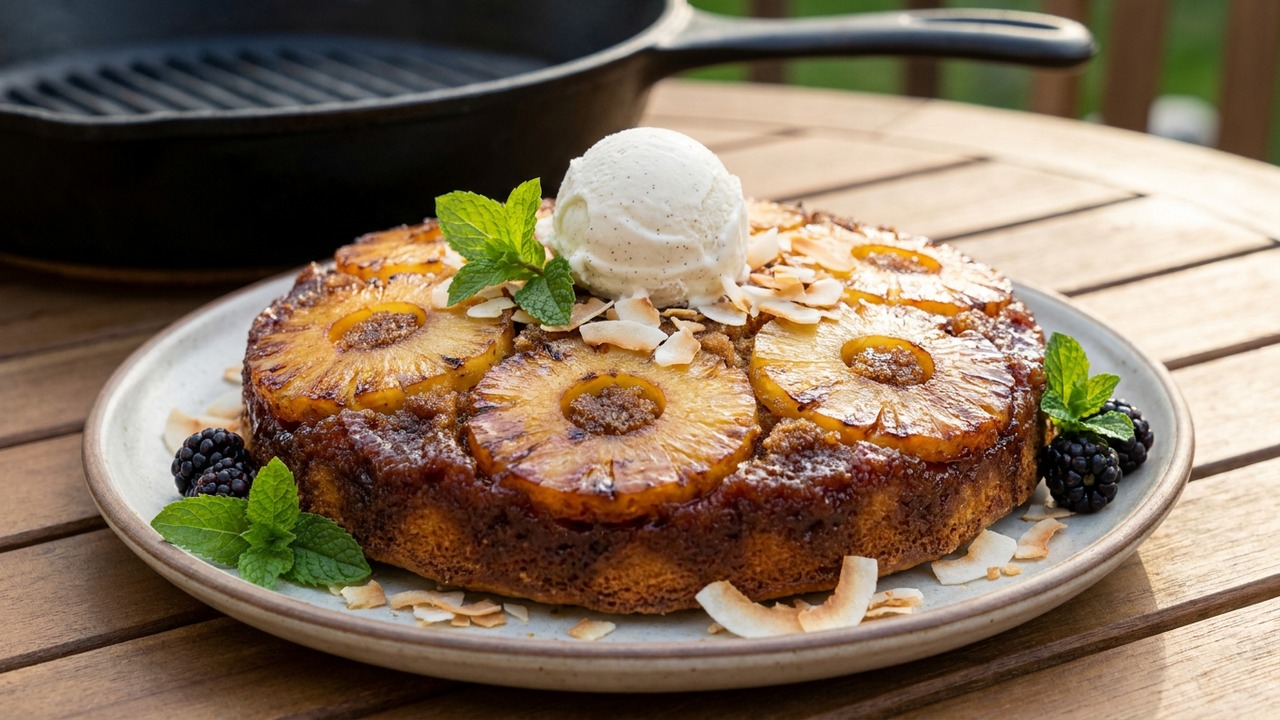
Grilled Pineapple Upside-Down Cake

Spicy Grilled Shrimp Skewers with Garlic Lime Marinade

Honey Garlic Grilled Thin-Sliced Chicken Breasts

Coffee and Porcini Dry-Rub Steaks with RUB PRIME STEAK Finish
Ask me anything about this recipe — substitutions, scaling, techniques, timing.
Powered by AI · 6 questions per 5 minutes, 30 per day