Wasabi Roasted Crunchy Chickpeas
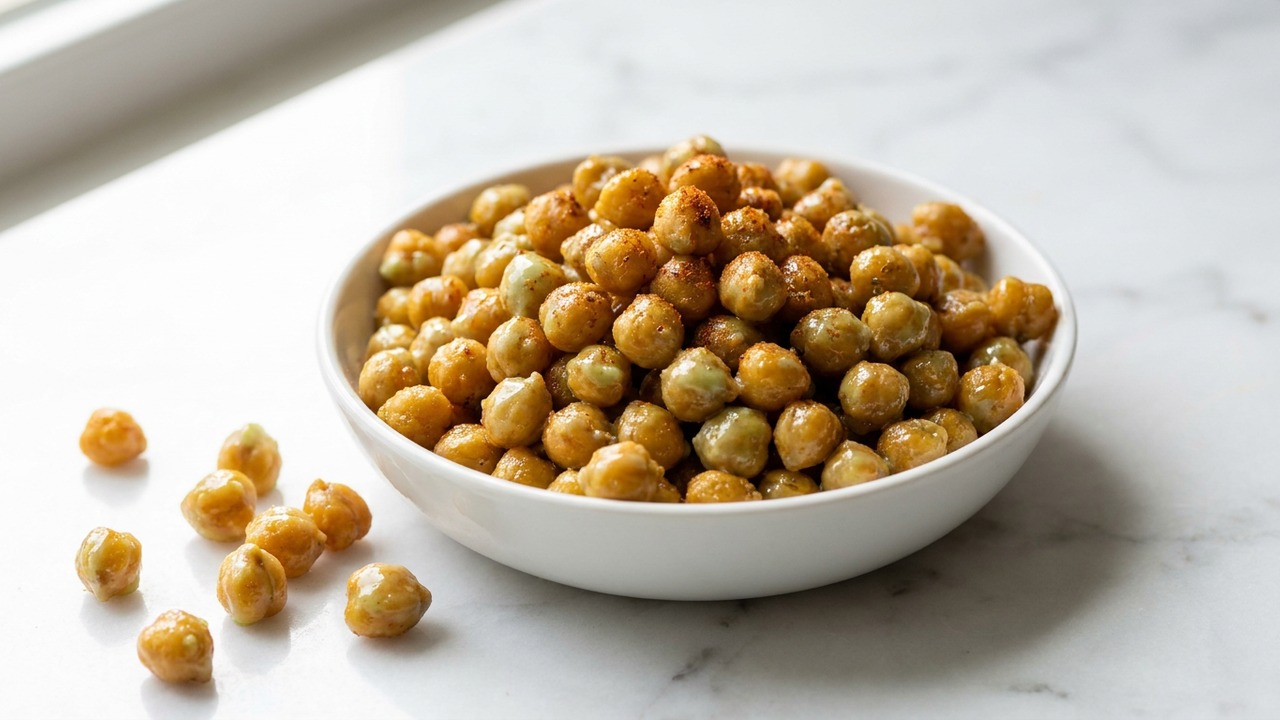
Crisp roasted chickpeas tossed in a bright, umami-forward wasabi glaze — a crunchy snack or salad topper with a gentle sinus-tingle. Easy to make, highly addictive, and perfect for jazzing up bowls, salads, or midday snacking.
Ingredient Spotlight
Wasabi paste (or rehydrated wasabi powder)
A Japanese pungent condiment made from the grated root of the wasabi plant (though many commercial pastes are actually horseradish-based). It delivers a sharp, sinus-clearing heat with a fresh, green, slightly vegetal aroma that dissipates quickly rather than lingering like chili heat. Find true wasabi or powdered rehydrated wasabi in Asian markets, specialty grocery stores, or the sushi aisle; common substitutes are prepared horseradish (or horseradish mixed with a little mustard) if you need the heat and bite.
Ingredient Spotlight
Low-sodium soy sauce or tamari
Tamari is a Japanese soy-based seasoning similar to soy sauce but typically richer, less sharp, and often made with little or no wheat (many varieties are gluten-free). It has deep umami and salty-savoury flavors with a slightly thicker mouthfeel compared with regular soy sauce. You can find tamari in the Asian section of supermarkets, natural foods stores, or Asian groceries; if you don’t have it, use regular low-sodium soy sauce (or coconut aminos for a gluten-free, milder substitute).
Jake Woods's note
"These crunchy wasabi chickpeas bring a lively, green heat that's more addictive than fiery — great for parties, lunchboxes, or as a bold salad topper. They'll crisp up as they cool, so patience at the end is rewarded with perfect snap."
About This Recipe
Crunchy roasted chickpeas get an energetic, savory kick in this wasabi-glazed version — a snack that manages to be both comforting and a little electrifying. The exterior roasts to a blistered, nutty crunch while the glaze delivers quick umami from soy, toasty depth from sesame oil, and that nasal-clearing wasabi note that lifts every bite. Smoked paprika and cumin round out the profile so the heat reads as layered spice rather than one-note sting; the result is a snack that doubles as a flavorful salad or grain-bowl topper and holds its texture well when cooled properly.
This recipe is deliberately forgiving: a single can of chickpeas transforms with minimal hands-on time, and the glaze can be dialed up or down depending on how adventurous your palate is. It’s ideal for anyone who snacks with purpose — voyageurs, lunch-preppers, hosts who want a crunchy bowl filler, and cooks who appreciate making a pantry staple feel special. Follow a few simple drying and roasting techniques and you’ll be rewarded with addictive, crisp chickpeas that sing with bright, savory heat.
Ingredients for Wasabi Roasted Crunchy Chickpeas
- 1 15 oz can Canned chickpeas, drained and rinsed
- 1 tbsp Extra-virgin olive oil
- 1 tsp Wasabi paste (or rehydrated wasabi powder)
- 1 tsp Low-sodium soy sauce or tamari
- 1/2 tsp Toasted sesame oil
- 1/4 tsp Rice vinegar
- 1 tsp Smoked paprika
- 1/2 tsp Ground cumin
- 1/2 tsp Kosher salt (or fine sea salt)
- 1/4 tsp Freshly ground black pepper
How to Make Wasabi Roasted Crunchy Chickpeas
Step 1: Preheat and dry the chickpeas
Heat the oven to 400°F (200°C). Drain and rinse the chickpeas well, then spread them on a clean kitchen towel or paper towels and pat thoroughly dry. For extra crunch, rub the chickpeas gently between towels to loosen and discard any loose skins.For this step
- 1 15 oz canCanned chickpeas, drained and rinsed
Step 2: Whisk the wasabi glaze
In a small bowl, whisk together the olive oil, wasabi paste, soy sauce, toasted sesame oil, and rice vinegar until smooth and slightly emulsified. Taste and adjust the wasabi amount if you want it milder or more assertive.For this step
- 1 tbspExtra-virgin olive oil
- 1 tspWasabi paste (or rehydrated wasabi powder)
- 1 tspLow-sodium soy sauce or tamari
- 1/2 tspToasted sesame oil
- 1/4 tspRice vinegar
Step 3: Toss chickpeas with glaze and spices
Place the dried chickpeas in a medium bowl, pour the wasabi glaze over them, then sprinkle the smoked paprika, ground cumin, kosher salt, and black pepper. Toss thoroughly so the chickpeas are evenly coated in the glaze and spices.For this step
- 1 tspSmoked paprika
- 1/2 tspGround cumin
- 1/2 tspKosher salt (or fine sea salt)
- 1/4 tspFreshly ground black pepper
Step 4: Arrange and roast
Spread the coated chickpeas in a single layer on a rimmed baking sheet lined with parchment, leaving space between them. Roast for 35–40 minutes, stirring or shaking the pan every 10–12 minutes so they brown evenly; they should be deep golden and slightly blistered.Step 5: Cool to crisp
Remove the chickpeas from the oven and let them cool completely on the baking sheet or a wire rack — they will continue to crisp as they cool. Taste and adjust salt if needed once cooled.Step 6: Serve and store
Serve as a crunchy snack (sprinkle over salads or grain bowls as a spicy topper). Store cooled chickpeas in an airtight container at room temperature for up to 5–7 days; they’ll lose crispness if exposed to moisture.


- Heat the oven to 400°F (200°C). Drain and rinse the chickpeas well, then spread them on a clean kitchen towel or paper towels and pat thoroughly dry. For extra crunch, rub the chickpeas gently between towels to loosen and discard any loose skins.
- In a small bowl, whisk together the olive oil, wasabi paste, soy sauce, toasted sesame oil, and rice vinegar until smooth and slightly emulsified. Taste and adjust the wasabi amount if you want it milder or more assertive.
- Place the dried chickpeas in a medium bowl, pour the wasabi glaze over them, then sprinkle the smoked paprika, ground cumin, kosher salt, and black pepper. Toss thoroughly so the chickpeas are evenly coated in the glaze and spices.
- Spread the coated chickpeas in a single layer on a rimmed baking sheet lined with parchment, leaving space between them. Roast for 35–40 minutes, stirring or shaking the pan every 10–12 minutes so they brown evenly; they should be deep golden and slightly blistered.
- Remove the chickpeas from the oven and let them cool completely on the baking sheet or a wire rack — they will continue to crisp as they cool. Taste and adjust salt if needed once cooled.
- Serve as a crunchy snack (sprinkle over salads or grain bowls as a spicy topper). Store cooled chickpeas in an airtight container at room temperature for up to 5–7 days; they’ll lose crispness if exposed to moisture.
Wasabi Roasted Crunchy Chickpeas Tips
Dry thoroughly first
Moisture is the enemy of crispness; pat the chickpeas until no visible water remains and let them air-dry briefly to remove residual surface dampness.
Loosen and discard skins
Gently rub the chickpeas between towels to remove loose skins — this reduces steaming during roasting and improves crunch.
Single-layer spacing
Spread chickpeas in a single layer with space between them so hot air can circulate; overcrowding causes steaming and soft centers.
Stir every 10–12 minutes
Turn or shake the pan during roasting to promote even browning and prevent any beans from burning at the edges.
Adjust wasabi after baking
Taste a cooled chickpea before committing to more wasabi in future batches; the oven concentrates flavors, so start conservative.
Re-crisp on demand
If they soften, revive them for 5–8 minutes at 350°F (175°C) or in a dry skillet over medium heat to restore crunch.
Wasabi Roasted Crunchy Chickpeas Variations and Substitutions
Extra heat
Add 1/4–1/2 teaspoon cayenne or a pinch of crushed red pepper to the spice mix for a more sustained chili heat behind the wasabi tingle.
Citrus-ginger glaze
Swap rice vinegar for lime juice and add 1/2 teaspoon finely grated fresh ginger for a brighter, fresher Asian-inspired twist.
Maple-miso glaze
Replace soy and a bit of the oil with 1 teaspoon white miso and 1 teaspoon maple syrup for savory-sweet depth and caramelized edges.
Air-fryer method
Cook at 375°F (190°C) in a single layer for 12–18 minutes, shaking every 5 minutes; timing depends on model, so watch for deep golden color.
How to Store and Make Wasabi Roasted Crunchy Chickpeas Ahead
Allow the chickpeas to cool completely before sealing to prevent trapped steam from softening them. Store in an airtight container at room temperature for up to 5–7 days; avoid the refrigerator, which introduces moisture and makes them chewy. To re-crisp, spread on a baking sheet and warm at 350°F (175°C) for 5–8 minutes or heat briefly in a dry skillet, stirring until crisp.
What to Serve With Wasabi Roasted Crunchy Chickpeas
Scatter these wasabi chickpeas over a crisp kale or cabbage salad for instant texture and a flavor lift, or use them as a crunchy topper for grain bowls and ramen. They make a lively party snack alongside cold beers or a citrusy dry white wine, and they look handsome piled in a small bowl with lime wedges and toasted sesame seeds for garnish.
Wasabi Roasted Crunchy Chickpeas FAQs
Can I use dried chickpeas instead of canned?
Yes — soak and cook dried chickpeas until tender, then drain and dry completely before roasting; cooked-from-dry beans often need a bit longer in the oven to reach the same level of crunch.
My chickpeas are still soft inside; what went wrong?
Likely excess moisture or overcrowding; ensure they are thoroughly dried, remove loose skins, and roast in a single layer with space between beans — extend roasting time until they are deep golden and blistered.
Is wasabi paste interchangeable with powder?
You can use rehydrated wasabi powder at a roughly 1:1 ratio with paste, but start with less because the flavor can be sharper; adjust after tasting the glaze.
Will the wasabi flavor survive roasting?
The wasabi flavor will mellow and concentrate after roasting, but the volatile heat will still register; for a fresher hit, add a touch more paste to the glaze or toss with a bit of extra wasabi immediately after roasting.
How can I make this nut-free or sesame-free?
Simply omit the toasted sesame oil and consider an extra 1/2 teaspoon olive oil plus a pinch of smoked salt for depth; sesame oil is a flavor enhancer but not structurally necessary.
About the author
Jake WoodsHello, I'm Jake. I started this recipe site with the idea that I hated recipe websites that overwhelm you with long stories and ads just to see plain content that's not helpful. My goal is to provide you with quality recipes, simple ideas and a fun cooking experience. There's lots of fun things to cook, and I think as you browse the site you'll find that TopShelf.Recipes is the place for quality recipes on the web.
See all recipes by Jake Woods →Ratings & Reviews
Did you make this recipe?
Be the first to share your experience.
Nutrition Facts
Per serving: 2 tsp
Nutrition values are estimated from USDA ingredient data and may vary based on preparation, brands, and portion sizes. Values are provided for informational purposes only.
Keep Reading
Guides & articles for this recipe

Healthy Eating
Gluten-Free Weeknight Grilling Plan
A 7-day gluten-free weeknight grilling plan with quick, family-friendly recipes, prep-ahead timelines, and a printable shopping list that spotlights late-summer produce and pantry staples. Includes clear cross-contamination safety tips and simple swaps to keep dinners fast and crowd-pleasing.

Healthy Eating
Low-Fat Grill Swaps for Big Flavor
A practical guide to trimming fat from grilled meals without losing juiciness or char. Learn yogurt- and citrus-based marinades, lean protein picks, searing and indirect-heat tricks, plus 5 quick low-fat marinades and a simple weeknight plan.

Recipes
DIY Edible Monster Eyes Candy
Make safe, fun edible monster eyes for cupcakes, cookies, and candy trays. Step-by-step recipes show baking-soda balls, chocolate and fondant eyes, wafer-print options, plus assembly, storage, and kid-friendly safety tips.
More from General
View all General recipes →
Easy Peanut Butter Bars

Lemon Butter Salmon

Carbonara Garlic Cream Sauce

Honey Garlic Glazed Salmon

One-pot Portuguese Chicken and Rice

Huli Huli Chicken

Summer Berry Trifle

Blueberry Cheesecake Cookies

Viral Dr Pepper Butter
Ask me anything about this recipe — substitutions, scaling, techniques, timing.
Powered by AI · 6 questions per 5 minutes, 30 per day