All Articles
Guides

Sustainable Spices: Build an Eco-Friendly Rub and Seasoning Shelf

Learn how to source spices ethically, cut packaging waste, and make durable, delicious rubs with a minimal environmental footprint. This practical guide walks grilling and cooking enthusiasts through certifications, supplier choices, storage, packaging, and waste-reduction tactics to create a greener spice shelf.

June 19, 2026Editorially curated
Sustainable Spices: Build an Eco-Friendly Rub and Seasoning Shelf

Why sustainable spices matter for the grill

Spices are small in weight but big in impact. From the farmer who tends a turmeric crop to the shipping container that moves pepper across oceans, every choice affects ecosystems, communities, and climate. For home grillers and small-batch rub makers, moving toward ethical sourcing, sustainable packaging, and waste-aware production isn’t just fashionable — it improves flavor, supports resilient supply chains, and reduces landfill and carbon footprints.

This guide gives you concrete steps to build an eco-friendly rub and seasoning shelf that’s practical for everyday grilling.

Start with transparent sourcing

Knowing where your spices come from is the foundation of sustainability.

  • Look for third-party certifications like Organic, Fair Trade, and Rainforest Alliance. These don’t guarantee perfection, but they signal better labor, ecological, and chemical practices.
  • Prefer direct trade or cooperative-sourced spices when available. Smaller roasters and importers that buy straight from farmer cooperatives often provide better traceability and pay fairer prices to growers.
  • Ask questions: origin, farm practices, processing methods, and crop diversity. Responsible sellers should be willing to share lot information and harvest dates.
  • Favor spices grown using regenerative agriculture or agroforestry, especially for crops like cardamom and cinnamon that can benefit from tree cover and biodiversity.
  • Reduce air freight by choosing spices transported by sea, or prioritize herbs and greens you can get locally or regionally.

Buy whole, buy smart

Whole spices generally last longer and retain volatile oils better than pre-ground powders.

  • Buy whole peppercorns, cumin seeds, coriander seeds, cinnamon sticks, and whole cloves when possible. Grind only what you need using a spice grinder or mortar and pestle.
  • Purchase in quantities you’ll use within the spice’s peak window: whole spices can keep freshness for 2–4 years; ground spices are best within 6–12 months.
  • Use local bulk stores, cooperative buying groups, or restaurant supply outlets to reduce packaging per unit. Bring your own containers where allowed.

Design an eco-friendly packaging system

Packaging is where many home cooks can make a big difference.

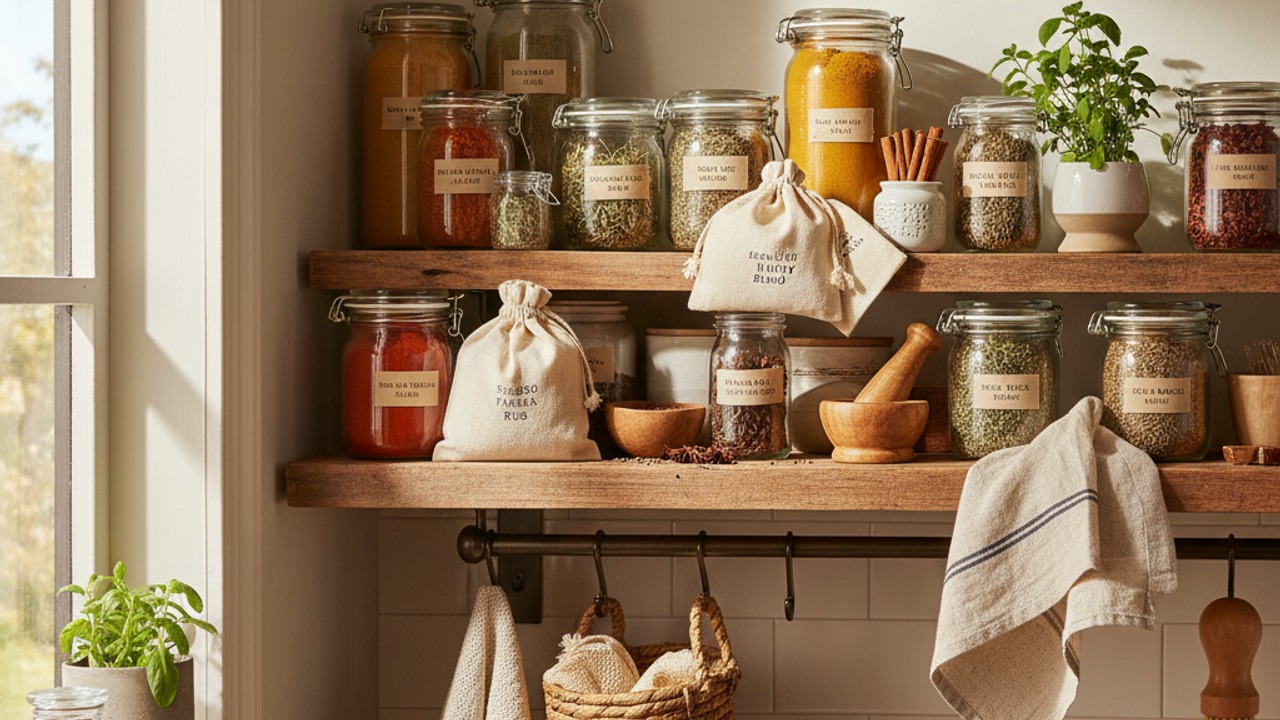
  • Reusable containers: choose amber glass jars, stainless steel tins, or aluminum spice tins for light and oxygen protection. Glass is inert and endlessly recyclable.
  • Refillable pouches: if you buy pouches, prefer suppliers that offer bulk refill programs or compostable/biodegradable pouches made from plant-based films.
  • Minimal labels: use paper labels printed with water-based or soy inks. Include harvest or roast date and batch code to improve traceability.
  • Avoid single-use plastic: say no to tiny pre-measured plastic packs. If shipping spices, use corrugated cardboard and natural fiber padding rather than bubble wrap.

DIY packaging tips for rub makers

  • Buy reusable 4–8 oz glass jars for small-batch rubs. They’re easy to refill and durable on the grill-side shelf.
  • For giveaways, use small stainless tins with tight lids and a recycled paper sleeve that lists ingredients and a use-by date.
  • Seal jars lightly with a heat sealer or a reusable silicone cap when storing for longer periods, but keep a small ventable option for jar-to-jar pouring.

Make rubs with minimal waste

Efficient production practices protect both flavor and the planet.

  • Batch size to need: make enough rub to use within 3–6 months. Larger batches risk stale flavors and waste.
  • Measure precisely: use scales for consistent batches and to avoid leftover ingredients.
  • Use whole spices and freshly grind for each batch to maximize aroma and potency and reduce the amount needed per recipe.
  • Substitute smartly: if a rub calls for brown sugar but you want lower processing or less moisture, try coconut sugar or dehydrated fruit powders that store better.

Reduce, reuse, repurpose

Don't toss old or near-expired seasonings — give them a second life.

  • Repurpose stale rubs as a flavoring for slow-cooked beans, soups, or stews where prolonged cooking can extract remaining aromatics.
  • Turn excess rub into a paste with oil and vinegar to create a marinade or injection blend for long cooks on the smoker.
  • Compost expired herbs and spices (except high-salt mixes); they add nitrogen and flavor to your compost pile.
  • Organize a neighborhood spice swap or donation to community kitchens to pass along excess while reducing waste.

Storage and freshness: small practices, big payoffs

Proper storage extends life, reduces waste, and preserves flavor.

  • Keep spices in a cool, dark place away from heat and UV — not above the stove.
  • Use airtight containers and label everything with a purchase or grind date. Follow first-in-first-out rotation.
  • Test freshness: crush a pinch — if aroma is weak, it’s time to replace. Don’t assume color equals potency.

Sourcing for flavor and ethics: what to buy first

If you’re auditing your shelf, start with five high-impact items used in most rubs:

  • Black pepper: whole peppercorns from single origins are flavorful and long-lasting.
  • Smoked paprika: choose sustainably produced smoked paprika made from peppers grown by sun and wood smoke rather than heavy industrial processing.
  • Cumin seeds: buy whole and toast/ grind to unlock oils.
  • Coriander: citrusy and bright; whole seeds last much longer.
  • Salt: choose responsibly harvested sea salt or well-managed salt flats; evaluate supply chain ethics for large-volume use.

Avoid greenwashing

  • Don’t assume 'eco' branding equals impact. Look for verifiable certifications and supplier transparency.
  • Read labels critically, ask for documentation if you're buying in bulk for resale, and prefer suppliers who can trace lots back to farms.

Final checklist to build your shelf

  • Audit current spices: toss unsalvageable ones, identify favorites to replace with sustainably sourced versions
  • Buy whole when possible and invest in a small grinder
  • Choose reusable glass or metal storage and label with dates
  • Make small batches of rubs and rotate stock with FIFO
  • Compost usable waste and share or donate excess
  • Build relationships with honest suppliers and support cooperative growers

Sustainability is a journey, not a single purchase. By choosing transparent suppliers, buying whole spices, using reusable packaging, and designing production to minimize waste, you build a rub and seasoning shelf that tastes better, supports people and the planet, and makes every grill session a little kinder to the world.

Comments

Leave a comment

0/2000

No comments yet — be the first to share your thoughts.

Keep exploring

More to read

All articles →