Planning
Sous-Chef
Ask about substitutions, technique, timing, measurements, food safety, or what to make with the ingredients you have.
Sous-Chef
Hi, I’m your TopShelf sous-chef. Ask me about substitutions, timing, technique, or what to do with what’s in your pantry.
Practical guide
Ask a cooking question that includes the details that matter
Give the assistant a concrete cooking problem
Sous-Chef is an AI cooking assistant for questions about ingredients, substitutions, techniques, quantities, and meal preparation. It is most useful when the question describes a real constraint instead of asking for a vague improvement. Name the dish, explain what you have, and say what needs to change. For example, asking how to adapt a sauce for four people without dairy gives more useful direction than asking for “a healthier sauce.” The assistant can organize possibilities and explain reasoning, but it cannot inspect your food, measure its temperature, or verify every assumption automatically.
Include the household and equipment
Mention the serving count, available time, and the equipment that is already occupied. A family of six with one oven and a single large skillet needs different advice from two people with an outdoor grill. State ingredient allergies or dietary restrictions clearly, and describe products precisely when a substitution depends on them. “Coconut milk” and “sweetened cream of coconut” do not perform the same job. If you are troubleshooting, include what happened, the amounts used, and the cooking conditions rather than only saying the recipe failed. Leave out passwords, payment details, and unrelated personal information.
Turn the answer into an ordered plan
Ask for preparation steps, dependencies, and the point at which you should check the result. If potatoes and chicken need different oven settings, request alternatives that fit the oven you have rather than two independent recipes with incompatible schedules. For four diners, explain whether you want leftovers; for a larger group, ask which steps can genuinely be prepared ahead. Check suggested quantities against the actual recipe before beginning. A helpful follow-up identifies the remaining conflict, such as limited refrigerator space or no suitable substitute, rather than restarting the conversation without the context that makes the problem specific.
Verify safety-critical advice elsewhere
AI answers can be mistaken or omit conditions, so use authoritative guidance for cooking temperatures, preservation, and questionable leftovers. USDA minimums include 165°F for poultry, 160°F for ground beef or pork, and 145°F with a three-minute rest for whole beef and pork cuts. Refrigerate perishable leftovers within two hours, or one hour above 90°F. Do not ask an assistant to declare questionable food safe from its smell or appearance alone. For canning, curing, serious allergies, or medical diets, use an appropriate tested reference or qualified professional. Treat Sous-Chef as a practical planning aid, not a substitute for validated safety instructions.
References for this guide
Frequently asked questions
Helpful answers
What can I substitute for buttermilk in pancakes?
Stir 1 tablespoon of lemon juice or vinegar into 1 cup of milk and let it stand for about five minutes. It approximates buttermilk's acidity, though cultured buttermilk tastes fuller.
Why does my garlic burn before my onions are soft?
Garlic cooks much faster than onions. Soften the onions first, then add garlic for the final 30 to 60 seconds before adding other ingredients.
How can I thicken watery stew without making it gluey?
Simmer uncovered to reduce it, or add a small slurry of starch and cold water near the end. Add the slurry gradually and simmer briefly.
A practical starting point
Use the result as a planning estimate, then trust the ingredients, your thermometer, and the food in front of you. This tool is designed to make the first calculation easier—not to replace good kitchen judgment.
More planning tools
View all tools
Planning
Meat Doneness Calculator
Find the pull temperature for juicy, properly rested meat.
Planning
Turkey Cooking Planner
Work backward from dinner for roasted, smoked, grilled, or deep-fried turkey.
Planning
Brisket Timeline Calculator
Estimate when to start a brisket, including the rest.
Planning
Smoking Time Calculator
Estimate smoking time and temperature for meats, seafood, cheese, and more.
Planning
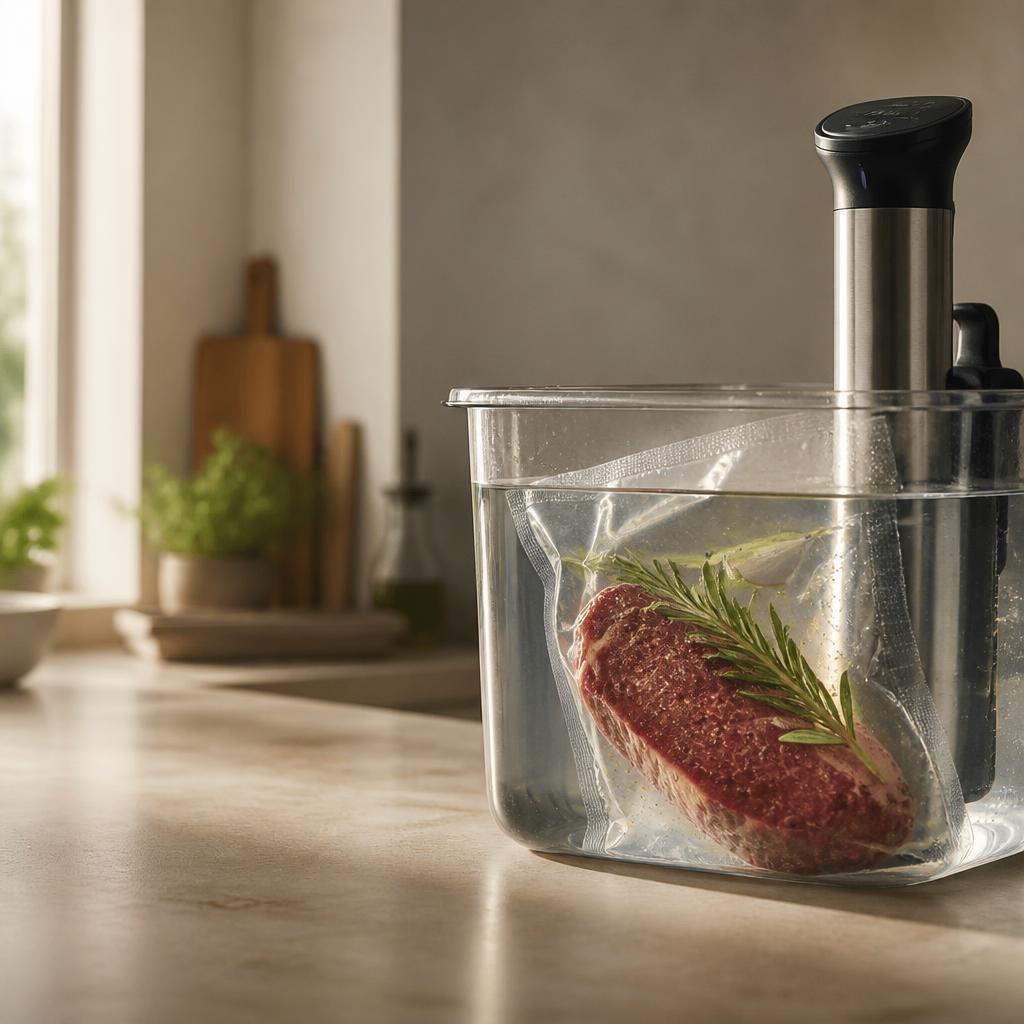
Sous-Vide Calculator
Find a water-bath temperature and timing for the food you are cooking.

Planning
Kitchen Reminders
Email yourself at a set time or when a kitchen timer finishes.
Planning
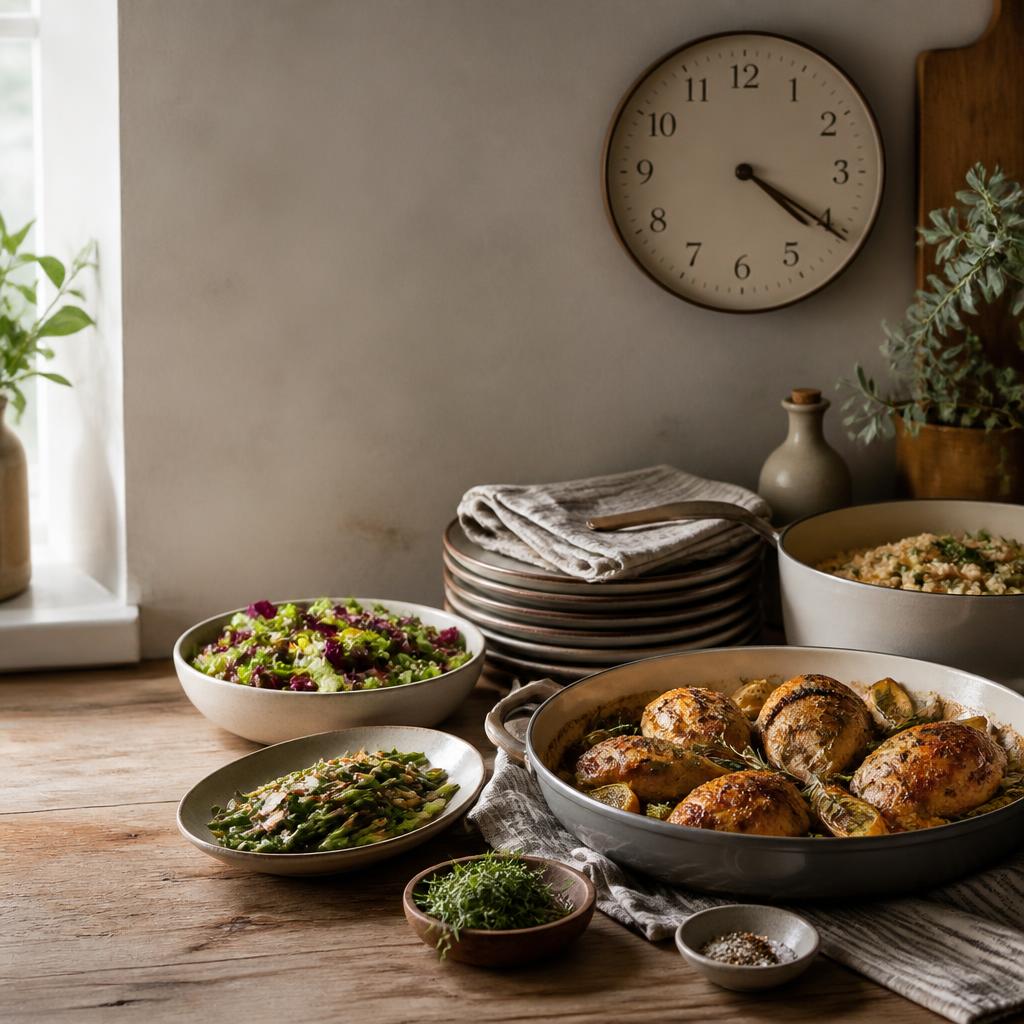
Dinner Timeline Builder
Work backward from serving time to prep and cooking start.
Planning
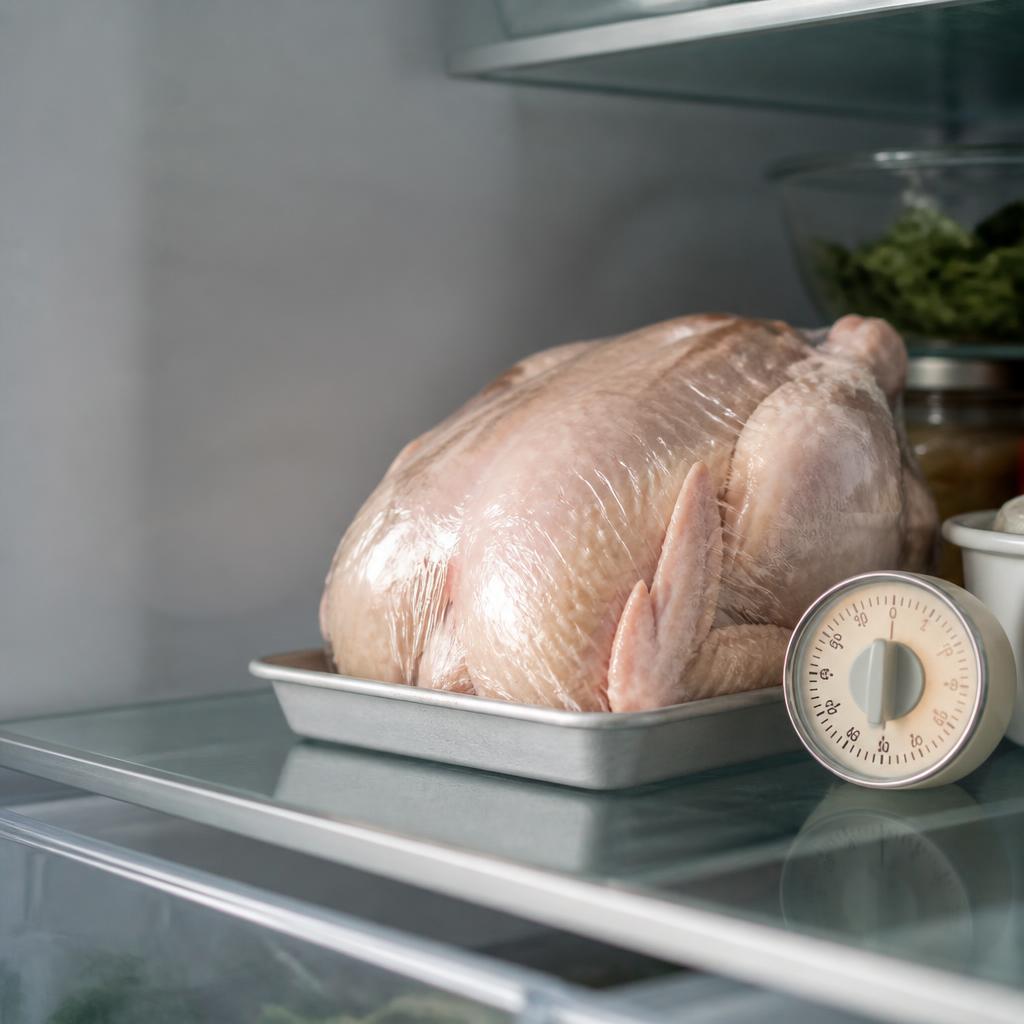
When Should I Start Defrosting?
Plan safe thawing and prep times around dinner.
Planning
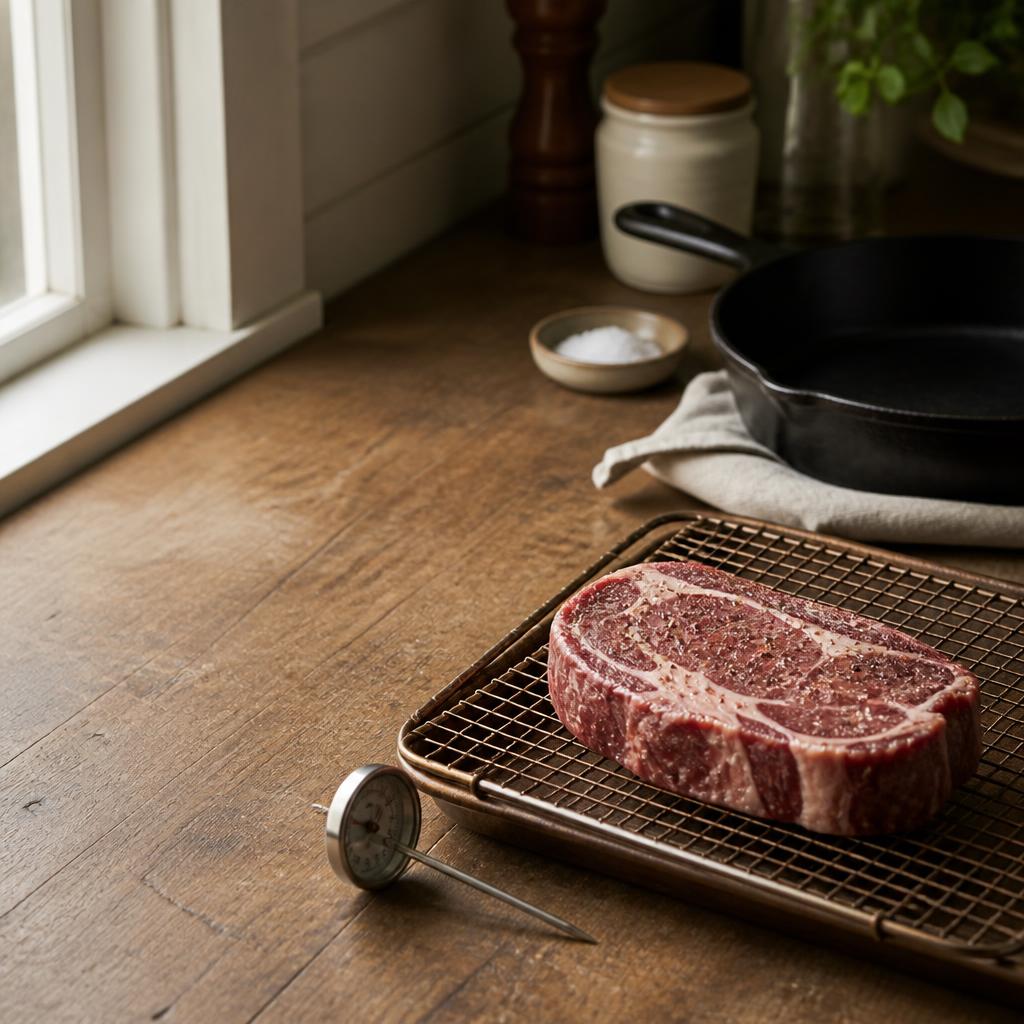
When Should I Reverse-Sear My Meat?
Plan the low-temperature phase, pull temperature, and final sear.
Planning
What Temperature Should I Pull My Roast?
Estimate carryover cooking before meat reaches its final temperature.
Planning
When Should I Start My Dry Brine?
Calculate salt and schedule a dry brine before cooking.
Planning
When Should I Start My Pizza Dough?
Build a dough formula and fermentation schedule for pizza night.

Planning
When Should I Start My Bread?
Estimate bulk fermentation, shaping, proofing, and bake timing.
Planning
When Should I Start My Thanksgiving Dinner?
Plan turkey size, sides, oven time, and the holiday schedule.
Planning
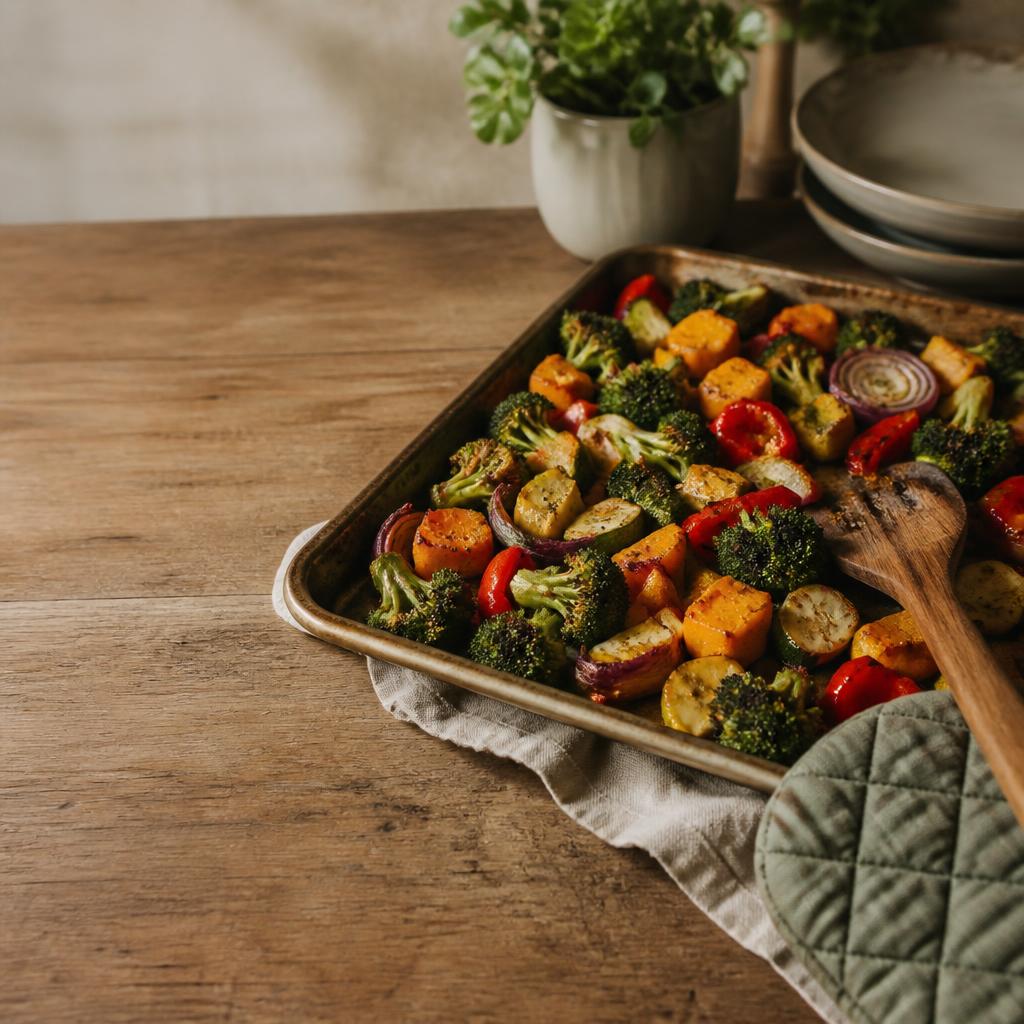
When Should I Start My Roast Vegetables?
Coordinate different vegetables so everything reaches the table together.