Planning
Brisket Timeline Calculator
Use brisket weight, pit temperature, and serving time to build a calm, padded timeline.
Practical guide
Build a brisket schedule that can absorb a slow cook
Why a padded timeline matters
Brisket is a poor choice for an exact minutes-per-pound promise. Thickness, the balance of point and flat, pit behavior, wrapping, and the stall can all change the cooking window. This calculator helps you work backward from serving time with a protected resting or holding allowance. Its value is showing how early the process may need to begin, not predicting the minute a particular brisket will soften. Start with the trimmed weight you intend to cook, and keep fuel, thermometer reliability, and weather in the practical plan.
Choose a size your household can use
For four to six people, a smaller cut can reduce leftovers, but a thin flat may dry out more easily than a whole packer. Do not assume that halving the weight halves the cook. Compare thickness and fat distribution, then choose a recipe suited to the cut. Prepare the rub, foil or paper if using it, drip protection, and serving equipment before the smoker becomes the main task. Clear refrigerator space for raw meat and later leftovers. Weighing the cut after substantial trimming gives the calculator a more meaningful starting point than the package weight alone.
Protect the long middle of the cook
Schedule checks for pit temperature and fuel rather than opening the lid repeatedly in response to a slow internal-temperature rise. If the brisket stalls, do not keep shifting the serving deadline without communicating the change. Use the estimate's buffer and the recipe's wrapping guidance where appropriate. For a larger gathering, finish beans or other sides using equipment that will remain available if the brisket needs extra time. A smoker loaded with meat and a kitchen oven reserved for holding leave less flexible space than the guest count alone suggests.
Distinguish tenderness from safe holding
Whole beef roasts have a USDA minimum of 145°F with a three-minute rest, but brisket is usually cooked substantially further to develop tenderness. A number on the thermometer alone does not establish that connective tissue has softened; check the recipe's tenderness cues as well. Once finished, keep any extended hot hold at 140°F or above and monitor it. An insulated cooler is not a regulated heating appliance, so verify the food stays hot rather than assuming insulation guarantees safety. Slice close to serving, and divide leftovers into smaller, shallow containers for prompt refrigeration.
References for this guide
Methodology
How we calculate this
Brisket time is a planning estimate based on weight, pit temperature, and a protected holding window.
The math
- Estimated cook = weight × 1.25 hr/lb at 225–250°F
- Estimated cook = weight × 1 hr/lb at 275°F
- Start = serving time − cook estimate − 2-hour hold
Worked example
A 12 lb brisket at 250°F gets a 15-hour cook estimate plus a 2-hour hold. Tenderness, not the clock, determines when it is done.
Frequently asked questions
Helpful answers
How early should I start a brisket for a noon barbecue?
Start with a generous window because briskets can stall and vary by thickness, grade, and pit conditions. Finishing early is preferable because a properly held brisket can rest for hours.
Can I hold brisket after it is done without drying it out?
Yes. Keep it wrapped in a controlled warm environment after it is fully cooked. Keep it above 140°F for food safety and avoid holding it so long that the texture becomes soft.
Why did my brisket take longer than the usual hours-per-pound estimate?
The stall, pit temperature, fat content, and brisket thickness all affect timing. Probe tenderness is a better finish indicator than a fixed per-pound estimate.
A practical starting point
Use the result as a planning estimate, then trust the ingredients, your thermometer, and the food in front of you. This tool is designed to make the first calculation easier—not to replace good kitchen judgment.
Embed this tool
Add this utility to a cooking blog or resource page.
If you found this calculator useful, you’re welcome to cite or link to the Brisket Timeline Calculator in your own words.
<div class="topshelf-tool">
  <iframe src="https://www.topshelf.recipes/tools/brisket-timeline-calculator?embed=1" title="Brisket Timeline Calculator" loading="lazy" style="width:100%;min-height:420px;border:0"></iframe>
  <p><a href="https://www.topshelf.recipes/tools/brisket-timeline-calculator?utm_source=embedded_tool" target="_top" rel="nofollow">Use the Brisket Timeline Calculator on TopShelf Recipes</a></p>
</div>
More planning tools
View all tools
Planning
Meat Doneness Calculator
Find the pull temperature for juicy, properly rested meat.
Planning
Turkey Cooking Planner
Work backward from dinner for roasted, smoked, grilled, or deep-fried turkey.
Planning
Smoking Time Calculator
Estimate smoking time and temperature for meats, seafood, cheese, and more.
Planning
Sous-Vide Calculator
Find a water-bath temperature and timing for the food you are cooking.

Planning
Sous-Chef
Ask a cooking question and get practical help from your kitchen sidekick.

Planning
Kitchen Reminders
Email yourself at a set time or when a kitchen timer finishes.
Planning
Dinner Timeline Builder
Work backward from serving time to prep and cooking start.
Planning
When Should I Start Defrosting?
Plan safe thawing and prep times around dinner.
Planning
When Should I Reverse-Sear My Meat?
Plan the low-temperature phase, pull temperature, and final sear.
Planning
What Temperature Should I Pull My Roast?
Estimate carryover cooking before meat reaches its final temperature.
Planning
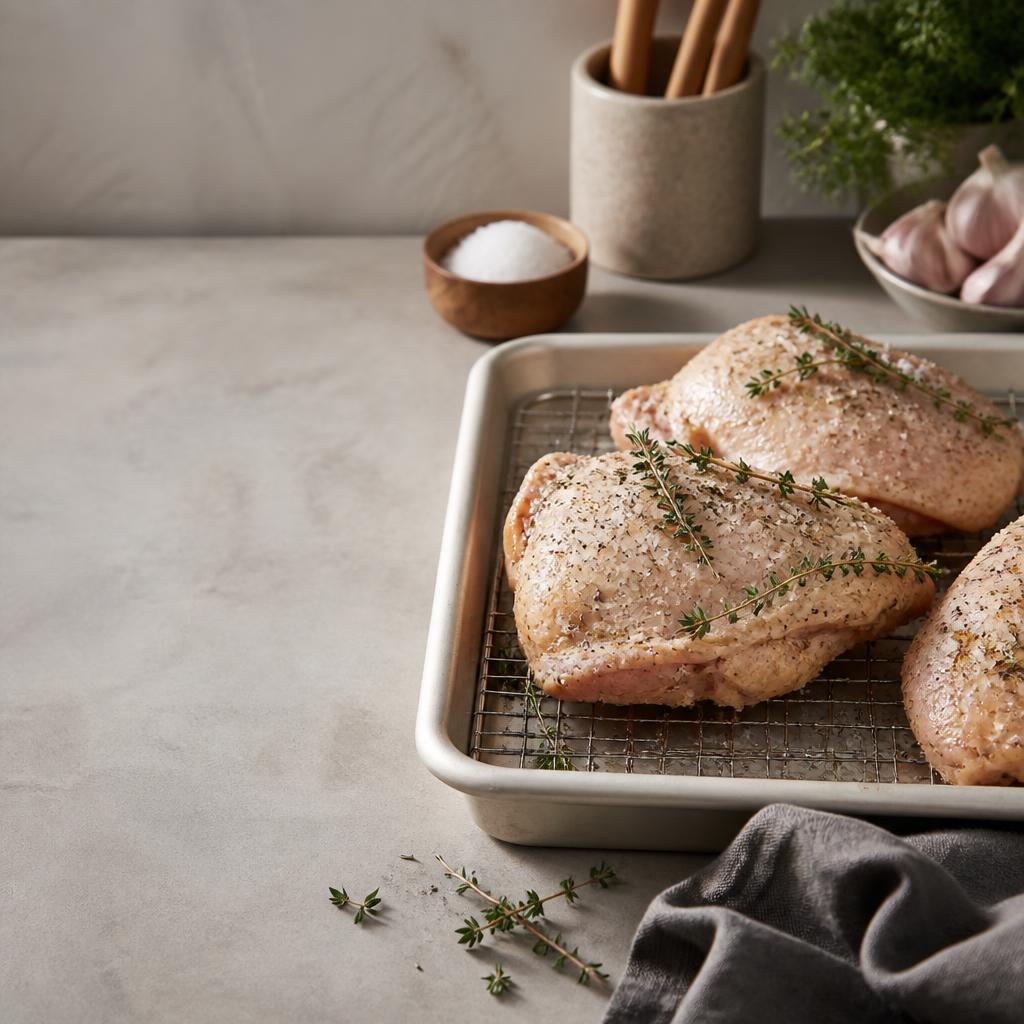
When Should I Start My Dry Brine?
Calculate salt and schedule a dry brine before cooking.
Planning
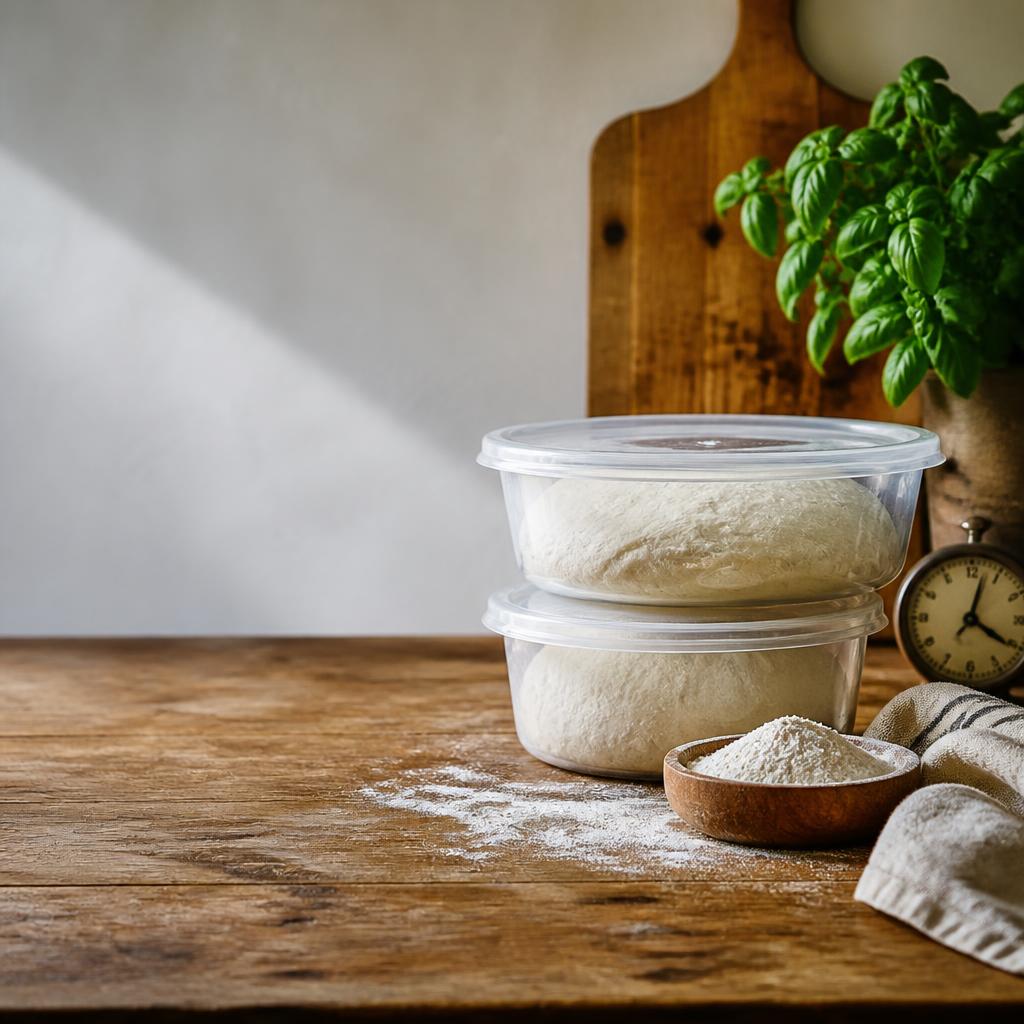
When Should I Start My Pizza Dough?
Build a dough formula and fermentation schedule for pizza night.
Planning
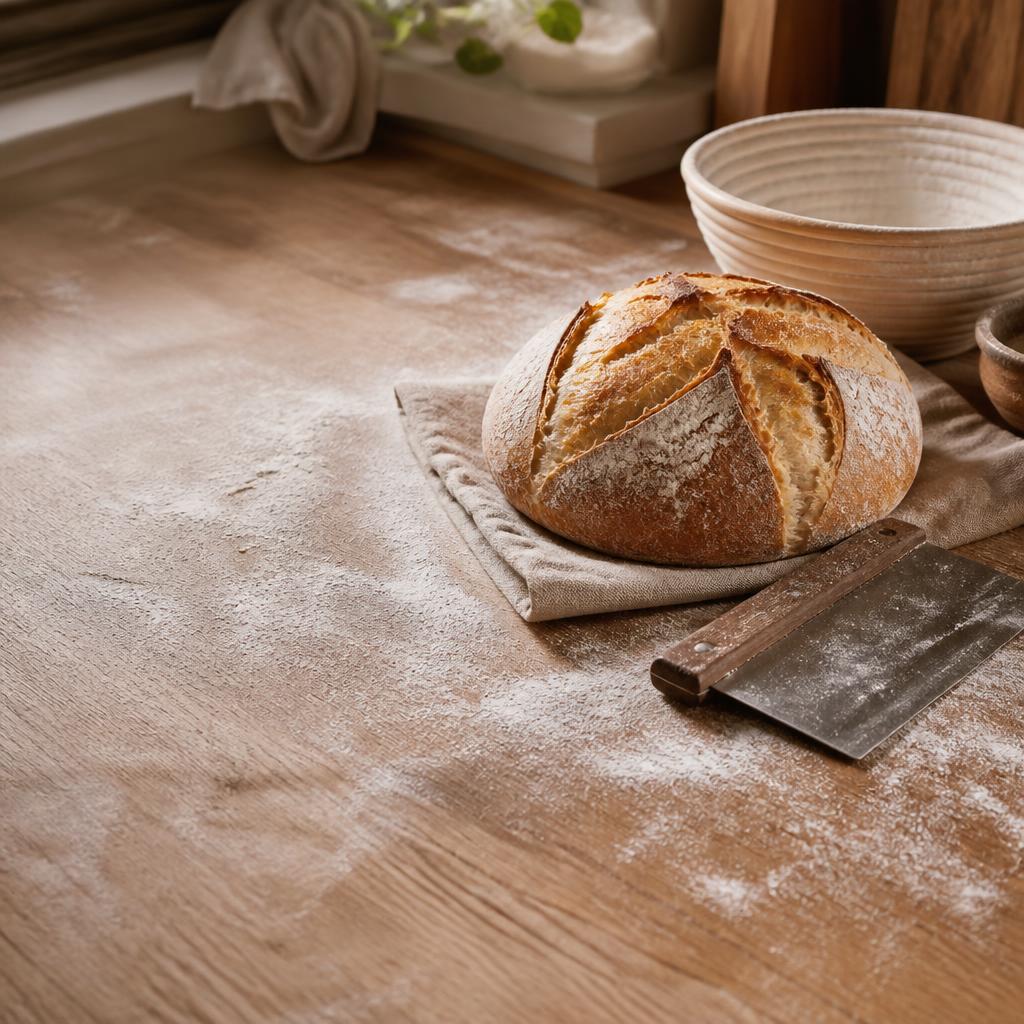
When Should I Start My Bread?
Estimate bulk fermentation, shaping, proofing, and bake timing.
Planning
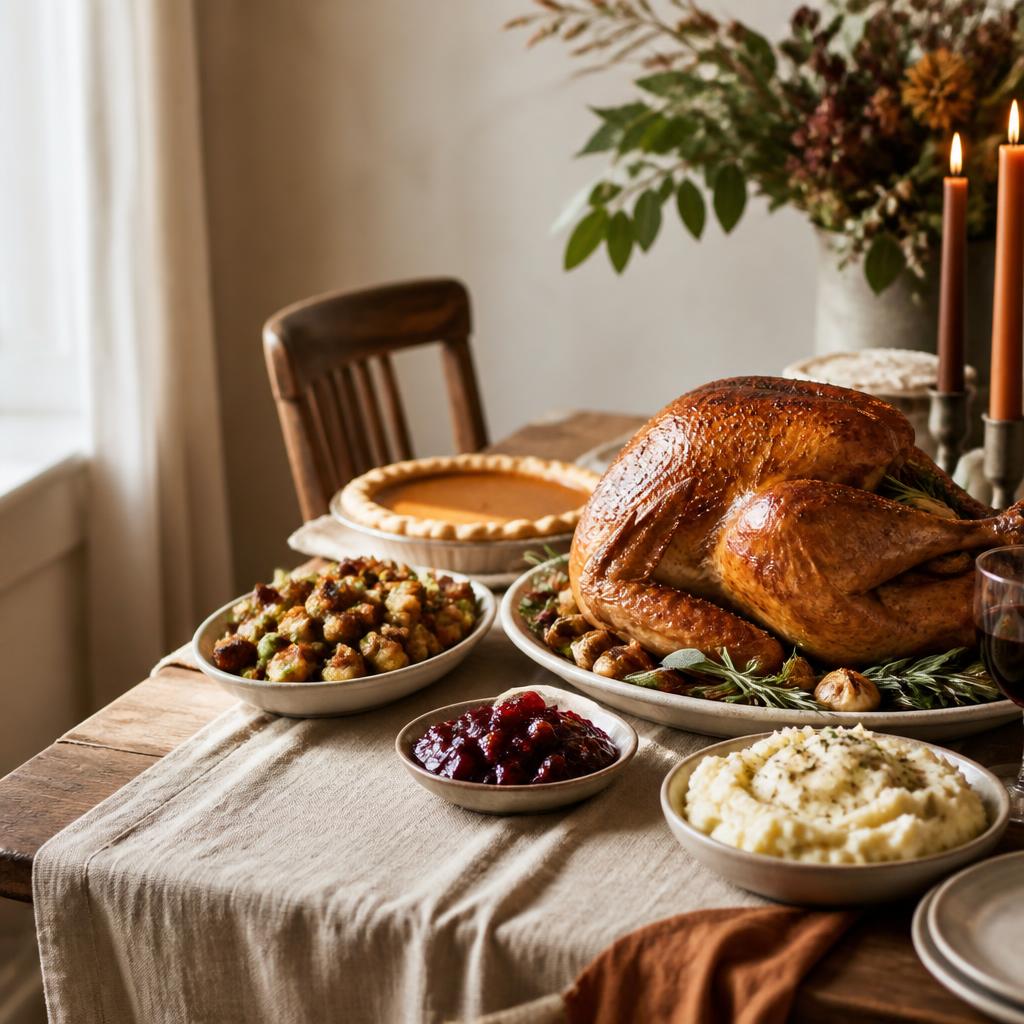
When Should I Start My Thanksgiving Dinner?
Plan turkey size, sides, oven time, and the holiday schedule.
Planning
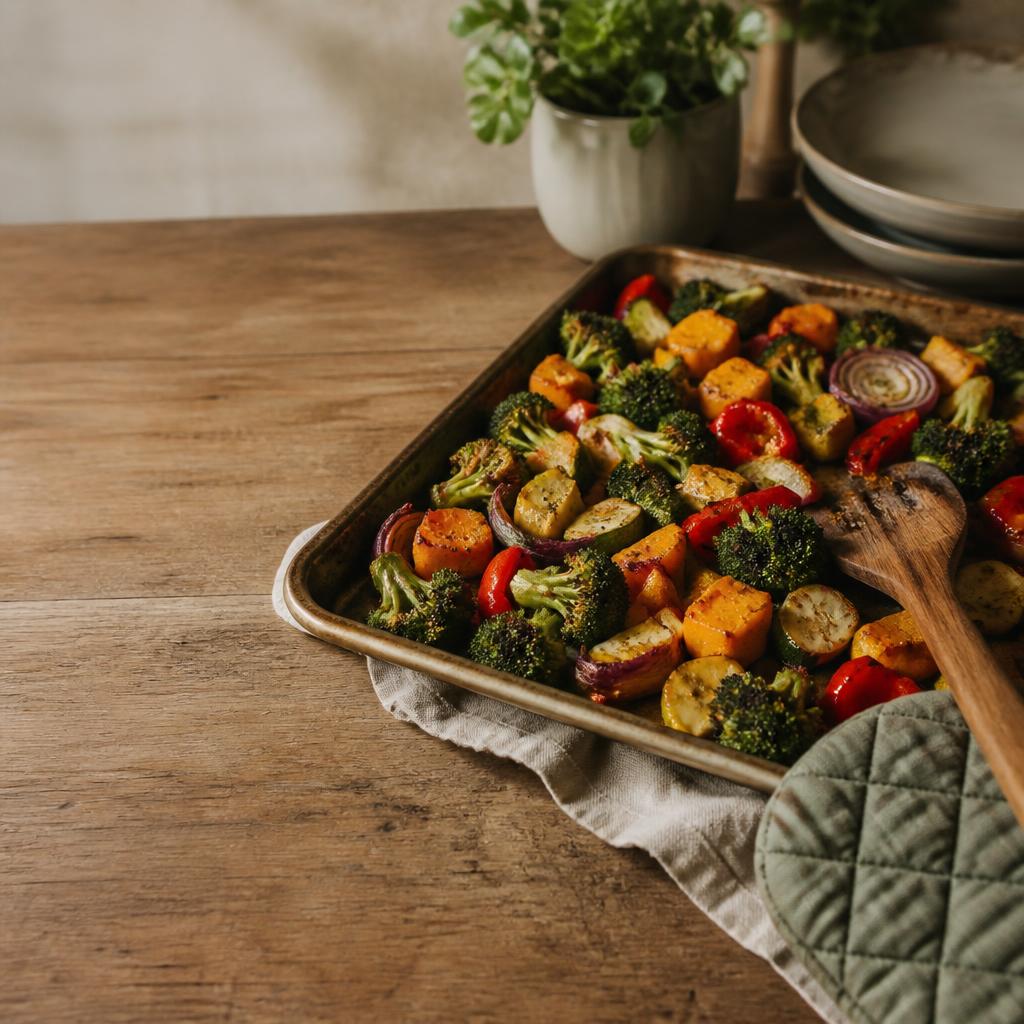
When Should I Start My Roast Vegetables?
Coordinate different vegetables so everything reaches the table together.