Planning
Meat Doneness Calculator
Choose a meat and doneness to see the target serving temperature, pull temperature, and a practical carryover-cooking estimate.
Practical guide
Use temperature to make the doneness decision
Separate preference from a safety target
A doneness description tells you the eating quality someone wants; it does not automatically describe a safe cooking process. This calculator connects a meat choice and preferred doneness with a serving target and an estimated pull temperature. Use those numbers to organize checking, resting, and finishing, not as proof that the food is safe. USDA guidance for whole beef, pork, lamb, and veal steaks, chops, and roasts is 145°F followed by at least a three-minute rest. Ground meats and poultry require different minimum temperatures, regardless of preferred color.
Measure the food, not the pan
Insert a food thermometer into the thickest part, avoiding bone, large fat pockets, and contact with the cooking surface. For a thin steak or chop, approaching from the side can place the sensing area nearer the center. Check more than one place on a large roast. For four individual portions, check the thickest and thinnest pieces separately rather than assuming the tray cooks uniformly. A hot pan, a browned crust, and clear juices cannot tell you the center temperature with the reliability of a correctly positioned thermometer.
Fit the rest into dinner
For a family of four, prepare the salad, serving board, and plates before the meat reaches its target so the resting period is actually available. For six portions cooked in batches, do not leave the first batch sitting indefinitely while the last one finishes. Decide whether the oven can hold finished food safely or whether another cooking surface would reduce the delay. Keep raw-meat utensils away from finished meat, and use a clean plate after cooking. A useful timeline includes preparation, cooking, temperature checks, resting, and the last-minute sauce—not just the estimated minutes over heat.
Treat carryover as something to observe
The temperature may rise after food leaves the heat, particularly in a large roast, but the amount varies with size, cooking temperature, shape, and resting conditions. Do not remove meat below the recommended safe minimum merely because a calculator predicts a rise. If a preferred doneness is below USDA's recommendation, the estimate is not a validated alternative safety process. Verify the appropriate minimum before removal and the required rest afterward. Record your actual readings if you want more useful estimates for the same cut and method next time, rather than trusting an assumed fixed temperature increase.
References for this guide
Methodology
How we calculate this
The calculator starts with the selected final temperature and subtracts a practical carryover allowance for resting.
The math
- Pull temperature = target final temperature − estimated carryover rise
- Current allowance = 5°F for chicken; 7°F for other listed meats
Worked example
For medium beef at 145°F, the suggested starting pull temperature is 138°F. Verify the final temperature in the thickest part.
Frequently asked questions
Helpful answers
Why should steak come off the grill before it reaches medium-rare?
Its center often rises a few degrees while resting as heat redistributes. Pull temperature depends on thickness and heat level, so confirm the final result with a thermometer.
What temperature is safe for pork tenderloin that is still slightly pink?
Whole-muscle pork is generally considered safe at 145°F followed by a three-minute rest. Check the thickest part with a reliable thermometer and follow current local guidance.
How do I avoid overcooking a thick ribeye?
Cook gently or use a two-zone fire, then check the center early with an instant-read thermometer. Resting and carryover cooking matter more with a thick steak.
A practical starting point
Use the result as a planning estimate, then trust the ingredients, your thermometer, and the food in front of you. This tool is designed to make the first calculation easier—not to replace good kitchen judgment.
Embed this tool
Add this utility to a cooking blog or resource page.
If you found this calculator useful, you’re welcome to cite or link to the Meat Doneness Calculator in your own words.
<div class="topshelf-tool">
  <iframe src="https://www.topshelf.recipes/tools/meat-doneness-calculator?embed=1" title="Meat Doneness Calculator" loading="lazy" style="width:100%;min-height:420px;border:0"></iframe>
  <p><a href="https://www.topshelf.recipes/tools/meat-doneness-calculator?utm_source=embedded_tool" target="_top" rel="nofollow">Use the Meat Doneness Calculator on TopShelf Recipes</a></p>
</div>
More planning tools
View all tools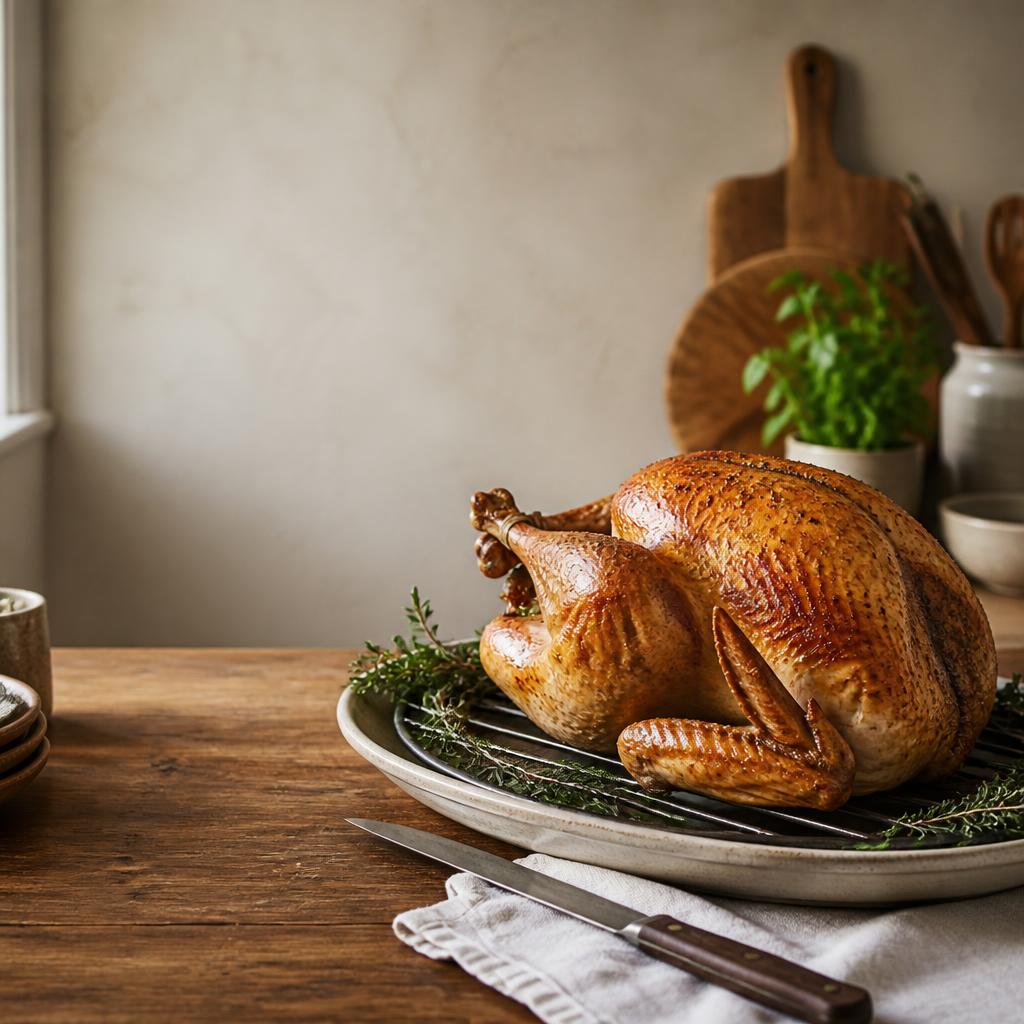
Planning
Turkey Cooking Planner
Work backward from dinner for roasted, smoked, grilled, or deep-fried turkey.
Planning
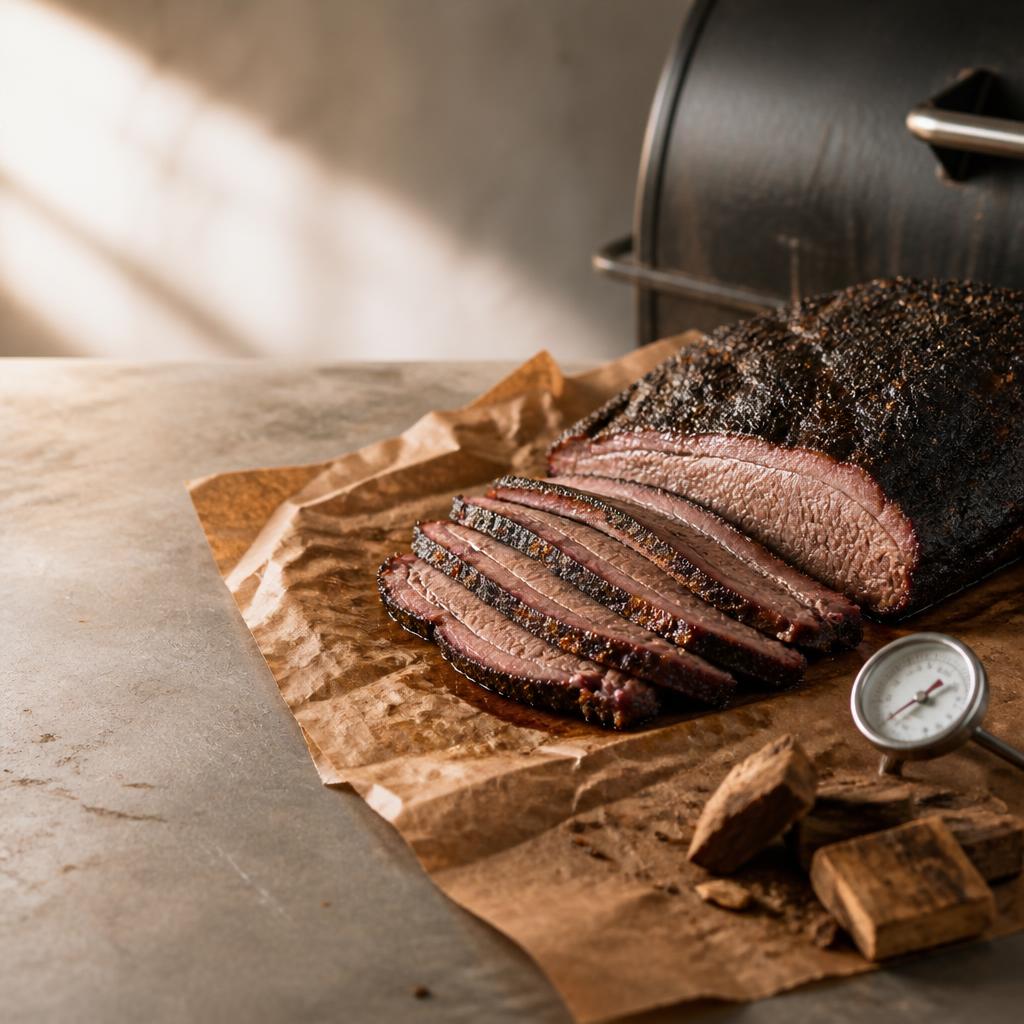
Brisket Timeline Calculator
Estimate when to start a brisket, including the rest.
Planning
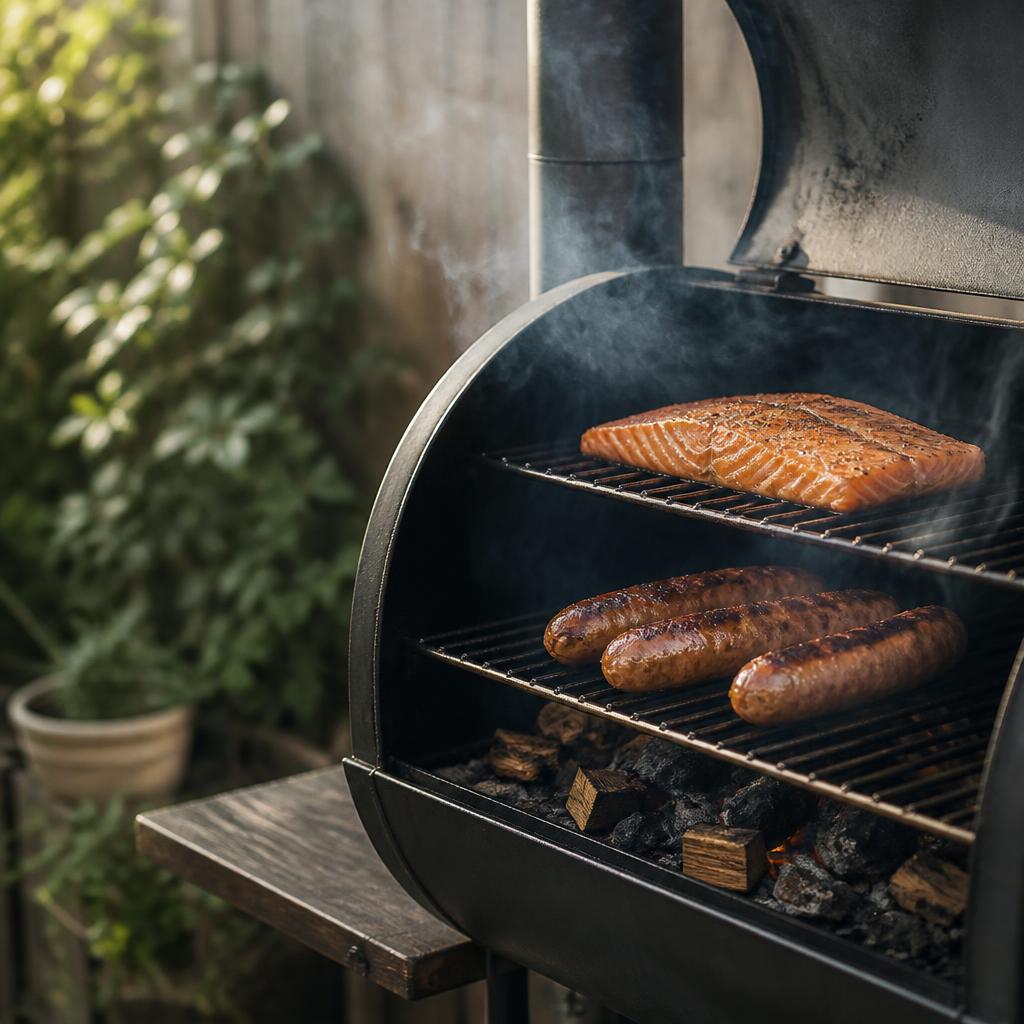
Smoking Time Calculator
Estimate smoking time and temperature for meats, seafood, cheese, and more.
Planning
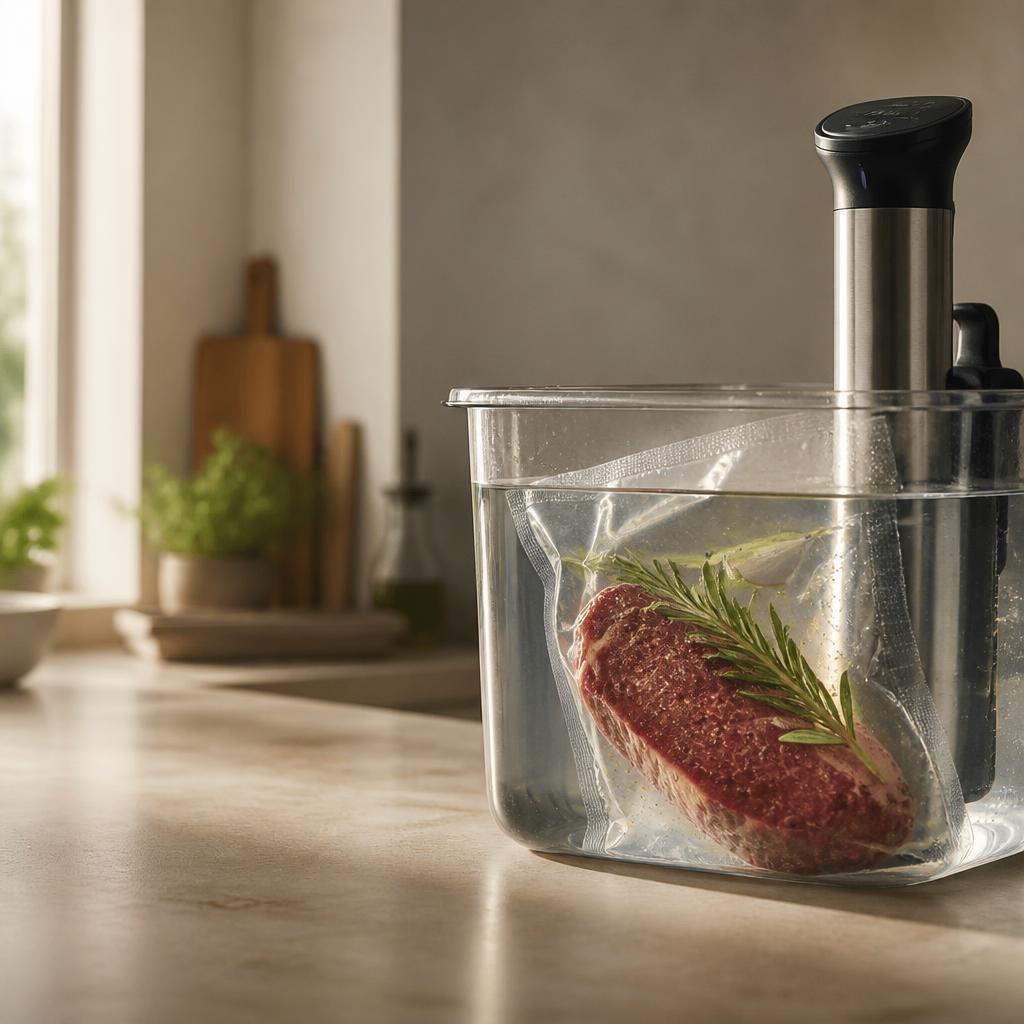
Sous-Vide Calculator
Find a water-bath temperature and timing for the food you are cooking.

Planning
Sous-Chef
Ask a cooking question and get practical help from your kitchen sidekick.

Planning
Kitchen Reminders
Email yourself at a set time or when a kitchen timer finishes.
Planning
Dinner Timeline Builder
Work backward from serving time to prep and cooking start.
Planning
When Should I Start Defrosting?
Plan safe thawing and prep times around dinner.
Planning
When Should I Reverse-Sear My Meat?
Plan the low-temperature phase, pull temperature, and final sear.
Planning
What Temperature Should I Pull My Roast?
Estimate carryover cooking before meat reaches its final temperature.
Planning
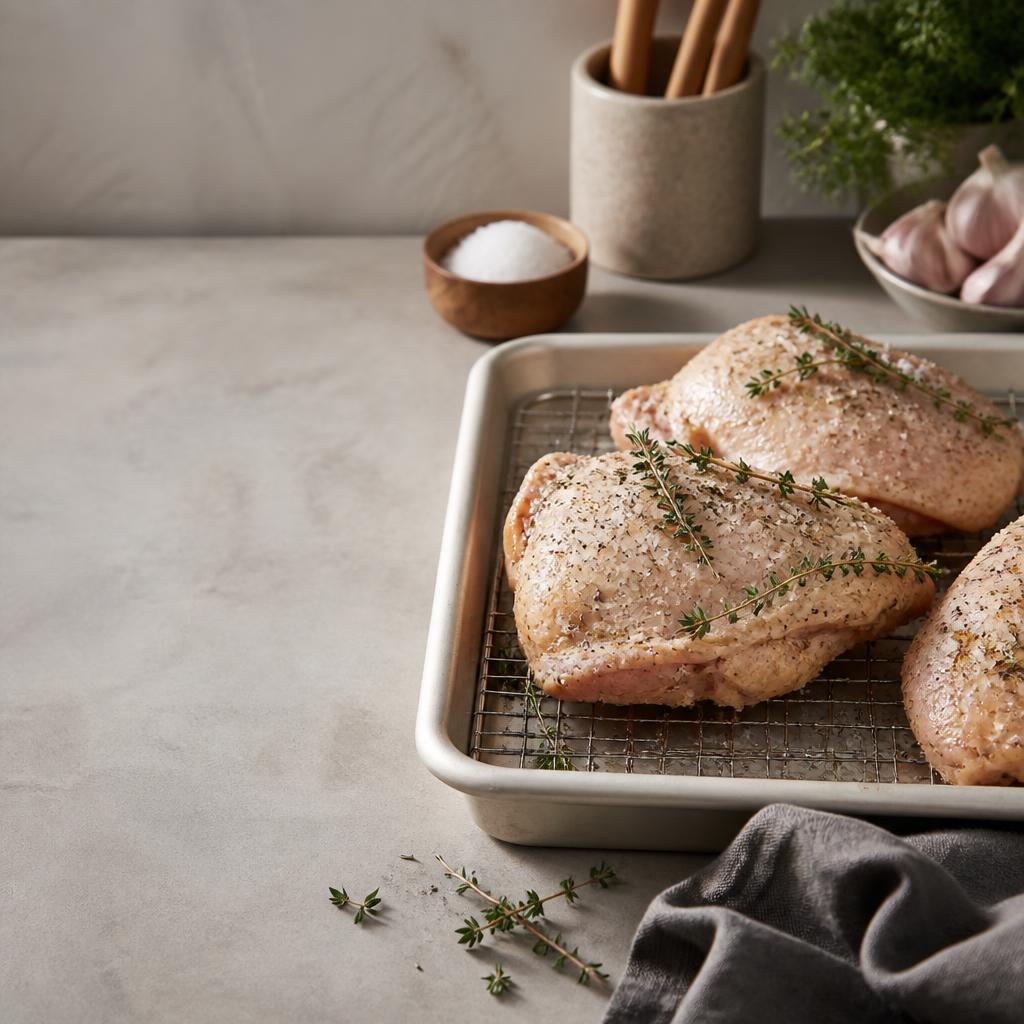
When Should I Start My Dry Brine?
Calculate salt and schedule a dry brine before cooking.
Planning
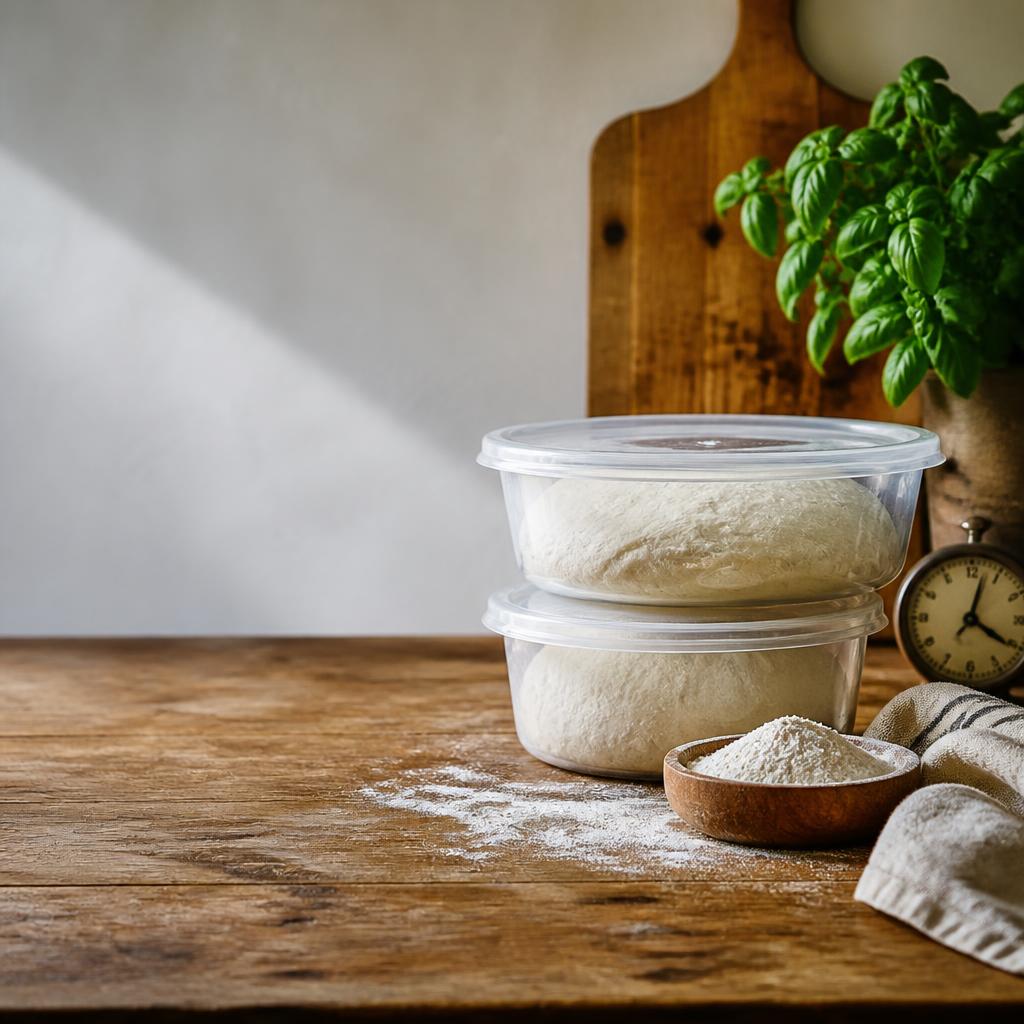
When Should I Start My Pizza Dough?
Build a dough formula and fermentation schedule for pizza night.
Planning
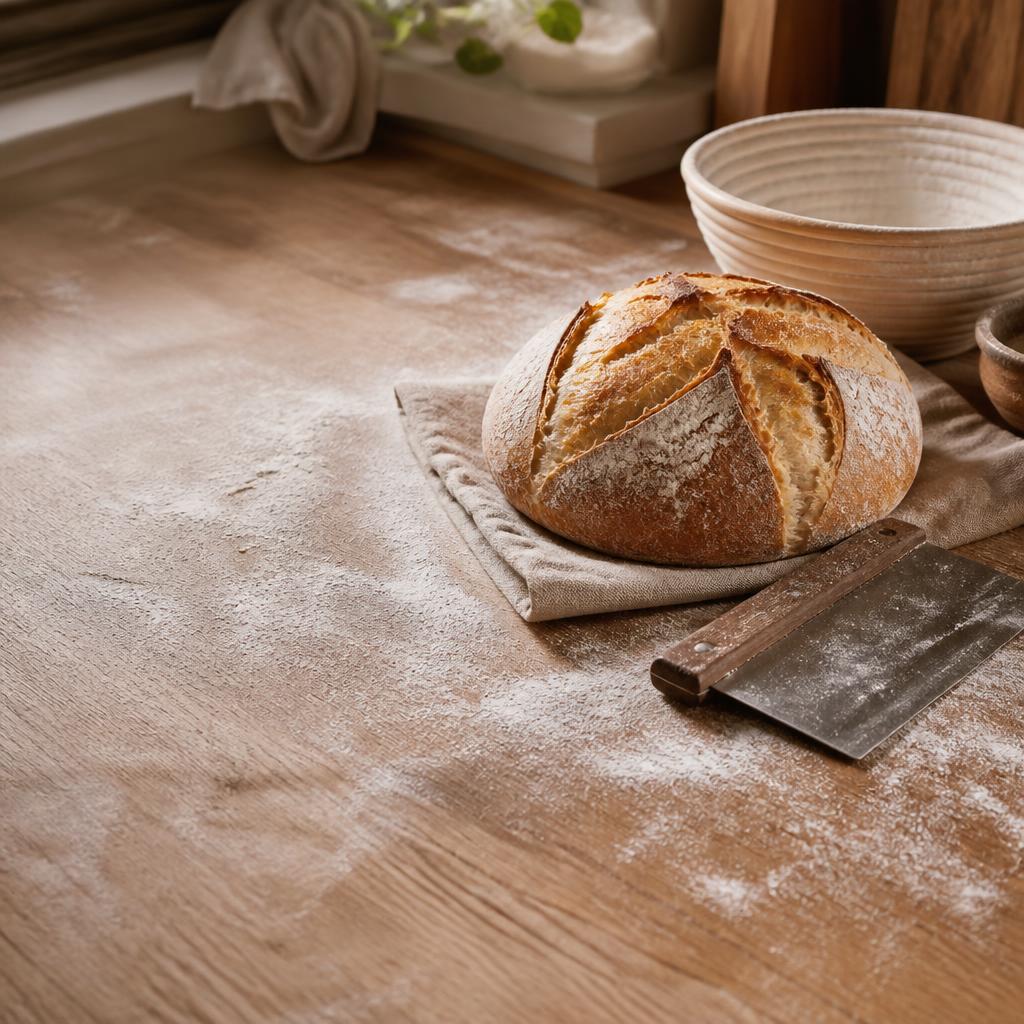
When Should I Start My Bread?
Estimate bulk fermentation, shaping, proofing, and bake timing.
Planning
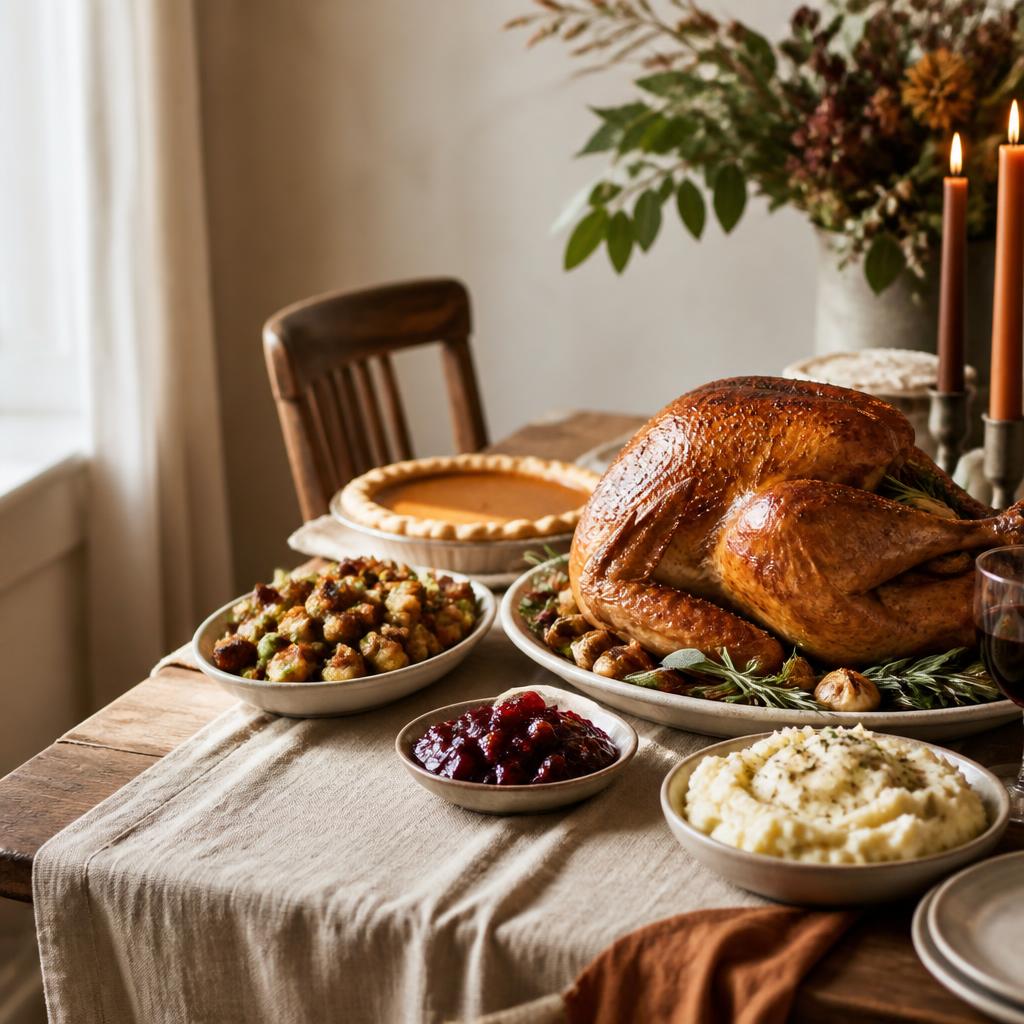
When Should I Start My Thanksgiving Dinner?
Plan turkey size, sides, oven time, and the holiday schedule.
Planning
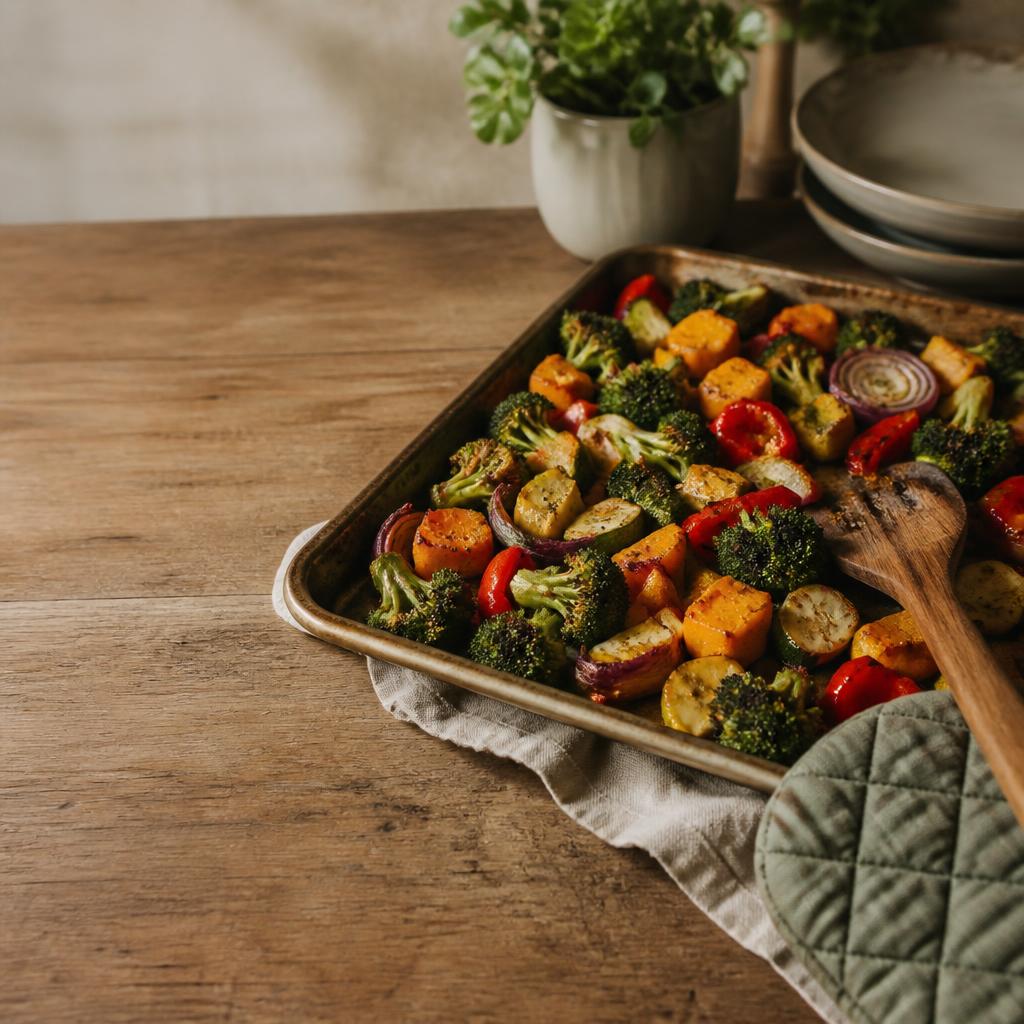
When Should I Start My Roast Vegetables?
Coordinate different vegetables so everything reaches the table together.