Planning
What Temperature Should I Pull My Roast?
Choose the meat, size, method, and target final temperature to get a practical pull-temperature estimate.
Pull at about 130°F
This estimate allows for roughly 15°F of carryover cooking on the way to a 145°F final temperature.
- •Larger, hotter roasts retain more heat and usually rise more than thin steaks or fish.
- •Rest on a warm plate and recheck the center; actual carryover varies with shape, heat, and room temperature.
Practical guide
Understand the temperature rise after cooking
What carryover actually describes
After meat leaves a hot oven or grill, heat already stored in its warmer outer layers continues moving toward the cooler center. The center temperature can therefore rise during rest. This calculator estimates that change from the food, size, and cooking method so you can understand why a roast may finish hotter than the reading at removal. It does not add heat from nowhere, and it cannot guarantee a particular rise. Large roasts cooked at high heat generally have a different temperature gradient from small pieces cooked gently.
Give the calculator a realistic starting point
Choose the actual meat and method, then use the cut's size rather than the number of diners as your input. A 3-pound roast for four people and six small chops for six people are not equivalent thermal situations. Decide where the meat will rest and how you will cover it; a tight cover and a warm tray can change the outcome. Place the thermometer near the center and take readings in more than one location if the shape is uneven. Avoid using the temperature of a fat seam or a spot beside bone as the representative result.
Use resting time to finish the meal
Prepare the serving board, knife, sauce, and plates before the roast comes out. The resting window can free oven space for a quick finishing task, but a side dish requiring a long bake cannot be squeezed into a short rest simply because the oven is available. For a family of six, allow enough time to carve and portion the roast after resting. Keep any raw-meat tools separate from carving tools. Record the temperature at removal and during rest so you learn what happens with your equipment instead of repeatedly relying on a generic predicted increase.
Do not subtract away the safety minimum
USDA guidance for whole beef, pork, lamb, and veal is to reach 145°F before removal from the heat and then rest at least three minutes. Poultry needs 165°F, and ground beef or pork needs 160°F. Do not remove food below those minimums solely because this calculator predicts it will become hotter later. If a reading remains below the relevant minimum, continue cooking rather than waiting for an assumed rise. Carryover is especially uncertain with thin pieces or low-temperature methods. Treat the estimate as an explanation and planning aid, not as a replacement for a verified cooking endpoint.
References for this guide
Methodology
How we calculate this
The estimated temperature rise combines cooking method, food size, and a small food-type adjustment.
The math
- Carryover rise = method allowance + size allowance + food adjustment
- Pull temperature = target final temperature − estimated rise
Worked example
A large oven roast targeting 145°F may receive a 15°F carryover estimate, producing a 130°F suggested pull point.
Frequently asked questions
Helpful answers
How many degrees does meat rise while resting?
Thin cuts may rise only 2°F to 5°F, while large roasts can rise 10°F to 15°F or more. Size, cooking temperature, and shape all affect carryover.
Does carryover cooking happen with fish?
Yes, but usually by only a few degrees because fillets are relatively thin. Remove delicate fish early and check the thickest part.
Why does a roast keep cooking after it leaves the oven?
The hotter exterior continues transferring heat toward the cooler center. Larger foods hold more stored heat, producing a greater temperature rise.
A practical starting point
Use the result as a planning estimate, then trust the ingredients, your thermometer, and the food in front of you. This tool is designed to make the first calculation easier—not to replace good kitchen judgment.
Embed this tool
Add this utility to a cooking blog or resource page.
If you found this calculator useful, you’re welcome to cite or link to the What Temperature Should I Pull My Roast? in your own words.
<div class="topshelf-tool">
  <iframe src="https://www.topshelf.recipes/tools/carryover-cooking-calculator?embed=1" title="What Temperature Should I Pull My Roast?" loading="lazy" style="width:100%;min-height:420px;border:0"></iframe>
  <p><a href="https://www.topshelf.recipes/tools/carryover-cooking-calculator?utm_source=embedded_tool" target="_top" rel="nofollow">Use the What Temperature Should I Pull My Roast? on TopShelf Recipes</a></p>
</div>
More planning tools
View all tools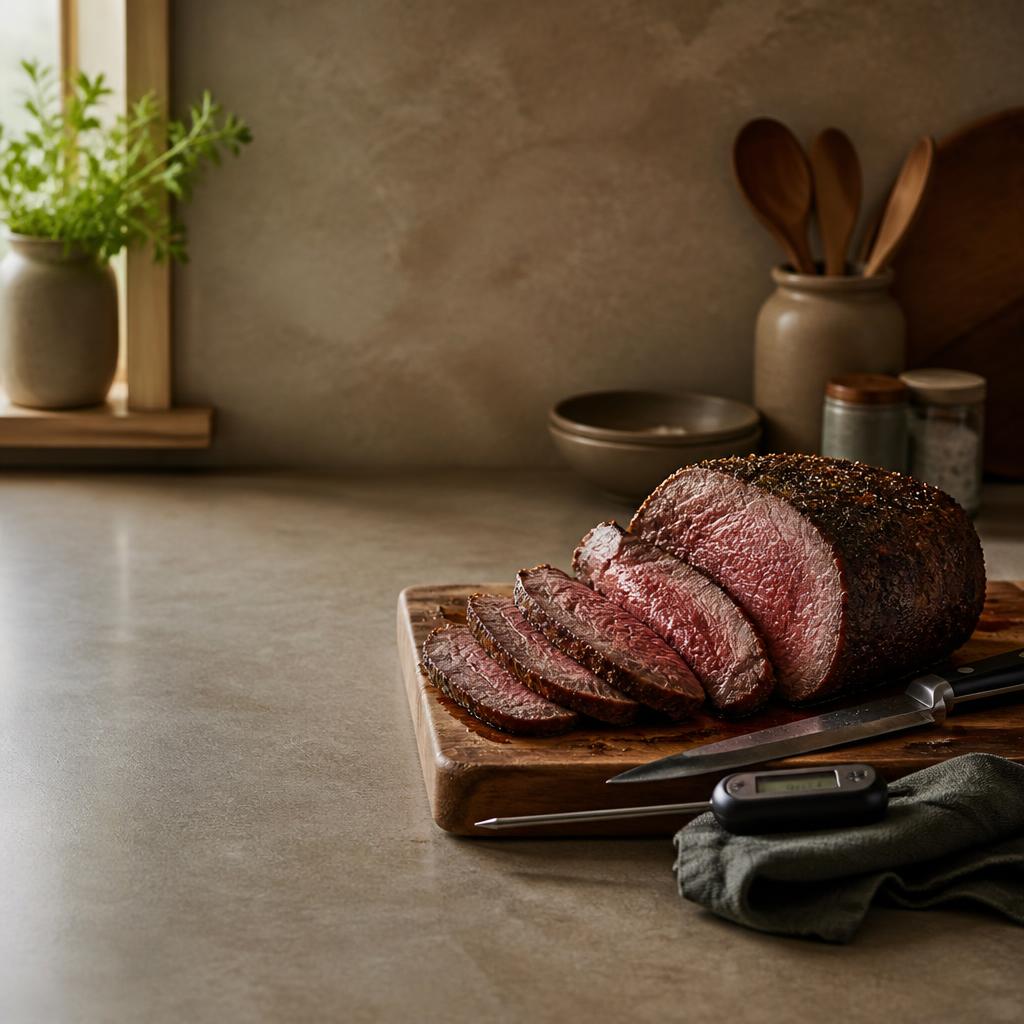
Planning
Meat Doneness Calculator
Find the pull temperature for juicy, properly rested meat.
Planning
Turkey Cooking Planner
Work backward from dinner for roasted, smoked, grilled, or deep-fried turkey.
Planning
Brisket Timeline Calculator
Estimate when to start a brisket, including the rest.
Planning
Smoking Time Calculator
Estimate smoking time and temperature for meats, seafood, cheese, and more.
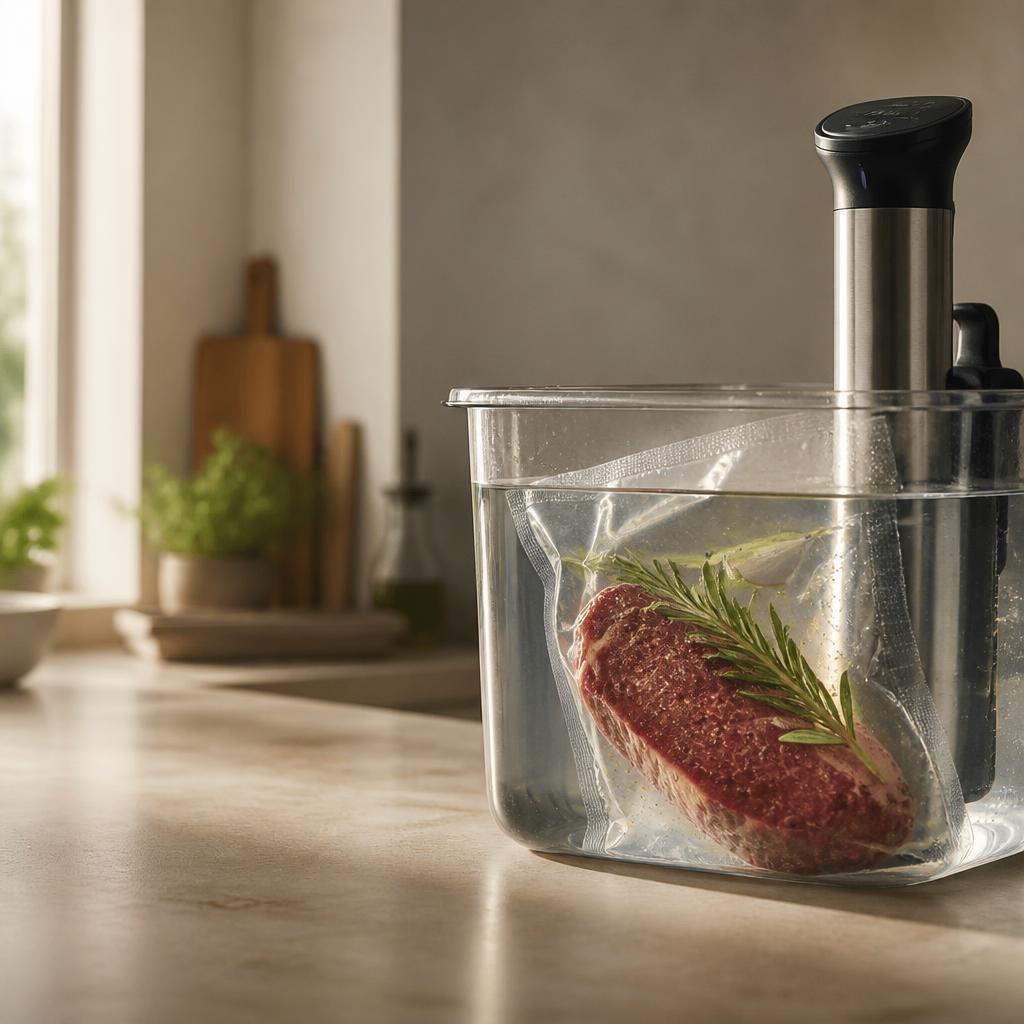
Planning
Sous-Vide Calculator
Find a water-bath temperature and timing for the food you are cooking.
Planning
Sous-Chef
Ask a cooking question and get practical help from your kitchen sidekick.

Planning
Kitchen Reminders
Email yourself at a set time or when a kitchen timer finishes.
Planning
Dinner Timeline Builder
Work backward from serving time to prep and cooking start.
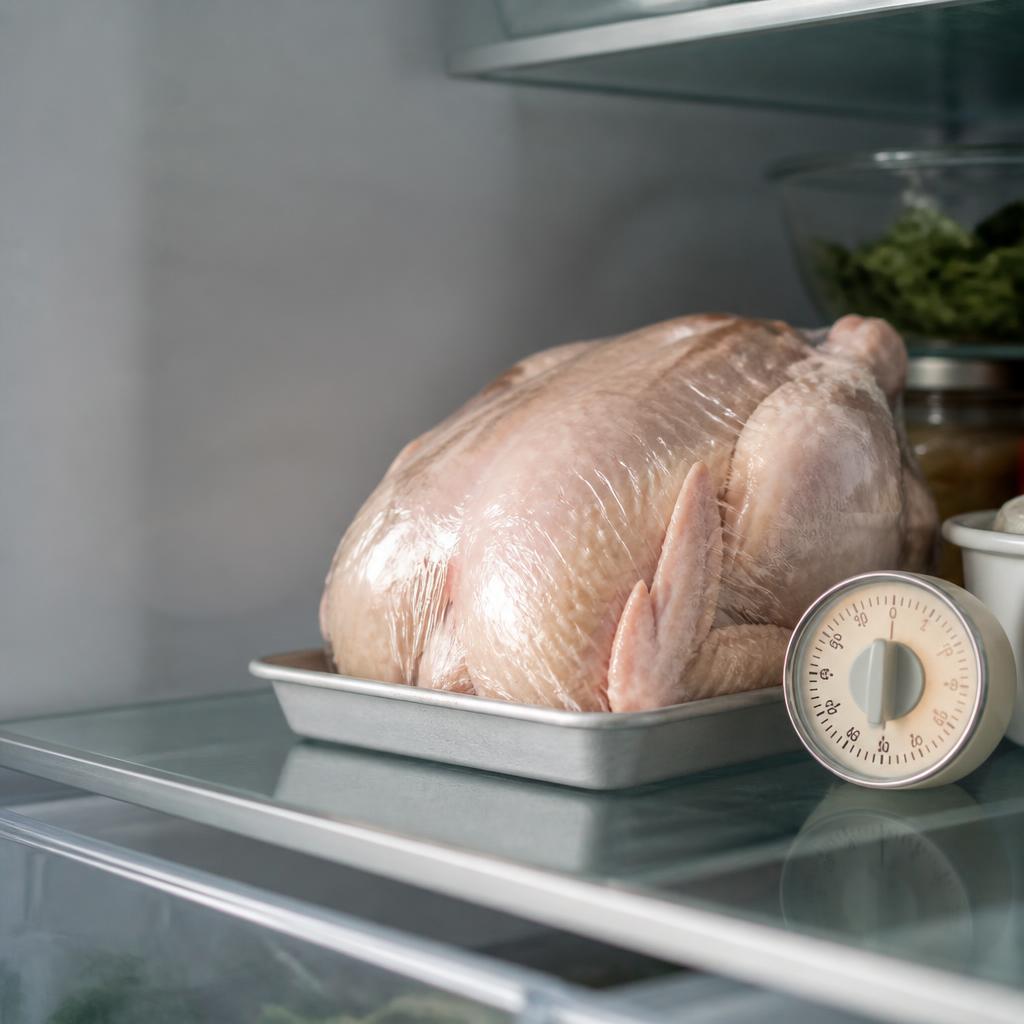
Planning
When Should I Start Defrosting?
Plan safe thawing and prep times around dinner.
Planning
When Should I Reverse-Sear My Meat?
Plan the low-temperature phase, pull temperature, and final sear.
Planning
When Should I Start My Dry Brine?
Calculate salt and schedule a dry brine before cooking.
Planning
When Should I Start My Pizza Dough?
Build a dough formula and fermentation schedule for pizza night.
Planning
When Should I Start My Bread?
Estimate bulk fermentation, shaping, proofing, and bake timing.
Planning
When Should I Start My Thanksgiving Dinner?
Plan turkey size, sides, oven time, and the holiday schedule.
Planning
When Should I Start My Roast Vegetables?
Coordinate different vegetables so everything reaches the table together.