Planning
Sous-Vide Calculator
Choose an ingredient and thickness to get a practical sous-vide temperature and cooking window.
Practical guide
Plan the water bath without confusing warming with pasteurization
What the calculation helps with
Sous-vide cooking uses a controlled water bath to bring food toward a chosen temperature with less temperature variation than a hot pan. This calculator suggests a bath setting and practical timing window for the selected food and thickness. It can help coordinate preparation and a final sear, but it is not a validated pasteurization table. Reaching a bath temperature, warming the center, and holding the center long enough for a particular safety process are different events. A sealed bag does not make undercooked food safe or extend its storage life automatically.
Set up a manageable family batch
For four portions, choose pieces with similar thickness so their heating needs are comparable. Package them in suitable food-contact bags, keep them in a single layer, and leave space for water circulation. Six portions may need a larger vessel rather than a higher temperature. Confirm that the water stays between the appliance's minimum and maximum marks, that bags remain submerged, and that the circulator can heat the full load. Begin with properly refrigerated ingredients and prevent raw juices from contaminating the searing area, serving plate, or the outside of clean equipment.
Reserve time for the finish
A water bath does not brown a steak or crisp chicken skin. Before the bath session ends, prepare the skillet or grill, dry the food's surface, and have the remaining meal ready. Searing several portions can become the actual dinner bottleneck: a crowded pan cools down and steams the food. Work in manageable batches with a plan for serving them promptly. Do not leave sealed bags on the counter while waiting for other dishes. If the tool's suggested schedule cannot accommodate your equipment, move the serving time rather than assuming a shorter bath produces the same result.
Know when a different reference is needed
USDA's straightforward consumer minimums remain a useful reference: poultry 165°F, ground meats 160°F, and whole beef, pork, lamb, or veal 145°F with a three-minute rest. Lower-temperature sous-vide cooking requires an appropriate, validated time-and-temperature process for the exact food and thickness; this calculator does not establish one. Choose a conventional safe-temperature method when that information is unavailable, especially for vulnerable diners. If you intend to chill and store bagged food, follow a validated cooling and storage method rather than treating an estimated cooking window as shelf-life guidance. For ordinary leftovers, refrigerate promptly and reheat to 165°F.
References for this guide
Methodology
How we calculate this
Each food has a baseline bath temperature and time window. Thickness adjustments extend heating time for foods where center temperature is thickness-dependent.
The math
- Adjusted time = base time × thickness factor
- Current factors: standard 1×, thick 1.25×, very thick 1.5×
- Long-tenderizing foods use a fixed food-specific window
Worked example
A 90-minute baseline with a 1.25 thickness factor becomes about 115 minutes after rounding to five-minute increments.
Frequently asked questions
Helpful answers
How long should a 1-inch steak cook sous vide before searing?
About 1 to 2 hours is commonly enough to heat a 1-inch steak through at the selected bath temperature. Thickness, not weight, drives heating time.
Can I cook chicken breast sous vide at 150°F?
Time and temperature work together for pasteurization, so lower temperatures require enough holding time. Use a tested safety reference and an accurately controlled bath.
Why is my sous-vide pork chop gray after searing?
The sear may be too long or the surface may still be wet. Dry the chop thoroughly, preheat the pan, and use a short, intense sear.
A practical starting point
Use the result as a planning estimate, then trust the ingredients, your thermometer, and the food in front of you. This tool is designed to make the first calculation easier—not to replace good kitchen judgment.
Embed this tool
Add this utility to a cooking blog or resource page.
If you found this calculator useful, you’re welcome to cite or link to the Sous-Vide Calculator in your own words.
<div class="topshelf-tool">
  <iframe src="https://www.topshelf.recipes/tools/sous-vide-calculator?embed=1" title="Sous-Vide Calculator" loading="lazy" style="width:100%;min-height:420px;border:0"></iframe>
  <p><a href="https://www.topshelf.recipes/tools/sous-vide-calculator?utm_source=embedded_tool" target="_top" rel="nofollow">Use the Sous-Vide Calculator on TopShelf Recipes</a></p>
</div>
More planning tools
View all tools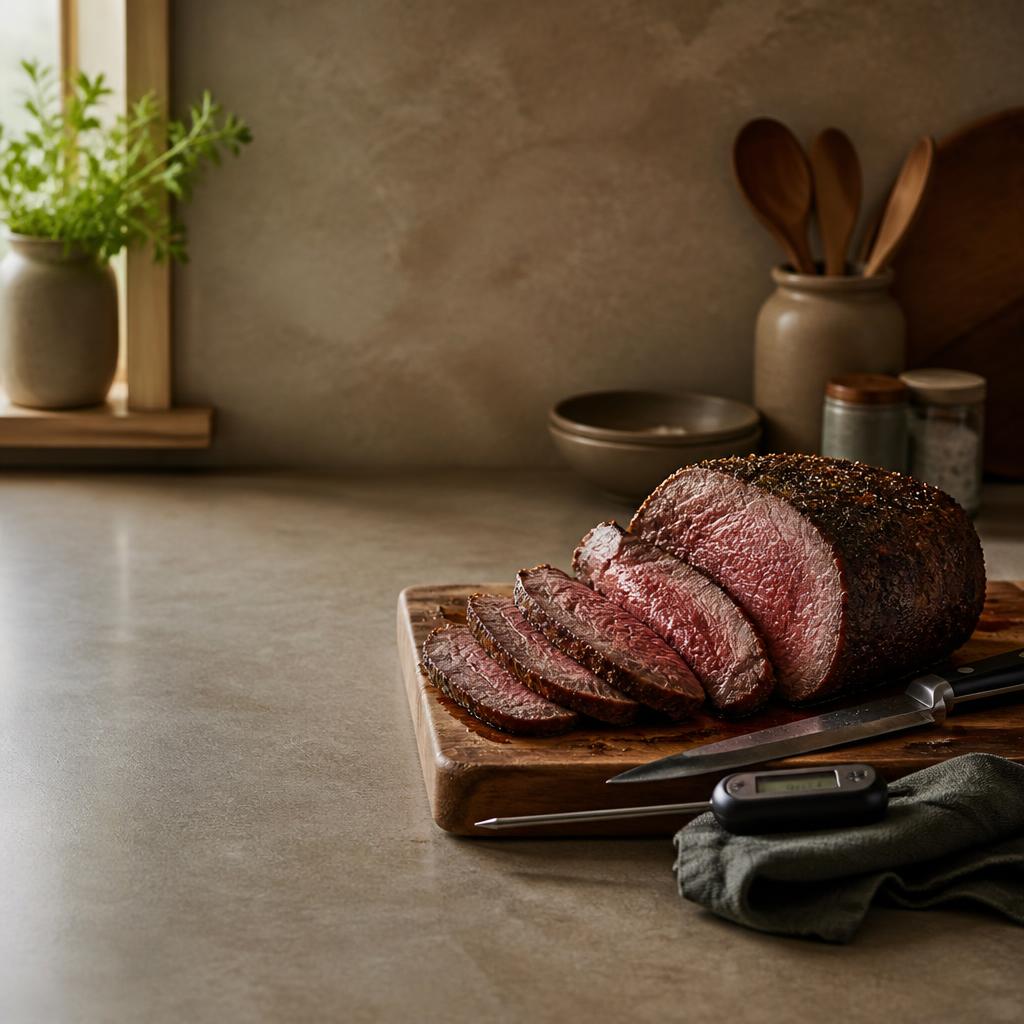
Planning
Meat Doneness Calculator
Find the pull temperature for juicy, properly rested meat.
Planning
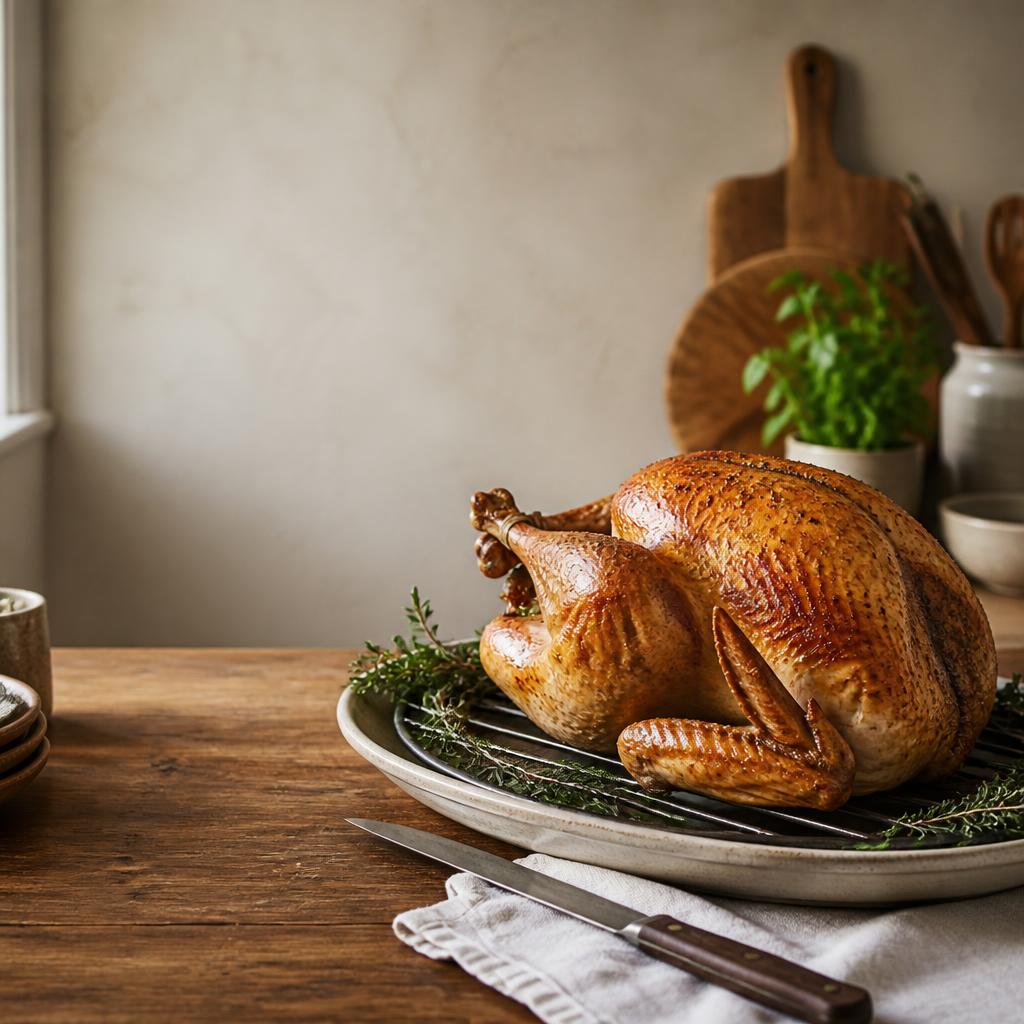
Turkey Cooking Planner
Work backward from dinner for roasted, smoked, grilled, or deep-fried turkey.
Planning
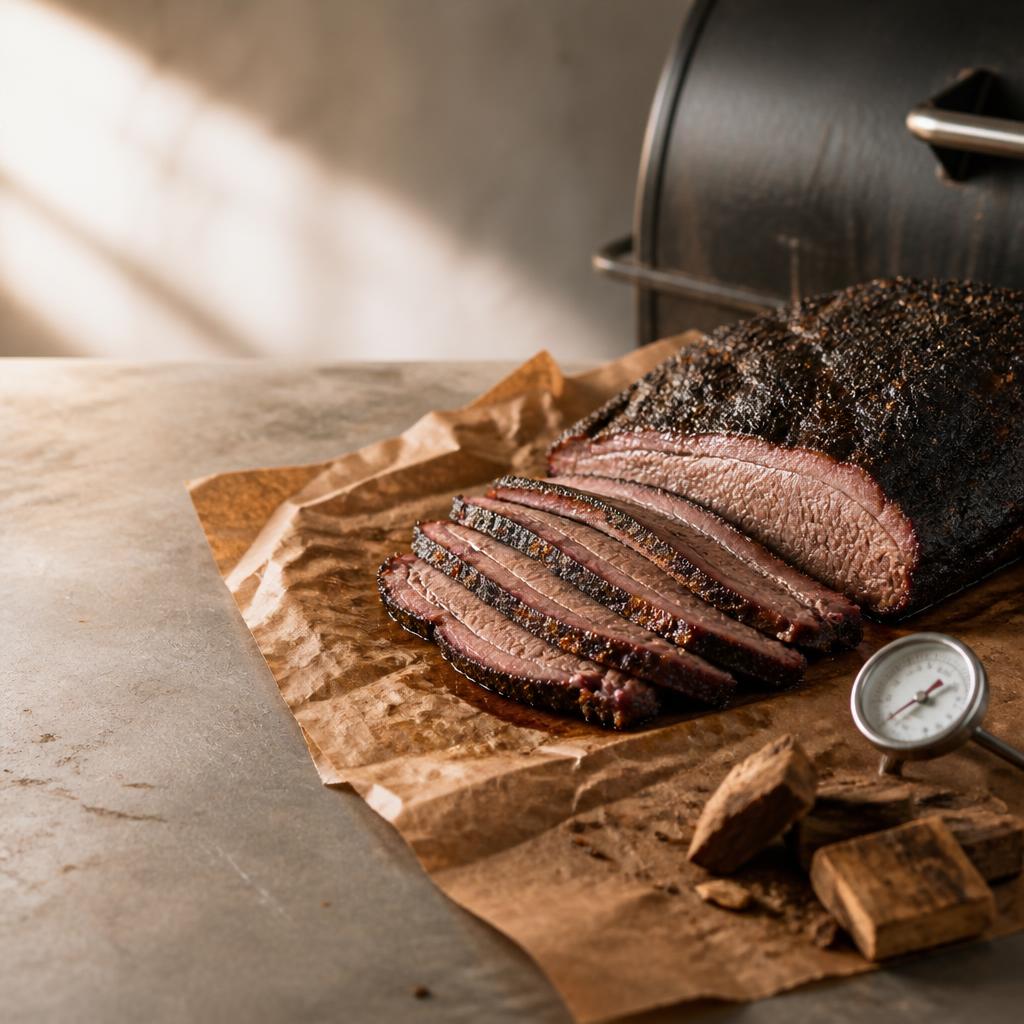
Brisket Timeline Calculator
Estimate when to start a brisket, including the rest.
Planning
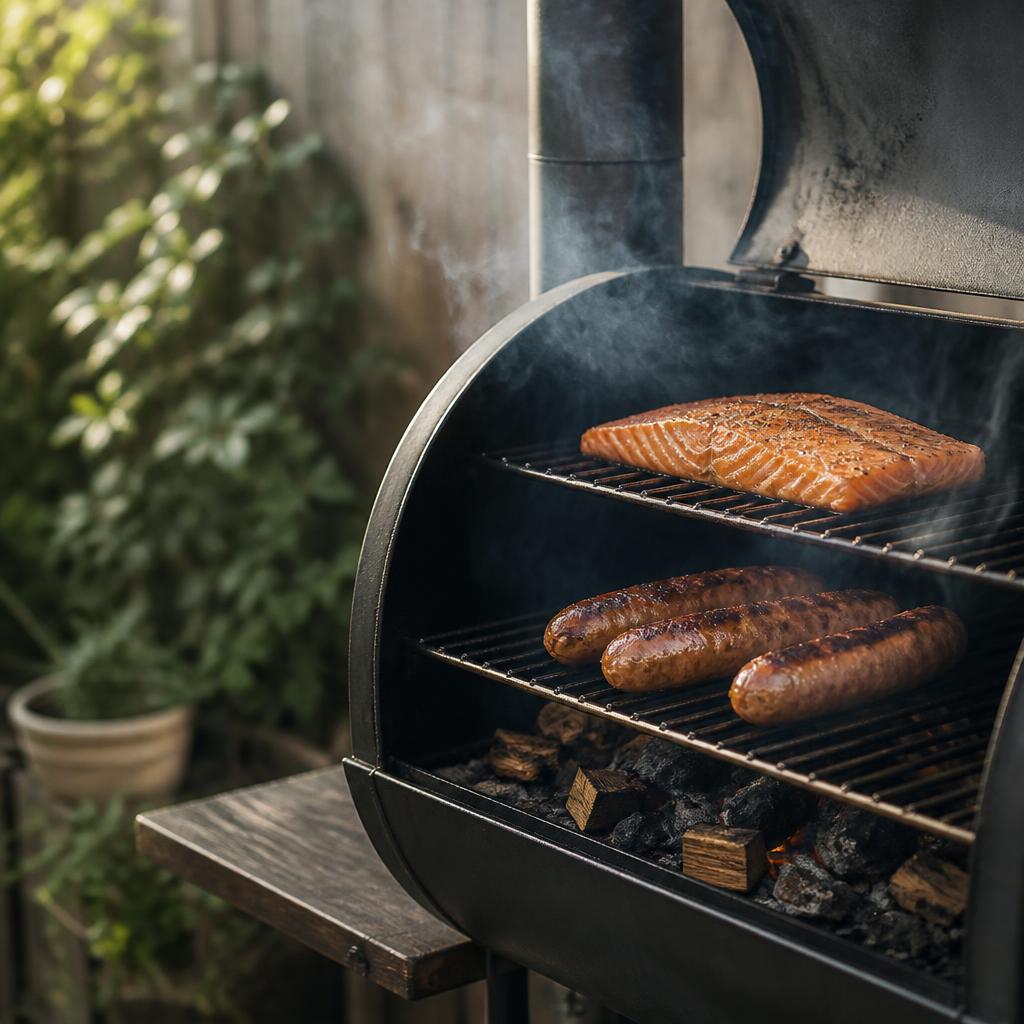
Smoking Time Calculator
Estimate smoking time and temperature for meats, seafood, cheese, and more.

Planning
Sous-Chef
Ask a cooking question and get practical help from your kitchen sidekick.

Planning
Kitchen Reminders
Email yourself at a set time or when a kitchen timer finishes.
Planning
Dinner Timeline Builder
Work backward from serving time to prep and cooking start.
Planning
When Should I Start Defrosting?
Plan safe thawing and prep times around dinner.
Planning
When Should I Reverse-Sear My Meat?
Plan the low-temperature phase, pull temperature, and final sear.
Planning
What Temperature Should I Pull My Roast?
Estimate carryover cooking before meat reaches its final temperature.
Planning
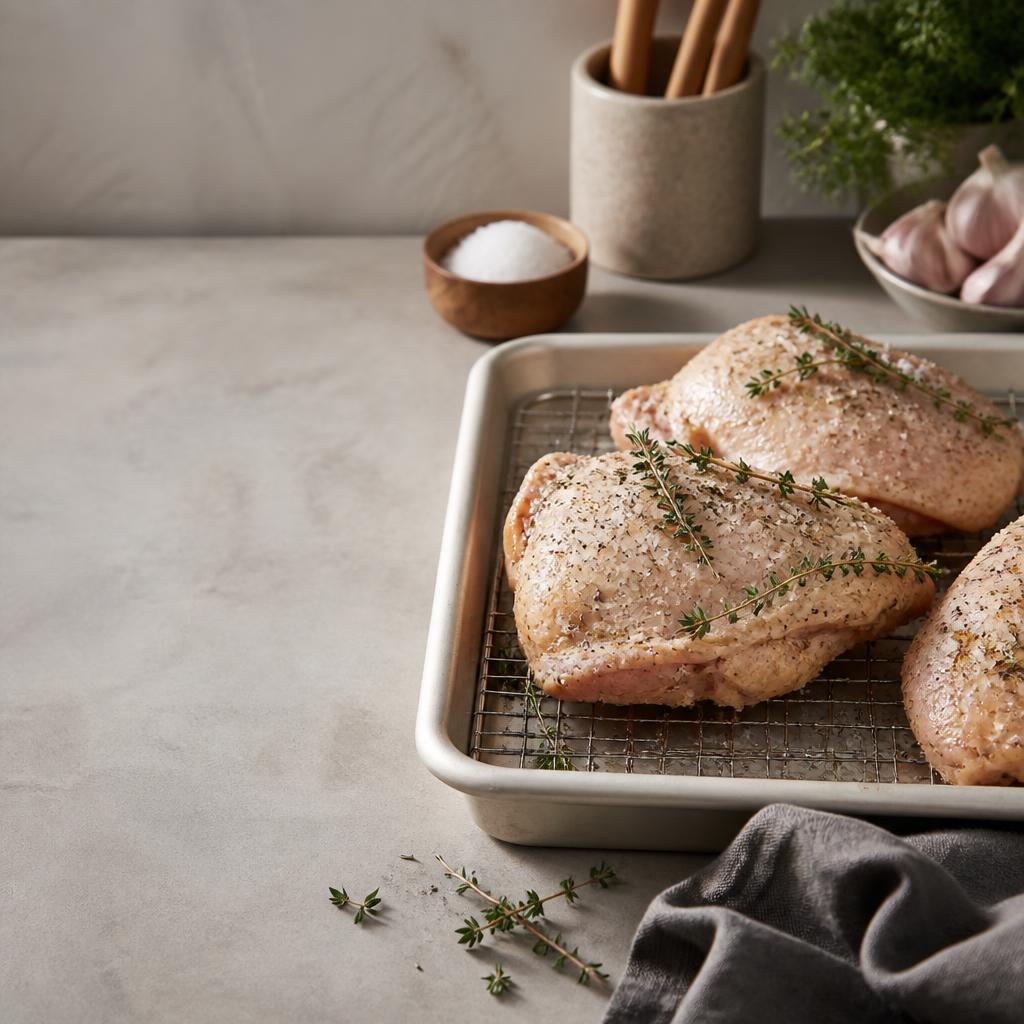
When Should I Start My Dry Brine?
Calculate salt and schedule a dry brine before cooking.
Planning
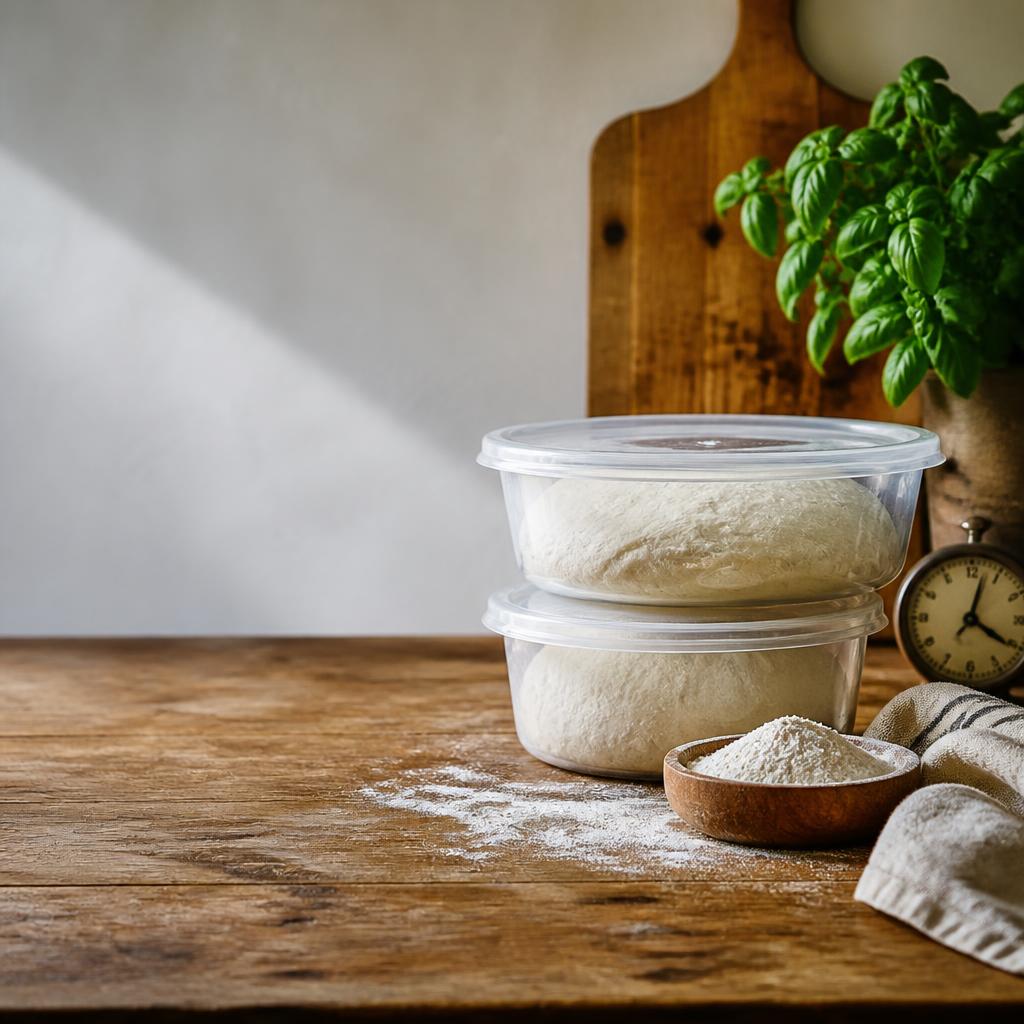
When Should I Start My Pizza Dough?
Build a dough formula and fermentation schedule for pizza night.
Planning
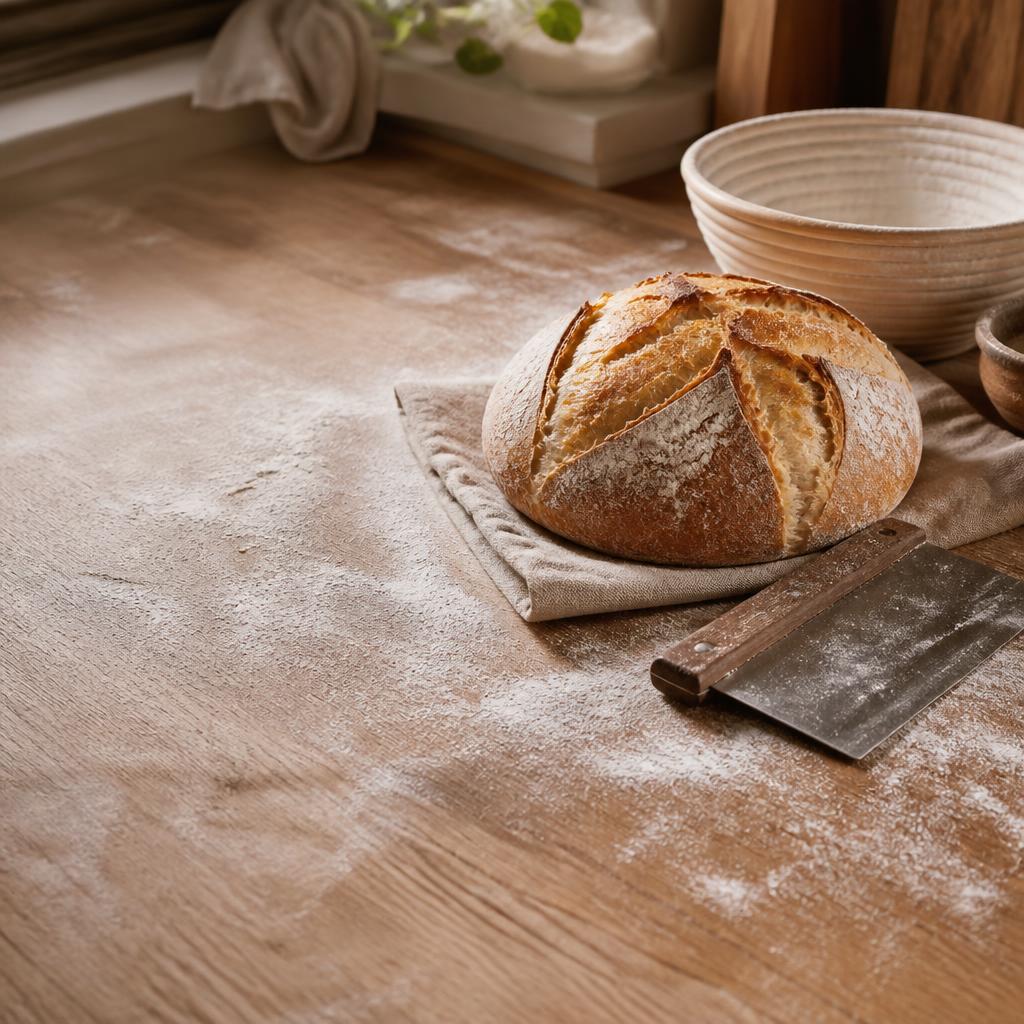
When Should I Start My Bread?
Estimate bulk fermentation, shaping, proofing, and bake timing.
Planning
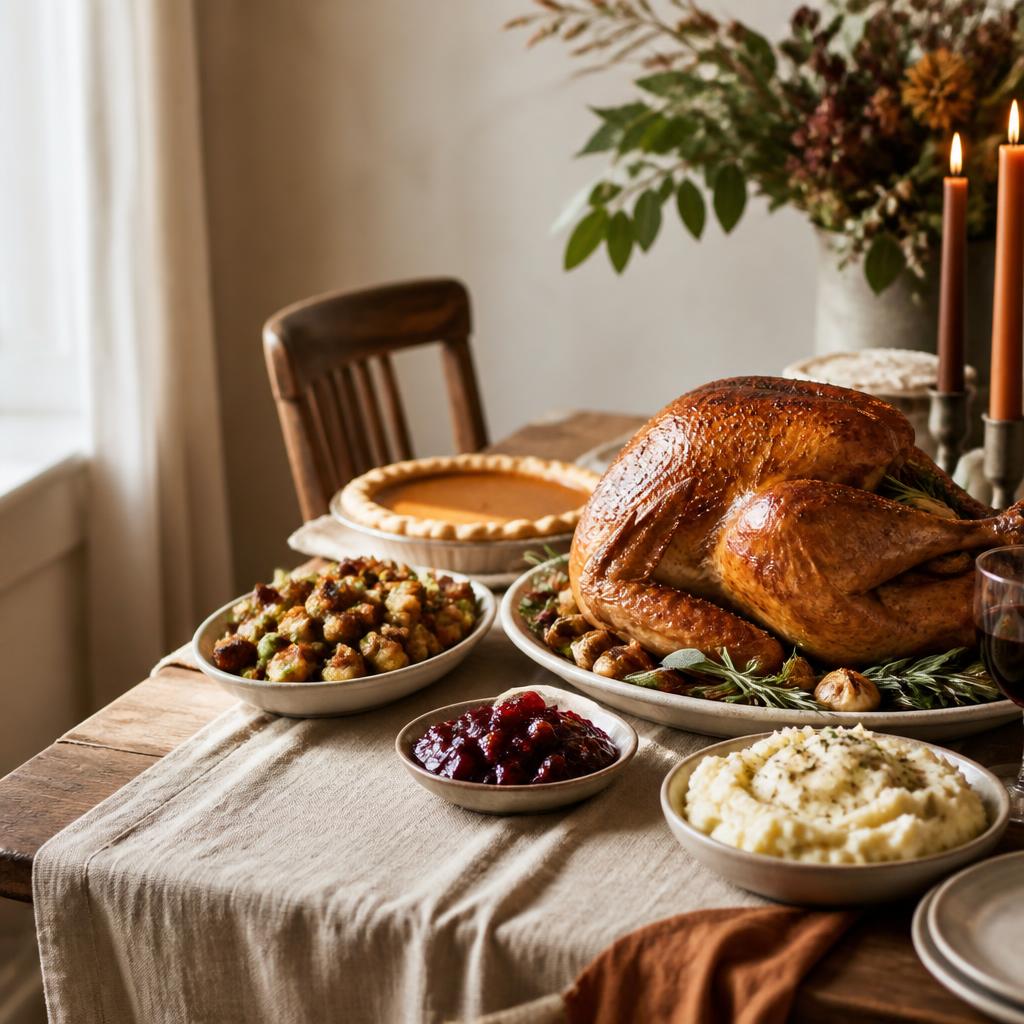
When Should I Start My Thanksgiving Dinner?
Plan turkey size, sides, oven time, and the holiday schedule.
Planning
When Should I Start My Roast Vegetables?
Coordinate different vegetables so everything reaches the table together.