Planning
When Should I Start My Dry Brine?
Plan salt quantity and brining time for poultry, meat, fish, or vegetables based on weight and cooking time.
40.8 g salt
Use about 0.75% salt by weight and allow approximately 24 hours before cooking.
- •Apply evenly and refrigerate uncovered or loosely covered; avoid extending beyond roughly 48 hours for this starting plan.
- •If the food is pre-brined, enhanced, injected, or heavily salted, reduce or skip the added salt.
Practical guide
Schedule a dry brine without oversalting dinner
What a dry brine is for
Dry brining applies measured salt directly to food before cooking instead of immersing it in a saltwater bath. The salt seasons the surface and, given suitable time, changes how moisture and seasoning are distributed near it. This planner combines a weight-based salt allowance with a suggested lead time so you can decide when preparation should begin. It is a culinary seasoning tool, not a curing or preservation process. A salted turkey, steak, or fish fillet still needs refrigeration, hygienic handling, and a complete safe cooking method.
Check the food before weighing salt
Read the label for added brine, injected solution, kosher processing, or pre-seasoning. Those products may already contain enough salt that a standard additional amount would be excessive. Weigh the food you are actually seasoning, choose the closest food type, and measure the salt in grams rather than assuming all kosher-salt spoonfuls weigh the same. For four chicken portions, spread the measured total across the pieces instead of giving each piece the entire calculated quantity. For a larger roast serving six, account for sauces, rubs, and other salty ingredients before committing to the full suggested amount.
Find refrigerator space before starting
Choose a food-safe tray or rack that fits in the refrigerator and can catch drips. Keep raw meat below ready-to-eat foods. If the recipe calls for uncovered chilling to dry the surface, make sure the arrangement does not expose other food to contamination. Schedule the brine relative to the intended cooking time, then reserve separate time for preparation and any temperature checks. For a holiday meal, a bird occupying an entire refrigerator shelf can be as significant a constraint as oven sharing. Salt does not justify leaving the food on the counter to save refrigerator space.
Finish according to the food, not the brine timer
The suggested brining window is not a doneness test and does not authorize extended storage beyond the product's safe handling period. Use the recipe's guidance when its tested timing differs, particularly with delicate fish or very small pieces. Pat the surface as directed before cooking and avoid adding an unmeasured second layer of salt automatically. USDA minimums include 165°F for poultry and 145°F with a three-minute rest for whole pork, beef, lamb, or veal. Check the finished food with a thermometer; a completed salt schedule cannot compensate for an undercooked center.
References for this guide
Methodology
How we calculate this
A food-specific salt percentage is applied to weight, and the recommended lead time is counted backward from cooking.
The math
- Salt weight = food weight × dry-brine percentage
- Start time = planned cooking time − recommended brining hours
Worked example
A 12 lb turkey weighs about 5,443 g. At 0.75%, the starting calculation is about 40.8 g salt, applied roughly 24 hours ahead.
Frequently asked questions
Helpful answers
How long should I dry-brine a turkey?
A whole turkey commonly benefits from 24 to 48 hours in the refrigerator. Smaller poultry and cuts need less time.
Should I rinse food after dry brining?
Usually not. Rinsing can spread raw-meat droplets and removes surface seasoning. Pat the surface dry if needed before cooking.
Can I dry-brine meat that says enhanced or injected?
Reduce or skip added salt because enhanced, injected, or pre-brined meat already contains a salt solution and can become overly salty.
A practical starting point
Use the result as a planning estimate, then trust the ingredients, your thermometer, and the food in front of you. This tool is designed to make the first calculation easier—not to replace good kitchen judgment.
Embed this tool
Add this utility to a cooking blog or resource page.
If you found this calculator useful, you’re welcome to cite or link to the When Should I Start My Dry Brine? in your own words.
<div class="topshelf-tool">
  <iframe src="https://www.topshelf.recipes/tools/dry-brine-planner?embed=1" title="When Should I Start My Dry Brine?" loading="lazy" style="width:100%;min-height:420px;border:0"></iframe>
  <p><a href="https://www.topshelf.recipes/tools/dry-brine-planner?utm_source=embedded_tool" target="_top" rel="nofollow">Use the When Should I Start My Dry Brine? on TopShelf Recipes</a></p>
</div>
More planning tools
View all tools
Planning
Meat Doneness Calculator
Find the pull temperature for juicy, properly rested meat.
Planning
Turkey Cooking Planner
Work backward from dinner for roasted, smoked, grilled, or deep-fried turkey.
Planning
Brisket Timeline Calculator
Estimate when to start a brisket, including the rest.
Planning
Smoking Time Calculator
Estimate smoking time and temperature for meats, seafood, cheese, and more.
Planning
Sous-Vide Calculator
Find a water-bath temperature and timing for the food you are cooking.

Planning
Sous-Chef
Ask a cooking question and get practical help from your kitchen sidekick.

Planning
Kitchen Reminders
Email yourself at a set time or when a kitchen timer finishes.
Planning
Dinner Timeline Builder
Work backward from serving time to prep and cooking start.
Planning
When Should I Start Defrosting?
Plan safe thawing and prep times around dinner.
Planning
When Should I Reverse-Sear My Meat?
Plan the low-temperature phase, pull temperature, and final sear.
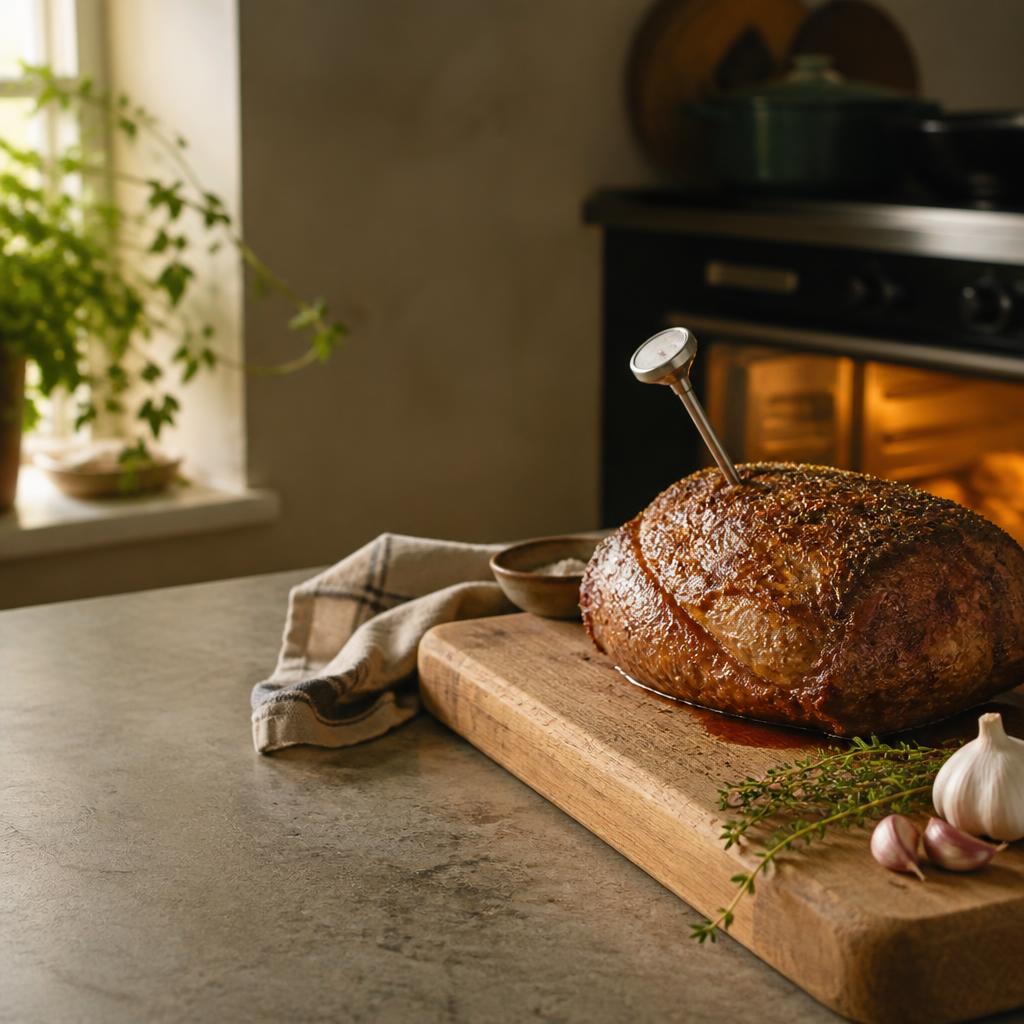
Planning
What Temperature Should I Pull My Roast?
Estimate carryover cooking before meat reaches its final temperature.
Planning
When Should I Start My Pizza Dough?
Build a dough formula and fermentation schedule for pizza night.
Planning
When Should I Start My Bread?
Estimate bulk fermentation, shaping, proofing, and bake timing.
Planning
When Should I Start My Thanksgiving Dinner?
Plan turkey size, sides, oven time, and the holiday schedule.
Planning
When Should I Start My Roast Vegetables?
Coordinate different vegetables so everything reaches the table together.