Planning
When Should I Start My Pizza Dough?
Plan pizza dough quantities, hydration, yeast, mixing, balling, refrigeration, and bake time together.
1117 g dough · 667 g flour
433 g water · 16.7 g salt · 0.80 g instant yeast.
- •Add a bake date and time to generate mixing and refrigeration timestamps.
- •Divide into 4 balls of about 279 g each.
- •Flour strength, actual dough temperature, and yeast activity can move the schedule; use dough expansion and texture as the final guide.
Practical guide
Work backward from pizza night to the first mix
Fermentation is a temperature-dependent process
Pizza dough changes while yeast produces gas and the dough develops flavor and handling characteristics. Available time, room temperature, refrigerator temperature, flour, and yeast amount all influence that process. This planner connects a pizza formula with a proposed mixing and fermentation schedule. Its usefulness is showing when you need to start and whether cold storage fits the evening you have planned. It cannot observe the actual dough or know that a refrigerator shelf is warmer than its display, so treat the suggested times as checkpoints rather than automatic guarantees.
Prepare the quantities and the containers
For a family of four, decide whether two shared pizzas will be sufficient or whether you want individual pizzas and leftovers. Enter the real count, diameter, hydration, and yeast type, then weigh the ingredients. For six people, confirm that every dough container fits before multiplying the batch. Leave expansion room, label each container with mixing time, and choose a storage position with a reasonably stable temperature. A packed refrigerator holding warm groceries can change the cooling period; putting a large warm dough mass into one deep container is different from chilling several smaller balls.
Build the schedule around observable stages
Use the proposed mixing time to organize weighing and initial preparation, then follow the selected dough method for mixing and folding. Observe expansion, airiness, and resistance during handling. If the dough remains tight or barely rises, stretching it at the scheduled minute may not produce a good result. If it expands rapidly in a warm kitchen, intervene according to the recipe rather than waiting for a fixed alarm. Longer fermentation does not mean that arbitrary amounts of yeast or unlimited time will improve every dough; the plan still needs to match the formula and storage conditions.
Remember the shaping and baking bottlenecks
Allow a separate period for portioning, shaping, topping, and baking. Refrigerator-cold dough may need time to become workable, but the appropriate period depends on dough size and room conditions. Preheat the oven and baking surface while setting out toppings, then stretch only the pizzas you can manage in sequence. Six pizzas in a one-pizza oven require several baking slots even when all the dough is ready together. Keep perishable toppings refrigerated until needed and avoid tasting raw dough. Use your actual rise and bake observations to adjust the next plan, not an assumed promise that fermentation follows a household clock exactly.
References for this guide
Methodology
How we calculate this
Pizza size estimates dough-ball weight, then baker’s percentages determine flour, water, salt, and yeast. Available time and room temperature adjust yeast.
The math
- Total dough ≈ count × diameter² × 1.94
- Flour = total dough ÷ (1 + hydration + salt% + yeast%)
- Yeast decreases as fermentation time increases
Worked example
Four 12-inch pizzas estimate roughly 1,117 g total dough before hydration and schedule inputs divide the formula.
Frequently asked questions
Helpful answers
How far ahead should I make pizza dough?
A 24- to 72-hour cold fermentation is a useful range for flavor and handling, but the ideal schedule depends on yeast quantity, dough temperature, and refrigerator temperature.
When should I ball pizza dough?
Balling about 3 to 5 hours before baking lets the dough relax and warm enough to stretch. Very warm rooms may require less time.
Why did my pizza dough overproof in the refrigerator?
The dough may have entered the refrigerator too warm, used too much yeast, or spent time in a warmer refrigerator. Reduce yeast and cool the dough sooner.
A practical starting point
Use the result as a planning estimate, then trust the ingredients, your thermometer, and the food in front of you. This tool is designed to make the first calculation easier—not to replace good kitchen judgment.
Embed this tool
Add this utility to a cooking blog or resource page.
If you found this calculator useful, you’re welcome to cite or link to the When Should I Start My Pizza Dough? in your own words.
<div class="topshelf-tool">
  <iframe src="https://www.topshelf.recipes/tools/pizza-fermentation-planner?embed=1" title="When Should I Start My Pizza Dough?" loading="lazy" style="width:100%;min-height:420px;border:0"></iframe>
  <p><a href="https://www.topshelf.recipes/tools/pizza-fermentation-planner?utm_source=embedded_tool" target="_top" rel="nofollow">Use the When Should I Start My Pizza Dough? on TopShelf Recipes</a></p>
</div>
More planning tools
View all tools
Planning
Meat Doneness Calculator
Find the pull temperature for juicy, properly rested meat.
Planning
Turkey Cooking Planner
Work backward from dinner for roasted, smoked, grilled, or deep-fried turkey.
Planning
Brisket Timeline Calculator
Estimate when to start a brisket, including the rest.
Planning
Smoking Time Calculator
Estimate smoking time and temperature for meats, seafood, cheese, and more.
Planning
Sous-Vide Calculator
Find a water-bath temperature and timing for the food you are cooking.

Planning
Sous-Chef
Ask a cooking question and get practical help from your kitchen sidekick.

Planning
Kitchen Reminders
Email yourself at a set time or when a kitchen timer finishes.
Planning
Dinner Timeline Builder
Work backward from serving time to prep and cooking start.
Planning
When Should I Start Defrosting?
Plan safe thawing and prep times around dinner.
Planning
When Should I Reverse-Sear My Meat?
Plan the low-temperature phase, pull temperature, and final sear.
Planning
What Temperature Should I Pull My Roast?
Estimate carryover cooking before meat reaches its final temperature.
Planning
When Should I Start My Dry Brine?
Calculate salt and schedule a dry brine before cooking.
Planning
When Should I Start My Bread?
Estimate bulk fermentation, shaping, proofing, and bake timing.
Planning
When Should I Start My Thanksgiving Dinner?
Plan turkey size, sides, oven time, and the holiday schedule.
Planning
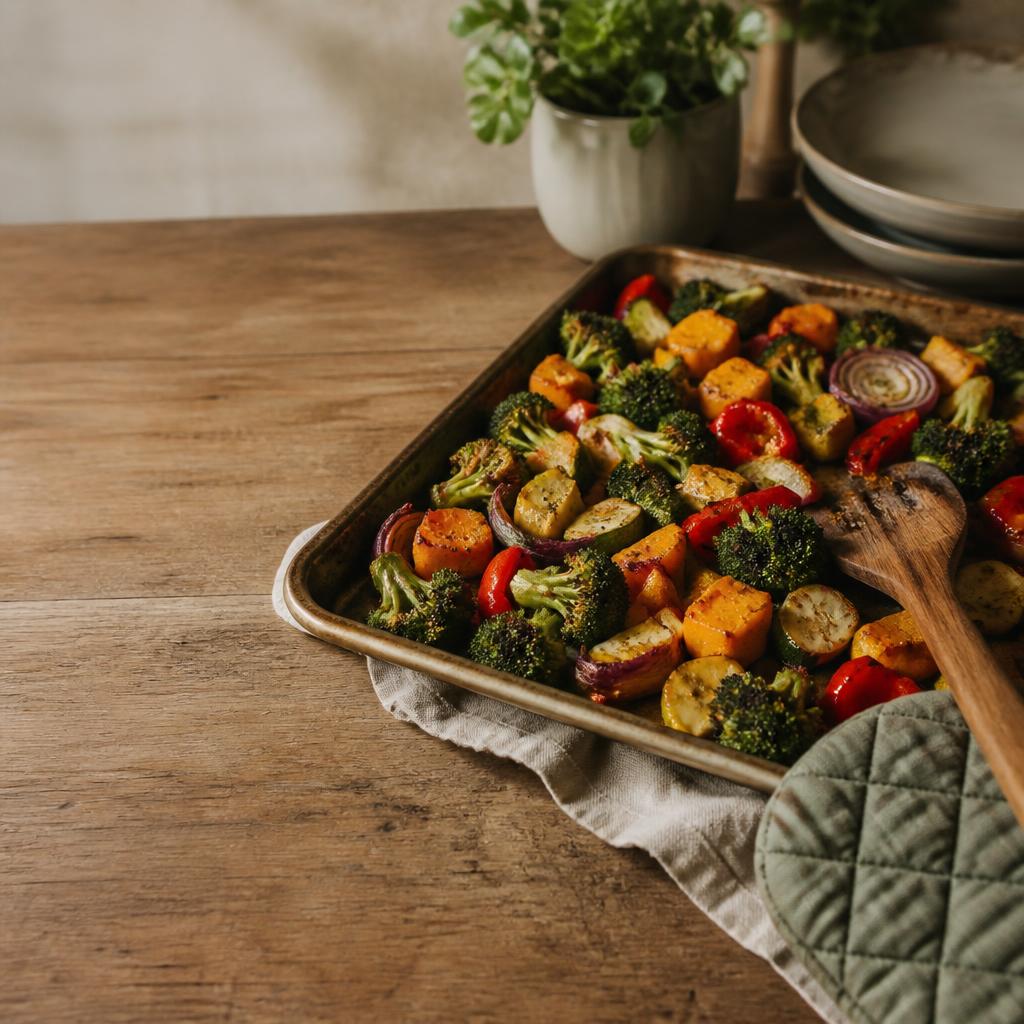
When Should I Start My Roast Vegetables?
Coordinate different vegetables so everything reaches the table together.