Planning
Kitchen Reminders
Schedule an email reminder for a specific date and time, or start a countdown for anything you need to remember.
Practical guide
Use kitchen reminders as checkpoints, not unattended supervision
Choose the event that needs your attention
Kitchen Reminders lets you schedule an email for a particular time or after a countdown. It is useful for tasks that are easy to forget while doing something else: checking a dough rise, returning to a resting roast, moving a thawed ingredient into the cooking plan, or starting a second tray of vegetables. The reminder tells you to check a task; it does not know whether that task is finished. Email delivery can be delayed or filtered, so it should never be the only safeguard for food or equipment that requires timely attention.
Make the reminder specific enough to act on
Give the reminder a clear description and check its chosen date, time, or countdown before scheduling. “Check potatoes and rotate tray” is more actionable than “dinner.” For a family of four, separate a meat-temperature check from the time to finish vegetables rather than hiding both inside one alert. For six servings cooked in batches, include the batch number or next action in the wording. Confirm that the email destination is one you can access and that the device you plan to use is actually receiving messages. Keep a normal kitchen timer available for immediate cooking tasks.
Build reminders around real dependencies
Schedule the earliest preparation task as well as the finishing tasks. A reminder to begin brining is useful only if the food is already thawed and there is refrigerator space for it. A reminder to start rolls does not solve an oven conflict with a roast. Write a short plan first, then assign alerts to the points where you need to change equipment, inspect the food, or move to another stage. If dinner moves later, review the remaining reminders rather than assuming the entire sequence changes automatically. Check your device's local time when scheduling across travel or daylight-saving changes.
Do the check when the alert arrives
Use a thermometer where the task requires one: poultry needs 165°F, and reheated leftovers need 165°F. A timer cannot confirm either reading. Keep hot food at 140°F or above when holding it, and refrigerate perishable leftovers within two hours, or one hour when the temperature is above 90°F. Do not use an email as supervision for a hot stove, fryer, or grill, and do not leave heating equipment unattended while waiting for a message. If an alert is late, reassess the food and equipment instead of treating the original countdown as evidence that conditions remained safe.
References for this guide
Frequently asked questions
Helpful answers
How long can cooked rice sit out before refrigeration?
Refrigerate cooked rice within two hours, or within one hour when the room is above 90°F. Divide it among shallow containers so it cools quickly.
How long should meat rest before slicing?
Small cuts often need 5 to 10 minutes, while larger roasts may need 20 to 45 minutes. Size, cooking method, and desired serving temperature all matter.
When should I set butter out for baking cookies?
Let it soften until pliable but still cool, often 30 to 60 minutes depending on room temperature. Oily or melted butter changes cookie spread.
More planning tools
View all tools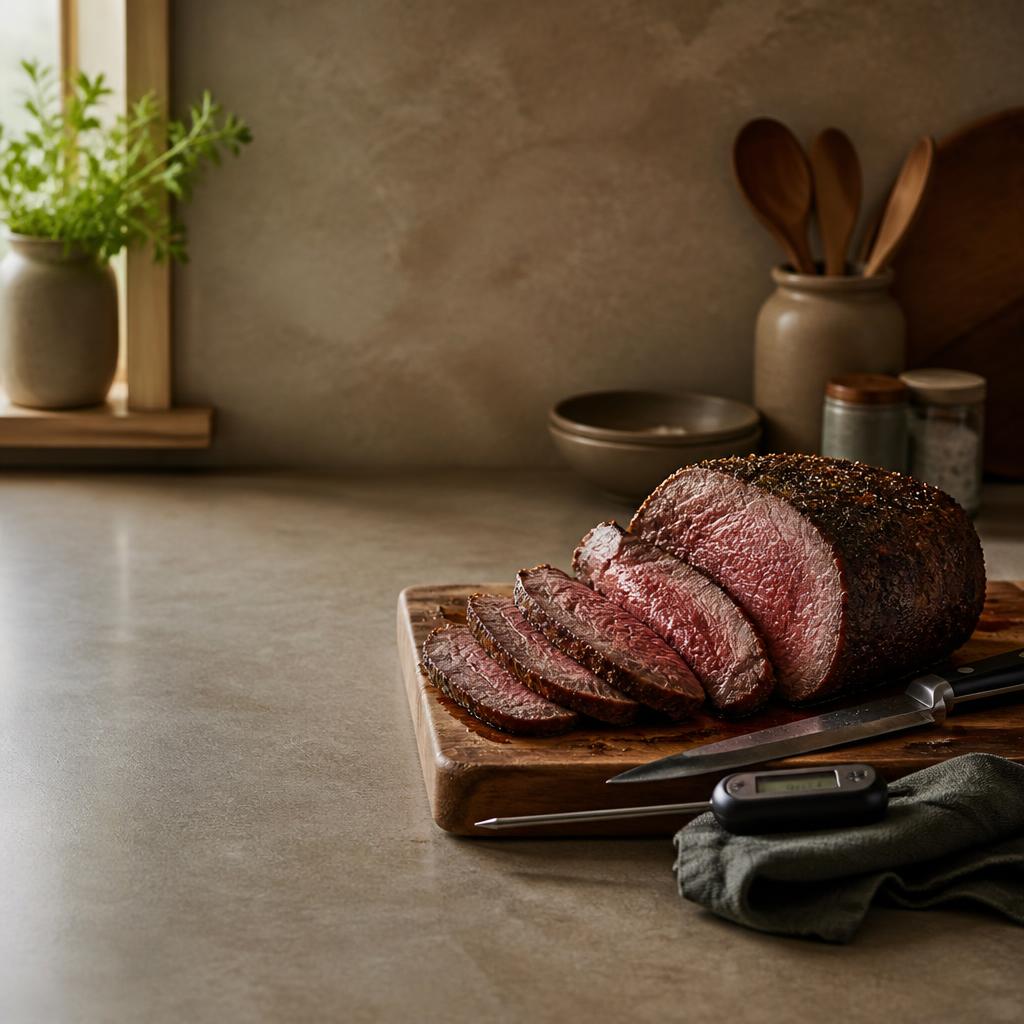
Planning
Meat Doneness Calculator
Find the pull temperature for juicy, properly rested meat.
Planning
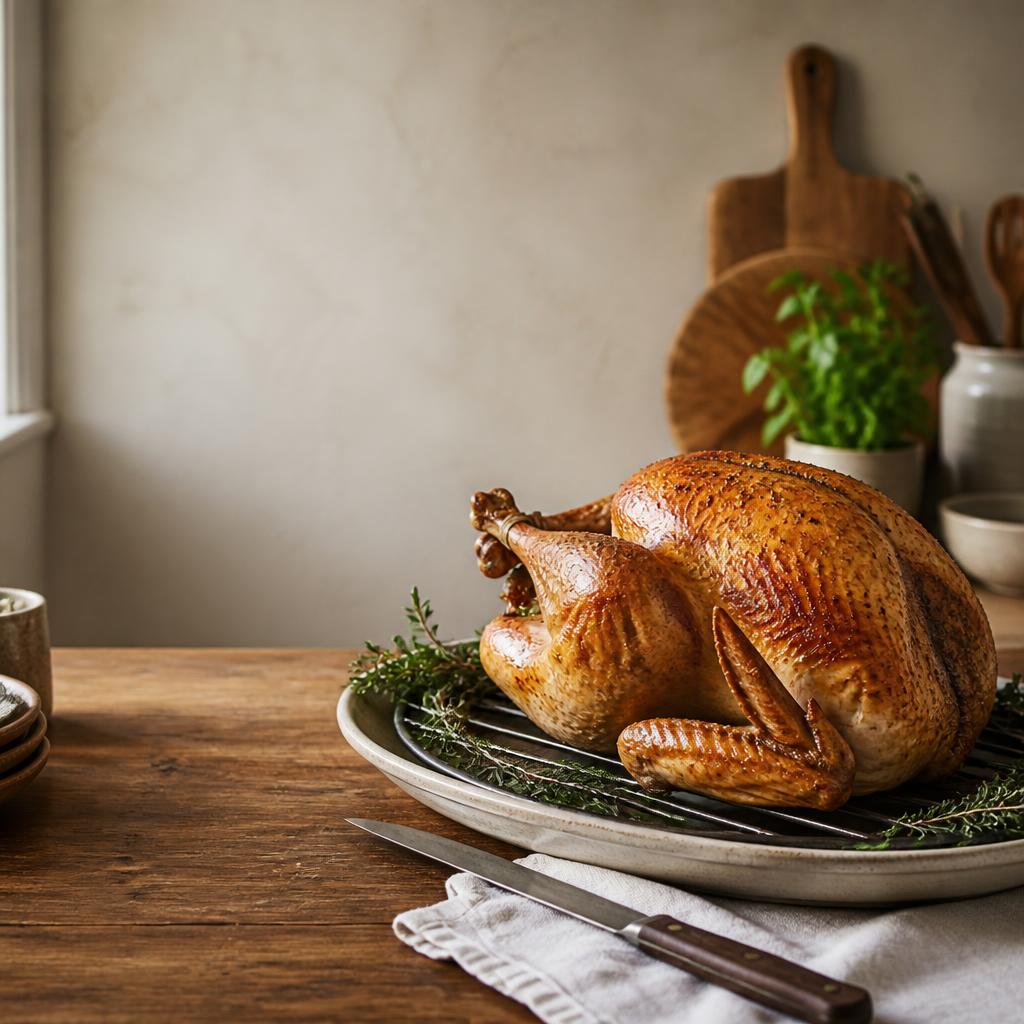
Turkey Cooking Planner
Work backward from dinner for roasted, smoked, grilled, or deep-fried turkey.
Planning
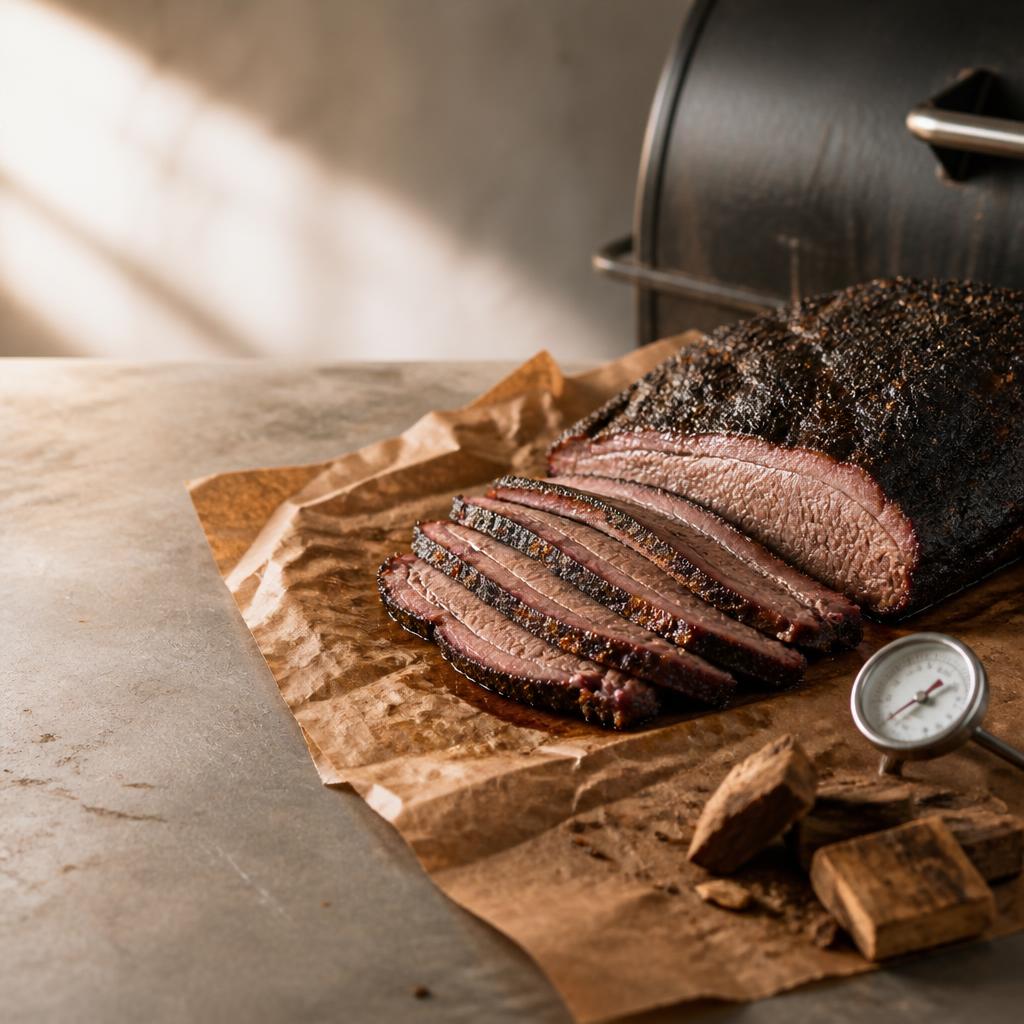
Brisket Timeline Calculator
Estimate when to start a brisket, including the rest.
Planning
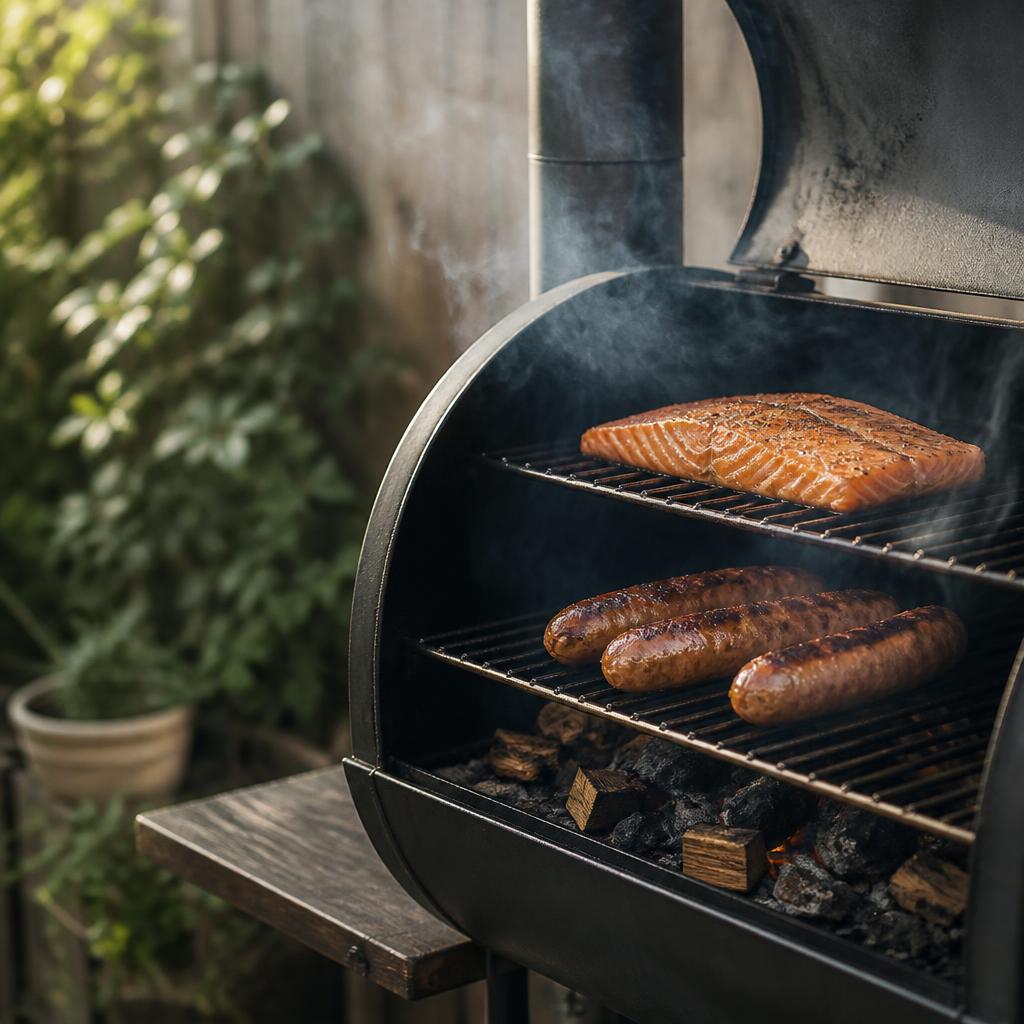
Smoking Time Calculator
Estimate smoking time and temperature for meats, seafood, cheese, and more.
Planning
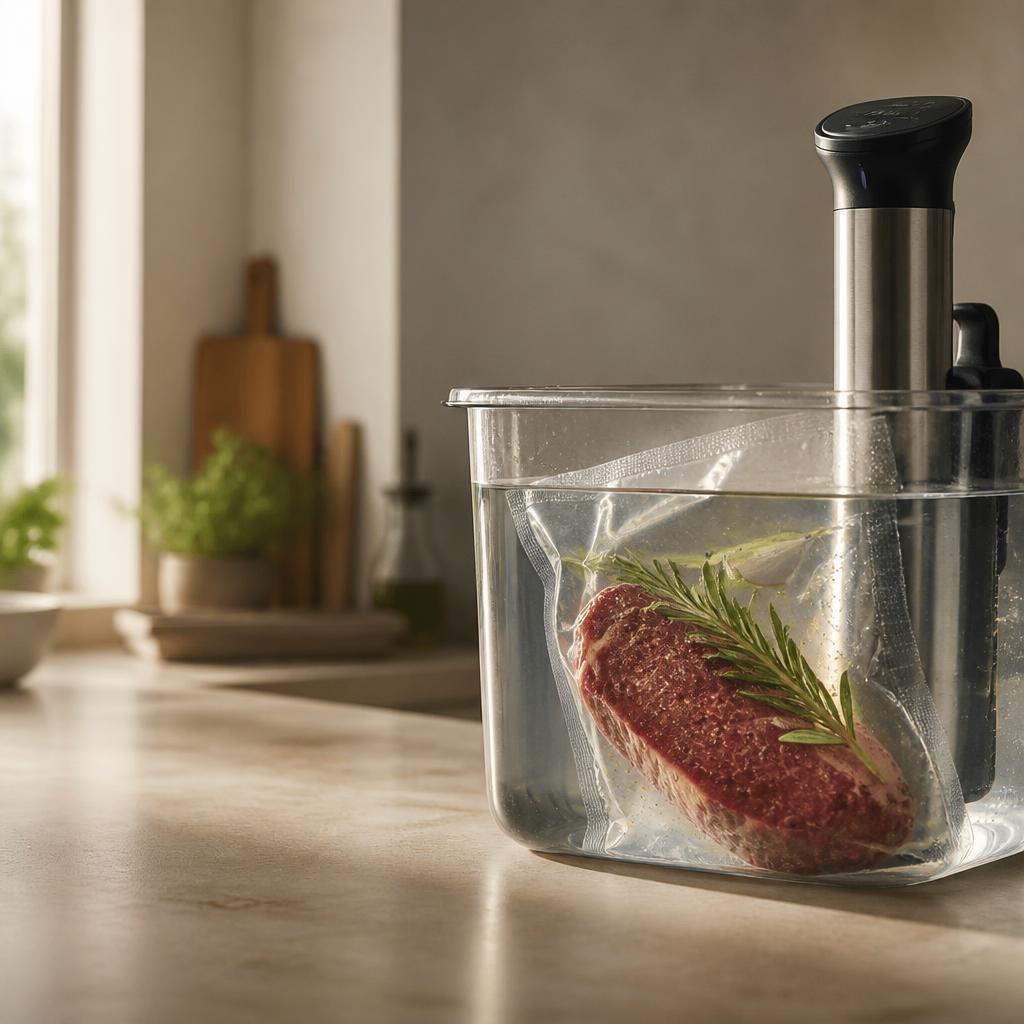
Sous-Vide Calculator
Find a water-bath temperature and timing for the food you are cooking.

Planning
Sous-Chef
Ask a cooking question and get practical help from your kitchen sidekick.
Planning
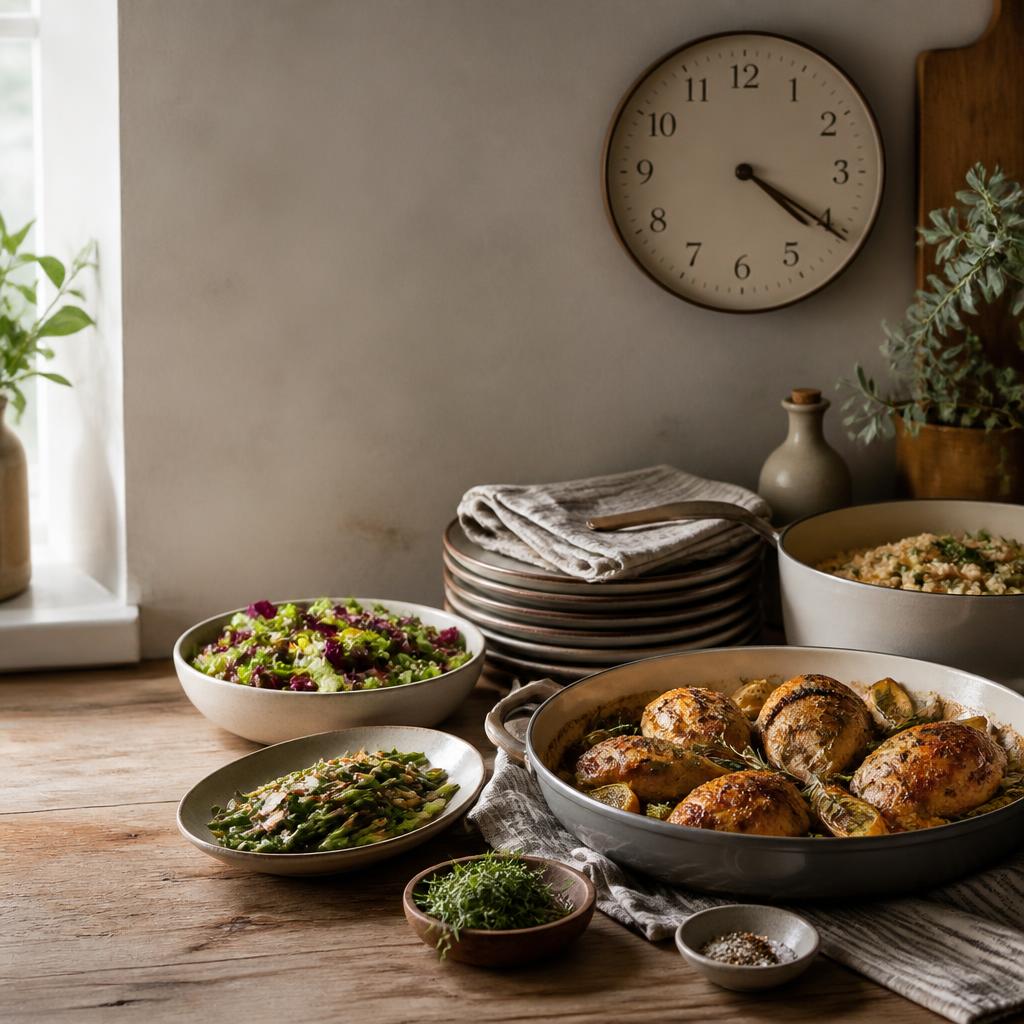
Dinner Timeline Builder
Work backward from serving time to prep and cooking start.
Planning
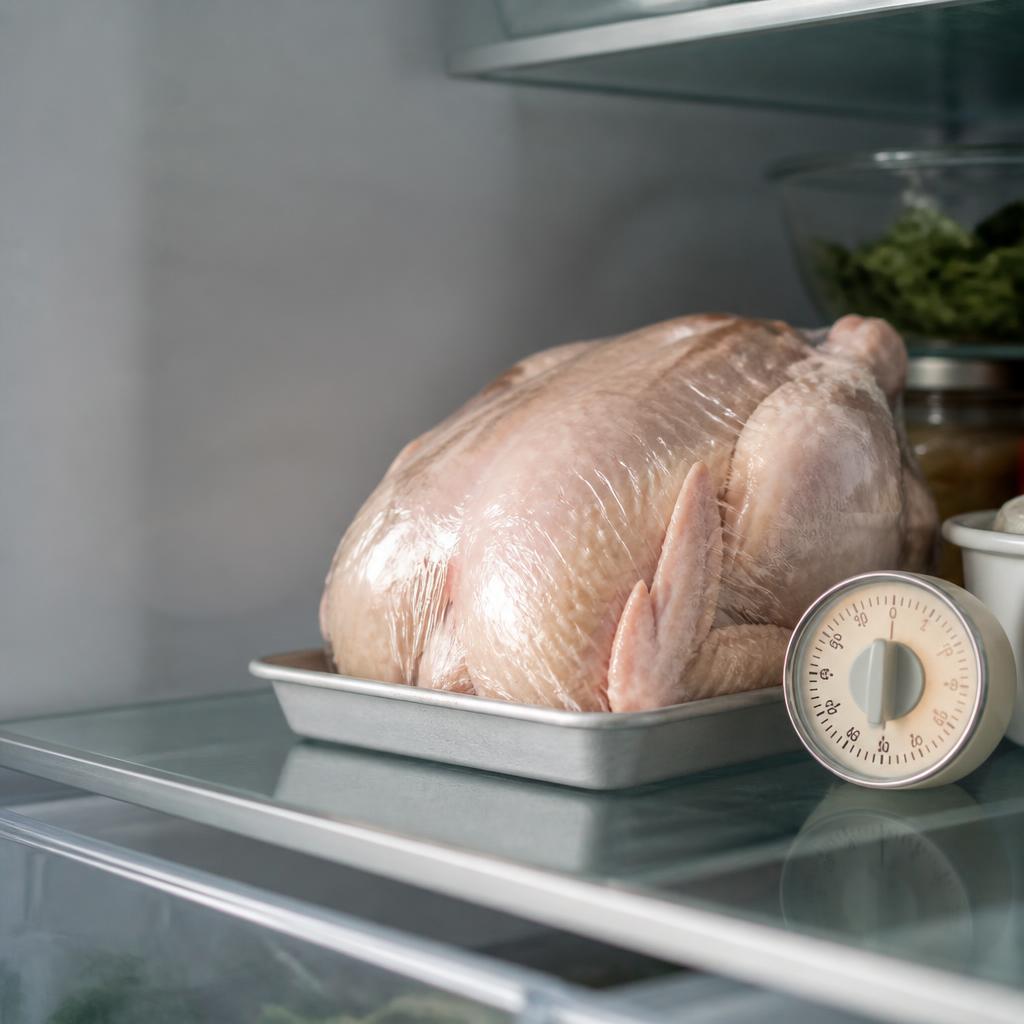
When Should I Start Defrosting?
Plan safe thawing and prep times around dinner.
Planning
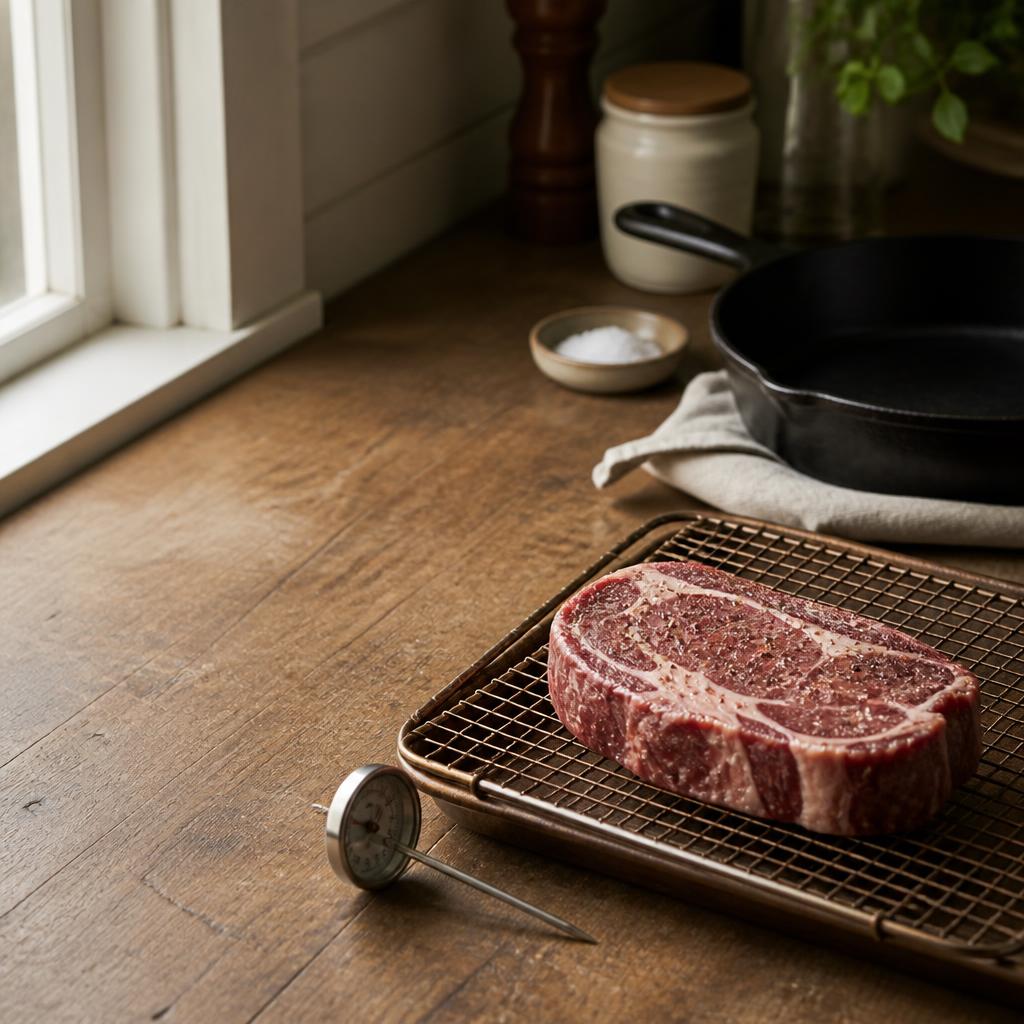
When Should I Reverse-Sear My Meat?
Plan the low-temperature phase, pull temperature, and final sear.
Planning
What Temperature Should I Pull My Roast?
Estimate carryover cooking before meat reaches its final temperature.
Planning
When Should I Start My Dry Brine?
Calculate salt and schedule a dry brine before cooking.
Planning
When Should I Start My Pizza Dough?
Build a dough formula and fermentation schedule for pizza night.
Planning
When Should I Start My Bread?
Estimate bulk fermentation, shaping, proofing, and bake timing.
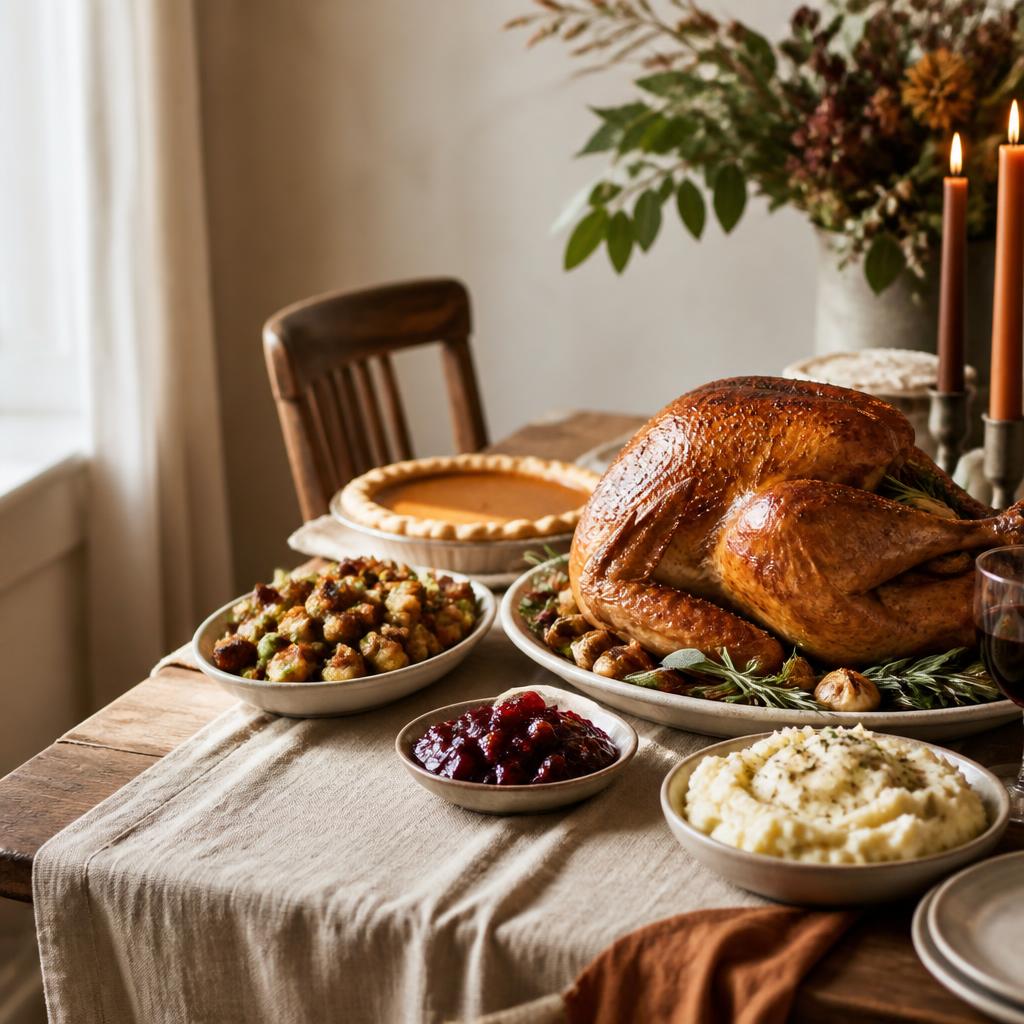
Planning
When Should I Start My Thanksgiving Dinner?
Plan turkey size, sides, oven time, and the holiday schedule.
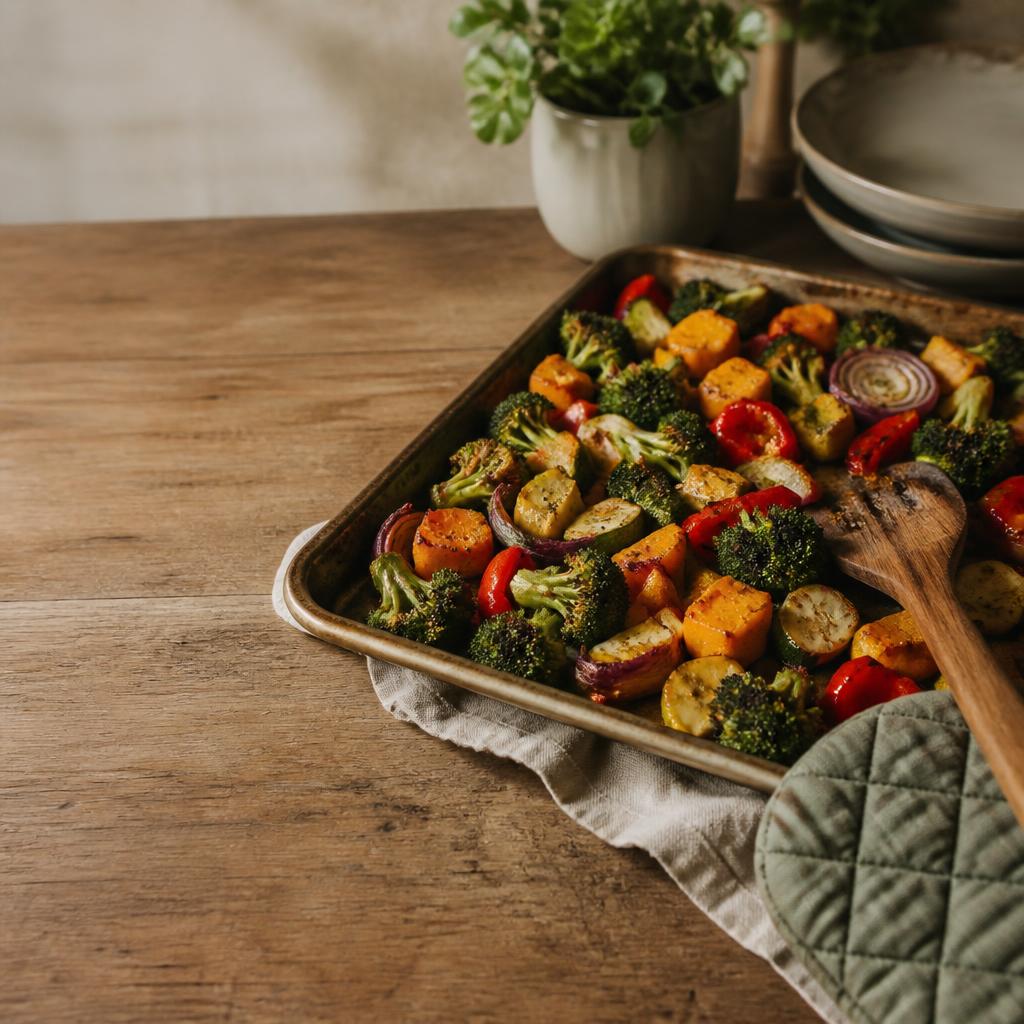
Planning
When Should I Start My Roast Vegetables?
Coordinate different vegetables so everything reaches the table together.