Planning
When Should I Start My Bread?
Use flour weight, hydration, yeast, room temperature, and desired bake time to build a bread schedule.
350 g water · 2.5 g yeast
Estimated bulk fermentation: about 3.5 hours at 72°F, followed by roughly 90 minutes for the final proof.
- •Add your desired bake time to turn the fermentation estimate into a schedule.
- •Watch the dough, not only the clock: flour, dough temperature, mixing, and starter or yeast strength change fermentation speed.
Practical guide
Give bread enough rising time without missing dinner
Understand what is being estimated
Bread fermentation depends on dough temperature, yeast quantity, hydration, ingredients, and handling. Room temperature is a useful input, but the dough may start much warmer or cooler depending on water temperature and mixing. This calculator uses your flour quantity, hydration, yeast percentage, and room conditions to estimate a bulk-fermentation window. Bulk fermentation is the rise before final shaping; it is not the entire time from mixing to slicing. The tool is best used to reserve enough time for a bread-making session and to identify when you should start watching the dough more closely.
Set up a modest household batch
For four to six people, a formula based on 500 grams of flour can be a manageable starting batch, with final yield depending on hydration and other ingredients. Measure flour, water, yeast, and salt consistently, and check whether the recipe includes butter, eggs, or sugar, which can change fermentation. Choose a container with room for expansion and mark the starting level. Mix and develop the dough using the recipe's method. A clear-sided container and a written mixing time give you more useful evidence than an unmarked bowl hidden under a towel.
Read the dough at each checkpoint
Look for the expansion, airiness, surface changes, and strength described in your recipe. Some doughs should roughly double, while others are deliberately shaped earlier; do not impose one rule on all bread. A cool kitchen can delay the rise, and an unexpectedly warm spot can accelerate it. Avoid placing dough against an uncontrolled heat source to force the predicted finish time. When scaling for eight or twelve diners, remember that a larger dough mass changes mixing and cooling behavior. Mixing two manageable batches may be more reliable than overloading a small household mixer.
Reserve shaping, proofing, baking, and cooling
After bulk fermentation, most loaves still need dividing or shaping, a final proof, oven preheating, baking, and cooling. If the oven is also roasting dinner, assign bread a separate slot before planning the bulk rise to end. Two loaf pans may fit, but steam vessels, baking stones, and other cookware can reduce available space. Do not slice a large loaf immediately merely to meet the meal's start time; its crumb needs time to settle. The calculation is a fermentation estimate, not a shortcut past the recipe's final proof or a substitute for checking that the loaf is fully baked.
References for this guide
Methodology
How we calculate this
Flour weight determines water and yeast. A planning curve adjusts estimated bulk fermentation for yeast percentage and room temperature.
The math
- Water = flour × hydration
- Yeast = flour × yeast percentage
- Bulk estimate scales inversely with yeast and room temperature
Worked example
With 500 g flour, 70% hydration gives 350 g water; 0.5% yeast gives 2.5 g yeast.
Frequently asked questions
Helpful answers
How does room temperature affect bread fermentation?
Warmer dough ferments faster and cooler dough ferments slower. Even a few degrees can noticeably move the bulk-fermentation schedule.
How do I know bulk fermentation is finished?
Look for a smoother, aerated dough with visible bubbles and meaningful volume growth. The exact increase depends on the dough and intended bread style.
Can a fermentation calculator predict bread timing exactly?
No. Flour, mixing, yeast strength, salt, dough temperature, and vessel shape all matter. Use the estimate to plan, then judge the dough itself.
A practical starting point
Use the result as a planning estimate, then trust the ingredients, your thermometer, and the food in front of you. This tool is designed to make the first calculation easier—not to replace good kitchen judgment.
Embed this tool
Add this utility to a cooking blog or resource page.
If you found this calculator useful, you’re welcome to cite or link to the When Should I Start My Bread? in your own words.
<div class="topshelf-tool">
  <iframe src="https://www.topshelf.recipes/tools/bread-fermentation-calculator?embed=1" title="When Should I Start My Bread?" loading="lazy" style="width:100%;min-height:420px;border:0"></iframe>
  <p><a href="https://www.topshelf.recipes/tools/bread-fermentation-calculator?utm_source=embedded_tool" target="_top" rel="nofollow">Use the When Should I Start My Bread? on TopShelf Recipes</a></p>
</div>
More planning tools
View all tools
Planning
Meat Doneness Calculator
Find the pull temperature for juicy, properly rested meat.
Planning
Turkey Cooking Planner
Work backward from dinner for roasted, smoked, grilled, or deep-fried turkey.
Planning
Brisket Timeline Calculator
Estimate when to start a brisket, including the rest.
Planning
Smoking Time Calculator
Estimate smoking time and temperature for meats, seafood, cheese, and more.
Planning
Sous-Vide Calculator
Find a water-bath temperature and timing for the food you are cooking.
Planning
Sous-Chef
Ask a cooking question and get practical help from your kitchen sidekick.

Planning
Kitchen Reminders
Email yourself at a set time or when a kitchen timer finishes.
Planning
Dinner Timeline Builder
Work backward from serving time to prep and cooking start.
Planning
When Should I Start Defrosting?
Plan safe thawing and prep times around dinner.
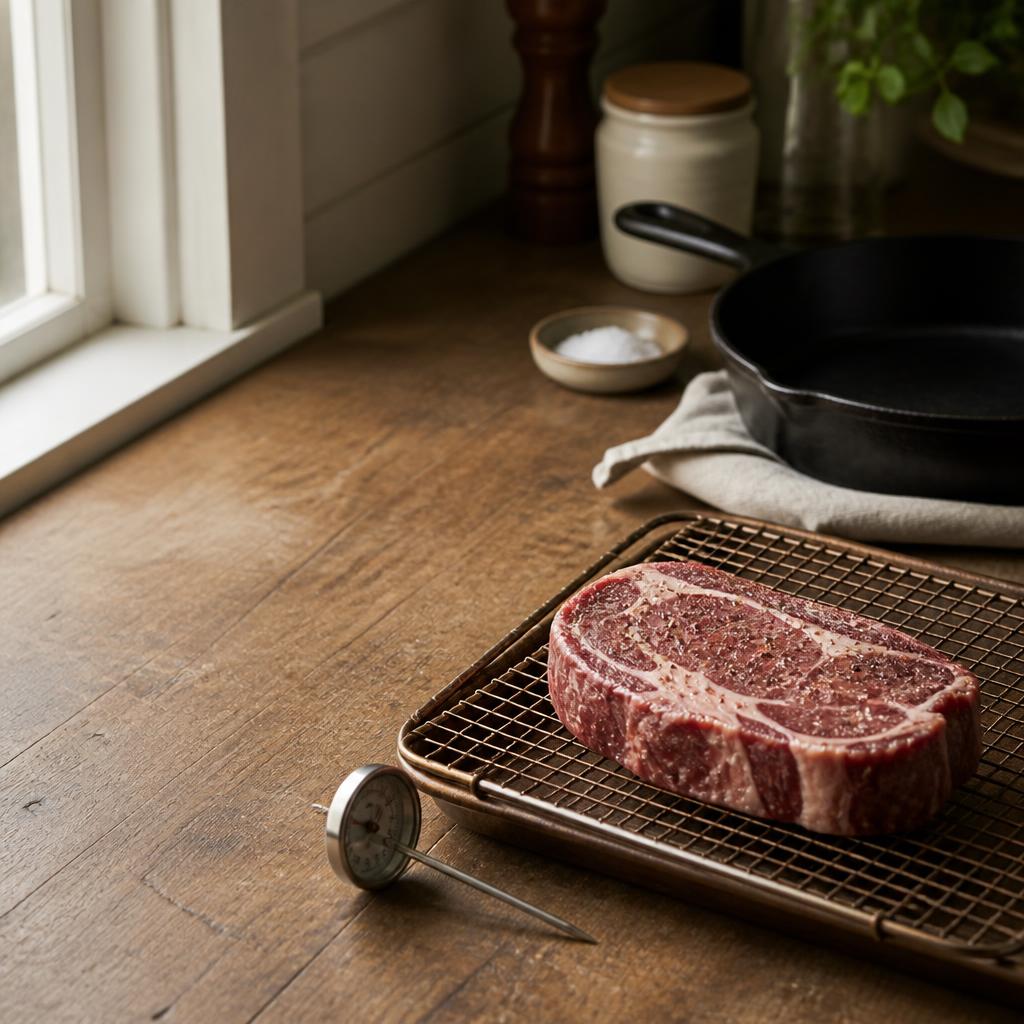
Planning
When Should I Reverse-Sear My Meat?
Plan the low-temperature phase, pull temperature, and final sear.
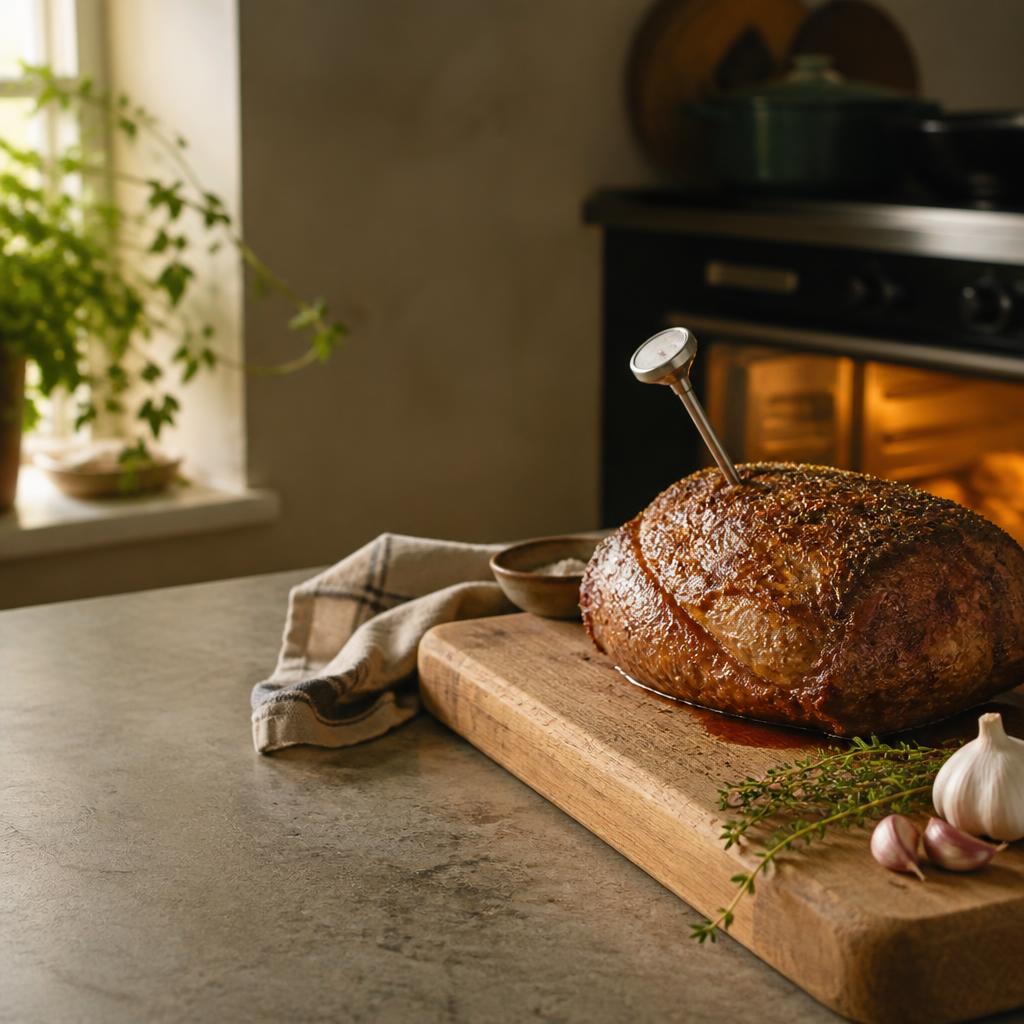
Planning
What Temperature Should I Pull My Roast?
Estimate carryover cooking before meat reaches its final temperature.
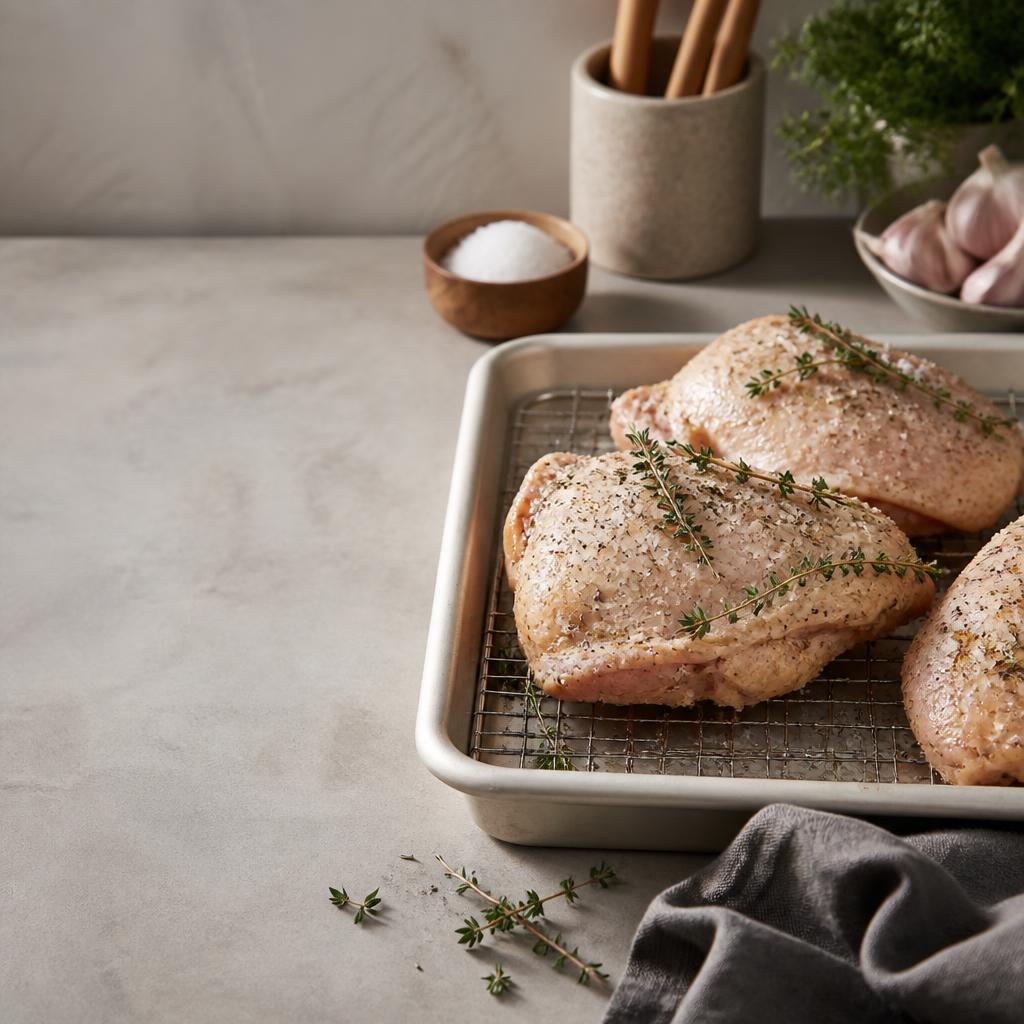
Planning
When Should I Start My Dry Brine?
Calculate salt and schedule a dry brine before cooking.
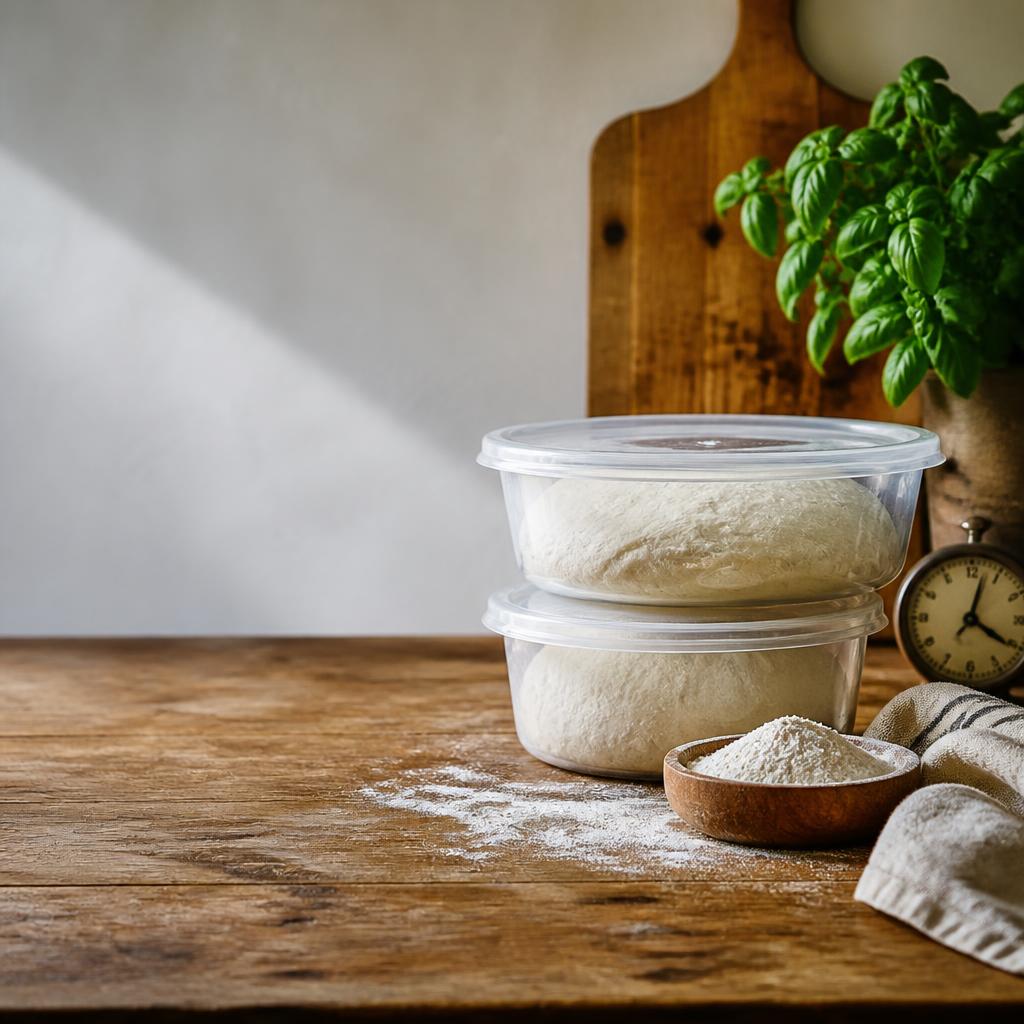
Planning
When Should I Start My Pizza Dough?
Build a dough formula and fermentation schedule for pizza night.
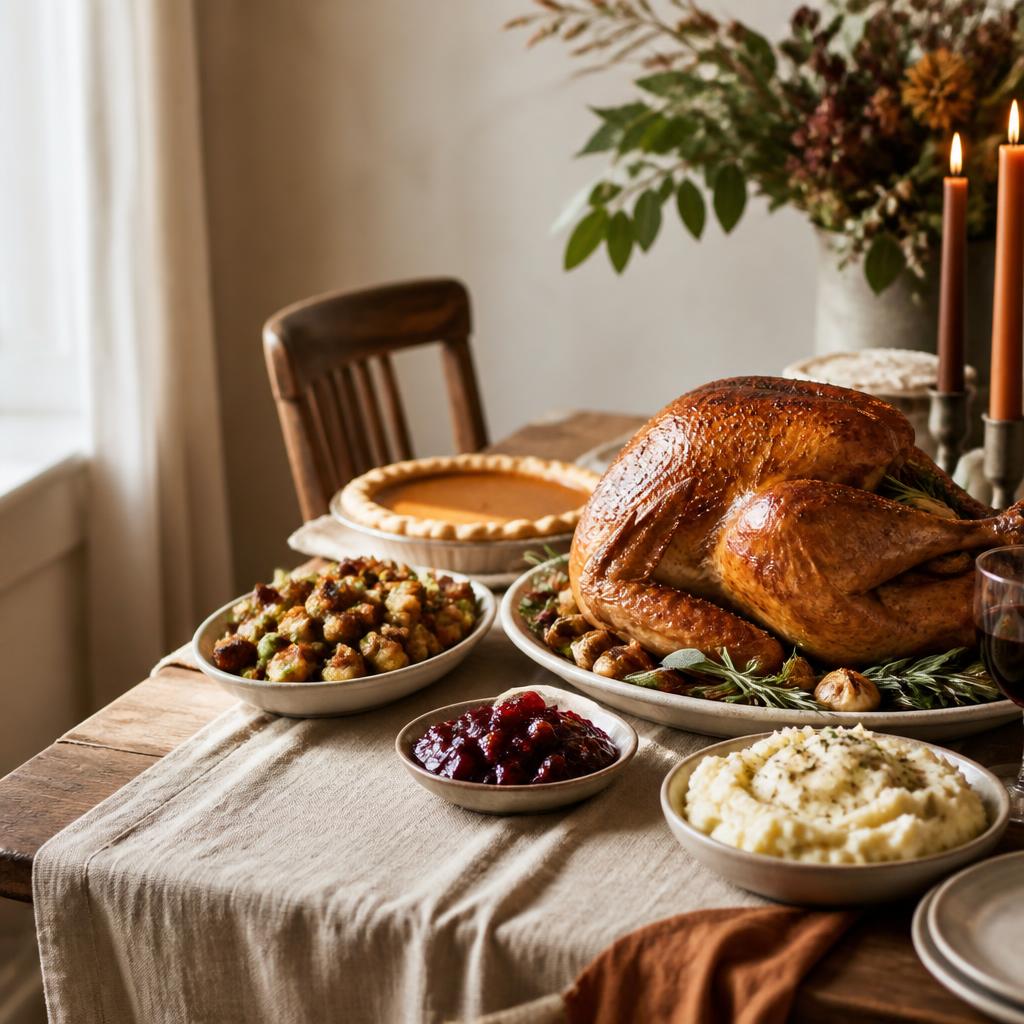
Planning
When Should I Start My Thanksgiving Dinner?
Plan turkey size, sides, oven time, and the holiday schedule.
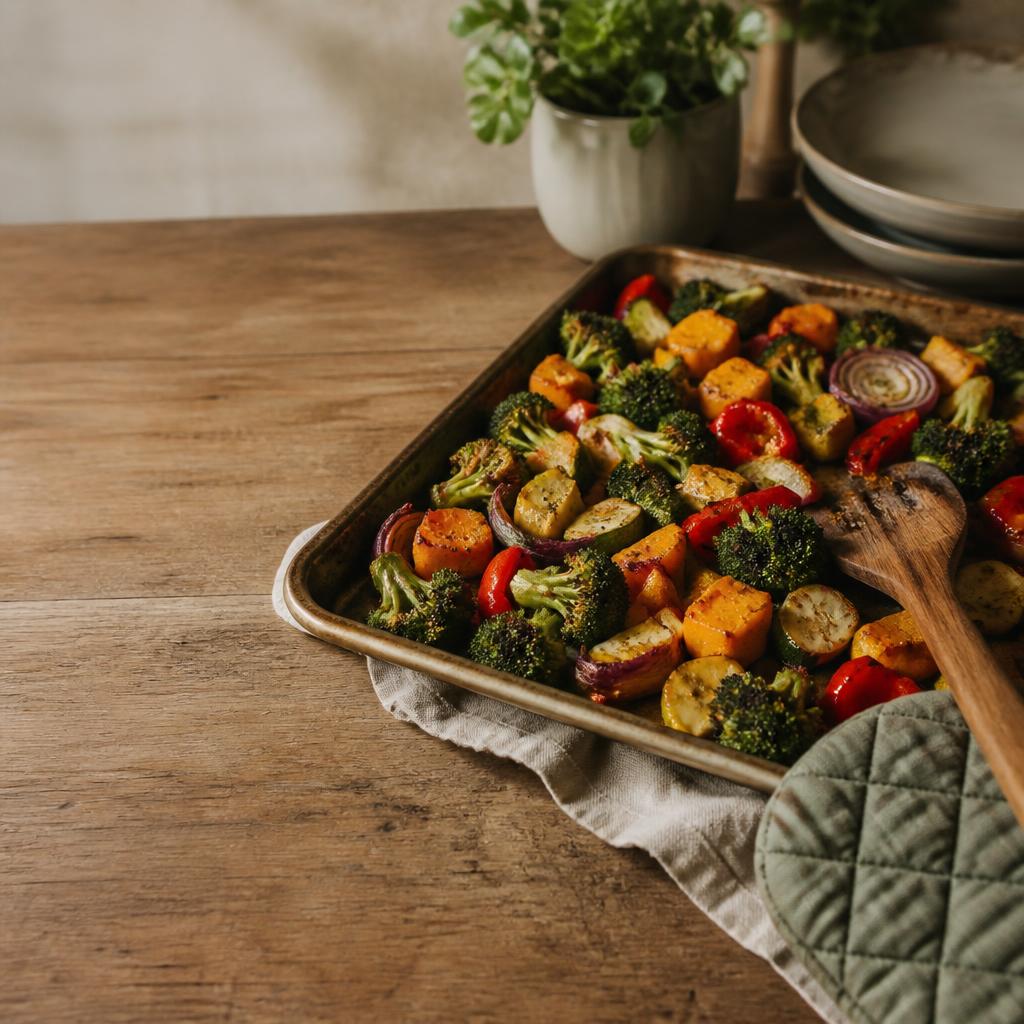
Planning
When Should I Start My Roast Vegetables?
Coordinate different vegetables so everything reaches the table together.