Planning
Dinner Timeline Builder
Make a simple, realistic kitchen timeline from your guests’ arrival and the work your meal requires.
Choose a recipe to fill the editable prep and cooking times below.
Practical guide
Build a dinner schedule around the work that cannot overlap
Start from the moment you want to eat
A dinner timeline turns a serving time into a sequence of preparation, cooking, and resting tasks. Its greatest benefit is exposing missing time: vegetables still need washing, a roast still needs carving, and a cold oven still needs preheating. This builder works backward through the durations you provide. It does not automatically know which pans share an oven or which tasks require your uninterrupted attention, so the result needs a quick equipment and workload check. A realistic plan is more useful than a tightly packed schedule with no room for ordinary delays.
Write down the actual dependencies
For four people eating chicken, potatoes, and a salad, list the food preparation first, then the cooking and rest periods. Include washing and cutting the potatoes, arranging the chicken, preparing a clean serving board, and making the dressing. Enter meaningful durations rather than only copying the recipe's advertised cook time. For six people, extra chopping and a second baking tray can increase workload even if individual pieces cook at the same rate. Distinguish tasks that can overlap from tasks that use the same hands, cutting board, burner, or oven shelf.
Resolve oven sharing before starting
Compare the required oven temperatures and available rack space. If potatoes need a hotter oven than the main dish, decide whether they will cook earlier, finish during a rest, or use another appliance. Do not assume the oven's dial changes the food temperature instantly when you switch settings. Put the least flexible task into the schedule first, then arrange adaptable jobs around it. Reserve time for checking doneness and preparing the table. A dish arriving from a helper is not ready to serve if it still needs the only available oven and twenty minutes of reheating.
Use checkpoints, not blind countdowns
When the schedule reaches a cooking endpoint, check the food rather than serving because the alarm rang. Poultry needs 165°F, and reheated leftovers need 165°F. If one dish finishes early, keep hot perishable food at 140°F or above and cold food at 40°F or below when holding it for service. Refrigerate leftovers within two hours, or one hour above 90°F. Add some contingency time for an unfamiliar recipe or a crowded kitchen. The timeline should tell you when to inspect and make decisions, leaving room to delay dinner safely instead of compressing essential cooking steps.
References for this guide
Methodology
How we calculate this
The timeline simply works backward through each phase so resting finishes at the selected dinner time.
The math
- Start time = dinner time − prep − cooking − resting
Worked example
For 45 minutes prep, 60 minutes cooking, and 15 minutes resting before a 6 p.m. dinner, start at 4 p.m.
Frequently asked questions
Helpful answers
How do I time steak, mashed potatoes, and asparagus for the same dinner?
Make the potatoes first and hold them warm, prep the asparagus ahead, then cook the steak near serving time and use its resting period to finish the asparagus.
What dishes can I make ahead for Thanksgiving?
Gravy, cranberry sauce, pie, and many casseroles can be prepared ahead. Save crisp vegetables, frying, and final searing for closer to dinner.
How much buffer time should I add to a holiday dinner schedule?
Add at least 30 minutes for ordinary meals and more for large roasts, unfamiliar recipes, or one-oven menus. Use the buffer for resting, reheating, and inevitable delays.
A practical starting point
Use the result as a planning estimate, then trust the ingredients, your thermometer, and the food in front of you. This tool is designed to make the first calculation easier—not to replace good kitchen judgment.
Embed this tool
Add this utility to a cooking blog or resource page.
If you found this calculator useful, you’re welcome to cite or link to the Dinner Timeline Builder in your own words.
<div class="topshelf-tool">
  <iframe src="https://www.topshelf.recipes/tools/dinner-timeline-builder?embed=1" title="Dinner Timeline Builder" loading="lazy" style="width:100%;min-height:420px;border:0"></iframe>
  <p><a href="https://www.topshelf.recipes/tools/dinner-timeline-builder?utm_source=embedded_tool" target="_top" rel="nofollow">Use the Dinner Timeline Builder on TopShelf Recipes</a></p>
</div>
More planning tools
View all tools
Planning
Meat Doneness Calculator
Find the pull temperature for juicy, properly rested meat.
Planning
Turkey Cooking Planner
Work backward from dinner for roasted, smoked, grilled, or deep-fried turkey.
Planning
Brisket Timeline Calculator
Estimate when to start a brisket, including the rest.
Planning
Smoking Time Calculator
Estimate smoking time and temperature for meats, seafood, cheese, and more.
Planning
Sous-Vide Calculator
Find a water-bath temperature and timing for the food you are cooking.

Planning
Sous-Chef
Ask a cooking question and get practical help from your kitchen sidekick.

Planning
Kitchen Reminders
Email yourself at a set time or when a kitchen timer finishes.
Planning
When Should I Start Defrosting?
Plan safe thawing and prep times around dinner.
Planning
When Should I Reverse-Sear My Meat?
Plan the low-temperature phase, pull temperature, and final sear.
Planning
What Temperature Should I Pull My Roast?
Estimate carryover cooking before meat reaches its final temperature.
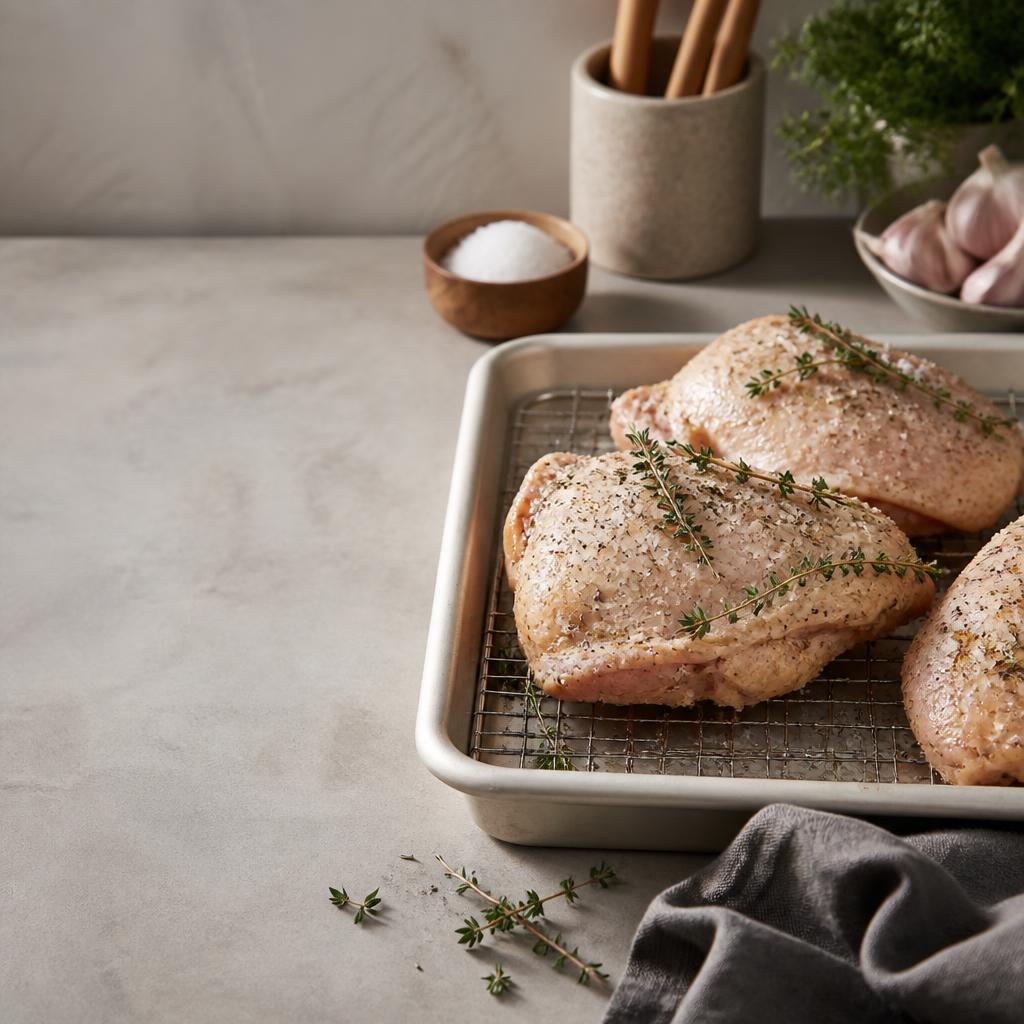
Planning
When Should I Start My Dry Brine?
Calculate salt and schedule a dry brine before cooking.
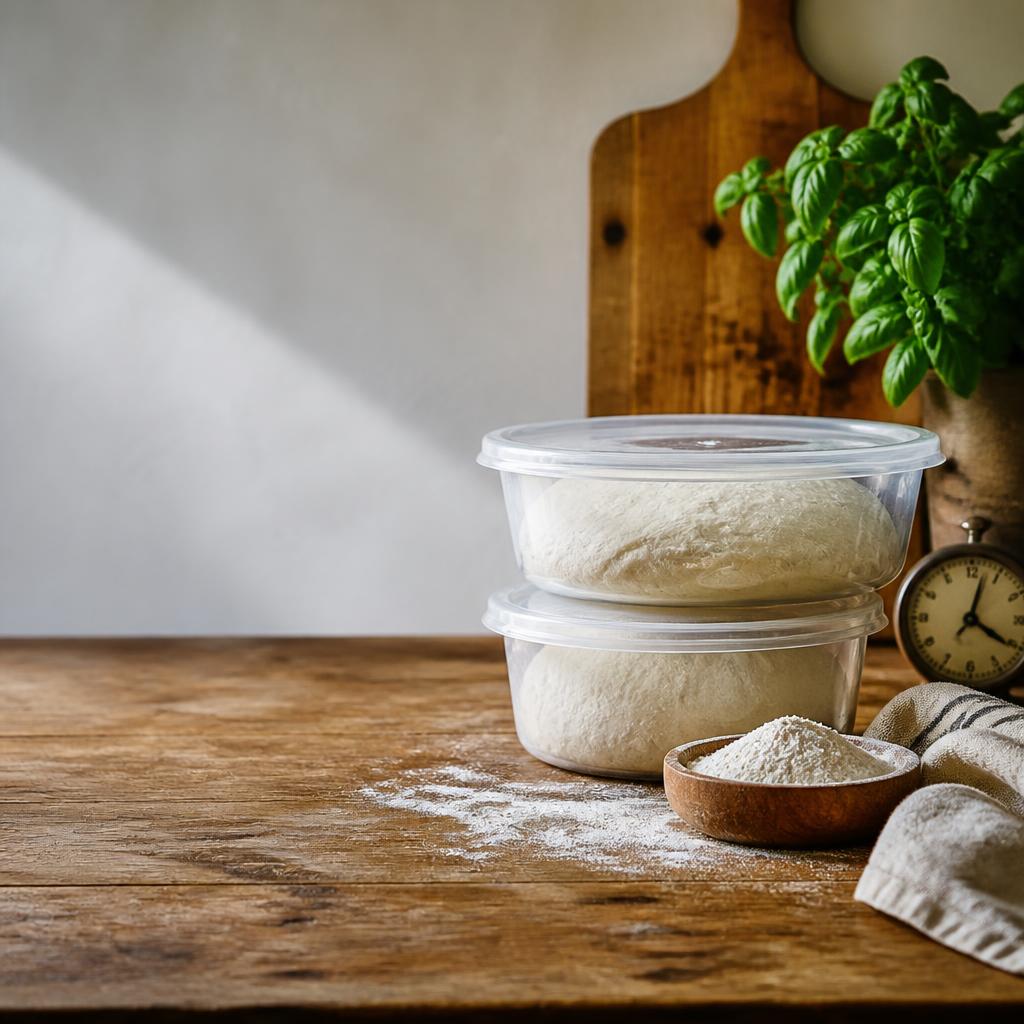
Planning
When Should I Start My Pizza Dough?
Build a dough formula and fermentation schedule for pizza night.
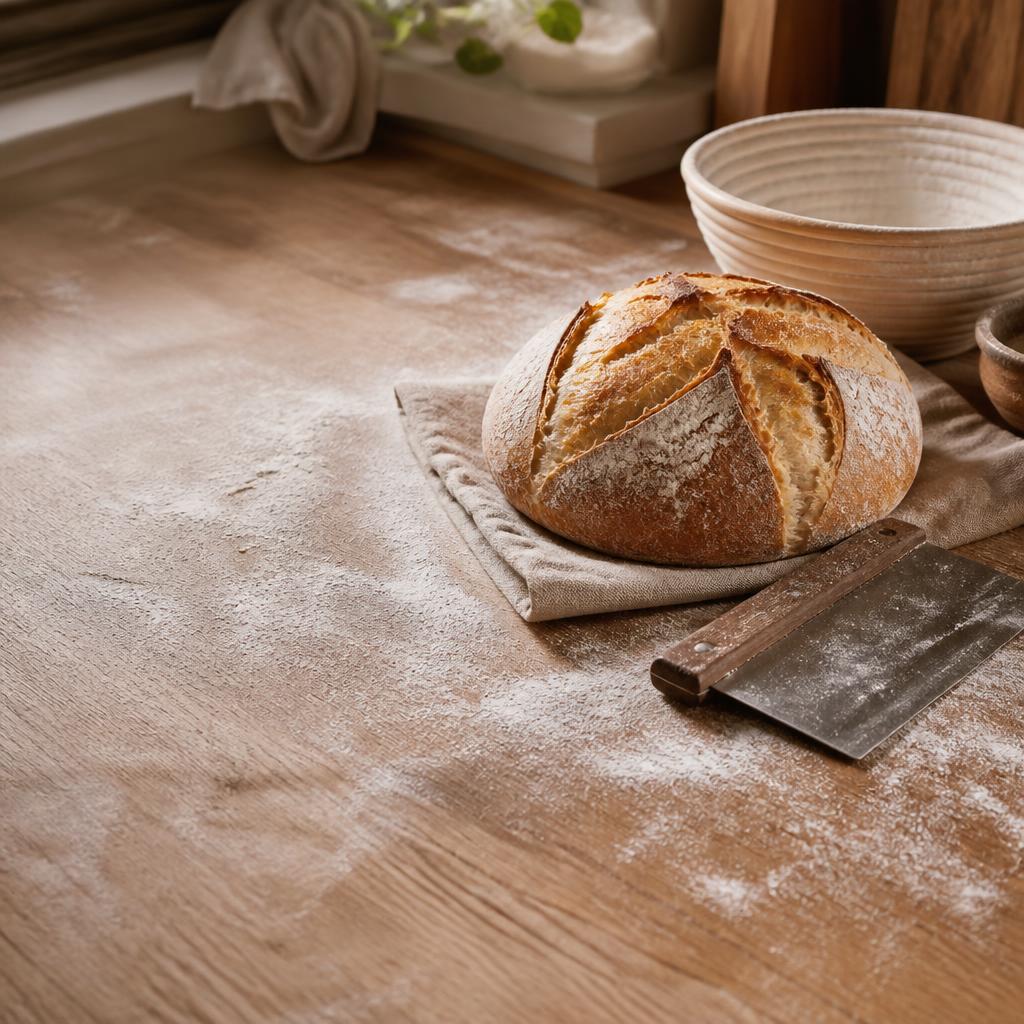
Planning
When Should I Start My Bread?
Estimate bulk fermentation, shaping, proofing, and bake timing.
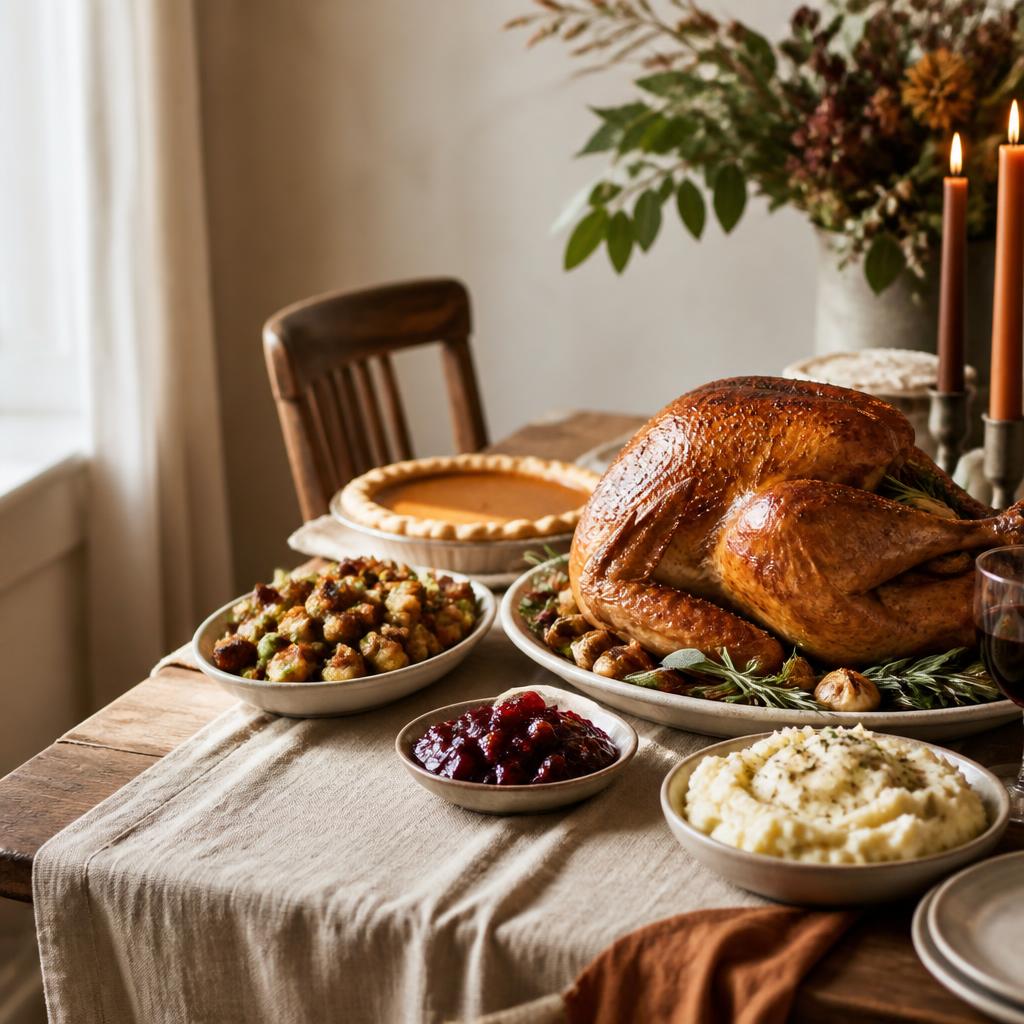
Planning
When Should I Start My Thanksgiving Dinner?
Plan turkey size, sides, oven time, and the holiday schedule.
Planning
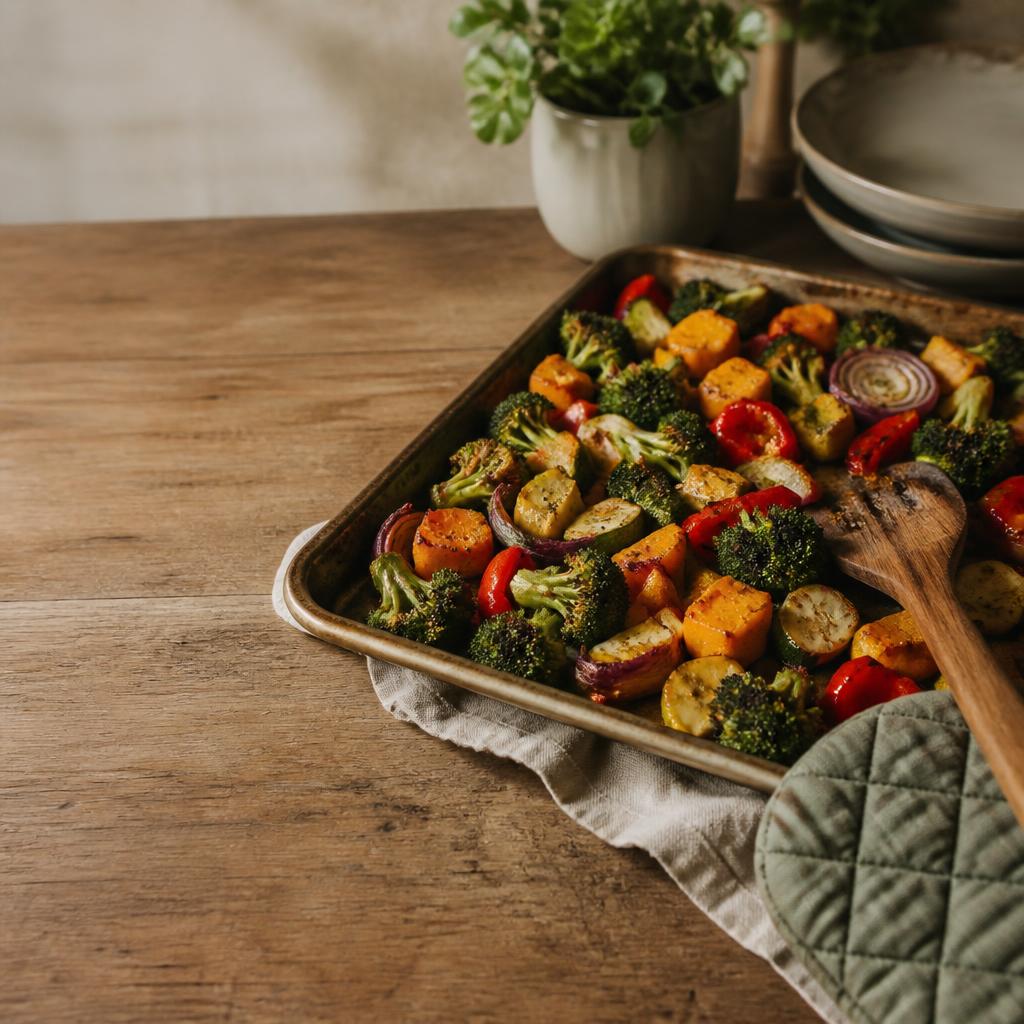
When Should I Start My Roast Vegetables?
Coordinate different vegetables so everything reaches the table together.