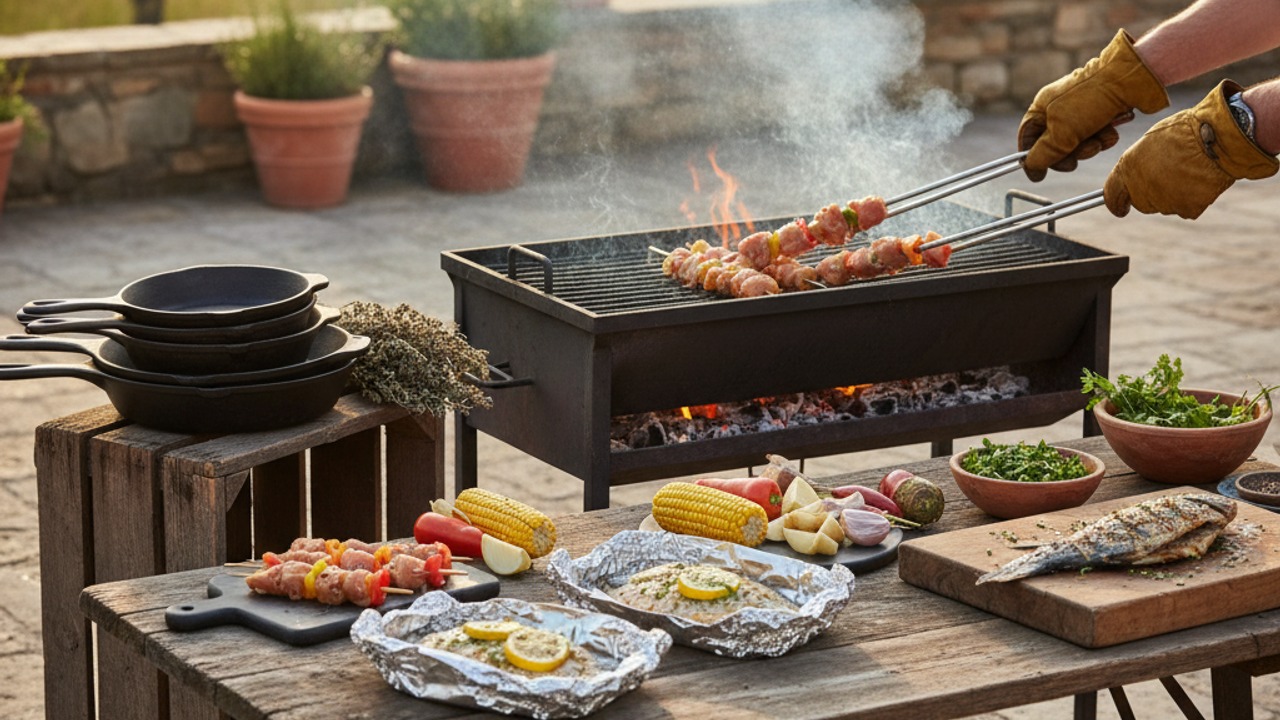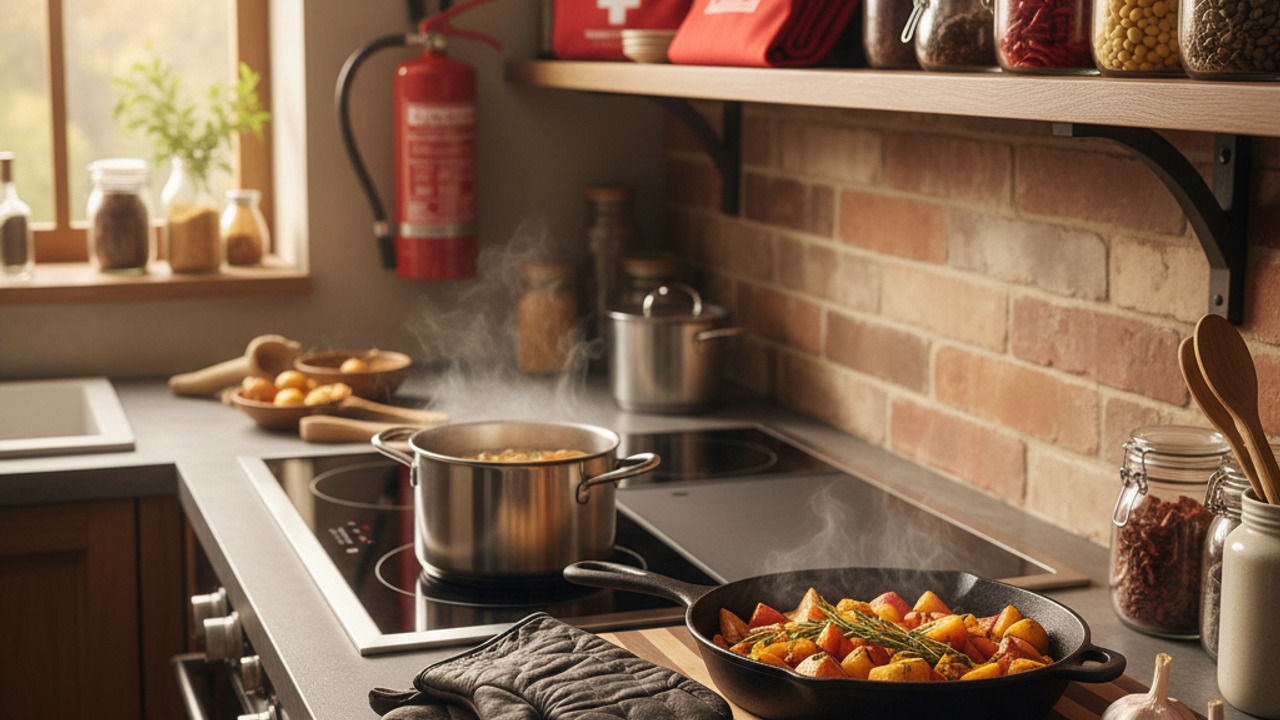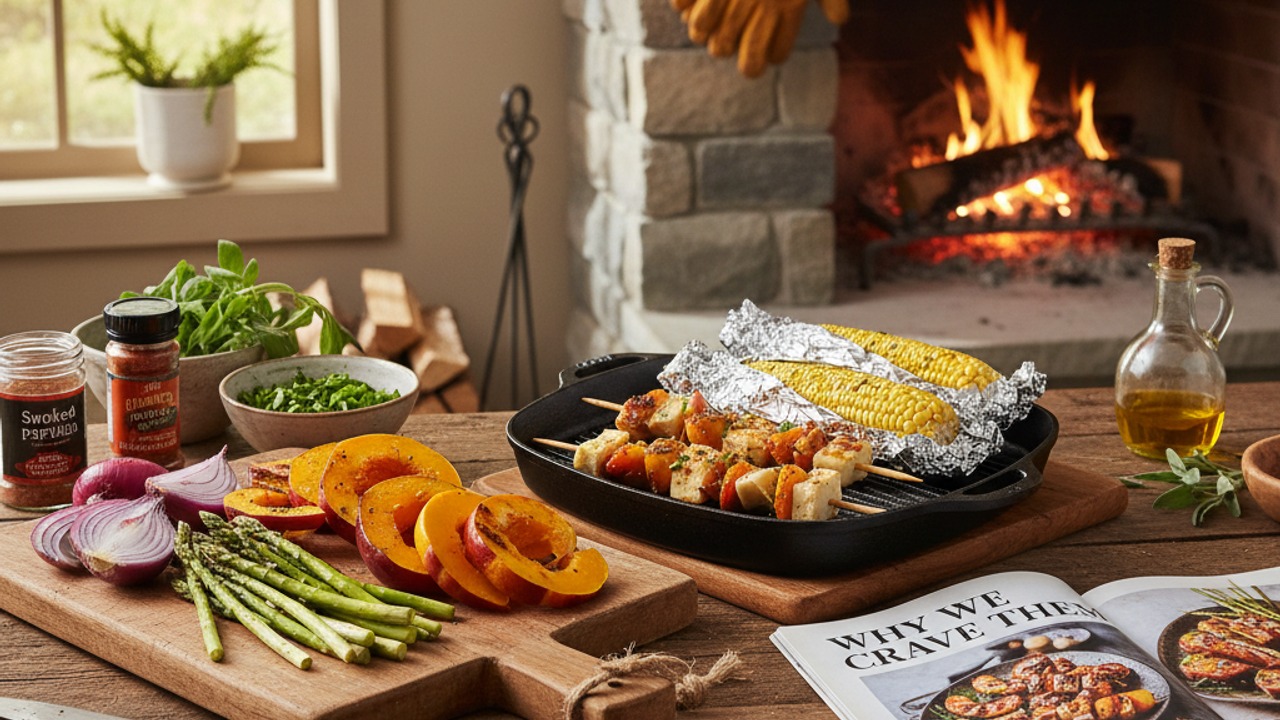
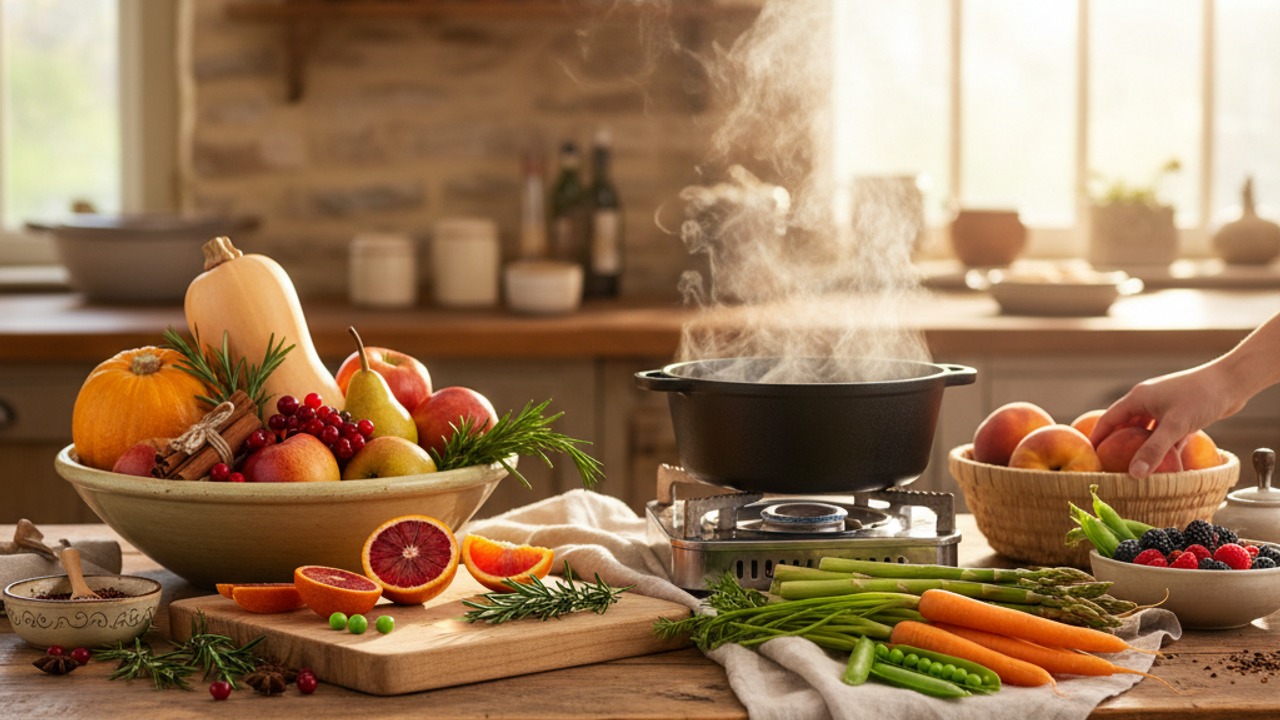
We label dishes as "springy," "summery," "hearty fall," or "holiday comfort" for reasons that are cultural, sensory, and practical. Culturally, seasonal recipes mark rituals: summer barbecues, Thanksgiving roasts, springtime light meals. Sensory drivers—temperature contrast, texture, and aroma—make us prefer bright acids and cool desserts in heat, and long‑cooked savory, sweet‑spiced dishes when it's cold. Supply matters too: fresh berries, stone fruits, and asparagus peak at certain times; root vegetables and squashes are abundant in fall.
At a physiological level, appetite and temperature interact. In hot weather we seek higher acidity, salt, and moisture to promote hydration and crispness; in cold weather we want fat, umami, and Maillard-rich textures to feel satiated. Subconsciously these signals become linked with memories—picnics, holidays, family dinners—so the dish itself becomes a seasonal trigger.
Understanding these drivers lets you preserve what makes a recipe feel "right" for a season while translating it to the grill or campfire.