Measurements
Pan Size Converter
Get the area multiplier you need when moving a cake, brownie, or casserole recipe into a different pan.
Practical guide
Change the pan without guessing at the batter
Why the pan matters
A pan substitution changes more than the outline of a cake. The same batter spread across a larger base becomes shallower, so the edges can dry before the original baking time ends. A smaller base makes a deeper layer whose center may remain underdone. This converter compares the original and replacement pan areas to suggest an ingredient multiplier for a similar depth. It is most useful when the recipe works well already and you want to preserve its proportions rather than redesign the mixture or change its texture.
Measure before you mix
Measure the usable inside dimensions, not the handle span or the outside rim. Enter the original shape and size, then the pan you actually own. A 9-inch round has roughly 64 square inches of base area; an 8-inch square has 64, making their areas close despite their different appearance. Check depth separately because the area calculation does not establish capacity. For brownies to share among four people, decide whether you want a smaller batch or simply smaller pieces before scaling the entire recipe.
Make a practical baking plan
Write the multiplier beside every ingredient and weigh awkward quantities before starting. If a conversion needs part of an egg, beat the egg until uniform, then weigh the needed fraction. Prepare the pan lining and have the oven preheated before adding ingredients that start reacting immediately. For a family of six, two small pans may be more practical than one very deep pan, but check that both fit with space for heat circulation. If they require separate batches, include the second bake and the oven's temperature recovery in your plan.
What the result cannot promise
Keep the recipe's oven temperature as your initial reference unless its author gives pan-specific instructions. Start checking earlier for a shallower layer; do not multiply the baking time by the ingredient multiplier. Pan material, dark finishes, glass, and thick batter all affect the result. Look for the recipe's actual doneness cues, including the center, rather than relying only on browned edges. A cheesecake, yeast bread, or unusually deep cake may need a specialized method. Record the pan, batter depth, and successful checking time so the next conversion starts with useful evidence.
References for this guide
Methodology
How we calculate this
Pan scaling compares usable surface area when batter depth is expected to stay similar.
The math
- Round pan area = π × radius²
- Rectangle or square area = length × width
- Scale factor = new pan area ÷ original pan area
Worked example
An 8-inch round is about 50.3 in² and a 9-inch round is about 63.6 in². 63.6 ÷ 50.3 = 1.26, so multiply each ingredient by about 1.26.
Frequently asked questions
Helpful answers
Can I bake brownies in a 9x13 pan instead of two 8-inch pans?
Compare the pans' usable areas, then multiply the batter by the area ratio. Keep the batter depth similar; a shallower layer usually bakes faster.
Can I use a 9-inch round pan instead of an 8-inch square pan?
Yes. Their areas are nearly identical, so the batter depth and baking time should be similar. Begin checking at the recipe's earliest stated time.
Can I substitute a loaf pan for a round cake pan?
Only if the batter leaves adequate headroom. A loaf pan makes a deeper cake, so the center usually needs more time even if the top looks done.
A practical starting point
Use the result as a planning estimate, then trust the ingredients, your thermometer, and the food in front of you. This tool is designed to make the first calculation easier—not to replace good kitchen judgment.
Embed this tool
Add this utility to a cooking blog or resource page.
If you found this calculator useful, you’re welcome to cite or link to the Pan Size Converter in your own words.
<div class="topshelf-tool">
  <iframe src="https://www.topshelf.recipes/tools/pan-size-converter?embed=1" title="Pan Size Converter" loading="lazy" style="width:100%;min-height:420px;border:0"></iframe>
  <p><a href="https://www.topshelf.recipes/tools/pan-size-converter?utm_source=embedded_tool" target="_top" rel="nofollow">Use the Pan Size Converter on TopShelf Recipes</a></p>
</div>
More measurements tools
View all tools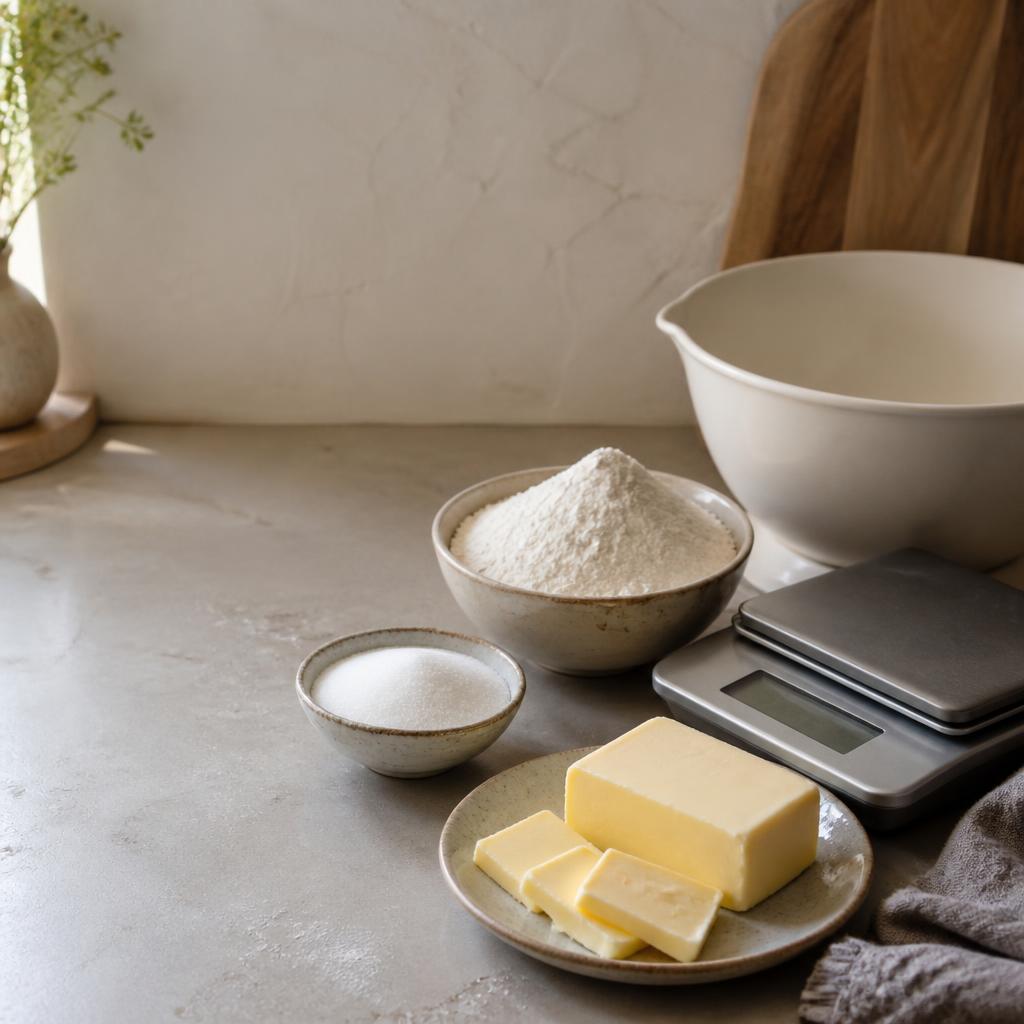
Measurements
Butter, Flour & Sugar Converter
Convert staple baking ingredients between volume and grams.
Measurements
Recipe Ingredient Converter
Convert common kitchen volumes and weights.
Measurements
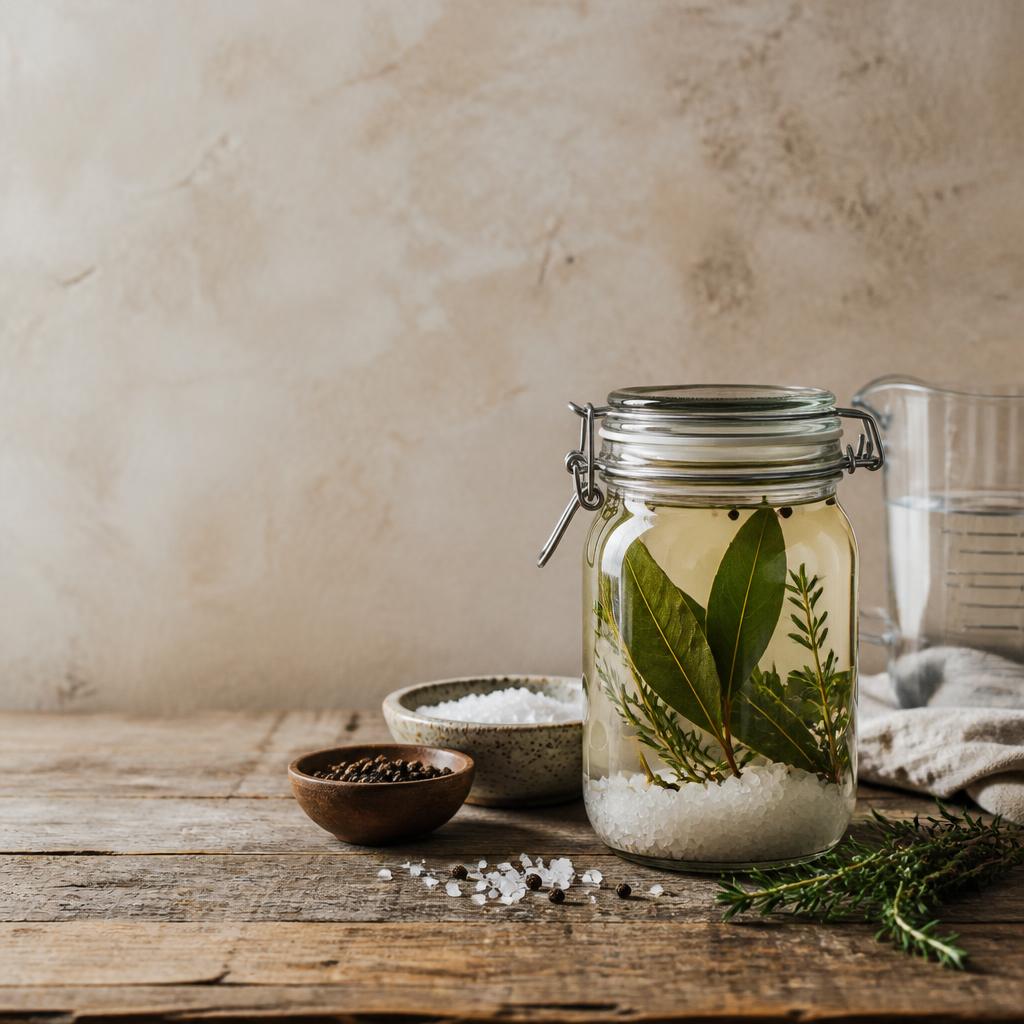
Salt & Brine Calculator
Calculate salt and sugar for a measured wet brine.
Measurements
How Much Salt Does My Food Need?
Season meat, vegetables, and dough by weight and percentage.
Measurements
What Are My Baker’s Percentages?
Calculate a dough’s baker’s percentages from ingredient weights.
Measurements
How Much Yeast Do I Need?
Convert instant, active dry, and fresh yeast for your schedule.
Measurements
Which Cooking Oil Should I Use?
Choose an oil by cooking method, temperature, and flavor.