Scaling
Recipe Serving Calculator
Choose a TopShelf recipe, set the servings you need, and get automatically scaled ingredients in US or metric measurements.
Choose a recipe to load its ingredients and original serving yield.
Practical guide
Scale the ingredients without overlooking the kitchen
Start with the recipe's actual yield
A serving calculator multiplies ingredient quantities by the ratio between the desired servings and the original yield. Scaling a four-serving recipe to six uses a multiplier of 1.5; reducing it to two uses 0.5. This is helpful when a household needs a different dinner quantity or wants planned leftovers. Check what the original serving means before relying on the result. Six appetizer portions, six sandwiches, and six bowls of a substantial main dish are different amounts of food, even when the recipe database uses the same serving count.
Review each scaled ingredient
Search for the recipe, confirm that it is the dish you intended, and enter the new serving count. Review the entire list before shopping or cooking. Some ingredients are measured by count and need a practical decision after scaling: one and a half eggs should be beaten and portioned by weight when precision matters, while a garnish can usually be adjusted more casually. Salt, strongly flavored seasonings, and finishing liquid benefit from tasting and recipe-specific judgment. Do not treat an optional ingredient or a whole bottle of frying supply as something that must all be consumed.
Check capacity before multiplying the batch
For four to six people, moving from one large skillet to two smaller pans may preserve browning better than piling more food into the original pan. A doubled soup needs headroom for stirring and may take longer to heat. Baking usually needs pan-area and batter-depth decisions in addition to ingredient scaling. List the pots, trays, burners, and refrigerator containers you need before beginning. If the oven only holds one tray comfortably, plan sequential batches or a suitable alternative dish; the ingredient multiplier does not create additional cooking space or reduce the time each batch needs.
Keep cooking checks independent of portions
Do not multiply cooking time by the serving multiplier. A thicker casserole may need longer, but more individual pieces of the same size may mainly require extra batches. Check the recipe's doneness cues and use a thermometer where appropriate: poultry reaches 165°F, and reheated leftovers also need 165°F. When preparing extras for the next day, portion them into shallow containers and refrigerate within two hours, or one hour above 90°F. The most useful scaled recipe includes both the adjusted ingredient list and a deliberate plan for how the larger or smaller quantity will actually be cooked, served, and stored.
References for this guide
Methodology
How we calculate this
Every scalable ingredient is multiplied by the ratio between the desired yield and original yield.
The math
- Scale factor = desired servings ÷ original servings
- New ingredient quantity = original quantity × scale factor
Worked example
Scaling a 4-serving recipe to 10 servings gives a factor of 2.5. One cup becomes 2½ cups.
Frequently asked questions
Helpful answers
How much chili should I make for 18 people?
For a main dish, plan about 1 to 1½ cups per person. Use the lower end with substantial toppings and sides and the higher end for hungry guests or leftovers.
How much dry pasta should I buy per person?
Plan about 2 ounces of dry pasta per person as a side or 3 to 4 ounces as a main, then adjust for appetites and the number of other courses.
Does doubling a recipe always double the cooking time?
No. Ingredient quantities double, but cooking time depends on pan depth, surface area, and heat transfer. Use visual cues and internal temperature where appropriate.
A practical starting point
Use the result as a planning estimate, then trust the ingredients, your thermometer, and the food in front of you. This tool is designed to make the first calculation easier—not to replace good kitchen judgment.
Embed this tool
Add this utility to a cooking blog or resource page.
If you found this calculator useful, you’re welcome to cite or link to the Recipe Serving Calculator in your own words.
<div class="topshelf-tool">
  <iframe src="https://www.topshelf.recipes/tools/recipe-serving-calculator?embed=1" title="Recipe Serving Calculator" loading="lazy" style="width:100%;min-height:420px;border:0"></iframe>
  <p><a href="https://www.topshelf.recipes/tools/recipe-serving-calculator?utm_source=embedded_tool" target="_top" rel="nofollow">Use the Recipe Serving Calculator on TopShelf Recipes</a></p>
</div>
More scaling tools
View all tools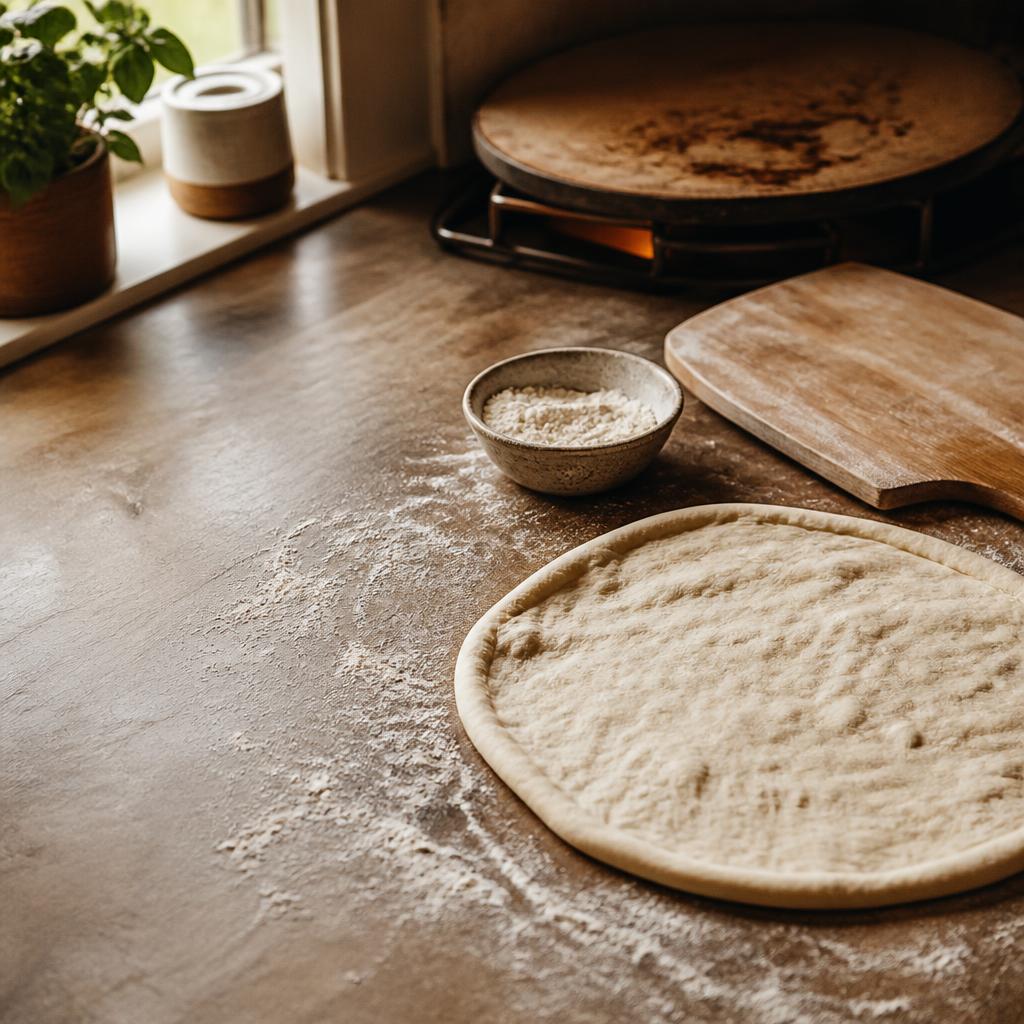
Scaling
Pizza Dough Calculator
Build a dough formula by pizza count, size, and hydration.
Scaling
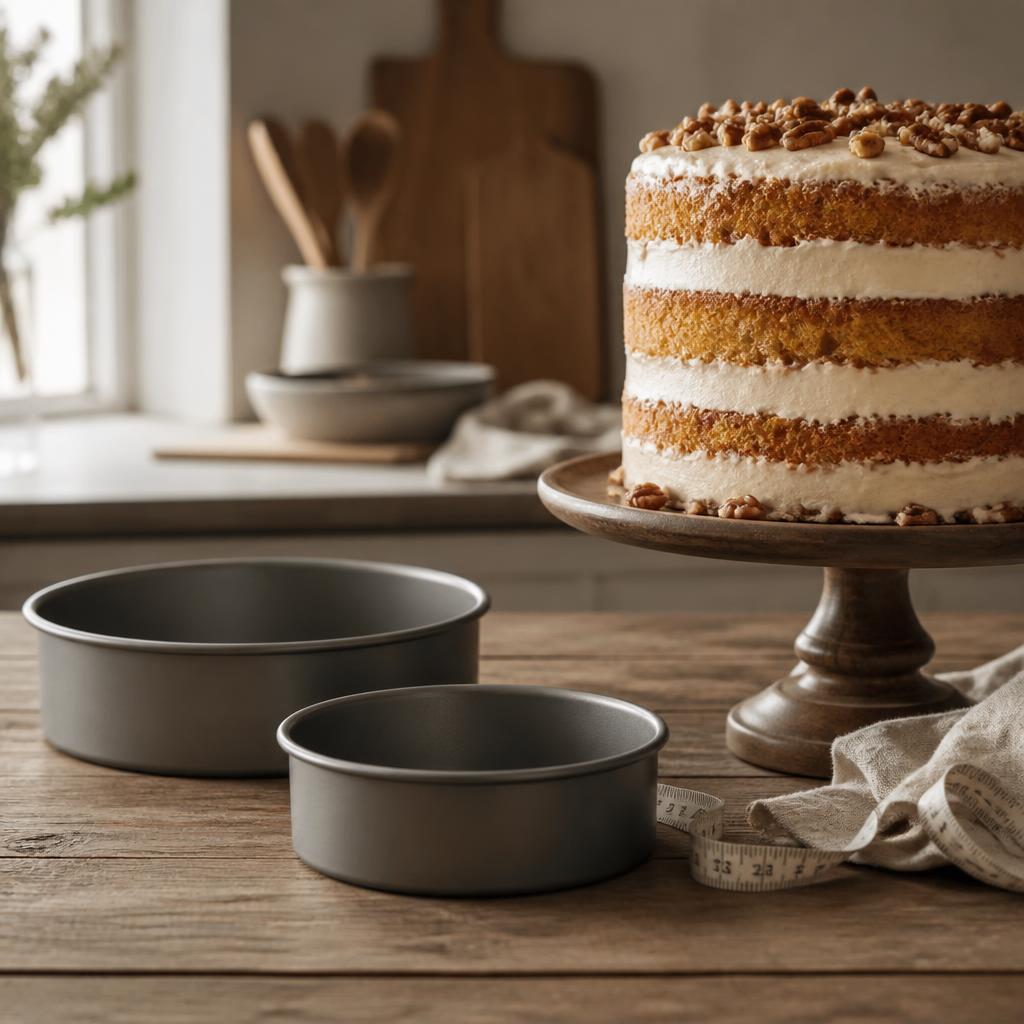
Cake Scaling Calculator
Scale a cake recipe between round, square, and sheet pans.

Scaling
How Much Food Do I Need for My Party?
Estimate appetizers, mains, sides, desserts, and drinks for guests.
Scaling
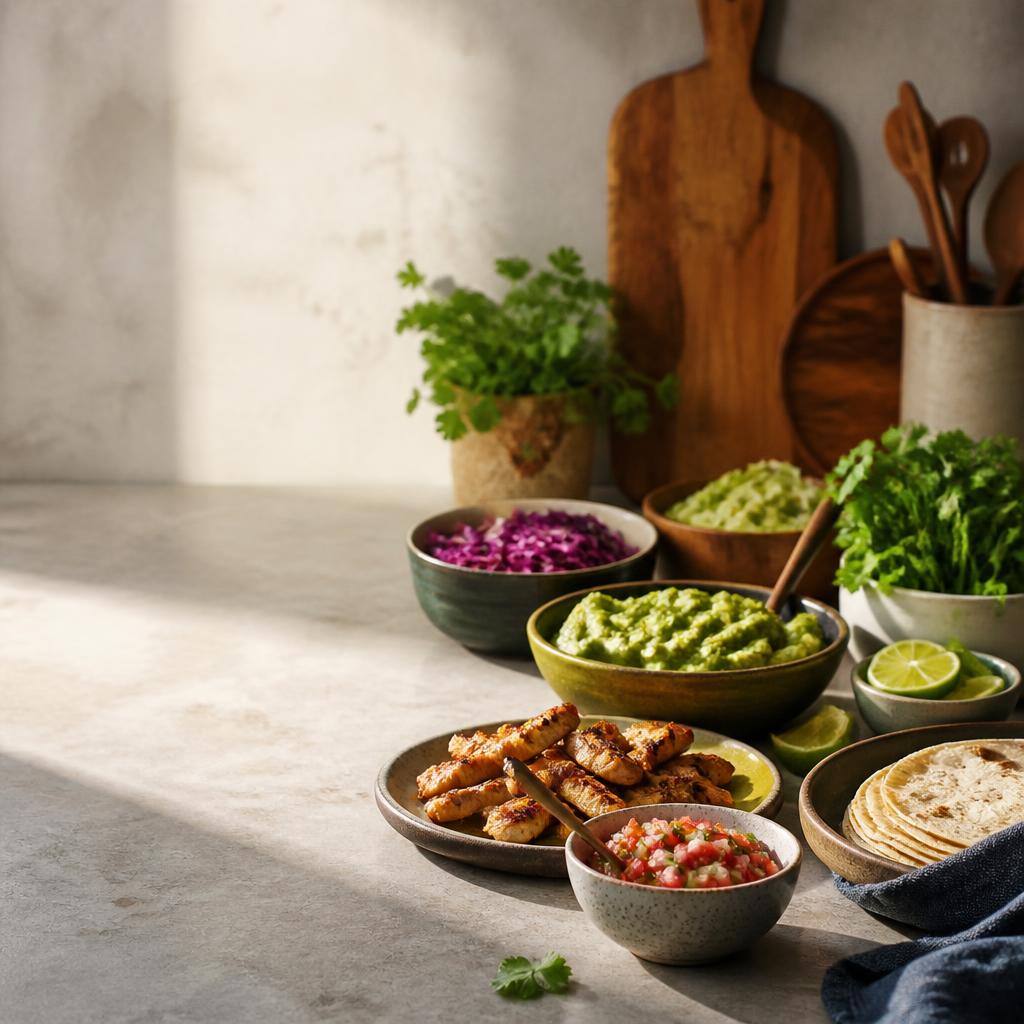
How Much Food Do I Need for a Taco Bar?
Plan tortillas, fillings, toppings, beans, and salsa by guest count.
Scaling
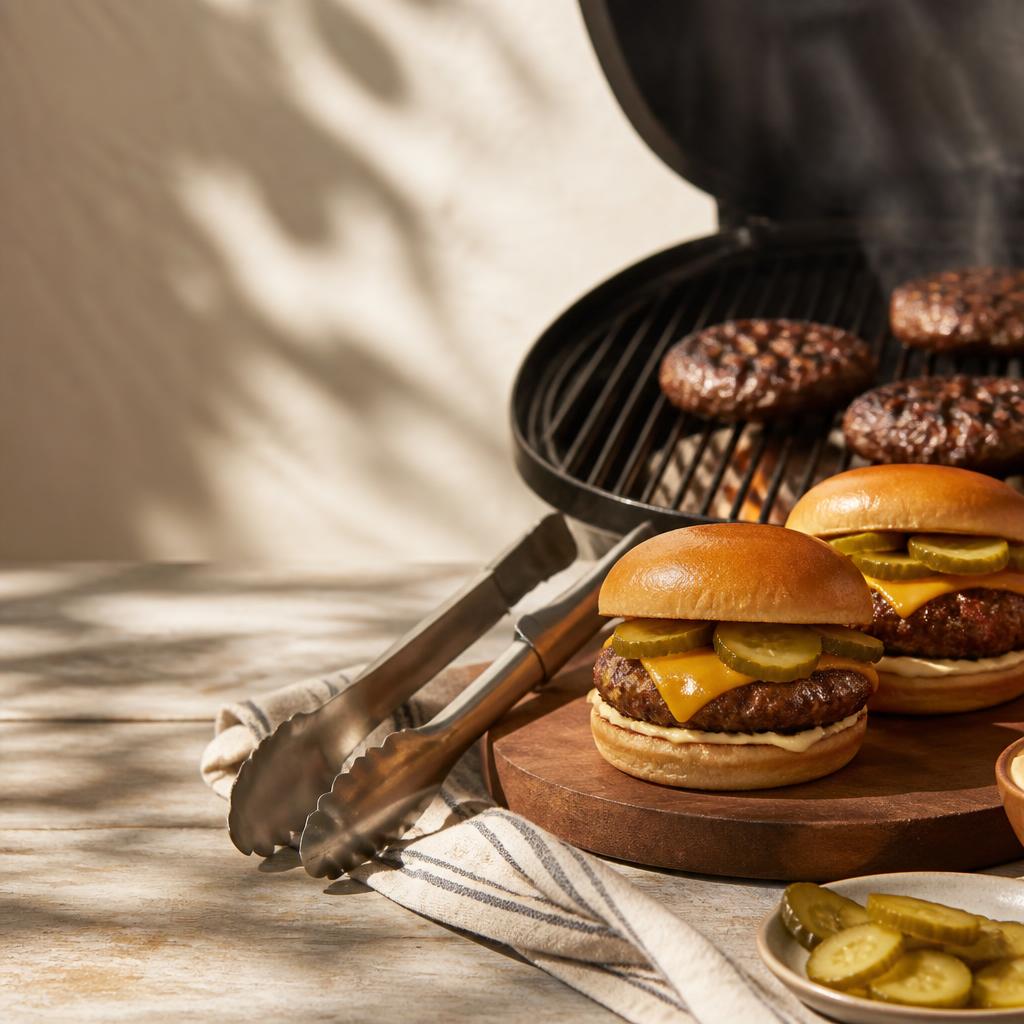
How Much Meat Do I Need for a Burger Cookout?
Estimate patties, buns, cheese, toppings, and sides for a cookout.