Healthy Eating

Healthy Cooking: 10 Science-Backed Facts

A concise, evidence-based guide that dispels common healthy-cooking myths and presents 10 practical, science-backed facts. Each fact includes quick, usable tips on oils, heat, nutrient preservation, seasoning, and food-safety basics you can apply tonight.

Editorially curated
Healthy Cooking: 10 Science-Backed Facts

Myths vs. Evidence

Myths vs. Evidence
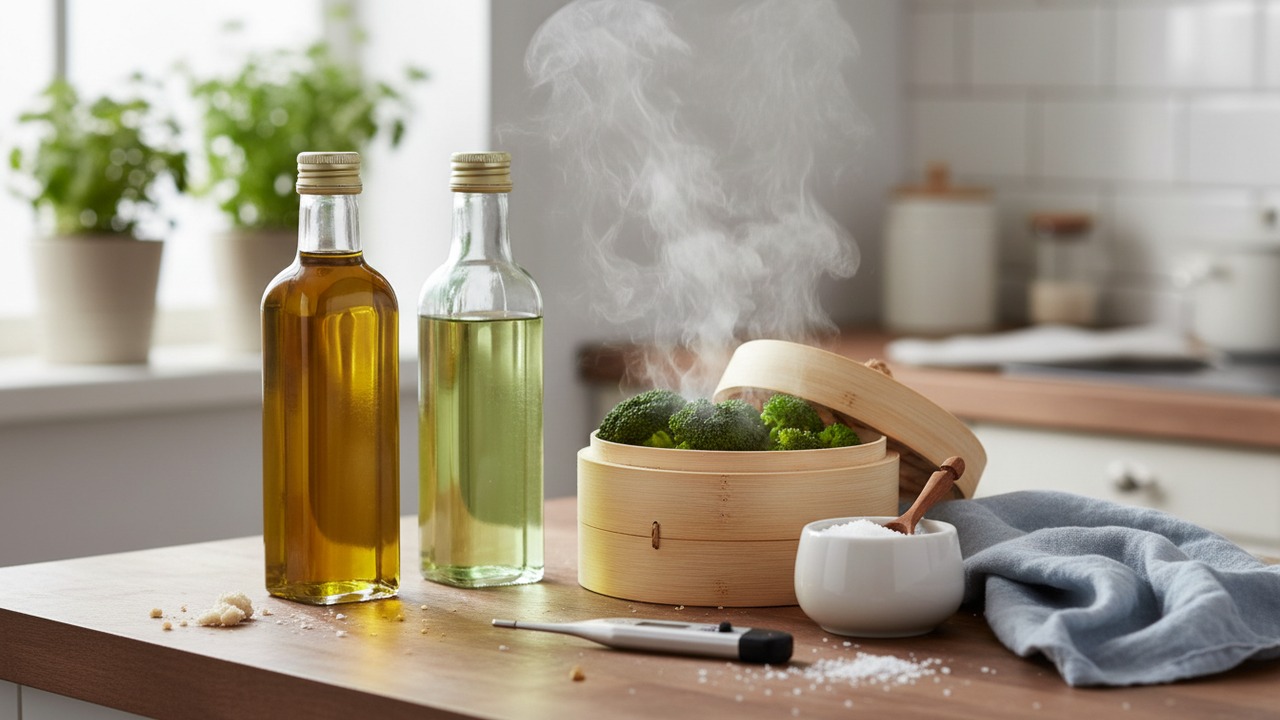
Small visible choices — oil, steam, and salt timing — shape real outcomes.

Home kitchens are full of shorthand — and a few myths that hang around because they sound tidy. One is “all oil is bad.” That flattens two separate ideas: oils carry calories, and oils have different chemistry. Evidence-calibrated correction: oils add calories but also deliver fat-soluble nutrients and flavor. Choosing the right oil and the right portion is the practical move, not skipping oil entirely.

Another common idea is “steaming always preserves all nutrients.” Steaming usually reduces leaching compared with boiling, but it doesn’t stop every loss. Water-soluble vitamins are still sensitive to time and temperature. A short steam or a quick sauté preserves color and most vitamins better than a long simmer in a lot of water.

“Salt late ruins health” is another simplification. Timing salt matters for texture — salting early can draw moisture and act like a light brine, while salting at the end preserves crunch and bright surface seasoning. For health, the real levers are total sodium over the day, not whether you sprinkle at the start or finish of one dish.
Oil Choices

Start by matching oil to the job. Smoke point is about safety and flavor: refined oils (refined avocado, refined canola) tolerate higher temperatures without smoking and are better for searing or high-heat grilling. Extra-virgin olive oil has lower smoke tolerance but carries a strong flavor profile that improves dressings and low- to medium-heat sautés. When a recipe asks for a quick, hot sear — as with Korean Grilled Pork Collar Steaks — choose a refined oil for cleaner browning.

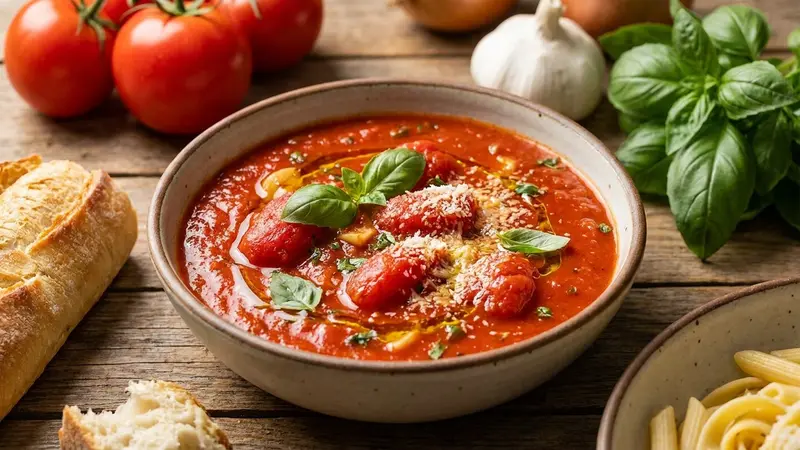
Extra-virgin and refined labels are about processing and flavor intensity. Use extra-virgin olive oil for finishing, dressings, and gently cooked tomatoes in a Classic Marinara Sauce from Scratch where the oil’s green-fruity notes matter. For stir-frying or a cast-iron sear, refined oils give the same lubrication without the burnt flavor. Both count for calories: a tablespoon is still a tablespoon, so measure rather than pouring freely.

Storage and portions matter for freshness and waste. Keep oils in a cool, dark place; weak light and heat speed rancidity. Use darker bottles or a pantry shelf, and buy smaller quantities of delicate extra-virgin olive oil if you don’t use it often. For portion control, mix dressings in a small jar and drizzle from a measuring spoon until you’re comfortable with the visual amount.

Heat & Cooking Methods

Heat & Cooking Methods
Sear for crust; gentler heat for tender interiors and glossy glazes.

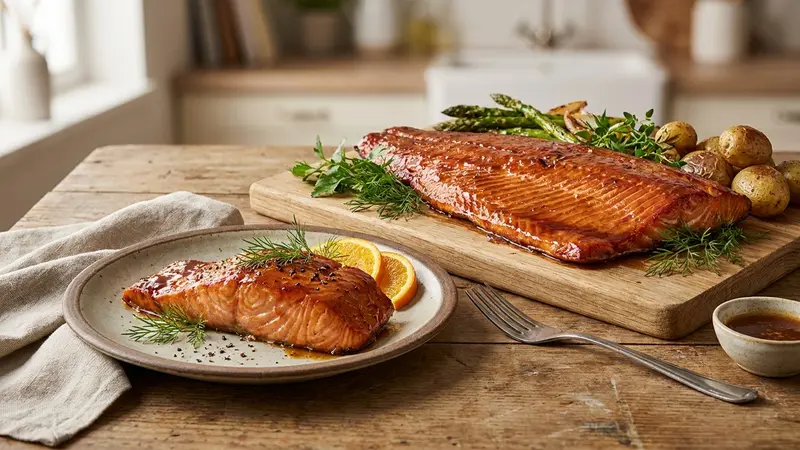
High heat and low heat produce very different things. High heat (searing, grilling) creates Maillard browning — that caramelized crust and roasted aroma — while low, gentle heat (simmering, poaching, slow roasting) preserves tenderness and avoids shrinking delicate proteins. Use searing for quick texture contrast and lower temperatures for an even, tender interior. Maple-glazed Smoked Salmon benefits from gentler finishing so the glaze sticks without drying the flesh.

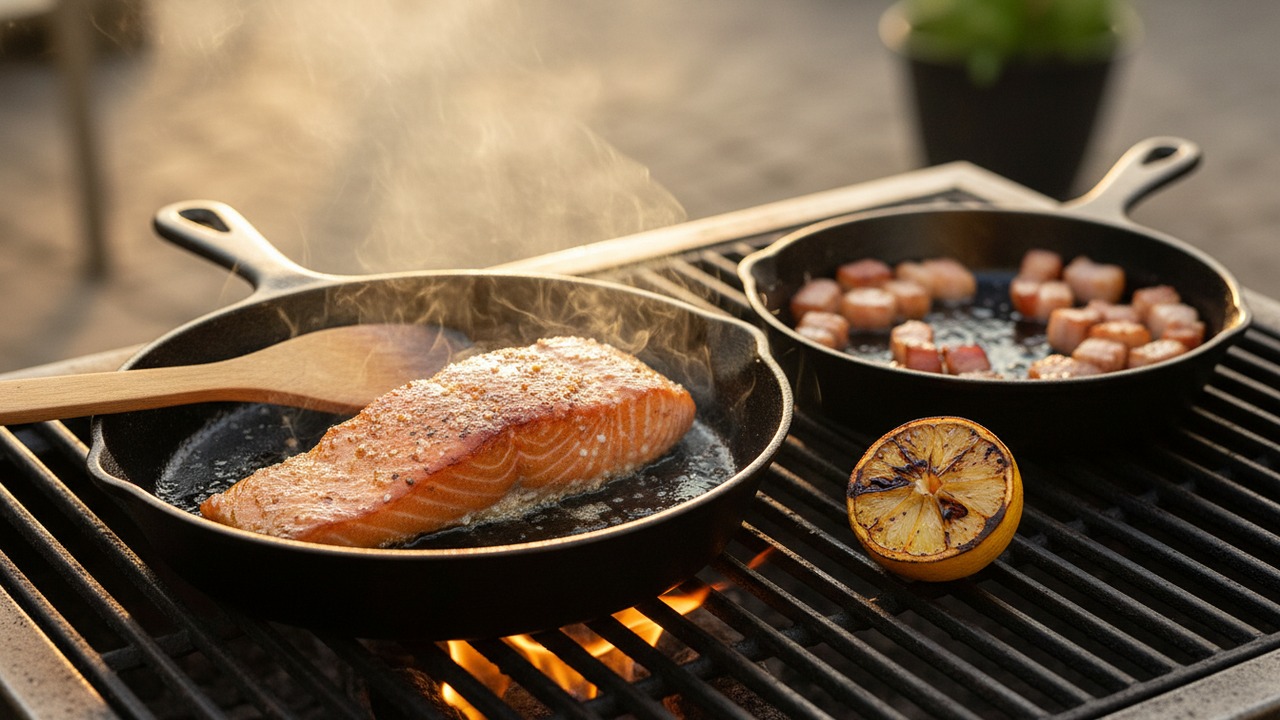
Observable cues matter more than numbers in a busy kitchen. For a pan: oil should shimmer and move like a thin sheet before you add food; small wisps of smoke mean you’re at aggressive searing temperature. For an oven, learn visual cues like edges browning and juices bubbling for roasting, and use a thermometer for precision when you need it. A medium-hot pan gives a steady sizzle; if the sound is frantic and spits, it’s too hot.

Small technique changes change outcomes. A crowded pan steams rather than browns, so cook in batches or use a larger pan. Size matters: thinner cuts heat through faster and crisp sooner. Adjust cooking times, and if you need even cooking, allow meat to come closer to room temperature before high-heat searing or lower oven roasting so the contrast between surface and center isn’t extreme.

Nutrient Preservation

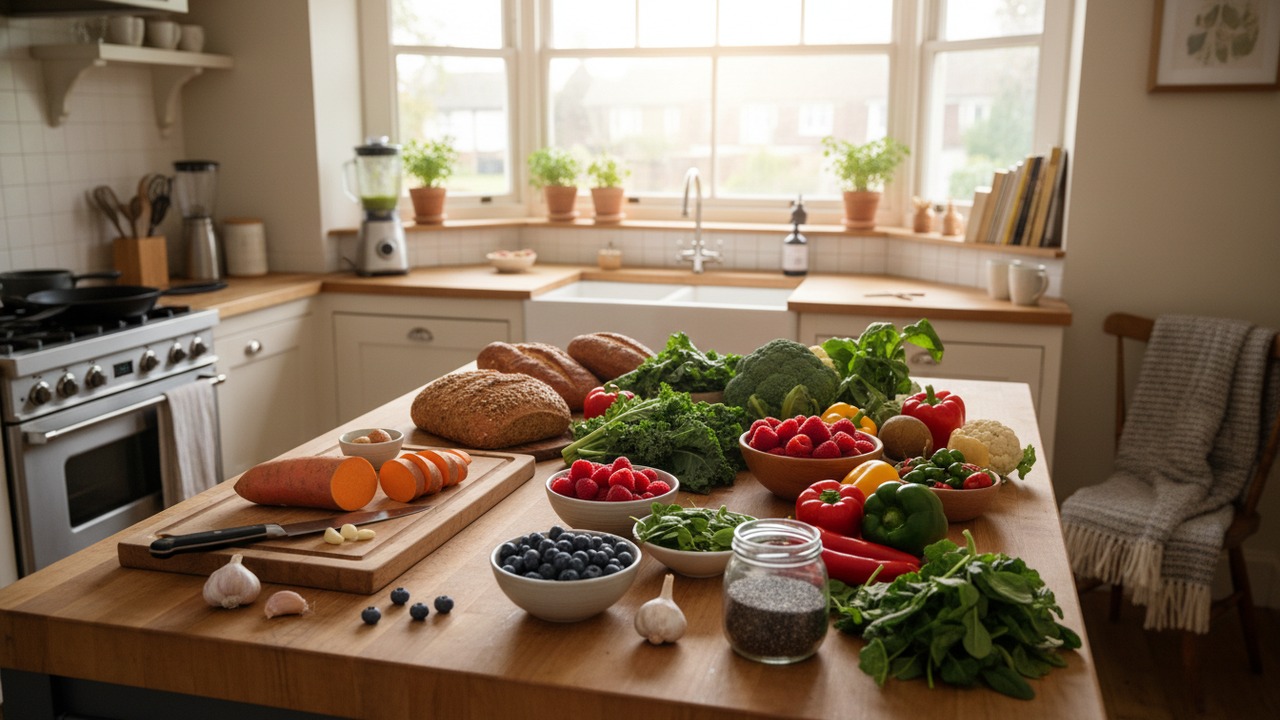
If your goal is to keep vitamins and color, prefer methods that limit water contact and shorten time at high heat. Steaming, quick sautéing, and blanch-and-shock put vegetables through a brief, controlled heat burst that limits leaching of water-soluble vitamins. Blanching then plunging into ice preserves bright color and crispness, making greens more appealing and more likely to be eaten.

Cutting size and time matter. Smaller pieces cook faster but expose more surface area to heat and water, which can mean more nutrient loss if you overcook. A coarse chop that cooks quickly and is eaten right away often preserves more nutrients than a long simmer of tiny dice. Avoid long soak times before cooking; water baths draw out soluble vitamins.

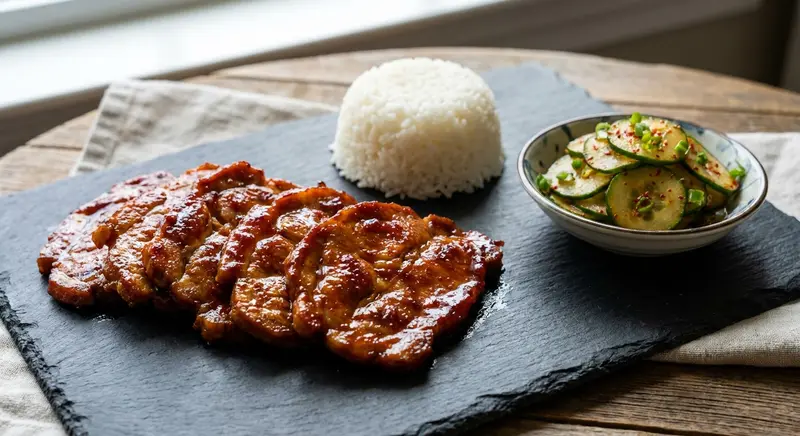
Practical swaps to try tonight include a fast stir-fry of sliced broccoli and bell pepper, or blanching green beans for two minutes then shocking them in ice before tossing with a lemon-herb dressing. You can also reduce losses in a tomato sauce by simmering with the lid off for less time and finishing with fresh basil or a splash of vinegar to brighten perceived flavor and retain some heat-sensitive compounds. The Korean Grilled Pork Collar recipe’s quick cucumber kimchi is a reminder that raw, pickled, or lightly dressed vegetables often hold the most immediate nutrient value.

Seasoning & Flavor Building

Seasoning & Flavor Building
Salt early or late for texture; finish with acid and fresh herbs.

Salt is not just seasoning; it’s a texture tool. Salting meat early (an hour or more) draws out moisture and then reabsorbs it, producing a mildly brined interior and better seasoning throughout. Salt at the end preserves surface crunch and immediate saltiness for things like salads or quick-grilled chicken. For weeknight cooks, a small salt at rest and a light finishing sprinkle often gives the best balance.

Acid and heat are a cheap, calorie-free way to amplify flavor. A squeeze of lemon at the end brightens fattier foods, and a splash of vinegar can lift a simmered sauce. Aromatic fats — a little oil gently heated with garlic or shallots — extract flavors and distribute them through a dish without adding excessive calories. Layering these elements across a cook’s timeline (sweat aromatics early, acid late, salt staged) is more effective than a single heavy-handed seasoning.

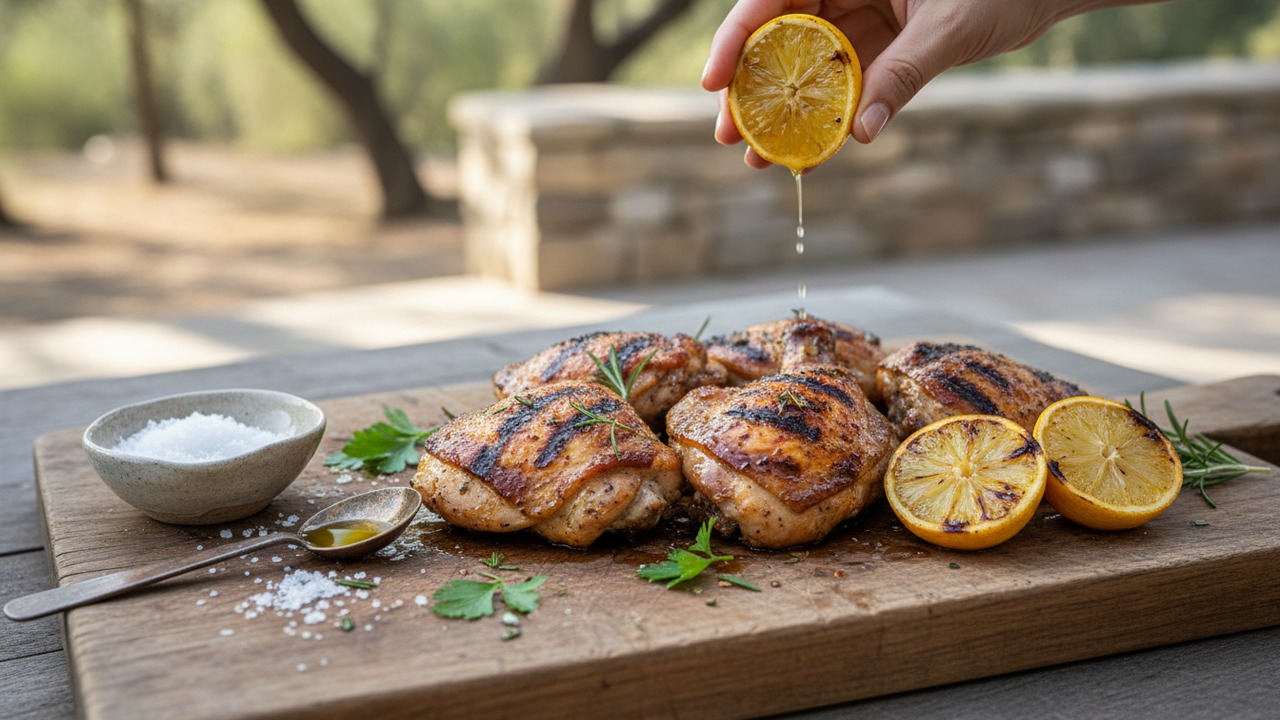
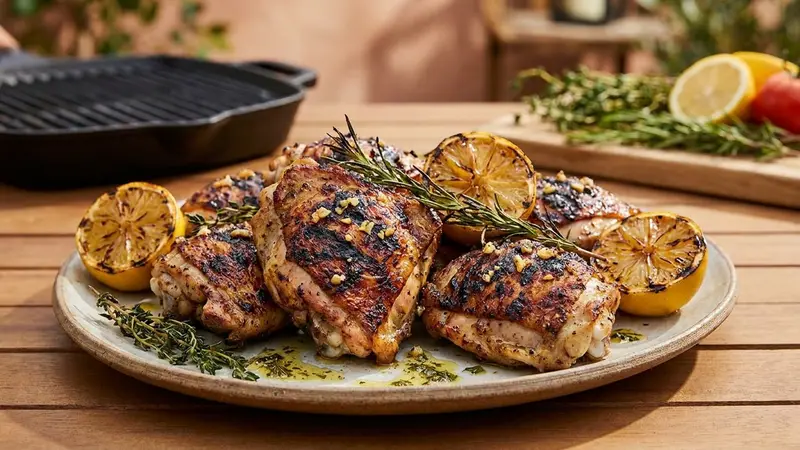
Concrete finishing techniques you can use tonight: finish grilled chicken with charred lemon halves to squeeze over the meat, add a teaspoon of vinegar to a pan sauce to wake it up, and scatter torn fresh herbs just before serving for immediate green fragrance. The Smoky Charred Lemon Herb Grilled Chicken recipe shows how char and lemon interact; a simple Classic Marinara benefits from a final splash of good olive oil and torn basil.

Food-Safety Basics

Use a thermometer for the things that matter. Safe internal targets commonly used in food-safety guidance are: 165°F (74°C) for poultry and leftovers when reheating; 160°F (71°C) for ground meats; and 145°F (63°C) for whole cuts of beef, pork, lamb and fish, with a short rest for carryover cooking. Check temperature in the thickest part of the cut and allow a couple minutes if you’re holding for carryover.

Prevent cross-contamination with simple habits: use separate cutting boards or at least wash boards and utensils with hot, soapy water between raw meat and produce. A dedicated, color-coded board for raw proteins saves mental work. Wipe counters and handle tongs or serving utensils only after washing your hands when switching between raw and cooked items.

Cool and store with realistic timing: refrigerate perishable foods within two hours of cooking (one hour in hot conditions). Keep your fridge at or below 40°F (4°C). Refrigerated leftovers are typically safe for three to four days; freeze anything you won’t eat in that window. When reheating, bring to 165°F for safety and quality. These are straightforward rules you can follow tonight to reduce risk without complicating your cooking.

Recipes in This Article

Maple-glazed Smoked Salmon
Smoking

Maple-glazed Smoked Salmon

A sweet, savory smoked salmon finished with a sticky maple glaze that caramelizes gently over low heat. Bright lemon and a touch of Dijon balance the richness for an impressive yet approachable smoking recipe.

105m Medium0View Recipe
Classic Marinara Sauce from Scratch
Stovetop

Classic Marinara Sauce from Scratch

A simple, bright marinara made on the stovetop with pantry staples — perfect for pasta, dipping, or as a base for other comfort dishes. This from-scratch recipe yields a balanced, slightly sweet tomato sauce with fresh basil and olive oil flavor.

45m Easy0View Recipe
Smoky Charred Lemon Herb Grilled Chicken Thighs (Bone In)
Grilling

Smoky Charred Lemon Herb Grilled Chicken Thighs (Bone In)

Bone-in chicken thighs get a rustic, smoky treatment with charred lemon and a garlicky herb marinade that crisps the skin and keeps the meat juicy. This straightforward grilling recipe highlights bright lemon, fresh herbs and smoked paprika for an easy weeknight or weekend centerpiece.

65m Medium0View Recipe
Korean Grilled Pork Collar Steaks (Moksal) with Gochujang-Honey Glaze and Quick Cucumber Kimchi
Pork

Korean Grilled Pork Collar Steaks (Moksal) with Gochujang-Honey Glaze and Quick Cucumber Kimchi

Tender, marinated pork collar (moksal) grilled over high heat until caramelized and sticky with a gochujang-honey glaze. Served with a quick refrigerator cucumber kimchi, spicy scallion oil, steamed rice and lettuce for easy weeknight assembly.

37m Easy0View Recipe
Grilled Carbonara with Pancetta & Charred Lemon
Grilling

Grilled Carbonara with Pancetta & Charred Lemon

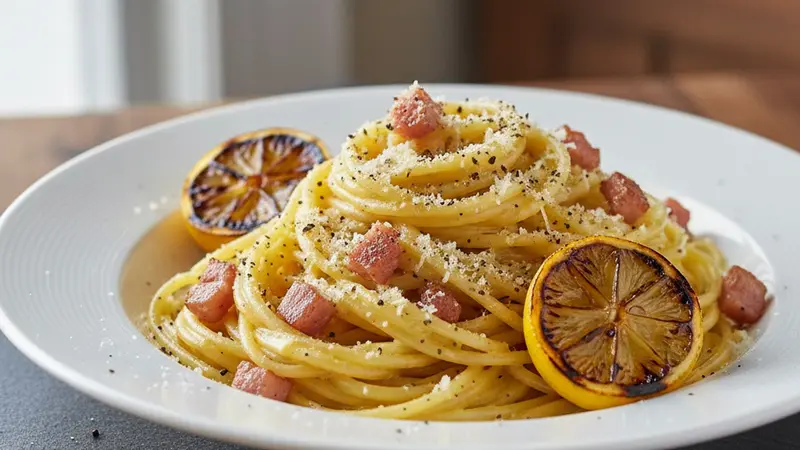
A weeknight grilled twist on classic carbonara—pancetta crisped over the grill for smoky depth and charred lemon to brighten the silky egg-Pecorino emulsion. Finish the sauce off-heat with reserved starchy pasta water for a creamy, scramble-free result that comes together fast and impressive.

40m Medium0View Recipe

Comments

Leave a comment

0/2000

No comments yet — be the first to share your thoughts.

Keep exploring

More to read

All articles →