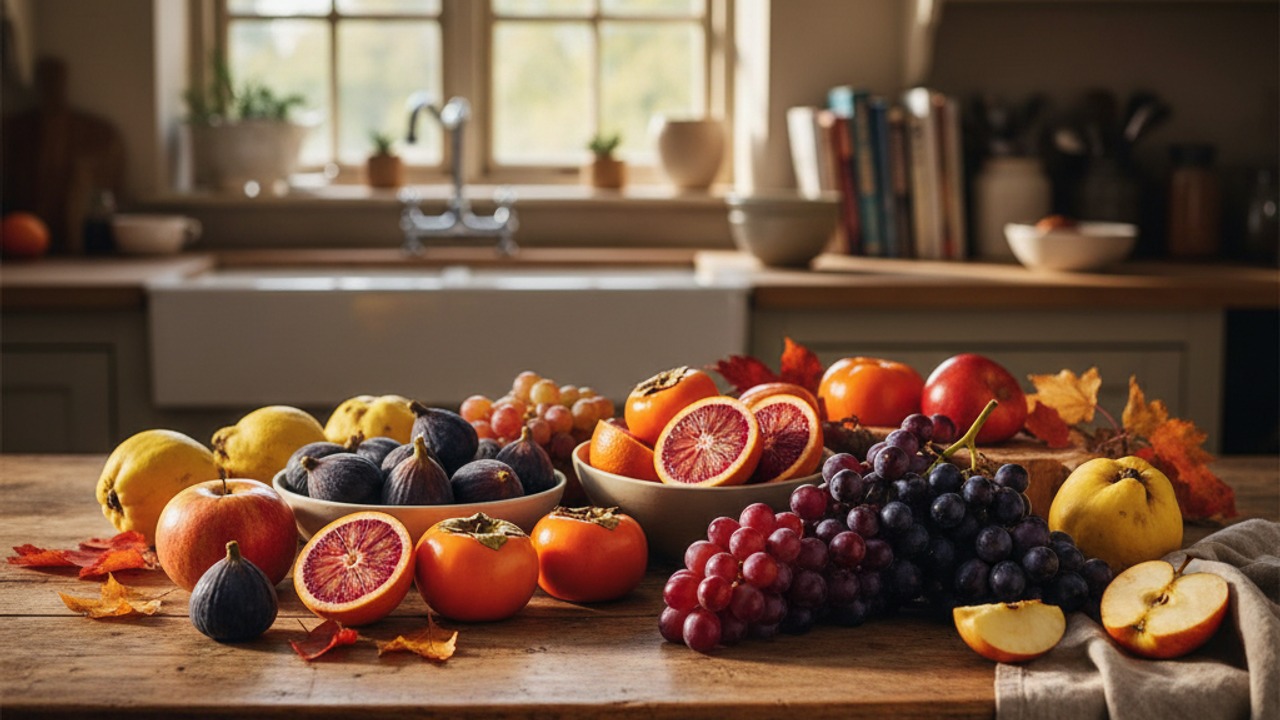
Late-summer produce is chemically and sensorially different from early-season fruit because its sugars and secondary aromatics have had time to develop. That higher brix—more soluble sugar—translates into both intensity and viscosity: juices are syrupier, aromatics are more fragile and perfume-like, and the fruit’s natural acids are often more pronounced relative to water content. Those traits change extraction choices because high sugar can mask acidity while volatile aromatics evaporate quickly under heat, so technique determines whether you preserve perfume or concentrate depth.
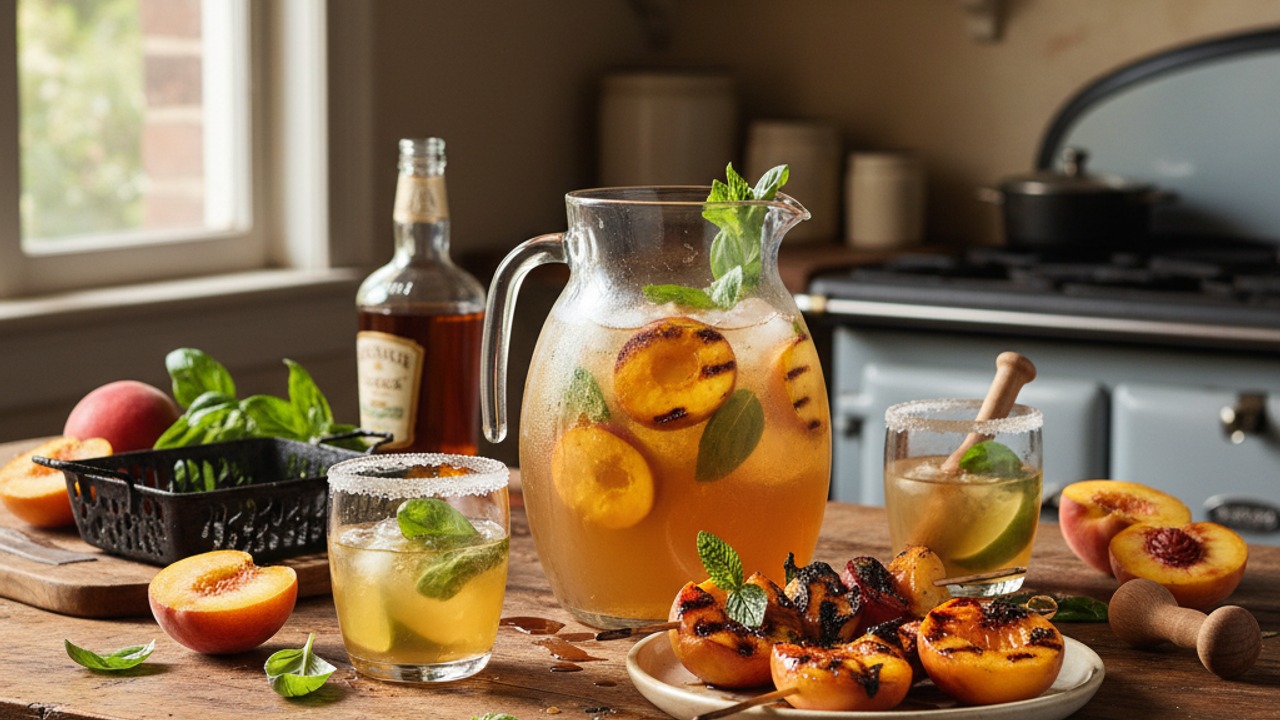
When deciding to macerate versus cook, think about what you want to emphasize. Maceration with a little salt or acid softens texture and releases fragrant esters without losing top notes; cooking or grilling concentrates sugars and adds Maillard and caramelized savory flavors that can support spirits. Acidity is the balancing lever because it sharpens fruit and reduces cloying sweetness; herbs provide lift by emphasizing volatile terpenes, and they pair best when added late. Read ripeness by scent, softness, and syrupy juices, then choose a technique that either preserves that fresh perfume or intentionally transforms it.