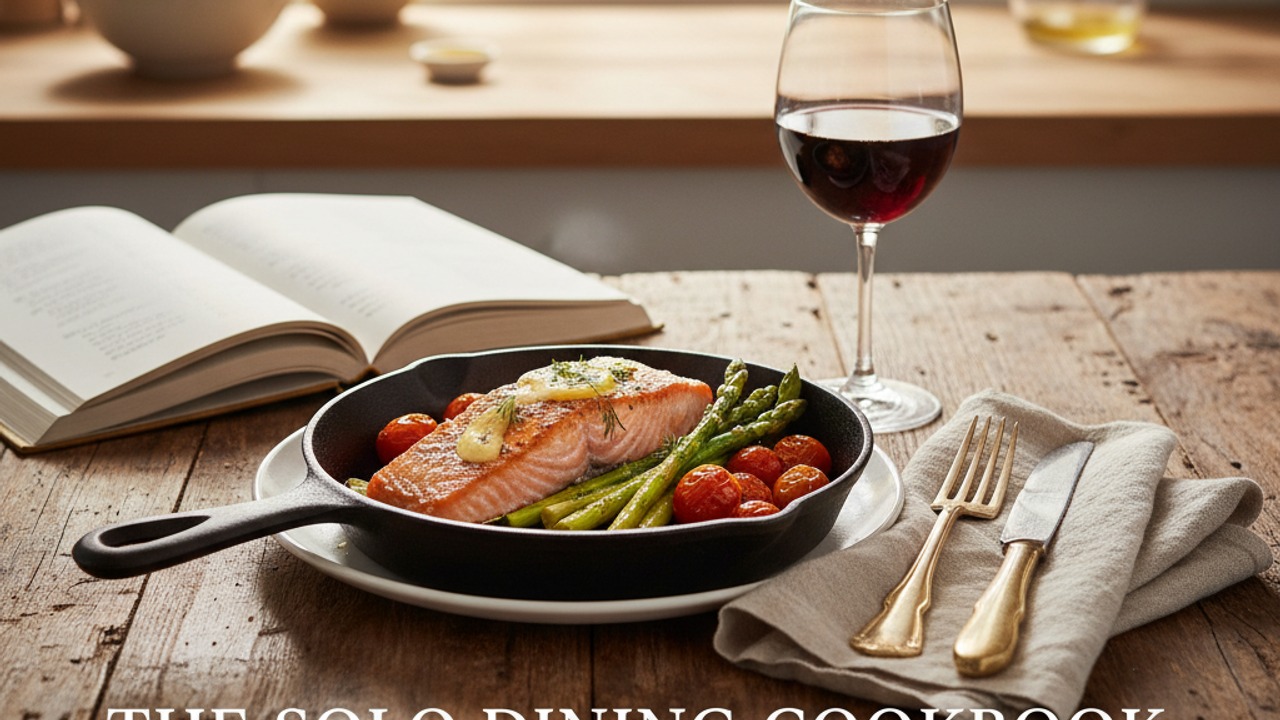
Why solo dining matters in 2026
Solo dining is no longer a niche; it's a movement. More people are living alone, working flexible schedules, and choosing to savor meals solo. The Solo Dining Cookbook: 20 Single-Serve Recipes That Feel Like Restaurant Meals meets this moment by treating one-person cooking as serious cuisine—not an afterthought of reheated leftovers.
This book (and this article) is for people who want elegant simplicity: big flavors, precise techniques, and minimal waste. Below you'll find what the cookbook offers, why the recipes work, practical equipment and grilling tips, and sample recipes you can start grilling tonight.
What the cookbook delivers
The collection focuses on single-serve portions with restaurant-level finishes. Core strengths include:
- Balanced plating and portioning so you get the texture and visual appeal of a restaurant dish without overshooting calories or creating food waste.
- Strong technique notes (searing, deglazing, controlled roasting) that translate across proteins and vegetables.
- Smart time management: make-ahead components, one-pan methods, and batch-friendly sauces.
- Adaptable recipes for grill, stovetop, oven, or air fryer.
If you want 20 distinct meals—from a charred lemon chicken breast to a single-serve seafood paella—the approach here is to teach you the technique once and let you remix it.
20 single-serve recipe highlights
Here are the types of recipes you’ll find (each one designed for a single portion):
- Cast-iron ribeye with garlic butter
- Citrus-chili grilled salmon with crispy broccolini
- Pan-seared chicken with mustard cream sauce
- Single-serve beef stroganoff over buttered noodles
- Shrimp scampi for one
- Individual roasted vegetable buddha bowl
- Miso-glazed cod with charred scallions
- Lamb chop with herb gremolata
- Steak frites (scaled to one steak)
- Truffle mushroom risotto for one
- BBQ pork shoulder sliders (single portion)
- Grilled haloumi and pepper stack
- Shrimp and grits — one skillet
- Mini lobster mac and cheese
- Sheet-pan salmon tray with potatoes (single sheet)
- Seared scallops with brown-butter lemon
- One-pan Moroccan chicken with preserved lemon
- Pan-roasted duck breast with cherry glaze
- Charred octopus salad (prepped for one)
- Single-batch crème brûlée
Each recipe includes notes on timing, plating, and how to finish like a restaurant—think compound butter, micro-herbs, or a quick pan sauce.
Essential equipment for solo cooking
One-person cooking favors compact, versatile tools. Invest in:
- 10–12-inch cast-iron skillet: retains heat, perfect for searing and oven transfers.
- Small sheet pan or half-sheet: roast a single portion without crowding.
- 2-qt saucepan: for sauces, grains, and small-batch risotto.
- Air fryer or broiler pan: for fast high-heat finishing.
- Digital instant-read thermometer: essential for precision.
- Good quality chef’s knife and tongs.
These items let you execute restaurant techniques without cluttering your kitchen.
Grilling and searing tips for solo meals
Grilling single portions can feel awkward, but the cookbook provides tactics that work whether you're using a gas grill, kettle, or stovetop grill pan.
- Preheat thoroughly: small pieces heat quickly; ensure the grill/grill pan is HOT (450–550°F) before contact.
- Use direct heat for quick sears (steak, fish) and indirect for thicker cuts (bone-in chops).
- For delicate proteins like fish or scallops, oil the protein instead of the grates to avoid flare-ups and sticking.
- Rest meat 5–7 minutes after high-heat cooking to let juices redistribute; even a single steak benefits.
- Finish with a compound butter or quick pan sauce to mimic restaurant richness without extra fuss.
Time-saving strategies and scaling advice
The cookbook’s techniques let you save time while keeping dishes fresh:
- Batch make one component (roasted vegetables, pan sauce, or a vinaigrette) and use it across 3–4 dinners.
- Use single-serve molds or small ramekins to portion grains or sides precisely.
- Convert a two-person recipe by halving ingredients, but keep aromatics (garlic, shallots, herbs) close to original quantities—flavor volume matters.
- Freeze protein portions individually in vacuum or freezer-safe bags for quick thaw-and-grill nights.
Two practical single-serve recipes to try tonight
Grilled Citrus-Chili Salmon for One
Ingredients:
- 6–8 oz salmon fillet, skin on
- 1 tbsp olive oil
- Zest and juice of 1/2 lemon
- 1 tsp honey
- 1/2 tsp chili flakes
- Salt and pepper
- 1 tbsp butter, for finishing
Method:
- Mix olive oil, lemon zest/juice, honey, chili flakes, salt and pepper. Brush on salmon and let rest 10–15 minutes.
- Preheat grill or grill pan to high (450–500°F). Oil the fish lightly.
- Place salmon skin-side down; cook 3–4 minutes undisturbed. Flip and cook 2–3 minutes until internal temp reaches 125–130°F for medium.
- Off heat, top with butter and a squeeze of lemon, and let rest 2–3 minutes. Serve with grilled broccolini.
Timing tip: while salmon rests, flash-grill quick sides—broccolini takes 4–6 minutes.
Pan-Seared Steak with Red Wine Pan Sauce (Single Serve)
Ingredients:
- 8–10 oz steak (ribeye or NY strip)
- Salt, pepper
- 1 tbsp vegetable oil
- 1 shallot, minced
- 1/3 cup red wine
- 1/3 cup beef stock
- 1 tbsp cold butter
Method:
- Bring steak to room temp, season generously.
- Heat cast-iron skillet over high heat. Add oil and sear steak 3–4 minutes per side for medium-rare (use instant-read thermometer: 125–130°F).
- Remove steak, rest on a warm plate.
- Reduce heat to medium, add shallot to the pan. Sauté 30–45 seconds, deglaze with red wine, scrape fond, reduce by half. Add beef stock and reduce to sauce consistency.
- Whisk in cold butter off heat for shine; spoon over steak.
Finishing tip: serve with a handful of arugula dressed in lemon to cut the richness.
Final thoughts
The Solo Dining Cookbook elevates single-serve cooking from convenience to craft. With focused equipment, smart prep strategies, and a handful of grilling and searing rules, you can make nightly restaurant-quality meals without waste. Try a few of the book’s recipes, adapt the techniques to what you love, and enjoy the ritual of a perfectly composed plate—just for you.
If you’re ready to invest in solo dining as a culinary practice, start with a cast-iron skillet, a reliable instant-read thermometer, and one recipe from the book this week. You'll be surprised how quickly solo cooking feels like fine dining at home.