Honey Garlic Grilled Thin-Sliced Chicken Breasts
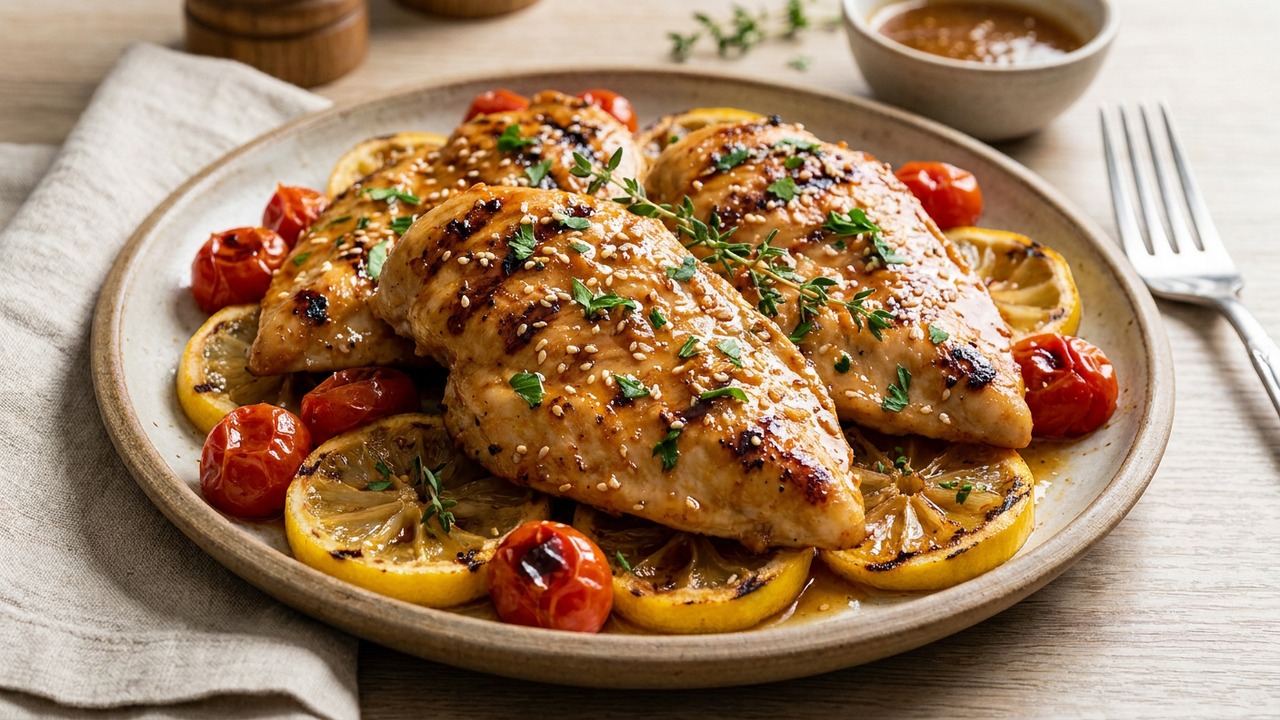
Crispy edges, juicy centers, and a sticky-sweet honey-garlic glaze that caramelizes beautifully on the grill. This thin-sliced chicken is fast to prep and perfect for a weeknight dinner that tastes like a weekend treat.
About This Recipe
This honey-garlic grilled thin-sliced chicken is built around a simple idea: take incredibly quick-cooking cuts and give them a glaze that both seasons and adds the caramelized crunch we crave from a weekend grill. Thin-sliced breasts mean you get crisp, lacy edges and a tender, juicy center in under 20 minutes on the hot grate; the tamari provides savory umami that balances the honey, while a squeeze of lemon keeps the finish bright rather than cloying. Reserving a small portion of the marinade to thicken into a glossy glaze is the trick that turns ordinary grilled chicken into something that looks and tastes more elevated than the ingredient list suggests.
This version works for weeknights and casual entertaining alike: it’s forgiving, fast to prep, and easy to scale. Watch the heat and timing and you’ll get that deep, sticky caramel without burning the honey — the thin slices help here, but so does brushing the glaze only in the last minutes and finishing the sauce on the stove. Garnish with parsley for freshness, slice against the grain for tenderness, and you’ve got a dish that plays nicely with herby salads, charred veg, or simple steamed rice while feeling special enough for guests.
Ingredients for Honey Garlic Grilled Thin-Sliced Chicken Breasts
- 4 pieces Boneless skinless thin-sliced chicken breasts
- 2 tbsp Olive oil
- 1/3 cup Honey
- 1/4 cup Tamari (or low-sodium soy sauce)
- 4 cloves Garlic, minced
- 1 tbsp Fresh lemon juice
- 1 tsp Kosher salt
- 1/2 tsp Freshly ground black pepper
- 1 tsp Cornstarch (for thickening glaze)
- 1 tbsp Water (for slurry)
- 1/4 tsp Red pepper flakes (optional)
- 2 tbsp Fresh parsley, chopped (for garnish)
How to Make Honey Garlic Grilled Thin-Sliced Chicken Breasts
Step 1: Make the honey-garlic marinade
In a bowl, whisk together olive oil, honey, tamari (or soy sauce), minced garlic, lemon juice, kosher salt, black pepper and red pepper flakes (if using). Reserve about 3 tablespoons of the mixture in a small heatproof bowl or cup for the glaze; the rest will be used to marinate the chicken.For this step
- 2 tbspOlive oil
- 1/3 cupHoney
- 1/4 cupTamari (or low-sodium soy sauce)
- 4 clovesGarlic, minced
- 1 tbspFresh lemon juice
- 1 tspKosher salt
- 1/2 tspFreshly ground black pepper
- 1/4 tspRed pepper flakes (optional)
Step 2: Marinate the chicken
Place the thin-sliced chicken breasts in a resealable bag or shallow dish and pour the remaining marinade over them, turning to coat. Seal or cover and refrigerate for 15–20 minutes (or up to 2 hours). Remove the chicken from the refrigerator about 15 minutes before grilling to take the chill off.For this step
- 4 piecesBoneless skinless thin-sliced chicken breasts
Step 3: Preheat and prepare the grill
Preheat grill to medium-high (about 400–450°F / 200–230°C). Clean the grates and oil them lightly to prevent sticking (use an oiled paper towel held with tongs).Step 4: Grill the chicken
Grill the chicken breasts 6–8 minutes per side, turning once, until an instant-read thermometer inserted at the thickest part reads 165°F (74°C). During the final 2 minutes of cooking, brush both sides with the prepared glaze to build a sticky, caramelized coating.Step 5: Make the glaze
While the chicken grills, whisk the cornstarch with 1 tablespoon water to make a slurry. Bring the reserved marinade to a simmer in a small saucepan over medium heat, whisk in the slurry, and cook 1–2 minutes until slightly thickened and glossy. Remove from heat and keep warm.For this step
- 1 tspCornstarch (for thickening glaze)
- 1 tbspWater (for slurry)
Step 6: Rest and serve
Let the grilled chicken rest 5 minutes before slicing to retain juices. Brush with any remaining glaze if desired, garnish with chopped parsley, and serve.For this step
- 2 tbspFresh parsley, chopped (for garnish)


- In a bowl, whisk together olive oil, honey, tamari (or soy sauce), minced garlic, lemon juice, kosher salt, black pepper and red pepper flakes (if using). Reserve about 3 tablespoons of the mixture in a small heatproof bowl or cup for the glaze; the rest will be used to marinate the chicken.
- Place the thin-sliced chicken breasts in a resealable bag or shallow dish and pour the remaining marinade over them, turning to coat. Seal or cover and refrigerate for 15–20 minutes (or up to 2 hours). Remove the chicken from the refrigerator about 15 minutes before grilling to take the chill off.
- Preheat grill to medium-high (about 400–450°F / 200–230°C). Clean the grates and oil them lightly to prevent sticking (use an oiled paper towel held with tongs).
- Grill the chicken breasts 6–8 minutes per side, turning once, until an instant-read thermometer inserted at the thickest part reads 165°F (74°C). During the final 2 minutes of cooking, brush both sides with the prepared glaze to build a sticky, caramelized coating.
- While the chicken grills, whisk the cornstarch with 1 tablespoon water to make a slurry. Bring the reserved marinade to a simmer in a small saucepan over medium heat, whisk in the slurry, and cook 1–2 minutes until slightly thickened and glossy. Remove from heat and keep warm.
- Let the grilled chicken rest 5 minutes before slicing to retain juices. Brush with any remaining glaze if desired, garnish with chopped parsley, and serve.
Honey Garlic Grilled Thin-Sliced Chicken Breasts Tips
Reserve marinade safely
Set aside a measured portion of the marinade before it touches the raw chicken; any portion that did contact raw meat must be boiled for safety before using as a glaze.
Prevent honey burning
Keep the grill at medium-high and brush the glaze on only in the last 2–3 minutes to let it caramelize without scorching the sugars.
Even thickness matters
If slices vary, gently pound thicker areas to uniform thickness so they cook evenly and hit 165°F at the same time.
Glossy glaze finish
Whisk the cornstarch slurry into the reserved marinade and simmer briefly; cooking it until glossy ensures it clings to the chicken instead of running off.
Oil the grates
Wipe a paper towel with oil and rub the hot grates with tongs to minimize sticking and preserve those crisp, lacy edges.
Rest before slicing
Let the grilled chicken rest 5 minutes so juices redistribute; slice against the grain for the most tender bites.
Honey Garlic Grilled Thin-Sliced Chicken Breasts Variations and Substitutions
Gluten-free swap
Use tamari or coconut aminos and double-check honey for cross-contamination to keep the recipe gluten-free without altering flavor.
Gochujang honey-garlic
Stir 1 tablespoon gochujang into the marinade for a spicy, savory Korean-inspired glaze; reduce red pepper flakes if you do to balance heat.
Citrus-herb twist
Replace half the honey with orange juice and add a teaspoon of grated orange zest plus chopped thyme or oregano for a brighter, herb-forward profile.
Maple-ginger alternative
Swap honey for pure maple syrup and add 1 teaspoon grated fresh ginger for a warm, autumnal glaze with compatible sweetness and complexity.
Oven or stovetop method
If you can’t grill, sear the breasts in a hot oiled skillet 2–3 minutes per side then finish in a 400°F oven until 165°F, glazing in the final minute.
How to Store and Make Honey Garlic Grilled Thin-Sliced Chicken Breasts Ahead
Store leftover grilled chicken in an airtight container in the refrigerator for up to 3–4 days, and keep the glaze separate if possible to prevent sogginess. For longer storage, freeze portions for up to 2 months; thaw overnight in the fridge before reheating. Reheat gently in a low oven (300°F) covered, or warm in a skillet with a splash of water and cover briefly to avoid drying out.
What to Serve With Honey Garlic Grilled Thin-Sliced Chicken Breasts
Serve sliced chicken over steamed jasmine or coconut rice with quick-pickled cucumbers and charred broccolini for texture contrast. For drinks, pair with a bright Sauvignon Blanc, a crisp pilsner, or iced green tea with lemon; finish with a sprinkle of fresh parsley and an extra brush of warm glaze for shine.
Honey Garlic Grilled Thin-Sliced Chicken Breasts FAQs
Can I use regular thick chicken breasts instead of thin-sliced?
Yes — either butterfly and flatten them to an even thinness or pound to about 1/2 inch; otherwise increase grill time and use an instant-read thermometer to ensure the center reaches 165°F without overcooking the exterior.
Is it safe to use the leftover marinade as glaze?
Only if you reserved a portion before it touched raw chicken; any marinade that contacted raw meat must be brought to a rolling simmer for 1–2 minutes (or longer) to destroy bacteria before using as a glaze.
How do I stop the honey from burning on the grill?
Keep temperatures moderate, brush the glaze on during the final 2–3 minutes, and be ready to move pieces to indirect heat if flare-ups occur — sugars caramelize quickly and can turn bitter if charred.
Can I make the glaze ahead of time?
Yes, you can simmer the reserved marinade with the cornstarch slurry, cool it, and refrigerate up to 3 days; rewarm gently before brushing onto the hot chicken so it regains its glossy texture.
What if my glaze is too thin or too thick?
If too thin, whisk a tiny bit more cornstarch slurry into the warm glaze and simmer until glossy; if too thick, whisk in a teaspoon of water at a time until it reaches a brushable consistency.
How long should I marinate the chicken?
Because the breasts are thin, 15–20 minutes is enough to impart flavor; you can marinate up to 2 hours for a stronger taste, but avoid much longer or the soy/tamari could begin to change the chicken’s texture.
About the author
Jake WoodsHello, I'm Jake. I started this recipe site with the idea that I hated recipe websites that overwhelm you with long stories and ads just to see plain content that's not helpful. My goal is to provide you with quality recipes, simple ideas and a fun cooking experience. There's lots of fun things to cook, and I think as you browse the site you'll find that TopShelf.Recipes is the place for quality recipes on the web.
See all recipes by Jake Woods →Ratings & Reviews
Did you make this recipe?
Really good flavor. I didn't have chicken thighs so I used breasts, but they still turned out great. Just watch the cooking time.
My whole family loved this. Made it three times in two weeks.
Turned out perfectly! The marinade caramelized beautifully on the grill. Served it with charred broccoli and rice. Will definitely be adding this to the weekly rotation.
Nutrition Facts
Per serving: 1 serving
Nutrition values are estimated from USDA ingredient data and may vary based on preparation, brands, and portion sizes. Values are provided for informational purposes only.
Keep Reading
Guides & articles for this recipe

Healthy Eating
Healthy One-Skillet Meals for Grillers
Fast, nutritious one-skillet recipes you can cook on the stovetop or right on a grill. Focuses on lean proteins, whole grains, and seasonal vegetables with flavor-forward swaps, timing tips, meal-prep variations, portion guidance, and low-fat, high-fiber substitutions.

Recipe Roundup
Early-Fall Grill Roundup: Apples & Squash
Transition summer cookouts into early fall with a roundup of grill recipes starring apples, winter squash, mushrooms, pears, and warm smoky flavors. Find mains, sides, veg-forward ideas, easy marinades, and practical tips for grilling when the air turns crisp.
Guides
Outdoor Food Safety 101
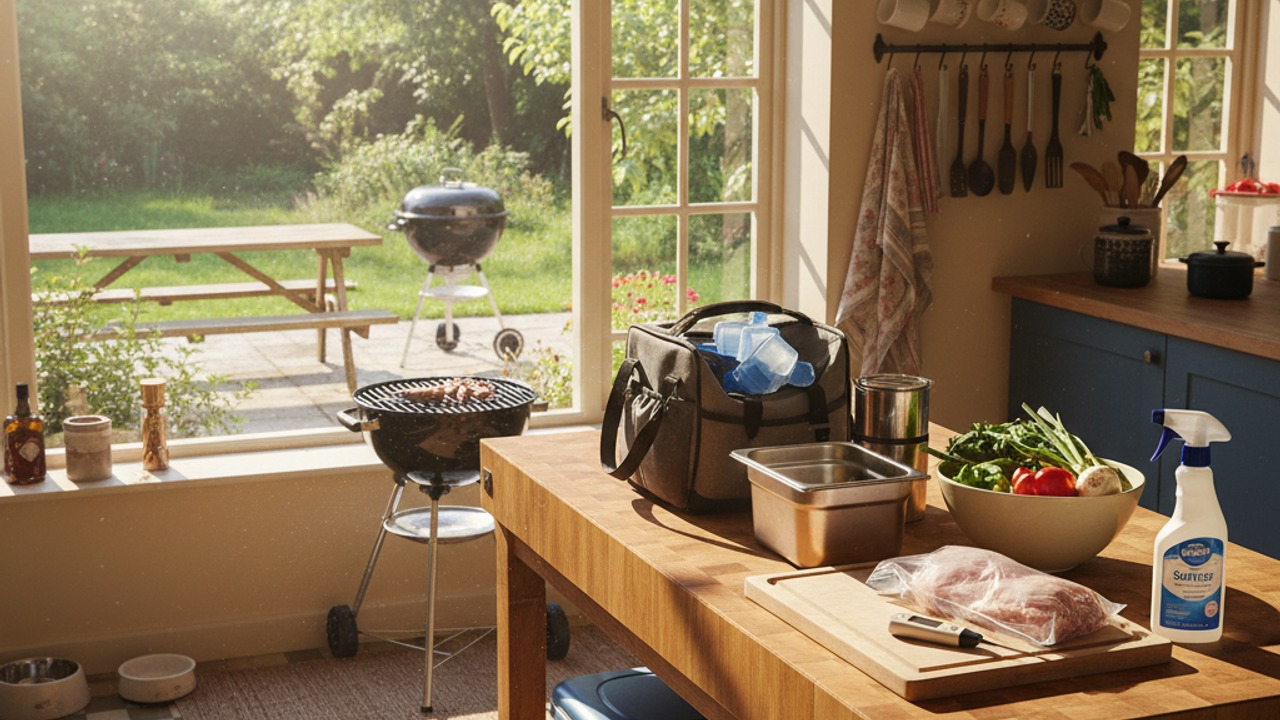
A practical, science-backed guide for hosts to plan cook-to-serve timelines, monitor safe internal temperatures, prevent cross-contamination, and keep hot and cold foods safe at grills, tailgates, and picnics. Includes transport and buffet checklists plus quick fixes for common delays.
More from Grilling
View all Grilling recipes →
Quinoa and Black Bean Salad

Perfect Juicy Grilled Chicken Breasts (No Drying, 15 Minute Method)

Tandoori Yogurt Marinated Grilled Chicken (Tandoori Style on the Grill)

Salmon Burgers with Lemon-Dill Yogurt Sauce

Grilled Lasagna Roll-Ups

Grilled Fish Tacos with Mango Slaw and Lime Crema

Korean-Style Grilled Bulgogi Tacos with Gochujang Slaw and Sesame-Lime

Grilled Pumpkin Trifle with Brown Sugar Syrup

Grilled Miso Tempeh Bowl
Ask me anything about this recipe — substitutions, scaling, techniques, timing.
Powered by AI · 6 questions per 5 minutes, 30 per day