All Articles
Guides

Outdoor Food Safety 101

A practical, science-backed guide for hosts to plan cook-to-serve timelines, monitor safe internal temperatures, prevent cross-contamination, and keep hot and cold foods safe at grills, tailgates, and picnics. Includes transport and buffet checklists plus quick fixes for common delays.

August 18, 2026Editorially curated
Outdoor Food Safety 101

Risk Basics And Danger Zone

Risk Basics And Danger Zone

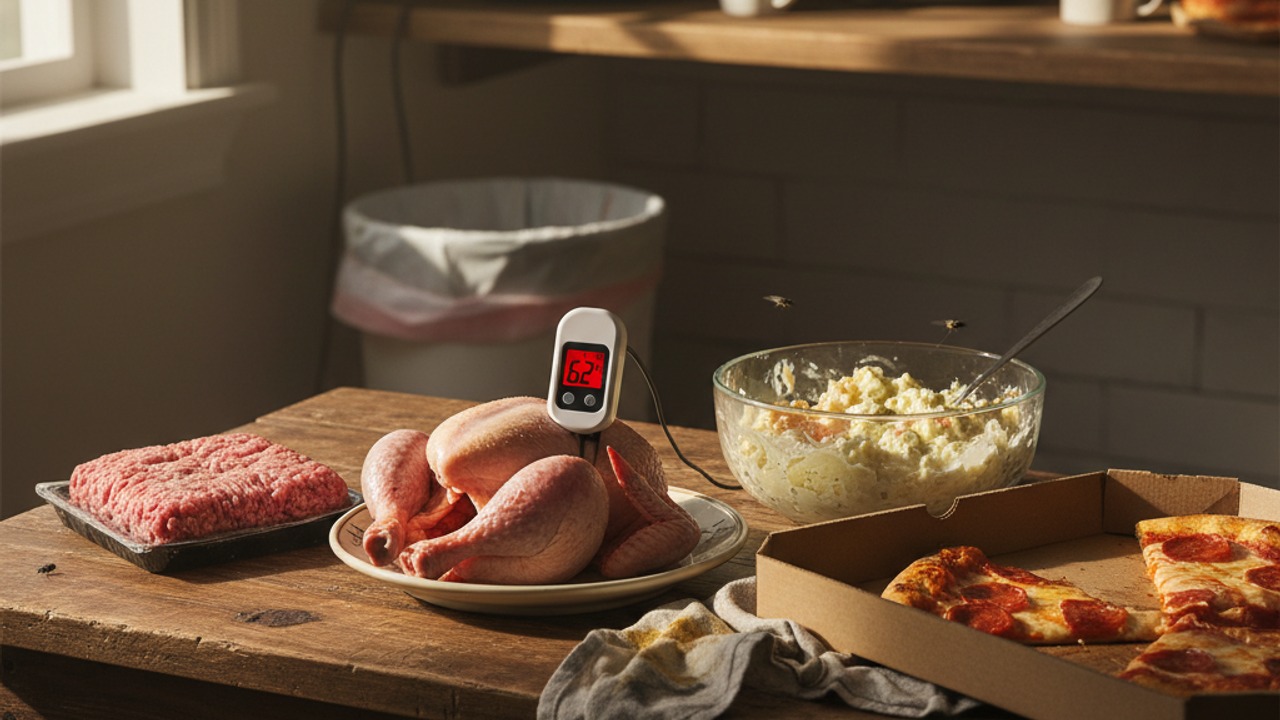
Microbial growth accelerates between 40 and 140°F (4–60°C); that’s the danger zone. Heat inactivates many pathogens given sufficient temperature and time, while cold and low pH slow or stop growth. Moisture and particle size matter because pathogens survive better in wet, protein-rich environments; a dense roast cools more slowly than thin slices, and that changes how long it can safely sit out.

Sensory cues are unreliable: food can look, smell, and taste fine while harboring dangerous levels of bacteria. Therefore hosts need rules that depend on measured time and temperature, not on appearance. Treat cumulative exposure—how long an item spent in the danger zone across prep, transport, and service—as the decision point. If cumulative time approaches two hours (or one hour above 90°F ambient), plan to cool, reheat, or discard.

Acidity, salt, and sugar change risk but don’t eliminate it: marinades or vinaigrettes reduce growth rates but shouldn’t replace proper cooking and cold holding. When you face a borderline situation, ask three practical questions—what was the lowest temperature maintained, how long has it been out, and can I rapidly cool or reheat to a verified temperature—and use the answer to act decisively rather than guess.

Plan Cook To Serve Timelines

Work backward from your planned serve time and build in buffer windows for finishing, resting, carving, and staging; that makes safety intuitive because food reaches safe internal temperature just before the crowd digs in rather than sitting idle. For quick proteins like Perfect Juicy Grilled Chicken Breasts (No Drying, 15 Minute Method), aim to finish searing so that carryover cooking brings the thickest point to 165°F during a short rest, minimizing time spent cooling through the danger zone.

For long cooks such as Traeger‑Style Pulled Pork Shoulder, account for extended resting and holding: a low-and-slow shoulder can be pulled into an approved hot-holding unit at 135°F or held wrapped to preserve moisture, but plan staggered pull times so you aren’t forced to leave large volumes in the 120–140°F gap. When you’re juggling multiple proteins, stagger batches and use two-zone grilling so one batch finishes while another rests, and keep hot boxes or insulated carriers ready as buffers.

If equipment runs hot or slow, adjust your timeline rather than improvising: add time for slower cooks, use an instant-read probe to confirm doneness rather than time alone, and if necessary move finished items to a proper hot or cold holding solution to protect quality and safety. Small, explicit buffers—15 to 30 minutes per major step—buy you resilience without changing the menu.

Temperature Targets And Tools

Temperature Targets And Tools

Use science-backed internal targets: poultry and stuffed items to 165°F, all ground meats to 160°F, whole muscle cuts (beef, pork, lamb) to 145°F with a three-minute rest, fish to 145°F or until opaque and flakey, and reheated foods to 165°F. Cold-hold at 40°F or below and hot-hold at 135°F or above; those breakpoints reflect the temperatures at which common pathogens are either inactivated or their growth is significantly slowed.

Thermometers are your primary control: choose an accurate instant-read thermocouple for quick checks and a calibrated leave-in probe for long cooks. Infrared devices read surface temperatures but can’t measure internal doneness, so use them only for verifying holding unit surfaces. Correct probe placement—into the thickest part of the food, avoiding bone, fat, or pan contact—and routine calibration (ice-water and boiling-point checks) matter because a 5–10°F error changes whether you serve or hold.

Logging cadence depends on the situation; during active outdoor service check hot and cold holding every 30–60 minutes and record readings, while long smokers or ovens need spot checks as they approach finish time. Clean and sanitize probes between uses to avoid cross-contamination, and treat each reading as an operational decision: it tells you whether to serve, hold, reheat, or discard.

Buffet Flow And Holding Strategies

The physical layout of a buffet determines exposure time and cross-contamination risk because people, utensils, and temperature gradients interact. Place raw and ready-to-eat stations apart, route guest traffic so servers replenish from behind the line, and use sneeze guards or lids. Use single-use or designated serving utensils and label allergen-containing dishes clearly to reduce risk and confusion while guests serve themselves.

Hot-holding should maintain 135°F or higher; use electric warmers or well-maintained hot boxes for multi-hour events, because chafing fuel is best for short-term topping and can struggle in wind. Cold items perform best on a bed of ice or in chilled trays; insulated carriers and ice baths are reliable for transport, but once on the buffet keep perishable salads like Instant Pot Potato Salad and Greek Pasta Salad on continuous ice to stay under 40°F.

Replenish in small batches to minimize time out of safe holding: bring replacements directly from a cold or hot holding unit, not from a car or ambient prep table. For warm sides such as Smoky Grilled Potato Salad when served warm, preheat serving pans and rotate in fresh portions from a hot box. Designing a predictable replenishment rhythm reduces the chance that a full steam table becomes a long, slow cooling surface.

Transport Checklists And Quick Fixes

Transport Checklists And Quick Fixes

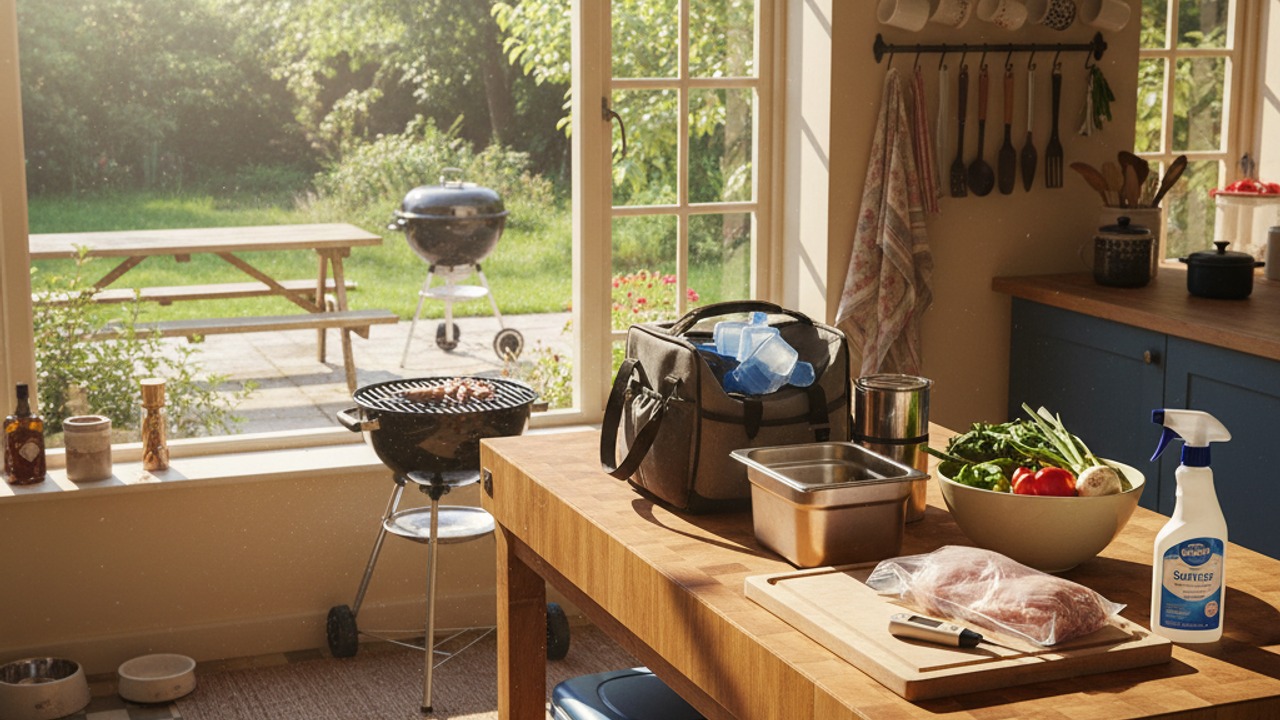
Pack with intention: an insulated cooler with ample ice packs for cold items, a hot box or wrapped foil carriers for hot foods, a dedicated thermometer kit, sanitizer wipes, and separate containers for raw and ready foods. Limit unrefrigerated transport to under two hours (one hour when ambient temperature exceeds 90°F) and keep cooked, chilled items in the cold zone until you’re ready to stage. A pre-departure checklist that includes probe calibration, utensil count, and labeling saves time and reduces risk.

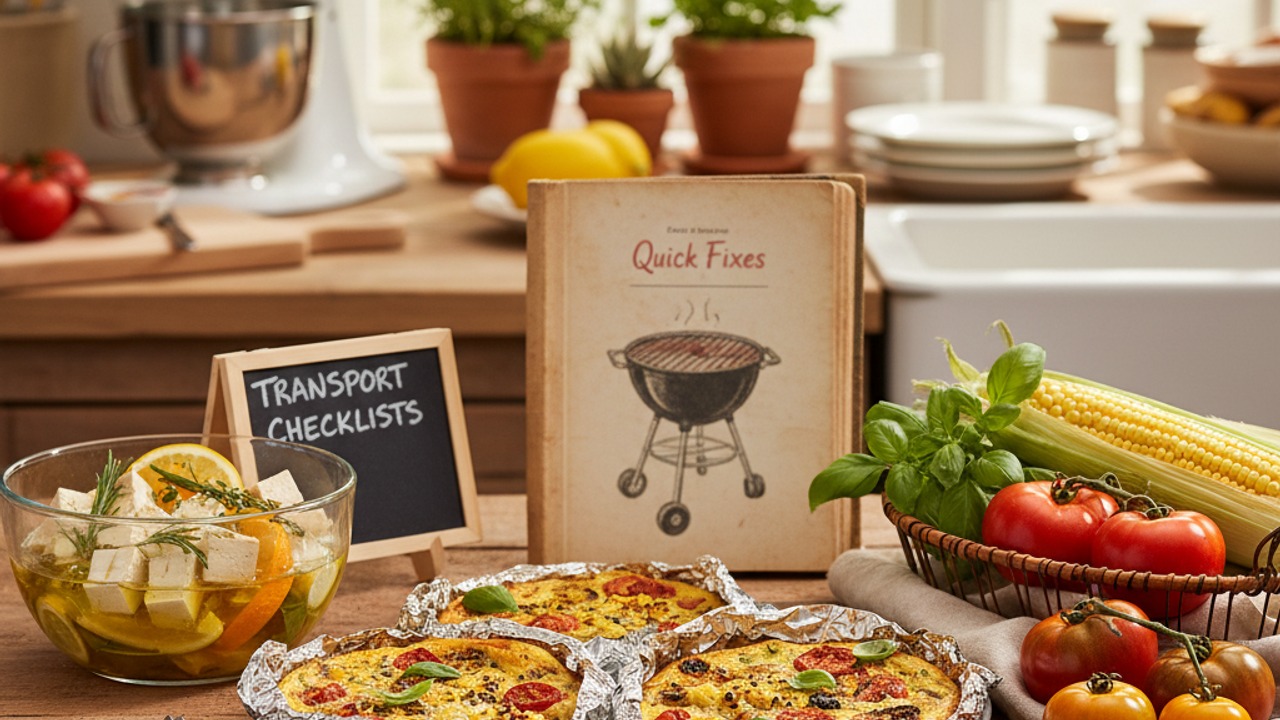
When plans go sideways, use rapid, verifiable fixes. For too-warm cold food, divide into shallow pans and ice-bath cool, stirring or rotating pans to speed cooling; for undercooked or insufficiently hot items, reheat rapidly to 165°F and hold. If a refrigerator or warmer fails on site, transfer critical items into coolers with ice or daylight hot boxes and alert guests if significant delays force discards. Egg-forward dishes like Labor Day Grilled Foil-Pack Frittatas and make-ahead bowls such as Grilled Chicken Meal Prep Bowls must be either kept cold or hot, not teetering in between.

Remember that some shortcuts are dangerous: acidic marinades (see Citrus Herb Veg Tofu Marinade) slow growth but don’t sterilize a product, and transport time counts toward cumulative exposure. When in doubt, err on the side of documented temperature control rather than sensory judgment; it preserves both guests’ health and your reputation.

Recipes in This Article

Honey Garlic Grilled Thin-Sliced Chicken Breasts
Grilling

Honey Garlic Grilled Thin-Sliced Chicken Breasts

Crispy edges, juicy centers, and a sticky-sweet honey-garlic glaze that caramelizes beautifully on the grill. This thin-sliced chicken is fast to prep and perfect for a weeknight dinner that tastes like a weekend treat.

45m Easy4.9View Recipe
Perfect Juicy Grilled Chicken Breasts (No Drying, 15 Minute Method)
Grilling

Perfect Juicy Grilled Chicken Breasts (No Drying, 15 Minute Method)

A failproof, fast method for tender, juicy grilled boneless chicken breasts that avoids drying by using even thickness, a quick oil-lemon seasoning, and a two-zone grill technique. Ready in about 15 minutes from prep to plate—ideal for weeknights or last-minute company.

15m Easy0View Recipe
Greek Pasta Salad
Salads

Greek Pasta Salad

A bright, make-ahead cold pasta salad with classic Mediterranean flavors — juicy tomatoes, crisp cucumber, briny Kalamata olives and salty feta tossed in a lemon-oregano vinaigrette. Perfect for potlucks, meal prep, or a light summer side that keeps well in the fridge.

60m Easy0View Recipe
Traeger‑Style Pulled Pork Shoulder (Low and Slow) with Carolina Vinegar Sauce
Smoking

Traeger‑Style Pulled Pork Shoulder (Low and Slow) with Carolina Vinegar Sauce

Classic low-and-slow pulled pork shoulder finished with a bright Carolina vinegar sauce. This Traeger-style pellet recipe walks you through a simple dry rub, patient smoking to tender pull-apart meat, and an easy vinegar sauce that cuts through the richness.

570m Medium0View Recipe
Citrus Herb Veg Tofu Marinade
Grilling

Citrus Herb Veg Tofu Marinade

A bright, acid-balanced citrus and herb marinade made for grilling tofu and summer vegetables. Quick to assemble and designed to highlight smoky char while keeping flavors fresh and balanced for backyard cooks.

47m Easy0View Recipe
Grilled Chicken Meal Prep Bowls
Grilling

Grilled Chicken Meal Prep Bowls

High-protein grilled chicken meal prep bowls built for batch cooking and make-ahead lunches. Tender marinated chicken paired with quinoa, charred vegetables, fresh spinach and avocado for balanced, portable bowls that reheat beautifully.

45m Medium0View Recipe
Instant Pot Potato Salad
Instant Pot

Instant Pot Potato Salad

A speedy, make-ahead potato salad cooked in the Instant Pot for tender potatoes and easy party prep. Bright, creamy dressing and crunchy mix-ins make this a crowd-pleasing side that holds up well for picnics and potlucks.

85m Easy0View Recipe
Smoky Grilled Potato Salad with Crispy Bacon & Dijon Vinaigrette
Dinner

Smoky Grilled Potato Salad with Crispy Bacon & Dijon Vinaigrette

A charred-on-the-grill potato salad built for Labour Day cookouts — baby potatoes are blistered over high heat, then tossed with crisp bacon, summer corn, chives and a tangy Dijon-lemon vinaigrette; includes warm-serving and make-ahead options for pairing with grilled beef. Bright, smoky and slightly tangy, this salad is designed to sit alongside steaks or burgers and can be served warm off the grill or chilled a day ahead.

45m Medium0View Recipe
Labor Day Grilled Foil-Pack Frittatas with Charred Corn, Heirloom Tomatoes & Basil
Grilling

Labor Day Grilled Foil-Pack Frittatas with Charred Corn, Heirloom Tomatoes & Basil

Individual foil-pack frittatas grilled over two-zone heat with sweet charred summer corn, juicy heirloom tomatoes, fresh basil and melty sharp cheddar. Easy to make ahead, transport to the cookout, reheat on the grill and serve for a relaxed Labour Day brunch.

38m Easy0View Recipe

Comments

Leave a comment

0/2000

No comments yet — be the first to share your thoughts.

Keep exploring

More to read

All articles →