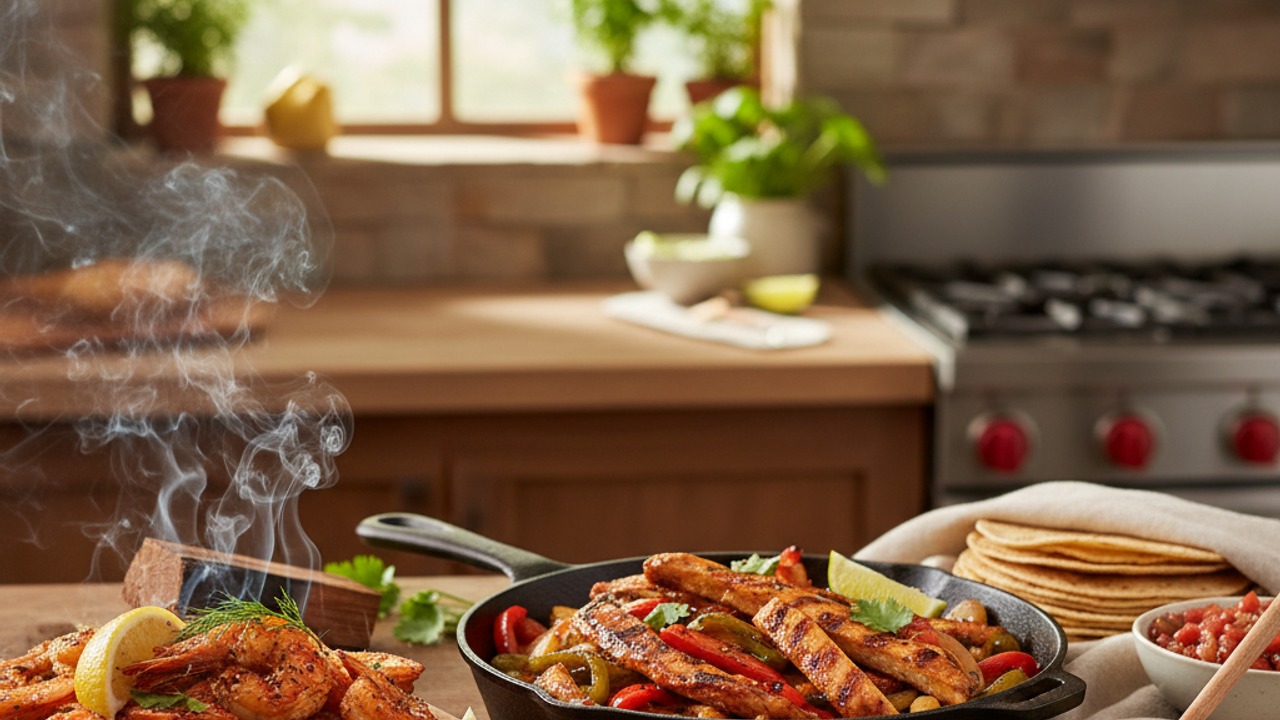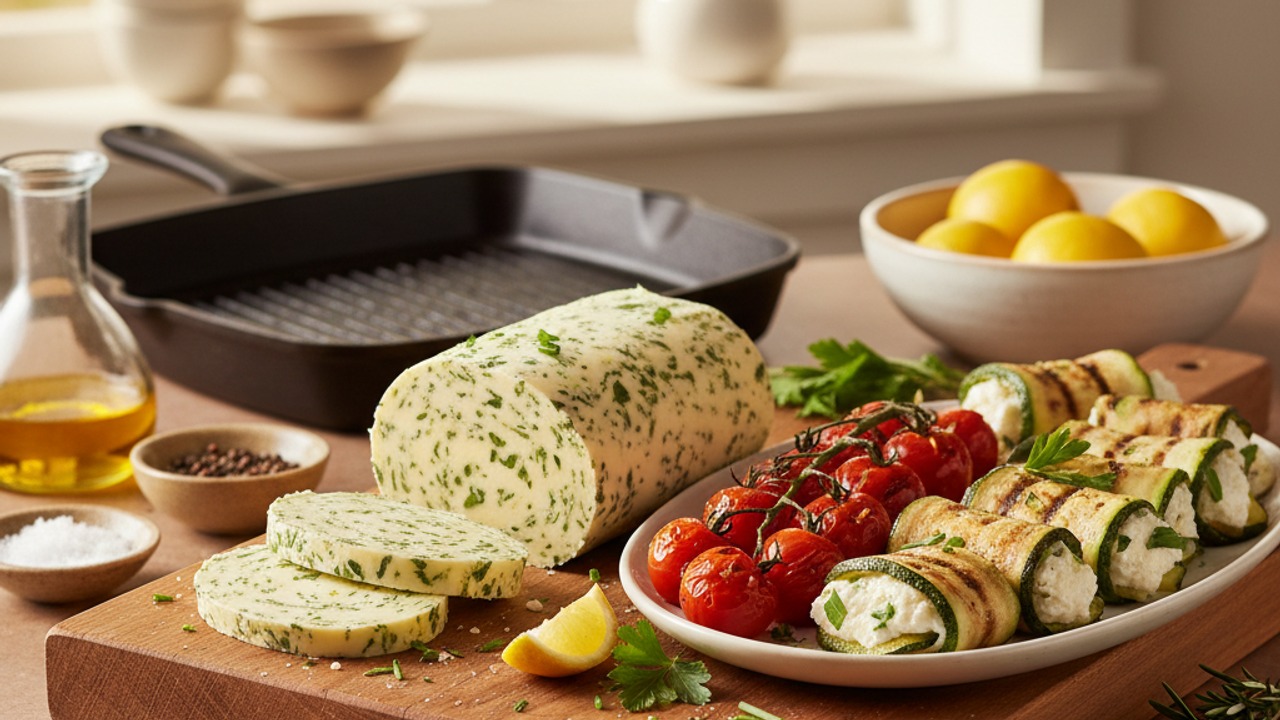

A great late-summer plate has five working parts: a charred backbone that provides caramelized savor, a smoky echo that deepens the theme, bright acid to cut richness, fresh herbs for aromatic lift, and a crunchy counterpoint to reset the palate. Treating these as roles rather than fixed ingredients matters because one element can compensate for another; a lemony vinaigrette will feel necessary when proteins carry heavy char, and a crisp quick pickle can keep a fatty bite from cloying.
Understanding trade-offs lets you diagnose gaps. Smoke and strong acids can clash with delicate summer fruit, so use restraint or choose embedded smoke—charred edges instead of deep cold-smoke—when serving ripe peaches or heirloom tomatoes. Texture guides perception too: a soft, herb-forward sauce makes the same protein seem silkier, whereas toasted seeds or fried shallots sharpen every bite. Once you recognize which role a component occupies, you can swap readily at the market without losing balance.