Classic Bolognese Sauce (Slow-Simmered Meat Ragu)
A rich, slow-simmered Bolognese that builds deep savory flavor from a classic soffritto, browned meat, and long, gentle simmering. Serve it tossed with tagliatelle or spooned over creamy polenta for a comforting weeknight or weekend dinner.
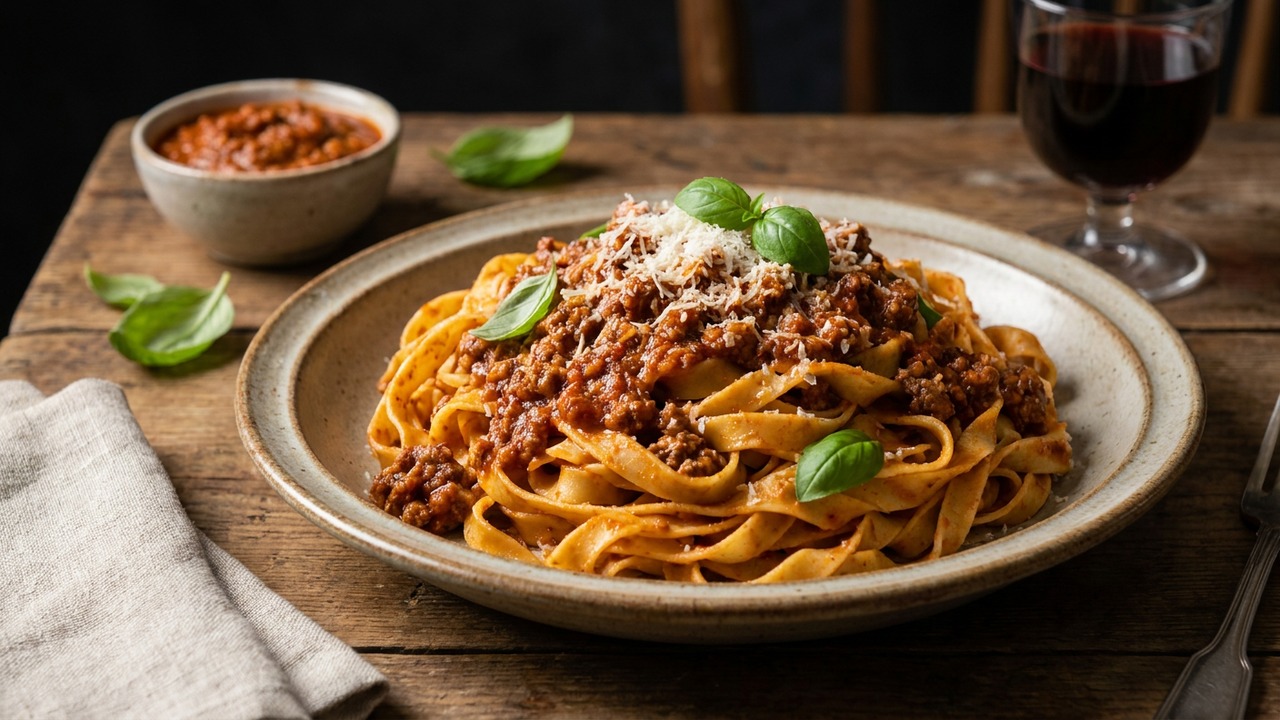
About This Recipe
This Bolognese is the kind of sauce that rewards patience: small, clear steps—render the pancetta, sweat the soffritto, brown the beef, soften with milk, then deglaze with wine—lead to a sauce whose depth comes from gradual layers rather than a single punchy ingredient. The pancetta gives a meaty backbone and a whisper of smoke while the soffritto (onion, carrot, celery) supplies sweetness and aromatic fat to carry the tomato and beef. Using 85/15 beef balances succulence and sheen without leaving the sauce greasy, and the brief milk step is a classical move that softens tomato acidity and yields a silkier mouthfeel.
This recipe is built for cooks who like control: you can nudge the final texture toward coarse and rustic or silky and refined simply by how often you stir and how aggressively you break up the meat. It’s a weekday-crowd favorite when made the day before—flavors knit overnight—and it shines ladled over fresh tagliatelle or the creamiest polenta you can make. Finish with real Parmigiano-Reggiano and a final splash of milk or olive oil to bring everything together into a comforting, composed plate.
Ingredients for Classic Bolognese Sauce (Slow-Simmered Meat Ragu)
- 2 tbsp Extra-virgin olive oil
- 3 oz Pancetta, finely chopped
- 1 medium Yellow onion, finely diced
- 1 medium Carrot, finely diced
- 2 stalks Celery stalks, finely diced
- 1 lb Ground beef (85/15)
- 1/2 cup Whole milk
- 1 cup Dry white wine
- 28 oz Canned crushed tomatoes
- 1 cup Low-sodium beef stock
How to Make Classic Bolognese Sauce (Slow-Simmered Meat Ragu)
Step 1: Cook the soffritto and pancetta
Heat the olive oil in a large heavy-bottomed pot over medium heat and add the chopped pancetta. Cook until the pancetta is fragrant and beginning to render fat, then add the diced onion, carrot, and celery with a pinch of salt and sweat gently until softened and translucent, about 8–10 minutes.For this step
- 2 tbspExtra-virgin olive oil
- 3 ozPancetta, finely chopped
- 1 mediumYellow onion, finely diced
- 1 mediumCarrot, finely diced
- 2 stalksCelery stalks, finely diced
Step 2: Brown the ground beef
Increase the heat to medium-high and add the ground beef, breaking it up with a spoon or spatula. Brown the meat thoroughly until no pink remains and some caramelized bits form on the bottom of the pot, about 8–12 minutes, then season lightly with salt and freshly ground black pepper.For this step
- 1 lbGround beef (85/15)
Step 3: Add milk and reduce
Pour in the whole milk and bring to a gentle simmer, allowing it to reduce and mellow the acidity of the sauce. Cook until most of the milk has evaporated or been absorbed, about 10–15 minutes, stirring occasionally.For this step
- 1/2 cupWhole milk
Step 4: Deglaze with wine
Add the dry white wine and raise the heat just enough to bring it to a simmer, scraping any browned bits from the bottom of the pot. Reduce the wine by about half so the flavor concentrates, which should take 5–8 minutes.For this step
- 1 cupDry white wine
Step 5: Add tomatoes and simmer slowly
Stir in the crushed tomatoes and beef stock, bring the mixture to a gentle simmer, then lower the heat so the sauce barely bubbles. Partially cover and simmer very gently for 2 to 3 hours, stirring every 15–20 minutes and breaking up any meat clumps so the ragu becomes thick, silky, and deeply flavored; skim excess fat from the surface if desired.For this step
- 28 ozCanned crushed tomatoes
- 1 cupLow-sodium beef stock
Step 6: Adjust seasoning and serve
Taste and adjust salt and pepper, then finish with a small splash of milk or a drizzle of olive oil for added silkiness if needed. Serve hot over fresh pasta (tagliatelle or pappardelle recommended) or polenta, and top with freshly grated Parmigiano-Reggiano if desired.


- Heat the olive oil in a large heavy-bottomed pot over medium heat and add the chopped pancetta. Cook until the pancetta is fragrant and beginning to render fat, then add the diced onion, carrot, and celery with a pinch of salt and sweat gently until softened and translucent, about 8–10 minutes.
- Increase the heat to medium-high and add the ground beef, breaking it up with a spoon or spatula. Brown the meat thoroughly until no pink remains and some caramelized bits form on the bottom of the pot, about 8–12 minutes, then season lightly with salt and freshly ground black pepper.
- Pour in the whole milk and bring to a gentle simmer, allowing it to reduce and mellow the acidity of the sauce. Cook until most of the milk has evaporated or been absorbed, about 10–15 minutes, stirring occasionally.
- Add the dry white wine and raise the heat just enough to bring it to a simmer, scraping any browned bits from the bottom of the pot. Reduce the wine by about half so the flavor concentrates, which should take 5–8 minutes.
- Stir in the crushed tomatoes and beef stock, bring the mixture to a gentle simmer, then lower the heat so the sauce barely bubbles. Partially cover and simmer very gently for 2 to 3 hours, stirring every 15–20 minutes and breaking up any meat clumps so the ragu becomes thick, silky, and deeply flavored; skim excess fat from the surface if desired.
- Taste and adjust salt and pepper, then finish with a small splash of milk or a drizzle of olive oil for added silkiness if needed. Serve hot over fresh pasta (tagliatelle or pappardelle recommended) or polenta, and top with freshly grated Parmigiano-Reggiano if desired.
Classic Bolognese Sauce (Slow-Simmered Meat Ragu) Tips
Dice the soffritto finely
Small, uniform pieces of onion, carrot and celery melt into the sauce and flavor it without leaving noticeable chunks; aim for 1/8–1/4-inch dice.
Render pancetta low
Start the pancetta over moderate heat so its fat renders slowly—this builds flavor and gives the soffritto a flavored oil to cook in.
Brown meat thoroughly
Push the beef into a single layer and let it develop color before stirring; those browned bits are key flavor and should be scraped up when you deglaze with wine.
Milk before tomato
Add whole milk early and simmer it off to tame acidity and add silk; don’t rush this step—most of the milk should evaporate or be absorbed.
Simmer very gently
Keep the pot barely bubbling and stir every 15–20 minutes to break up clumps; a vigorous boil will make the sauce dry and grainy instead of silky.
Finish for silkiness
If the sauce seems coarse at the end, stir in a splash of milk or a drizzle of good olive oil to soften the texture and lift flavors.
Classic Bolognese Sauce (Slow-Simmered Meat Ragu) Variations and Substitutions
Classic three-meat mix
Use equal parts ground beef, pork, and veal (or a beef-pork mix) for a richer, more traditional Bolognese with deeper umami and a softer texture.
Slow-cooker adaptation
Follow steps through deglazing, then transfer everything to a slow cooker and cook on low for 4–6 hours; add milk in the last hour to preserve its mellowing effect.
Mushroom-lentil ragu
Swap the beef for finely chopped cremini mushrooms and cooked brown lentils for a vegetarian version that keeps the meaty bite and works well with the same long simmer.
Tomato concentrate boost
For a deeper tomato backbone, stir in 1–2 tablespoons of tomato paste when you add the crushed tomatoes and sauté briefly before simmering.
How to Store and Make Classic Bolognese Sauce (Slow-Simmered Meat Ragu) Ahead
Cool the sauce to room temperature, then refrigerate in an airtight container for up to 4 days or freeze in portions for up to 3 months. Thaw overnight in the fridge or reheat from frozen on the stove over low heat, adding a splash of stock or milk to revive the texture. The flavors improve after a day, so consider making it a day ahead for best results.
What to Serve With Classic Bolognese Sauce (Slow-Simmered Meat Ragu)
Toss the ragu with fresh tagliatelle or pappardelle and a couple tablespoons of reserved pasta water so the sauce clings; top with freshly grated Parmigiano-Reggiano and a grind of black pepper. Serve with a simple bitter salad (arugula or radicchio with lemon vinaigrette) and crusty country bread to sop up any sauce; pair with a medium-bodied red like Chianti or Barbera, or an oaked white for those who prefer white wine.
Classic Bolognese Sauce (Slow-Simmered Meat Ragu) FAQs
Can I use leaner ground beef?
Yes, but if you go leaner than 85/15 add a tablespoon or two of olive oil or increase the pancetta to compensate for lost fat, or finish the sauce with a drizzle of oil to restore silkiness.
Why add milk before the tomatoes?
Milk proteins and fats soften the meat and mellow the tomatoes' acidity, producing a creamier sauce; it’s a traditional step in Bolognese that changes texture as well as flavor.
My sauce is too thin—how do I thicken it?
Simmer uncovered to reduce liquid, break up meat so it integrates more fully, or gently stir in a tablespoon of tomato paste and simmer a bit longer until you reach the desired body.
Can I make this ahead and freeze it?
Absolutely—cool completely and freeze in meal-sized portions for up to 3 months; thaw in the fridge overnight and reheat slowly on the stovetop, adding a splash of stock or milk if it seems dry.
What pasta is best with this ragu?
Wide, flat fresh pastas like tagliatelle or pappardelle are traditional because their broad surface holds the meaty sauce, but ridged shapes like rigatoni or tube pastas also work well for a heartier bite.
About the author
Jake WoodsHello, I'm Jake. I started this recipe site with the idea that I hated recipe websites that overwhelm you with long stories and ads just to see plain content that's not helpful. My goal is to provide you with quality recipes, simple ideas and a fun cooking experience. There's lots of fun things to cook, and I think as you browse the site you'll find that TopShelf.Recipes is the place for quality recipes on the web.
See all recipes by Jake Woods →Ratings & Reviews
Did you make this recipe?
Be the first to share your experience.
Nutrition Facts
Per serving: about 1 cup
Nutrition values are estimated from USDA ingredient data and may vary based on preparation, brands, and portion sizes. Values are provided for informational purposes only.
Keep Reading
Guides & articles for this recipe
Guides
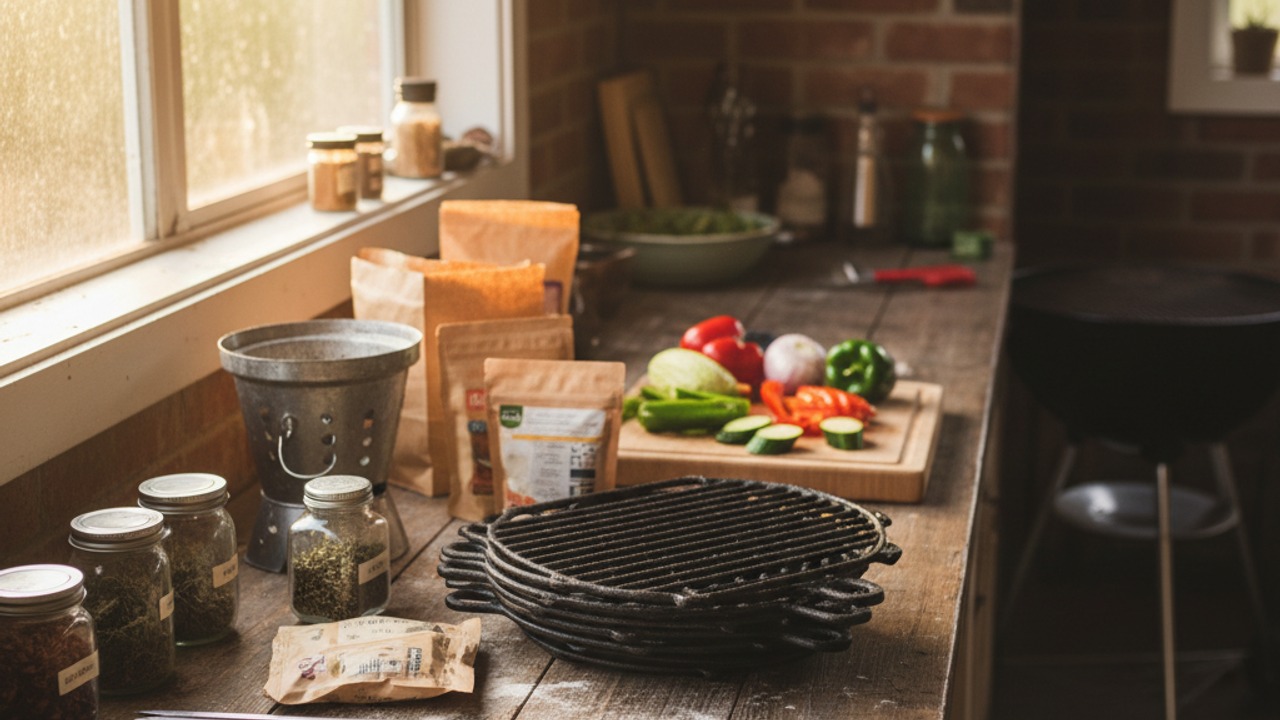
Labor Day DIY Grill Kits
Eight themed, make-ahead grill-kit templates to assemble before Labor Day weekend — designed for last-minute hosts and tailgaters. Each kit includes balanced menu suggestions, shopping lists, packaging/labeling tips, final-grill instructions, and a printable food-safety timeline to hand to guests.

Guides
Trending Plant-Forward Grilling: 10 Whole‑Vegetable Centerpieces Winning Over Meat Lovers
Swap the usual grill routine for bold, whole-vegetable centerpieces that deliver the char, smoke and umami carnivores crave. This guide breaks down 10 trending veg mains—techniques, global marinades, and meaty-friendly side pairings to make converts out of even hardcore carnivores.
Tips & Techniques
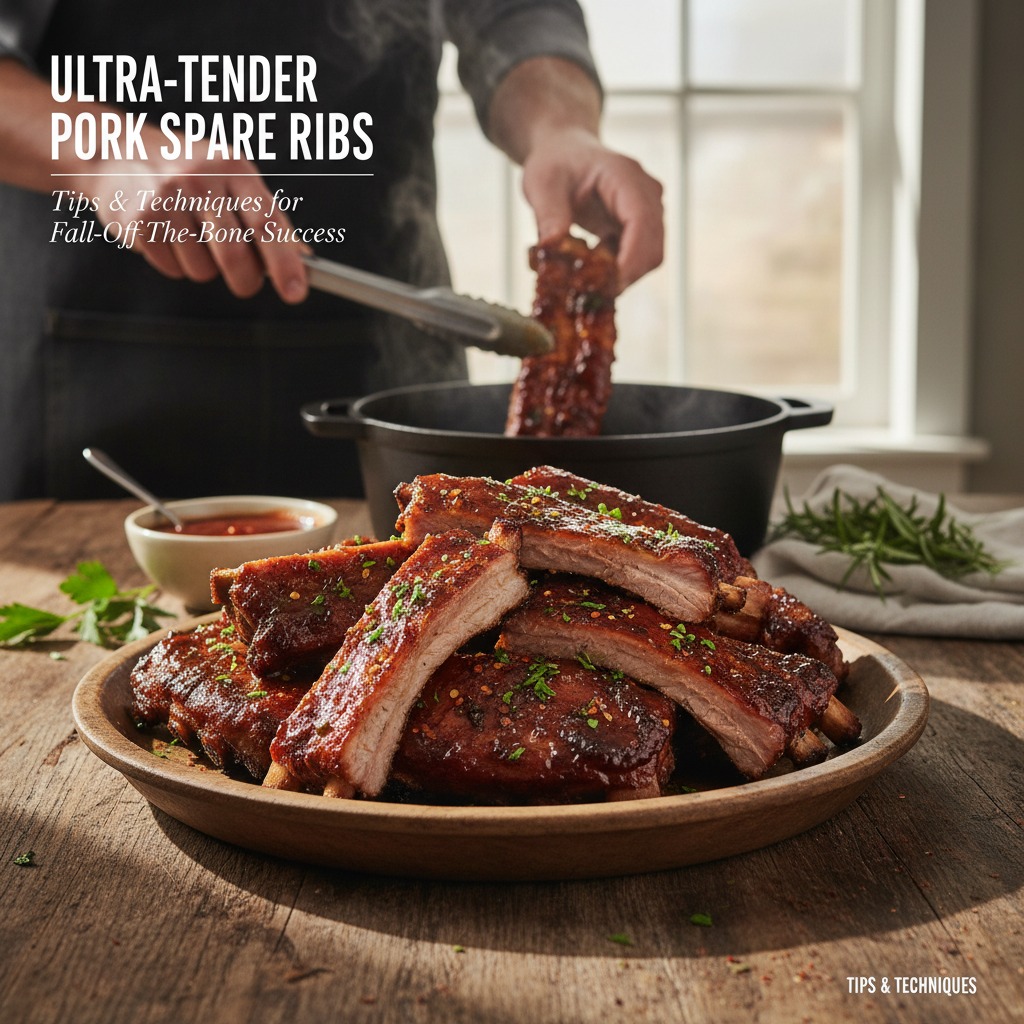
Ultra-Tender Pork Spare Ribs: Tips & Techniques for Fall-Off-the-Bone Success
Master the craft of ultra-tender pork spare ribs with practical, no-nonsense techniques for selecting, prepping, smoking, and finishing. This guide focuses on what matters—temperature control, testing for doneness, wrapping choices, and common fixes—so your next rack comes out juicy, tender, and perfectly sauced.
More from Stovetop
View all Stovetop recipes →
Classic Marinara Sauce from Scratch

Frank's Red Hot Buffalo Street Corn Dip

Rotisserie Chicken and Wild Rice Soup

Korean Ground Beef Bowl

Plant-Based Jackfruit Carnitas Tacos with Avocado Crema (Stovetop)

Classic Chicken Noodle Soup from Scratch

Mushroom Garlic Butter Pasta

One-Pot Beef Bolognese

Grilled S'mores Skewers with Spiced Chocolate
Ask me anything about this recipe — substitutions, scaling, techniques, timing.
Powered by AI · 6 questions per 5 minutes, 30 per day