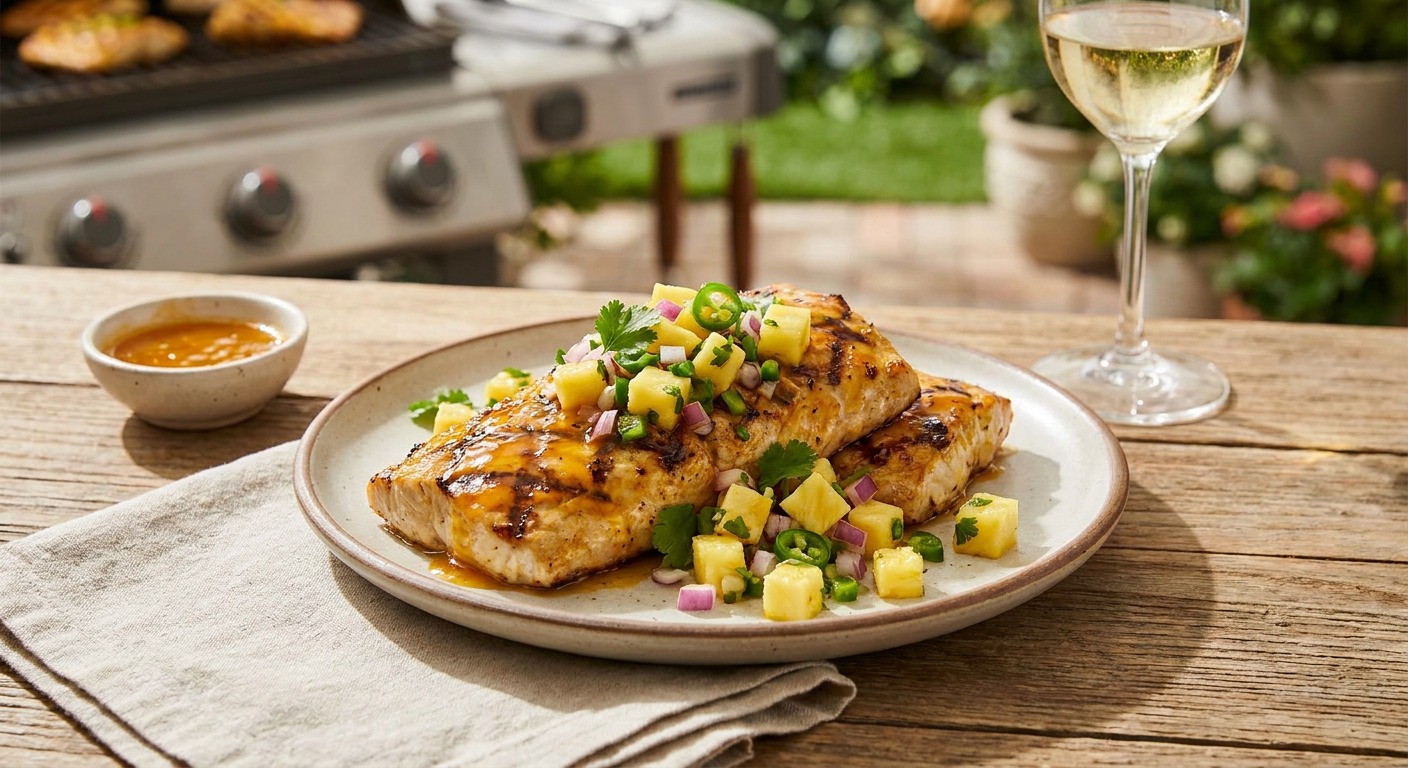
Grilled Mahi-Mahi with Mango Reàl Glaze and Pineapple Salsa
A bright, summery grilled mahi-mahi finished with a glossy Reàl mango puree glaze and a zesty fresh pineapple salsa. Quick to prep and perfect for backyard cookouts, the sweet-tangy glaze and crunchy salsa keep the fish moist and vibrant.
Ingredient Spotlight
Mahi-mahi fillets
Mahi‑mahi (also called dolphinfish in the fishing world) is a firm, lean white fish from tropical and subtropical waters commonly used in Hawaiian, Caribbean and coastal cuisines. It has mildly sweet, slightly oily flesh with large flakes and holds up well to grilling, searing, or broiling. You can find it at seafood markets, supermarket fish counters, or frozen sections; good substitutes are other meaty white fish such as swordfish, halibut, snapper, or cod.
Ingredient Spotlight
Reàl Mango Puree
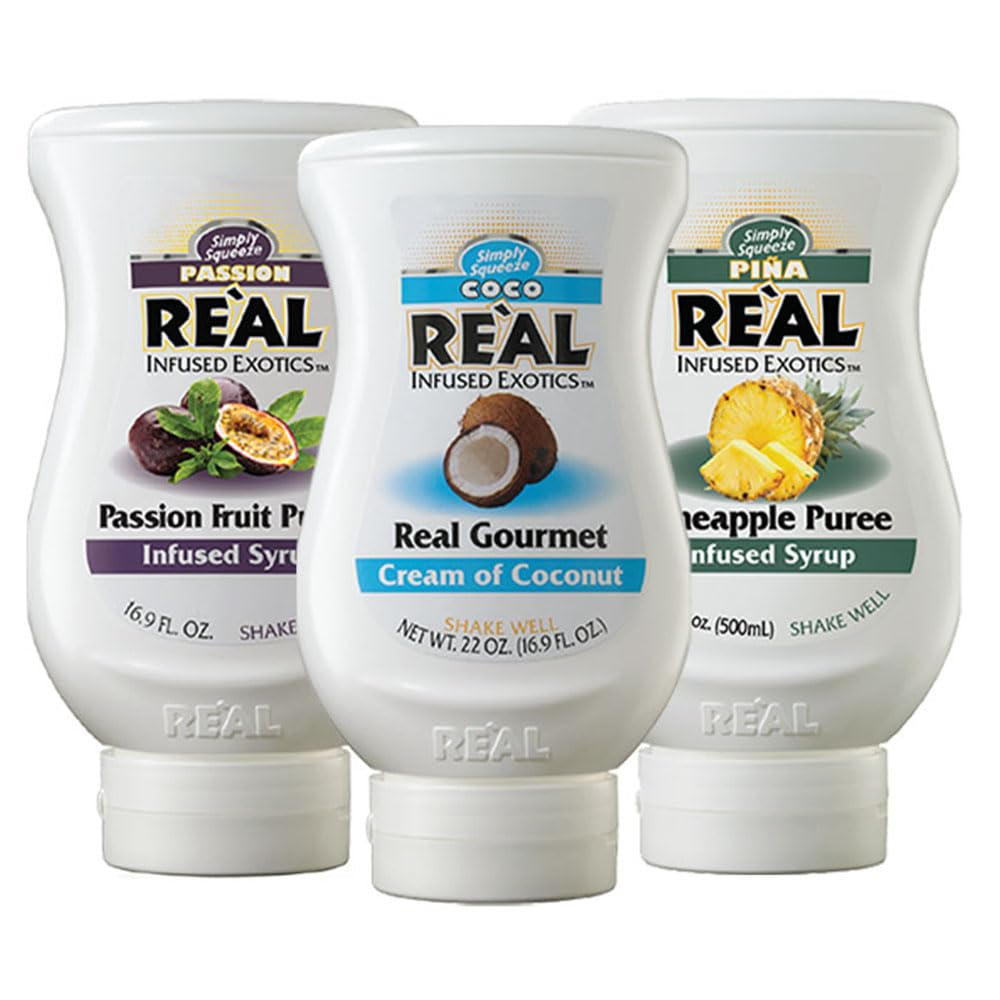
Reàl Mango Puree is a commercial, ready-made mango purée used in drinks, sauces and desserts to provide concentrated sweet-tart mango flavor and a smooth texture. It’s sold by specialty-ingredient brands and is commonly available in larger grocery stores, Latin/Asian markets, or online; if you can’t find the brand, puree ripe fresh mangoes in a blender or use canned mango purée/nectar or mango pulp as a straightforward substitute (reduce slightly if you need a thicker consistency).
Jake Woods's note
"This recipe is ideal for summer grills — the Reàl mango puree makes a quick, glossy glaze that caramelizes beautifully without overpowering the fish. Home cooks will love how fast the salsa and glaze come together for a dish that looks and tastes restaurant-quality."
About This Recipe
This grilled mahi-mahi with a glossy Reàl mango glaze and bright pineapple salsa is summer on a plate—clean, vibrant, and built around contrasts: the meaty, slightly sweet-firm fish, the lacquered sheen of sweet-tart mango, and a crunchy, acid-forward salsa that keeps every bite lively. Mahi-mahi stands up to direct heat without falling apart, so you get those smoky char lines and a tender interior; the mango glaze adds sweetness and a sticky finish that reads like a sauce and a varnish at once. The pineapple salsa provides textural pop and an acidic counterpoint that prevents the dish from tasting cloying, making it suited to backyard barbecues and weeknight dinners alike.
What makes this particular version work is the balance—minimal seasoning on the fish, a short simmer to thicken the mango puree just enough to adhere, and a salsa that’s assembled ahead so the flavors meld while you fire up the grill. Small timing decisions matter: brush the glaze only in the final minute to avoid burning, rest the fillets briefly so juices redistribute, and serve the salsa chilled for contrast. This recipe is forgiving but intentional, giving you big flavor with straightforward technique whether you’re feeding kids, guests, or keeping dinner light and bright.
Ingredients for Grilled Mahi-Mahi with Mango Reàl Glaze and Pineapple Salsa
- 1 cup Fresh pineapple, diced
- 1/4 cup Red onion, finely chopped
- 1 small Jalapeño, seeded and minced
- 1/4 cup Fresh cilantro, chopped
- 3 tbsp Fresh lime juice
- 2 tbsp Olive oil
- 1 1/2 tsp (combined) Kosher salt and freshly ground black pepper
- 1/2 cup Reàl Mango Puree
- 1 tbsp Honey
- 4 fillets (6–8 oz each) Mahi-mahi fillets
How to Make Grilled Mahi-Mahi with Mango Reàl Glaze and Pineapple Salsa
Step 1: Make the pineapple salsa
In a medium bowl combine the diced pineapple, finely chopped red onion, minced jalapeño, and chopped cilantro. Add 2 tablespoons of the lime juice, 1 tablespoon of olive oil, and about 3/4 teaspoon of the salt-and-pepper mixture (reserve the rest for the fish); toss to combine, taste and adjust seasoning. Cover and chill while you prepare the glaze and preheat the grill so flavors meld.For this step
- 1 cupFresh pineapple, diced
- 1/4 cupRed onion, finely chopped
- 1 smallJalapeño, seeded and minced
- 1/4 cupFresh cilantro, chopped
- 3 tbspFresh lime juice
Step 2: Prepare the Reàl mango glaze
In a small saucepan over medium heat, whisk together the Reàl mango puree, honey, and 1 tablespoon of lime juice with a pinch of the salt-and-pepper mixture. Bring to a gentle simmer and cook, stirring, 3–4 minutes until slightly thickened and glossy; remove from heat and keep warm. The glaze should coat the back of a spoon.For this step
- 1/2 cupReàl Mango Puree
- 1 tbspHoney
Step 3: Season and oil the fish
Pat the mahi-mahi fillets dry with paper towels. Brush both sides lightly with the remaining olive oil and season evenly with the remaining salt-and-pepper mixture. Lightly oil the grill grates or a grill pan to prevent sticking.Step 4: Grill the mahi-mahi and glaze
Preheat a grill to medium-high (about 400°F / 200°C). Place the fillets skin-side down (if skin-on) and grill 3–5 minutes until they release easily and have good char. Flip and grill 2–4 more minutes until opaque and just cooked through (internal temperature ~135–140°F / 57–60°C). In the final 1 minute of grilling, brush 1–2 tablespoons of the mango glaze onto each fillet and let it set—do not over-sauce to avoid burning.Step 5: Rest and serve with salsa
Transfer the grilled mahi to a platter and let rest 2 minutes. Spoon remaining mango glaze over the fillets, top with a generous scoop of pineapple salsa, and serve immediately with lime wedges on the side.


- In a medium bowl combine the diced pineapple, finely chopped red onion, minced jalapeño, and chopped cilantro. Add 2 tablespoons of the lime juice, 1 tablespoon of olive oil, and about 3/4 teaspoon of the salt-and-pepper mixture (reserve the rest for the fish); toss to combine, taste and adjust seasoning. Cover and chill while you prepare the glaze and preheat the grill so flavors meld.
- In a small saucepan over medium heat, whisk together the Reàl mango puree, honey, and 1 tablespoon of lime juice with a pinch of the salt-and-pepper mixture. Bring to a gentle simmer and cook, stirring, 3–4 minutes until slightly thickened and glossy; remove from heat and keep warm. The glaze should coat the back of a spoon.
- Pat the mahi-mahi fillets dry with paper towels. Brush both sides lightly with the remaining olive oil and season evenly with the remaining salt-and-pepper mixture. Lightly oil the grill grates or a grill pan to prevent sticking.
- Preheat a grill to medium-high (about 400°F / 200°C). Place the fillets skin-side down (if skin-on) and grill 3–5 minutes until they release easily and have good char. Flip and grill 2–4 more minutes until opaque and just cooked through (internal temperature ~135–140°F / 57–60°C). In the final 1 minute of grilling, brush 1–2 tablespoons of the mango glaze onto each fillet and let it set—do not over-sauce to avoid burning.
- Transfer the grilled mahi to a platter and let rest 2 minutes. Spoon remaining mango glaze over the fillets, top with a generous scoop of pineapple salsa, and serve immediately with lime wedges on the side.
Grilled Mahi-Mahi with Mango Reàl Glaze and Pineapple Salsa Tips
Pat Fillets Dry
Dry fish with paper towels before oiling so you get a good sear and the glaze adheres rather than steaming the surface.
Oil Grates and Fish
Lightly oil both the grill grates and the fillets to prevent sticking; use a high-smoke-point oil and a tongs-wrapped paper towel to oil hot grates safely.
Glaze Timing Matters
Apply the mango glaze only in the last minute of cooking to set it without burning—sugars caramelize quickly over direct heat.
Use Instant Thermometer
Check for 135–140°F (57–60°C) internal temperature for moist, just-done mahi-mahi; carryover will bring it up a few degrees while resting.
Chill the Salsa
Make the pineapple salsa ahead and chill so the acids and cilantro relax; cooler salsa against hot fish creates a pleasing temperature contrast.
Grilled Mahi-Mahi with Mango Reàl Glaze and Pineapple Salsa Variations and Substitutions
Swap the Fish
Use swordfish or salmon steaks for similar grillability and meaty texture—adjust cooking time slightly for thickness and fat content.
Tropical Fruit Salsa
Swap half the pineapple for diced mango or add chopped avocado for creaminess; keep lime juice prominent to maintain brightness.
Make it Vegan
Grill thick slices of eggplant or marinated tofu in place of mahi-mahi and brush with the mango glaze at the end; cook until nicely charred and warmed through.
Lower Sugar Glaze
Reduce honey by half and add a splash more lime juice or a teaspoon of rice vinegar to keep acidity while cutting sweetness.
How to Store and Make Grilled Mahi-Mahi with Mango Reàl Glaze and Pineapple Salsa Ahead
Store leftover grilled fish and salsa separately in airtight containers in the refrigerator for up to 2 days; keep the glazed fillets on a shallow airtight container to avoid sogginess. Reheat gently in a 300°F oven for 6–8 minutes or in a skillet over low heat to avoid overcooking—the mango glaze can be added fresh if it has darkened in the fridge. Do not freeze the pineapple salsa, but you can freeze extra mango glaze in small portions.
What to Serve With Grilled Mahi-Mahi with Mango Reàl Glaze and Pineapple Salsa
Serve the fish over coconut-lime rice or cilantro-lime quinoa to complement the tropical flavors, with grilled corn or charred broccolini for a savory counterpoint. A simple green salad with a citrus vinaigrette or a crunchy cabbage slaw adds texture, while lime wedges and extra cilantro allow guests to tweak brightness. For drinks, pair with a crisp Sauvignon Blanc, a Mexican pilsner, or a light rum cocktail with lime and soda.
Grilled Mahi-Mahi with Mango Reàl Glaze and Pineapple Salsa FAQs
Can I use frozen mahi-mahi?
Yes—thaw completely in the refrigerator, then pat dry before grilling; removing excess moisture helps achieve a good sear and prevents steaming on the grill.
Why did my glaze burn on the grill?
The mango puree contains sugars that caramelize quickly; to prevent burning, glaze only in the final minute over indirect heat or lower the grill temp slightly, and avoid prolonged exposure to open flame.
How far ahead can I make the salsa?
You can make the pineapple salsa up to 8–12 hours ahead; the flavors meld nicely, but wait to add delicate cilantro until an hour before serving if you want brighter herb flavor.
Is the fish safe slightly under 135°F?
Mahi-mahi is safe when cooked to 145°F per USDA, but many chefs prefer 135–140°F for optimal juiciness; if serving to pregnant people or immunocompromised guests, cook to 145°F.
Can I substitute the Reàl mango puree?
Yes—use a good-quality mango puree or blitz fresh ripe mango with a little water and strain for a similar texture, then sweeten lightly and reduce as directed for the glaze.
About the author
Jake WoodsHello, I'm Jake. I started this recipe site with the idea that I hated recipe websites that overwhelm you with long stories and ads just to see plain content that's not helpful. My goal is to provide you with quality recipes, simple ideas and a fun cooking experience. There's lots of fun things to cook, and I think as you browse the site you'll find that TopShelf.Recipes is the place for quality recipes on the web.
See all recipes by Jake Woods →Ratings & Reviews
Did you make this recipe?
Be the first to share your experience.
Nutrition Facts
Per serving: 1 fillet
Nutrition values are estimated from USDA ingredient data and may vary based on preparation, brands, and portion sizes. Values are provided for informational purposes only.
Gear Up
Recommended gear for this recipe
Keep Reading
Guides & articles for this recipe
Guides
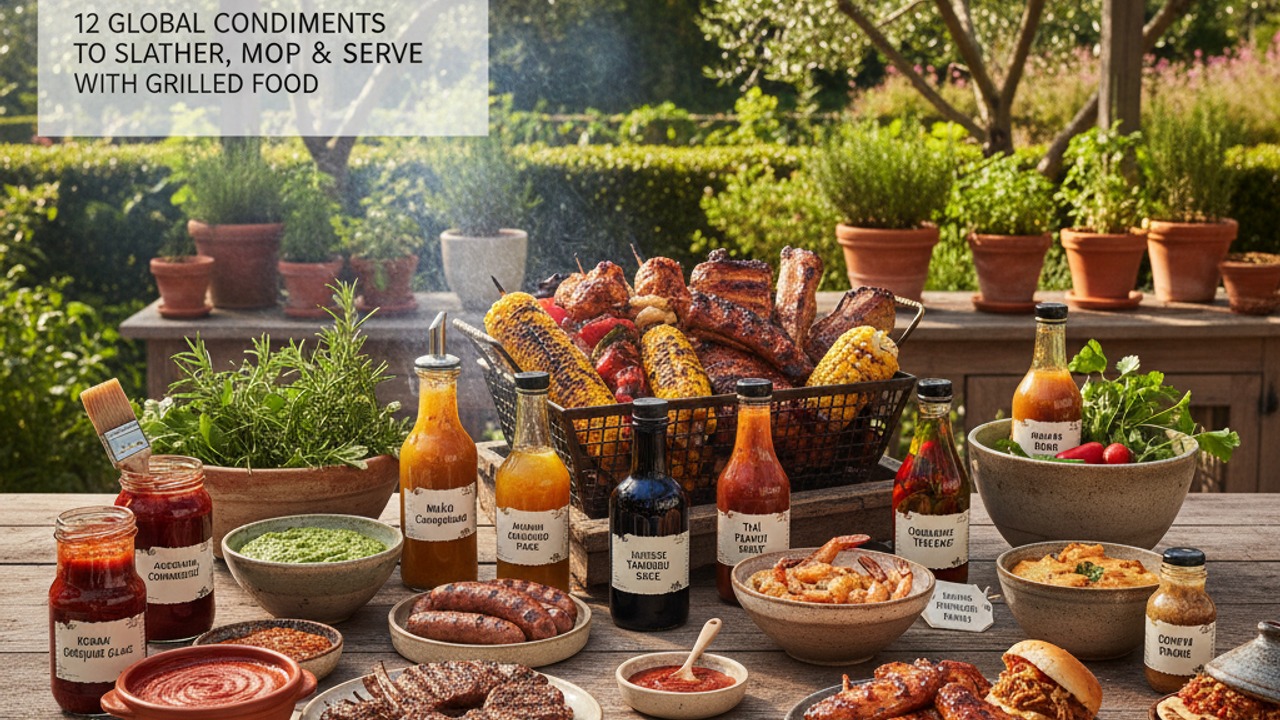
Trending Backyard Sauces for 2026: 12 Global Condiments to Slather, Mop & Serve with Grilled Food
A trend-forward guide to the 12 must-have global sauces for backyard grilling in 2026. Profiles, flavor notes, pantry shortcuts, grill pairings and smart make-ahead and scaling tips to feed a crowd without sweating the details.

Guides
Zero‑Waste Seasonal Recipes: Turn Produce and Protein Scraps into Grilled & Campfire Favorites
Practical, season-spanning guide to turning peels, stems, seeds, and bones into six grill- and campfire-friendly flavor boosters. Learn safety, storage, and flavor-building tips to cut waste and amplify backyard cooking all year.

Healthy Eating
Gluten-Free Weeknight Grilling Plan
A 7-day gluten-free weeknight grilling plan with quick, family-friendly recipes, prep-ahead timelines, and a printable shopping list that spotlights late-summer produce and pantry staples. Includes clear cross-contamination safety tips and simple swaps to keep dinners fast and crowd-pleasing.
More from Grilling
View all Grilling recipes →
Tandoori Yogurt Marinated Grilled Chicken (Tandoori Style on the Grill)

Labor Day Grilled Lobster Rolls with Charred Scallion Brown Butter & Lemon‑Herb Aioli

Bulgogi Smash Burger

Campfire‑Smoked Potato Salad with Mustard‑Bacon Vinaigrette — A Labor Day Grilling Side for Steak

Hanger Steak with Shallot Sauce
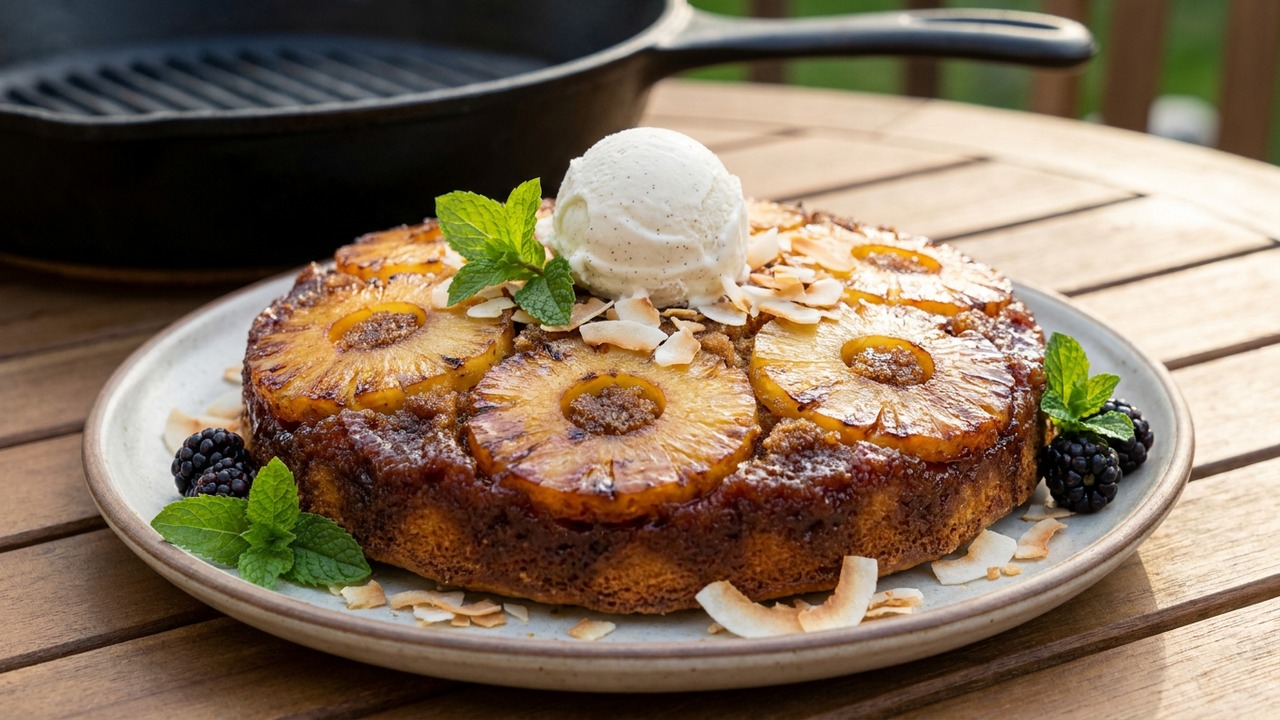
Grilled Pineapple Upside-Down Cake

Spicy Grilled Shrimp Skewers with Garlic Lime Marinade

Honey Garlic Grilled Thin-Sliced Chicken Breasts

Coffee and Porcini Dry-Rub Steaks with RUB PRIME STEAK Finish
Ask me anything about this recipe — substitutions, scaling, techniques, timing.
Powered by AI · 6 questions per 5 minutes, 30 per day