Cedar Plank Salmon
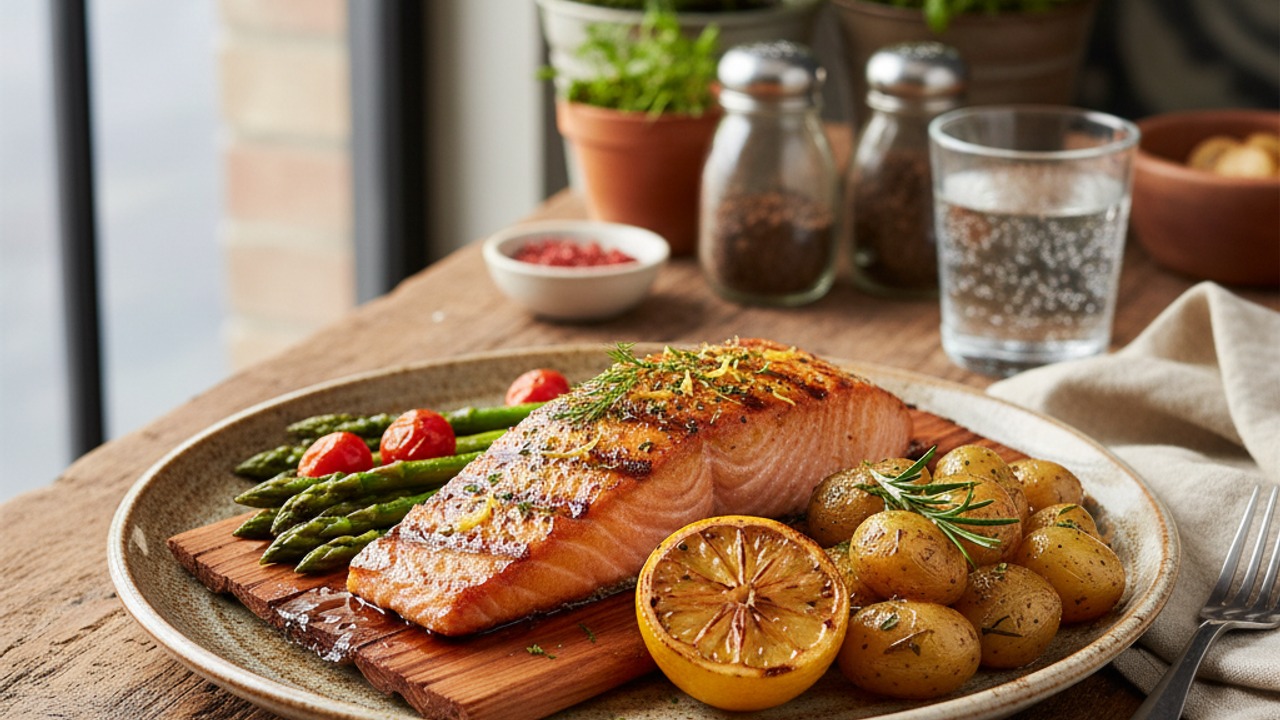
Cedar plank salmon is a restaurant-style grilling method that infuses the fish with a gentle, smoky cedar aroma while keeping the fillet moist and tender. It's an impressive yet easy centerpiece for weekend cookouts or summer dinners.
Jake Woods's note
"This method gives salmon a delicate smoky flavor without overpowering the fish — perfect for backyard gatherings. Home cooks will love how hands-off the plank lets you relax while the grill does the work."
About This Recipe
Cedar plank salmon turns a simple fillet into a showstopping centerpiece by pairing gentle smoke with a glossy, savory-sweet glaze. The cedar imparts a subtle foresty aroma that lifts the natural richness of the fish without overwhelming it; paired with maple and Dijon the result is savory, slightly tangy, and lightly caramelized on the surface while the interior stays tender and just a touch buttery. Keeping the skin on protects the flesh from drying, and a short rest at the end lets the juices redistribute so each portion flakes in neat, succulent layers.
This version is designed for home cooks who want impressive results without fuss: a straightforward 3-ingredient glaze, a few lemon slices for brightness, and a single soaked plank to do the heavy lifting. It works equally well for a relaxed backyard cookout or a quiet dinner when you want something elegant with minimal plating. Read the tips below to avoid common plank pitfalls, dial the doneness to taste, and adapt the flavors if you prefer more smoke, citrus, or herb-forward profiles.
Ingredients for Cedar Plank Salmon
- 1 piece cedar grilling plank
- 2 lb salmon fillet, skin on (preferably 2–2½ lb / whole or two pieces)
- 2 tbsp extra-virgin olive oil
- 1 1/2 tsp kosher salt
- 1 tsp freshly ground black pepper
- 2 tbsp pure maple syrup
- 1 tbsp Dijon mustard
- 1 piece lemon, thinly sliced
- 2 tbsp fresh dill, chopped (for garnish)
How to Make Cedar Plank Salmon
Step 1: Soak the cedar plank and preheat the grill
Submerge the cedar plank in water and weigh it down so it stays fully covered; soak for at least 45–60 minutes (longer if available) to prevent burning. About 20 minutes before grilling, preheat a gas or charcoal grill to medium heat (350–400°F / 175–205°C) with one side of the grill hotter for indirect cooking.For this step
- 1 piececedar grilling plank
Step 2: Prep the salmon and make glaze
Pat the salmon dry with paper towels and place skin-side down on a sheet tray. Whisk together olive oil, maple syrup and Dijon mustard, then season the fish evenly with kosher salt and freshly ground black pepper. Brush about half the glaze over the top of the fillet, saving the rest for basting while it cooks.For this step
- 2 lbsalmon fillet, skin on (preferably 2–2½ lb / whole or two pieces)
- 2 tbspextra-virgin olive oil
- 1 1/2 tspkosher salt
- 1 tspfreshly ground black pepper
- 2 tbsppure maple syrup
- 1 tbspDijon mustard
Step 3: Place salmon on the plank and position on the grill
Place the soaked cedar plank on the grill grates over direct heat for 2 minutes to begin releasing smoke, then flip it so the wet side faces up. Arrange a few lemon slices on the plank and set the salmon, skin-side down, on top; brush once more with reserved glaze. Move the plank to the cooler side of the grill (indirect heat), close the lid, and begin cooking.For this step
- 1 piecelemon, thinly sliced
Step 4: Grill gently until just cooked through
Cook with the lid closed for 12–18 minutes depending on thickness; baste once more halfway through with remaining glaze. Check doneness by inserting an instant-read thermometer into the thickest part — remove when it reaches 125–130°F (52–54°C) for medium-rare to medium, or when the flesh flakes easily and is opaque.Step 5: Rest and serve
Carefully transfer the plank (it will be hot) to a heatproof surface and let the salmon rest 5 minutes to finish cooking and reabsorb juices. Garnish with chopped fresh dill and extra lemon wedges, then serve portions directly from the plank for an attractive presentation.For this step
- 2 tbspfresh dill, chopped (for garnish)


- Submerge the cedar plank in water and weigh it down so it stays fully covered; soak for at least 45–60 minutes (longer if available) to prevent burning. About 20 minutes before grilling, preheat a gas or charcoal grill to medium heat (350–400°F / 175–205°C) with one side of the grill hotter for indirect cooking.
- Pat the salmon dry with paper towels and place skin-side down on a sheet tray. Whisk together olive oil, maple syrup and Dijon mustard, then season the fish evenly with kosher salt and freshly ground black pepper. Brush about half the glaze over the top of the fillet, saving the rest for basting while it cooks.
- Place the soaked cedar plank on the grill grates over direct heat for 2 minutes to begin releasing smoke, then flip it so the wet side faces up. Arrange a few lemon slices on the plank and set the salmon, skin-side down, on top; brush once more with reserved glaze. Move the plank to the cooler side of the grill (indirect heat), close the lid, and begin cooking.
- Cook with the lid closed for 12–18 minutes depending on thickness; baste once more halfway through with remaining glaze. Check doneness by inserting an instant-read thermometer into the thickest part — remove when it reaches 125–130°F (52–54°C) for medium-rare to medium, or when the flesh flakes easily and is opaque.
- Carefully transfer the plank (it will be hot) to a heatproof surface and let the salmon rest 5 minutes to finish cooking and reabsorb juices. Garnish with chopped fresh dill and extra lemon wedges, then serve portions directly from the plank for an attractive presentation.
Cedar Plank Salmon Tips
Soak the plank thoroughly
Soak the cedar for at least 45–60 minutes and weigh it down so it stays fully submerged; longer soaking (2–4 hours) reduces flare-ups and lengthens gentle smoke production.
Set up two zones
Preheat the grill with one high-heat side and one cooler side so you can start the plank briefly over direct heat to smolder, then move it to indirect heat to cook the salmon through without burning.
Watch glaze caramelization
Maple syrup sugars can darken quickly; baste early and sparingly, and check after 10–12 minutes so you can move the plank away from any hot spots if the glaze begins to scorch.
Use an instant thermometer
Insert the probe into the thickest part without touching the skin and remove the fish at 125–130°F (52–54°C) for medium; it will rise a few degrees while resting.
Protect the skin
Leave the skin on and place the salmon skin-side down on the plank to act as a heat shield and make portioning easier after cooking.
Cedar Plank Salmon Variations and Substitutions
Miso-Maple Glaze
Whisk 1 tablespoon white miso into the maple and olive oil for an umami-rich glaze; thin with a teaspoon of water if needed and proceed as directed.
Herb-Citrus Crust
Mix chopped parsley, chives, lemon zest and a little panko with the Dijon and press lightly on top before grilling for a textured, bright finish.
Alder or Oak Swap
If cedar planks aren’t available, alder or fruitwoods (apple/cherry) on a soaked plank produce similar mild smoke; avoid strong hardwoods like mesquite that overpower salmon.
Honey-Lemon Alternative
Replace maple with equal honey and add extra lemon slices for a brighter, floral-sweet profile that caramelizes a touch more quickly.
How to Store and Make Cedar Plank Salmon Ahead
Cool any leftover salmon to room temperature for no more than two hours, then refrigerate in an airtight container for up to 48 hours. To reheat, wrap loosely in foil and warm in a 275°F oven for 10–12 minutes, or gently reheat skin-side down in a skillet over low heat to preserve moisture and texture; avoid microwaving, which can dry the fish.
What to Serve With Cedar Plank Salmon
Serve directly from the plank for rustic theater, garnished with fresh dill and lemon wedges, alongside grilled asparagus or blistered green beans and fingerling potatoes tossed in butter and parsley. For drinks, choose a crisp Sauvignon Blanc, an unoaked Chardonnay, or a citrus-forward saison beer to complement the salmon’s sweet-savory glaze and cedar smoke.
Cedar Plank Salmon FAQs
Can I reuse the cedar plank?
You can reuse a plank once or twice if it hasn’t charred through and still smells clean, but flavor and structural integrity decline with each use; sanitize and dry thoroughly between uses.
What if the plank catches fire?
If flames flare up, move the plank to the cooler side of the grill and spray a little water on the flames if necessary; heavy flames usually mean the plank was too dry or sat over direct heat too long.
Can I make this with skinless salmon?
Yes, but skin helps protect the flesh from direct heat and makes portioning easier; if using skinless fillets, watch cook time closely and consider a thin foil layer under the fillet to prevent sticking.
How do I know when it’s done?
Use an instant-read thermometer and remove at 125–130°F for medium; alternatively, look for opaque, flaky flesh that still appears moist and glossy rather than chalky.
Can I make this indoors?
You can mimic plank cooking in the oven by placing the soaked plank on a rimmed sheet and broiling briefly to start smoke-like aroma, then baking at 375°F until done, though you’ll miss some of the smoky nuance the grill provides.
About the author
Jake WoodsHello, I'm Jake. I started this recipe site with the idea that I hated recipe websites that overwhelm you with long stories and ads just to see plain content that's not helpful. My goal is to provide you with quality recipes, simple ideas and a fun cooking experience. There's lots of fun things to cook, and I think as you browse the site you'll find that TopShelf.Recipes is the place for quality recipes on the web.
See all recipes by Jake Woods →Ratings & Reviews
Did you make this recipe?
Be the first to share your experience.
Nutrition Facts
Per serving: 4 oz salmon
Nutrition values are estimated from USDA ingredient data and may vary based on preparation, brands, and portion sizes. Values are provided for informational purposes only.
Keep Reading
Guides & articles for this recipe

Healthy Eating
Lean Labor Day Grilling Menu
A Labor Day grilling guide that swaps heavy BBQ classics for lighter, flavorful options—think lean proteins, charred vegetables, and low‑sugar sauces. Includes make-ahead meal prep, portioning tips, and a short shopping checklist for healthy, crowd-pleasing cookouts.
Guides
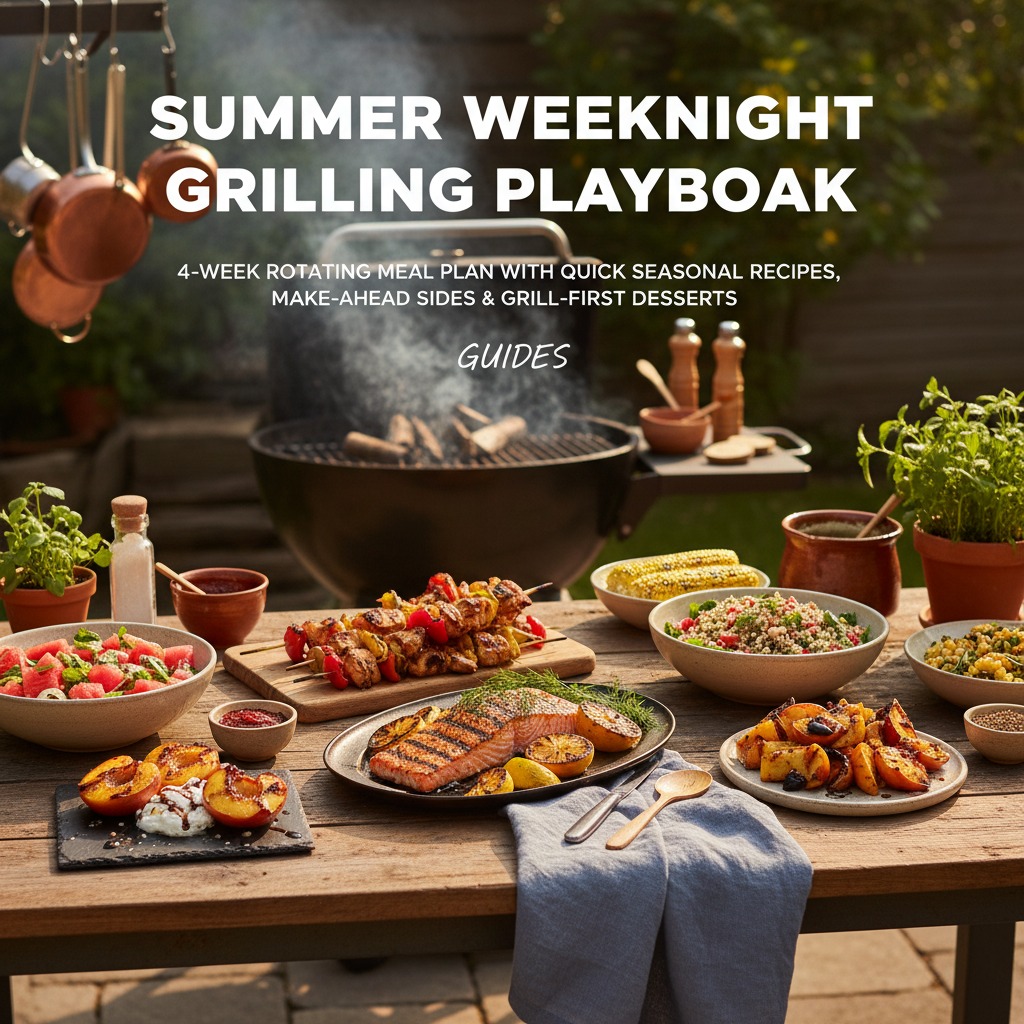
Summer Weeknight Grilling Playbook: 4-Week Rotating Meal Plan with Quick Seasonal Recipes, Make‑Ahead Sides & Grill‑First Desserts
A practical, four-week summer grilling playbook built for busy weeknights: 12 fast mains, 8 make‑ahead sides, 4 grill-forward desserts, weekly shopping lists, prep timelines, and smart tips for backyard, tailgate, or campsite cooking. Get the rhythm of easy, seasonal grilling that keeps dinner fresh and fast.
Guides
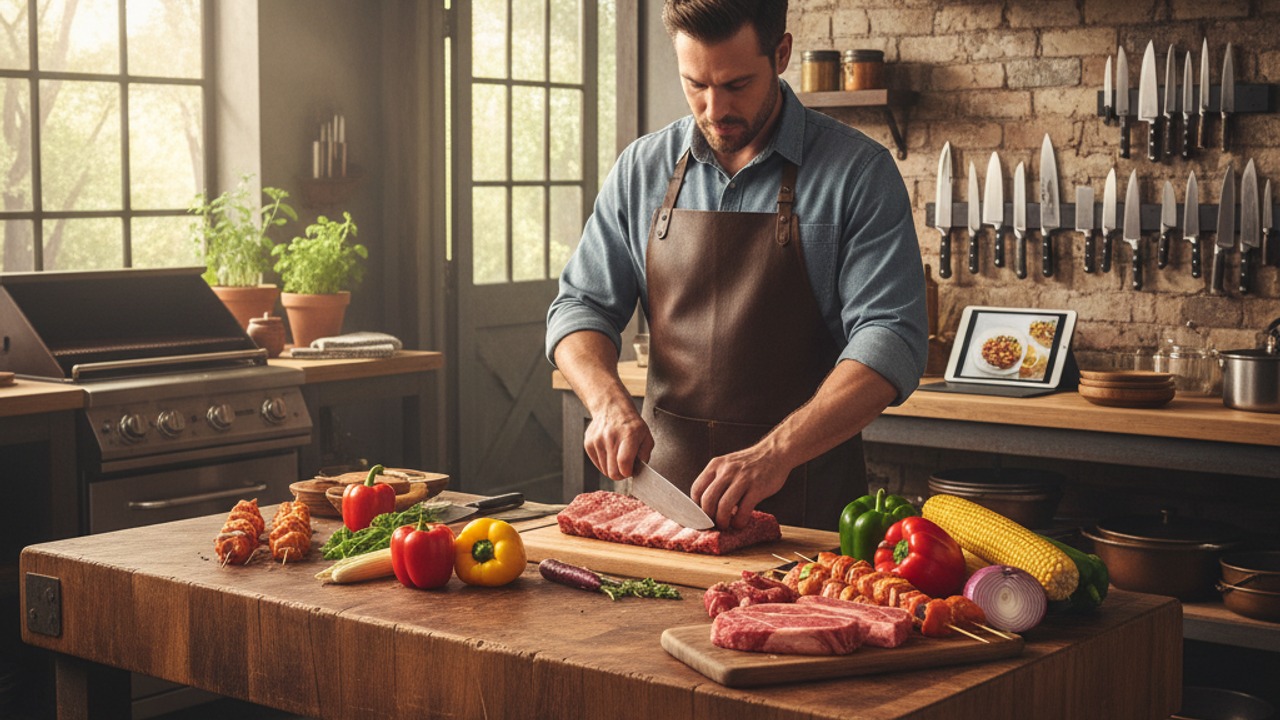
Essential Knife Skills for Grillmasters
A practical, step-by-step guide to the core knife techniques every outdoor cook should master. Learn blade choices, trimming and butterflying, vegetable prep, sharpening, and safe transport for confident grilling.
More from Grilling
View all Grilling recipes →
Tandoori Yogurt Marinated Grilled Chicken (Tandoori Style on the Grill)

Labor Day Grilled Lobster Rolls with Charred Scallion Brown Butter & Lemon‑Herb Aioli

Bulgogi Smash Burger

Campfire‑Smoked Potato Salad with Mustard‑Bacon Vinaigrette — A Labor Day Grilling Side for Steak

Hanger Steak with Shallot Sauce
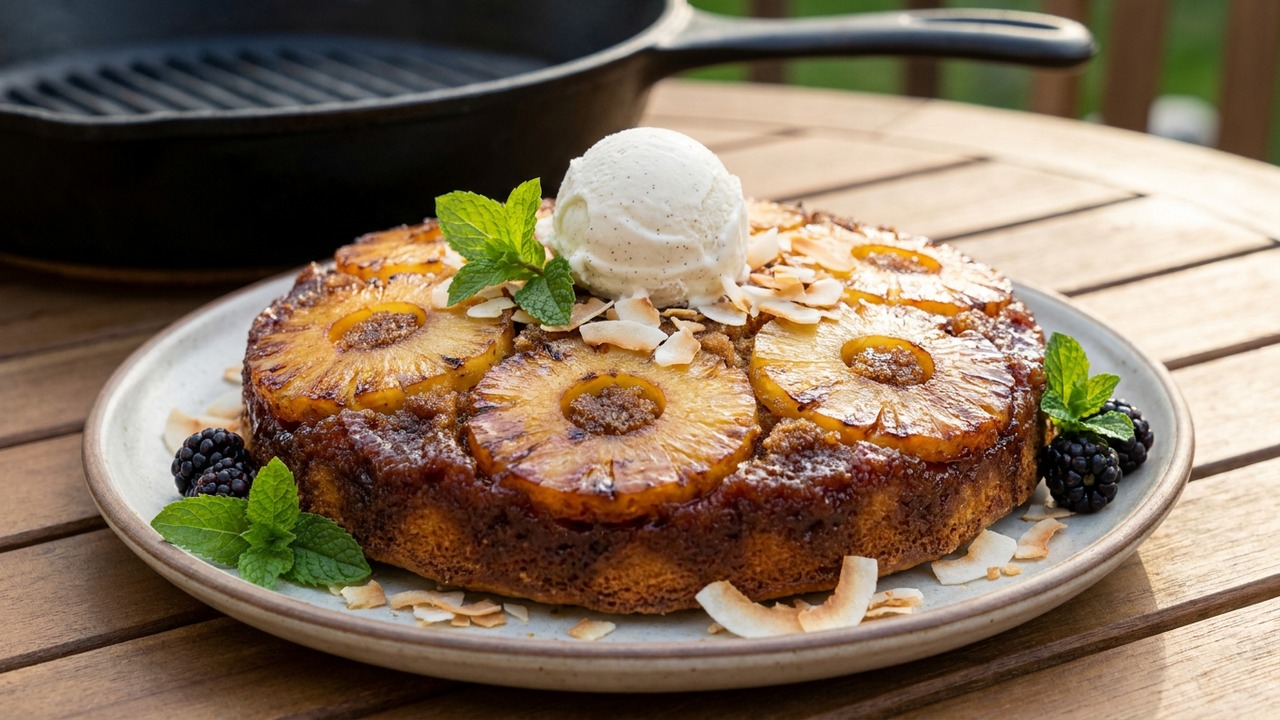
Grilled Pineapple Upside-Down Cake

Spicy Grilled Shrimp Skewers with Garlic Lime Marinade

Honey Garlic Grilled Thin-Sliced Chicken Breasts

Coffee and Porcini Dry-Rub Steaks with RUB PRIME STEAK Finish
Ask me anything about this recipe — substitutions, scaling, techniques, timing.
Powered by AI · 6 questions per 5 minutes, 30 per day