All Articles
Guides

Essential Knife Skills for Grillmasters

A practical, step-by-step guide to the core knife techniques every outdoor cook should master. Learn blade choices, trimming and butterflying, vegetable prep, sharpening, and safe transport for confident grilling.

August 20, 2026Editorially curated
Essential Knife Skills for Grillmasters

Choosing Blades And Kit

Choosing Blades And Kit

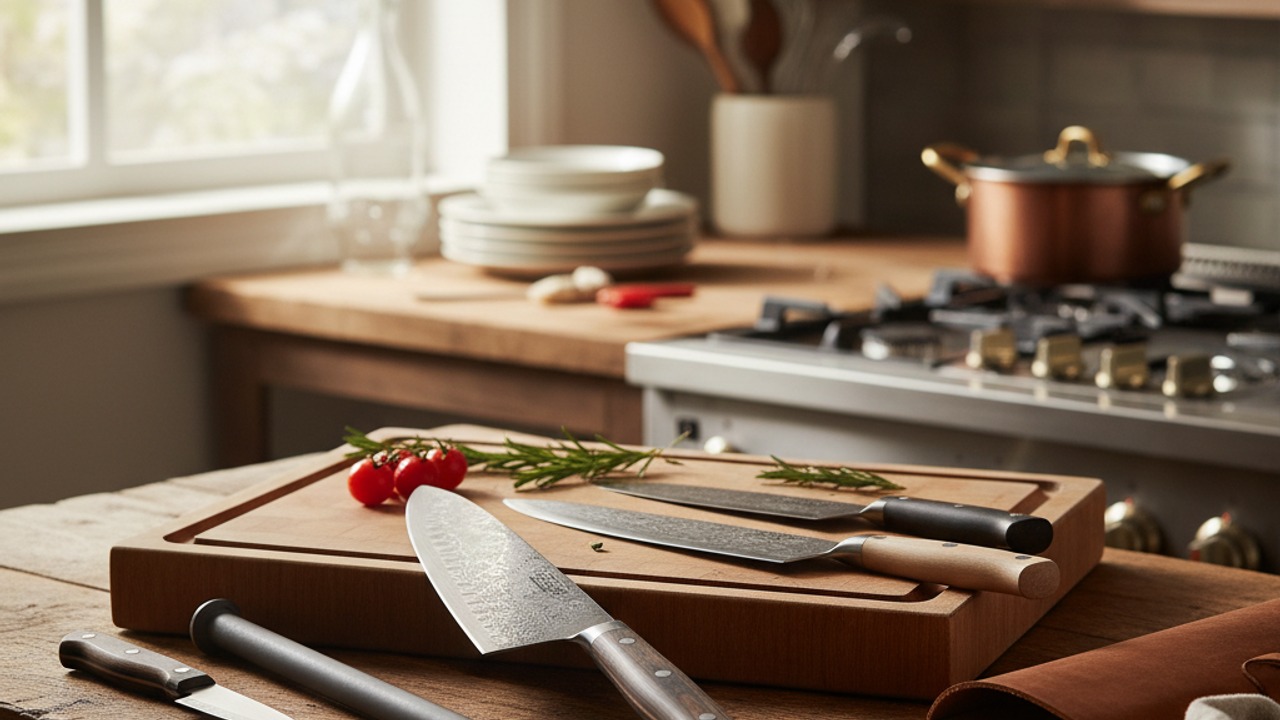
Selecting knives for outdoor cooking is an exercise in trade-offs because material and geometry directly affect corrosion resistance, edge retention and portability. A wide, 8–10-inch chef’s knife is versatile for large cuts and veg, but it’s heavier and more exposed to wind; by contrast, a 6-inch utility or boning knife offers control for trimming and breaking down proteins and sits more comfortably in a compact kit. Steel matters: higher-carbon steels take a keener edge and sharpen more easily, while stainless-alloyed steels resist surface rust when you’re working near smoke and salt.

Plan a compact kit that balances function with weight and legal concerns. Include a chef’s or gyuto-style knife for general work, a boning or fillet knife for delicate protein tasks, and a small serrated or bread knife for crusty breads and tomatoes. Add a sturdy folding utility or locking pocket knife for campsite tasks where an open blade might be impractical. Complement the set with a thin, non-slip cutting board, a sheath or knife roll for secure transport, and a small roll-up mat that stabilizes your board on uneven surfaces. Those choices keep you nimble, safe and ready to adapt to the day’s menu.

Trimming And Butterflying Proteins

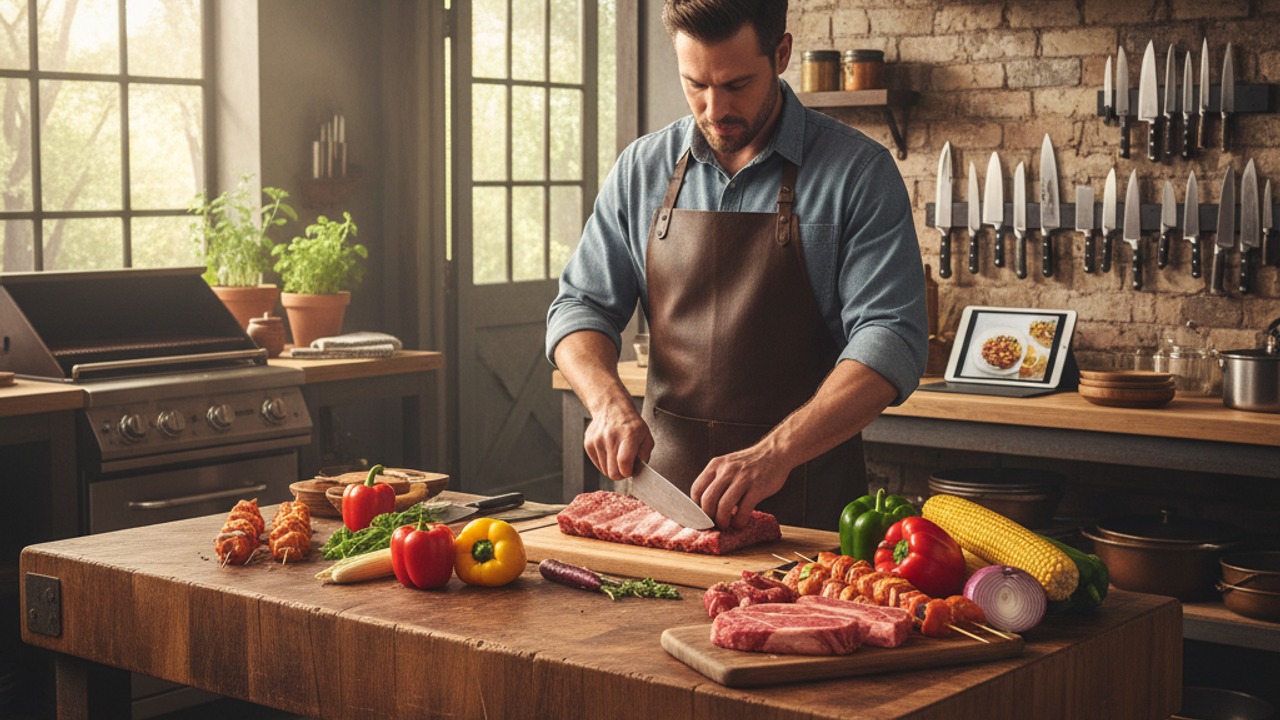
Trimming fat, silver skin and membranes is not cosmetic; it controls how a cut behaves under intense heat because fat drips and membranes contract, changing how the meat sears and charred surface develops. When you remove silver skin from a flank or filet, cut with the blade nearly parallel to the muscle and slide it gently beneath the membrane while holding the tissue taut; jerky, vertical cuts waste meat and leave ragged edges that char unevenly. Likewise, taking excess fat off the edges of a steak reduces flare-ups without stripping all the flavor.

Butterflying and spatchcocking change both shape and cooking physics by increasing surface area and evening thickness, which matters when you need a predictable grill time. To butterfly a chicken breast, anchor the thicker side with your thumb, run the knife horizontally through the meat, and open it like a book so the breast cooks in the same window of time as thinner pieces. Visual cues—consistent thickness, a smooth cutting path and a steady, confident wrist—are the best indicators that you have an even surface ready for char.

Different proteins demand different approaches: for a reverse-sear ribeye, leave a thin fat cap on for flavor but trim loose edges so the crust forms cleanly; with skirt steak used in skirt-steak tacos or carne asada, trim silverskin and slice across the grain to shorten fibers and improve tenderness. Attention to these details makes the difference between a charred exterior and an overcooked interior or a steak that seizes into toughness.

Vegetable And Herb Prep

Vegetable And Herb Prep

Vegetables behave on the grill according to thickness, grain and surface area, so your cuts should be chosen to control moisture loss and maximize caramelization. Long, flat planks work for eggplant and zucchini because they present a wide surface for Maillard browning while keeping a tender interior; thick rounds are best for portobello caps and onions to avoid them collapsing into the grates. In every case, aim for uniform pieces so they char at the same rate; if one side cooks faster, flip more often or regroup pieces by size.

How you slice also changes the bite: cutting zucchini lengthwise gives a meaty chew, while crosswise coins increase crisp edges. For skewers, batonnet-cut veg and evenly sized tofu cubes prevent undercooked centers and allow predictable turning. Herbs deserve timing as much as technique—chiffonade basil or finely chopped cilantro releases oils and aroma, but add delicate herbs at the end of cooking so their volatile notes survive the smoke.

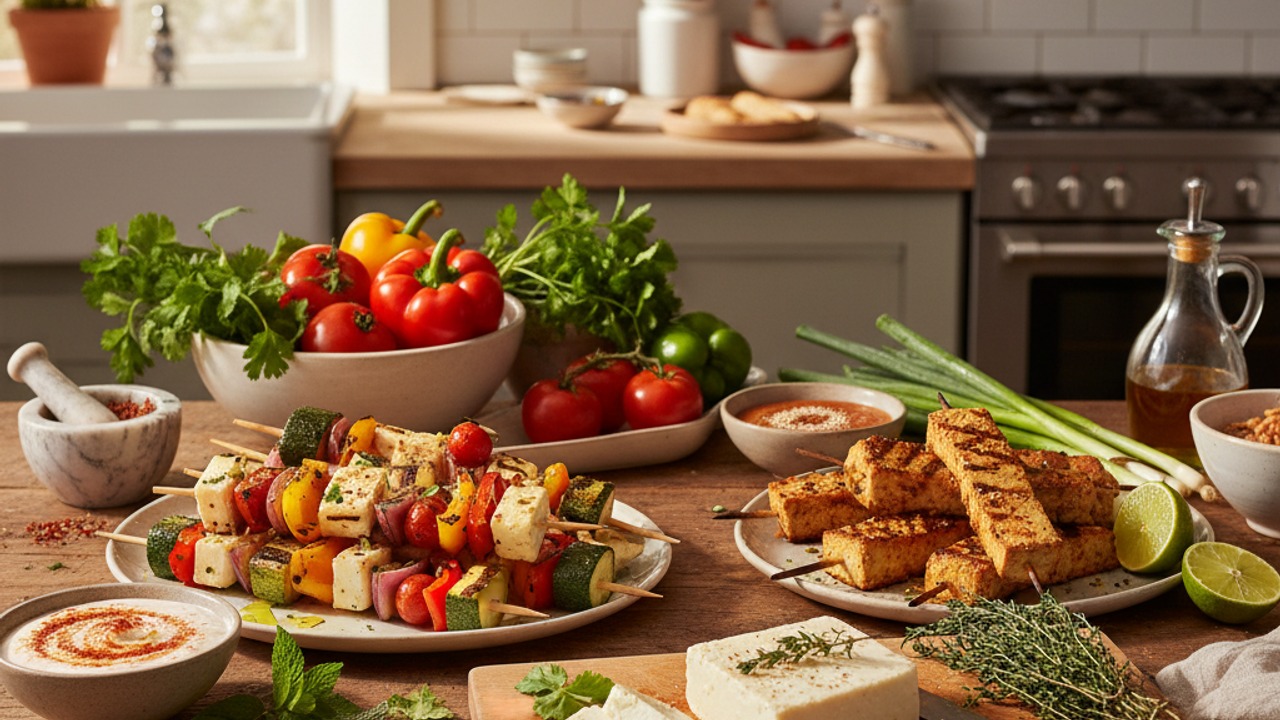
These approaches show up clearly in dishes like Halloumi and Grilled Vegetable Kabobs and Grilled Tofu Skewers, where uniform cubes and planks ensure squeaky cheese and tofu develop a golden surface without falling apart. For salads such as Charred Corn Salad with Lime, Cotija and Chili, cut corn from well-charred cobs and reserve bright herbs to finish so the dressing and aromatics pop against the smoky backdrop.

Sharpening And Field Maintenance

Maintaining a keen edge outdoors is both practical and safe because a sharp knife requires less force and gives you cleaner, more predictable cuts. Choose portable sharpening tools that match your steels: ceramic hones and fine diamond rods are compact and fast for touch-ups, while waterstones and thicker diamond plates reprofile an edge when you have time and a stable surface. Hone periodically in the field to realign the microbevel; regrind only when chips or rolling make honing ineffective, because regrinding removes metal and changes blade geometry.

Stropping is the last step that turns a clean edge into a glassy, toothless cutter and is especially useful before slicing delicate proteins. Keep a small bottle of light mineral oil and a soft cloth to dry and oil blades after use so humidity and smoke don’t encourage surface rust. Quick fixes for nicks include working a fine ceramic rod along the damaged area, but if a blade sustains a larger chip, plan to reprofile it back home where you can work safely.

The difference a sharp blade makes is clear with delicate fish: a razor edge matters when you’re prepping fillets for Seared Ahi Tuna Steaks or slicing cedar-plank salmon for even presentation and quick sear. A stropped knife slices smoothly without tearing flesh, preserving texture and allowing seasonings and marinades to adhere evenly.

Safe Handling And Transport

Safe Handling And Transport

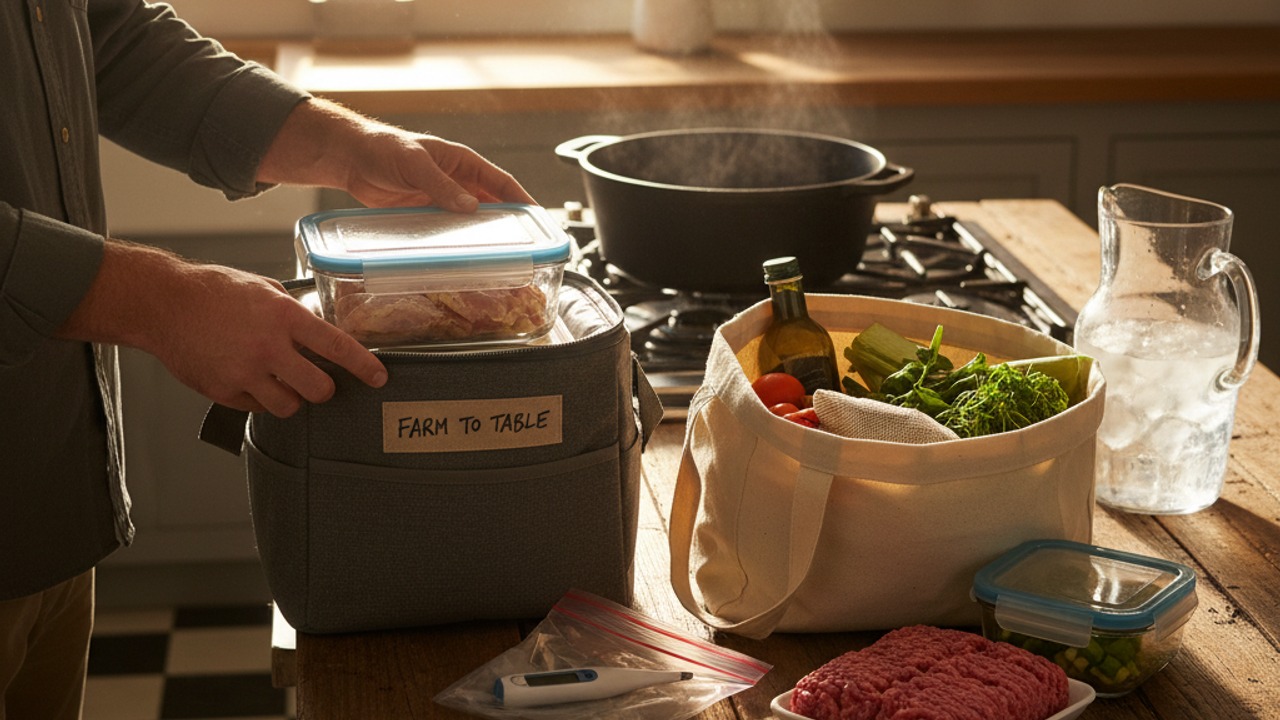
Transport and on-site safety begin before you leave home: pack knives in a dedicated roll with individual sheaths or a hard case so blades are immobilized and protected from wet gear. Legal considerations vary by jurisdiction and event, so when in doubt keep knives sheathed and labeled, and separate them from other equipment. At the grill, stabilize your cutting surface with a damp towel or a rubber mat under the board, and set up a defined work triangle—tools, board and waste bin—so you don’t make passes over open coals while carrying sharp objects.

On-site organization reduces accidents because routine actions—trimming, seasoning, moving to the grill—become deliberate and repeatable when tools have a place. Keep antiseptic wipes, bandages and a clean compress in your kit, and know basic first-aid for cuts: apply pressure, clean thoroughly with potable water, and seek further care for deep wounds or persistent bleeding. If contamination occurs, discard affected food and sanitize surfaces immediately; proactive setup before lighting the fire is the single best step to prevent both injuries and food-safety lapses.

Recipes in This Article

Carne Asada Grilled Skirt Steak with Lime and Cilantro Marinade
Grilling

Carne Asada Grilled Skirt Steak with Lime and Cilantro Marinade

Charred, citrusy skirt steak marinated in lime, orange, garlic and cilantro for a bright Tex‑Mex flavor. Quick to prep and fast on the grill, this carne asada is perfect for weeknight tacos or a casual backyard meal.

92m Easy0View Recipe
Skirt Steak Tacos
Grilling

Skirt Steak Tacos

Juicy, fast-grilled skirt steak folded into warm tortillas with a bright charred pineapple salsa and quick-pickled red onions. This lively combination balances smoky, sweet and tangy flavors for an easy weeknight or weekend grill-up.

40m Medium0View Recipe
Halloumi and Grilled Vegetable Kabobs with Harissa Yogurt
Grilling

Halloumi and Grilled Vegetable Kabobs with Harissa Yogurt

Charred halloumi and colorful grilled vegetables threaded on skewers, served with a bright, spicy harissa yogurt. These kabobs are an easy vegetarian centerpiece for summer gatherings or weeknight grilling when you want something flavorful and fun to share.

32m Easy0View Recipe
Reverse‑Sear Ribeye on a Pellet Grill with Garlic Herb Butter
Grilling

Reverse‑Sear Ribeye on a Pellet Grill with Garlic Herb Butter

A classic reverse-sear ribeye finished with a lemony garlic-herb butter for a deeply smoky interior and an unbeatable crust. Cook low and slow on a pellet grill, then blast over high heat (or a hot cast-iron) to develop a crisp sear and finish with the fragrant butter.

55m Medium0View Recipe
Pellet Grill Cedar‑Plank Salmon
Grilling

Pellet Grill Cedar‑Plank Salmon

Cedar-plank salmon on a pellet grill combines gentle, smoky wood flavor with moist, tender fish for an impressive yet easy main course. The plank protects the salmon from direct heat while infusing aroma, making this a great show-stopping dish for weeknight dinners or backyard gatherings.

85m Easy0View Recipe
Seared Ahi Tuna Steaks
Grilling

Seared Ahi Tuna Steaks

Quick, restaurant-style seared ahi tuna steaks with an Asian-inspired marinade and a toasted sesame crust. Perfect for summer grills or weeknight dinners when you want a show-stopping seafood main in under 30 minutes.

23m Easy0View Recipe
Grilled Tofu Skewers
Grilling

Grilled Tofu Skewers

Crisp-edged tofu cubes are marinated in a savory-sweet mix and threaded with colorful vegetables, then grilled until smoky and caramelized. These skewers are an easy, crowd-pleasing vegetarian main or side that shine on warm-weather cookouts.

52m Easy0View Recipe
Charred Corn Salad with Lime Cotija and Chili Powder
Salads

Charred Corn Salad with Lime Cotija and Chili Powder

Bright, salsa-style charred corn transformed into a tangy, make-ahead summer salad with creamy lime crema, salty cotija, and a pop of chili powder. Perfect for backyard barbecues, potlucks, or as a colorful side that easily scales up.

30m Easy0View Recipe

Comments

Leave a comment

0/2000

No comments yet — be the first to share your thoughts.

Keep exploring

More to read

All articles →