Peaches are commonly sorted by two practical traits: whether the flesh frees easily from the pit (freestone) or clings tight (clingstone), and whether the flesh is yellow or white. Those botanical differences matter because clingstone varieties often have denser, sometimes slightly more astringent flesh suited to canning or cooking that needs structure, while freestones are easier to halve and dress raw. White-fleshed peaches tend to be lower in acid and taste floral and aromatic, which matters when you want perfume rather than overt sugar.
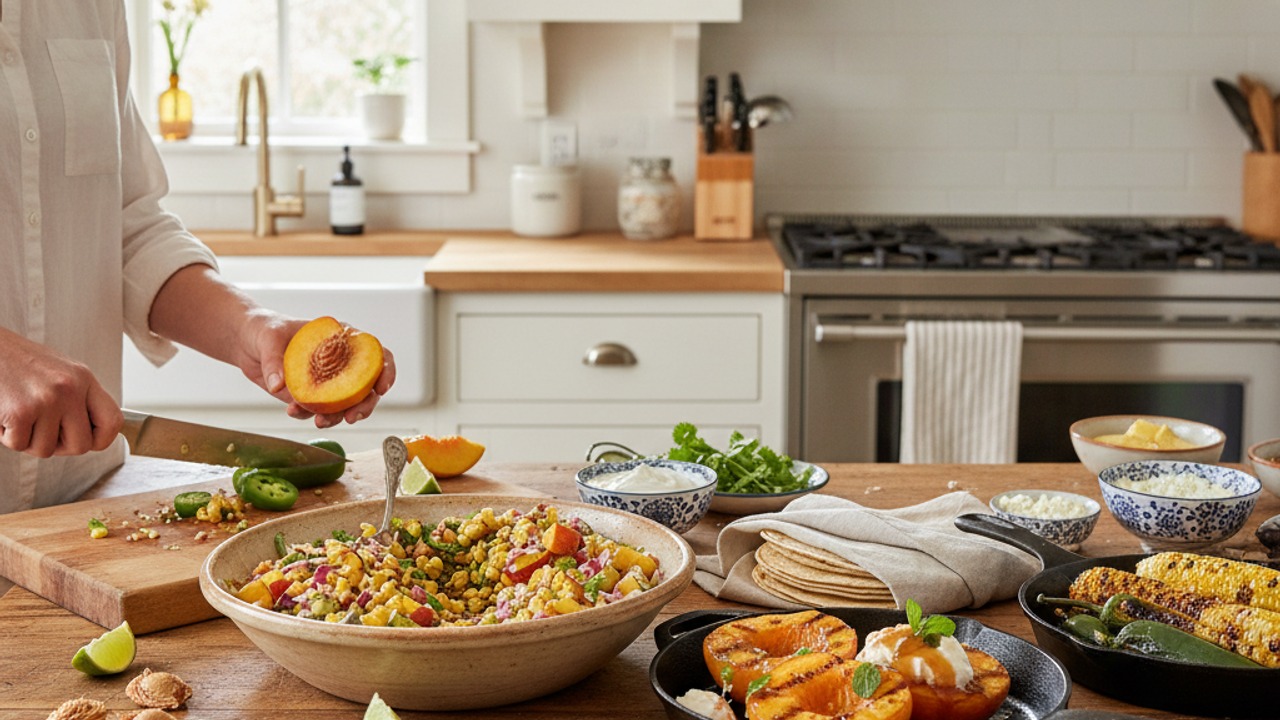
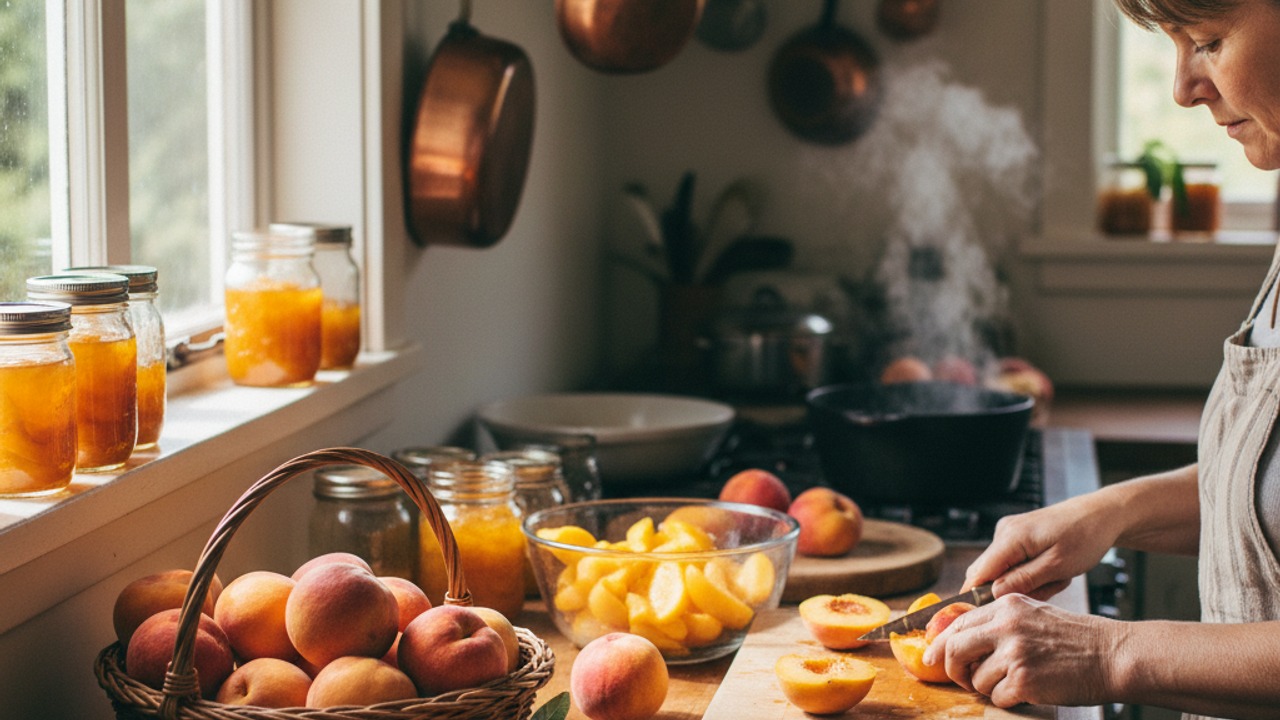
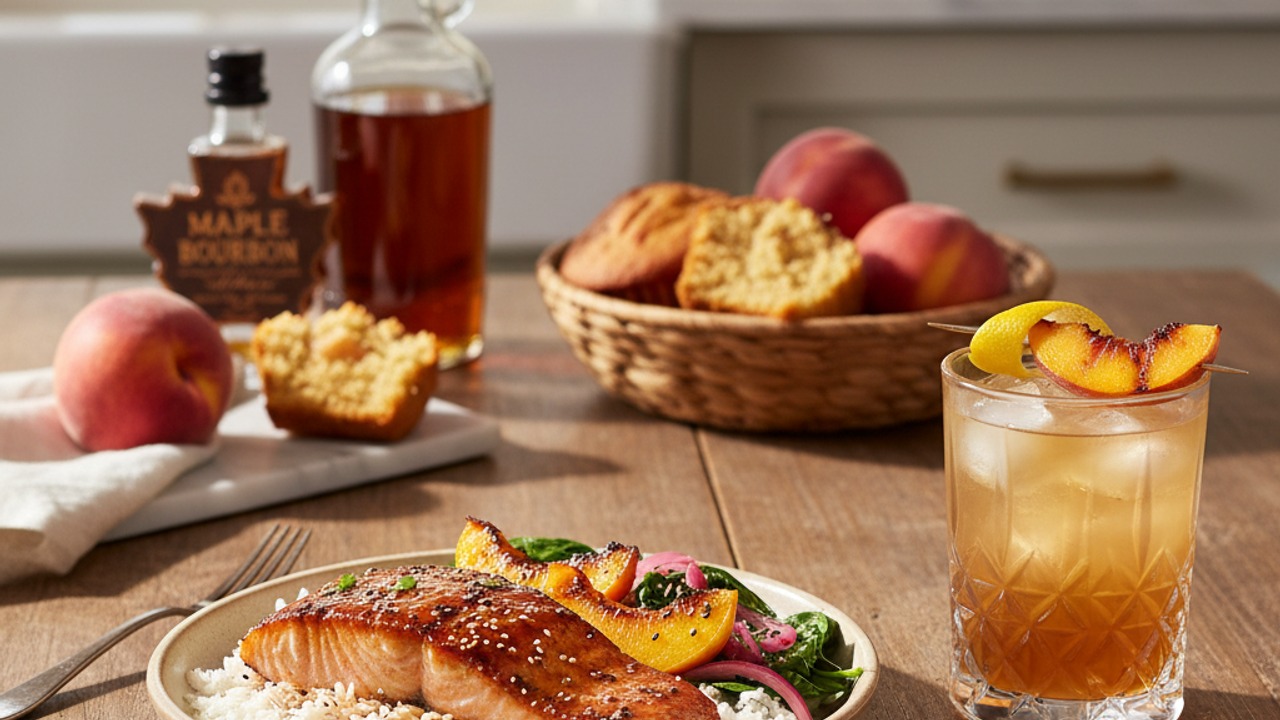
Beyond those categories you’ll find flat or “donut” peaches and nectarines, both of which alter how heat affects the fruit. Denser nectarines and firmer peaches will caramelize on a grill without collapsing, making them ideal for a grilled-peach burrata salad, while super-fragrant, yielding yellow or white peaches will sing in an instant pot jam or a bright cocktail such as a maple-bourbon sour. At the market, judge varietal promise by scent, skin tautness and the way juice beads where the stem once was.