Miso Glazed Salmon Bowl
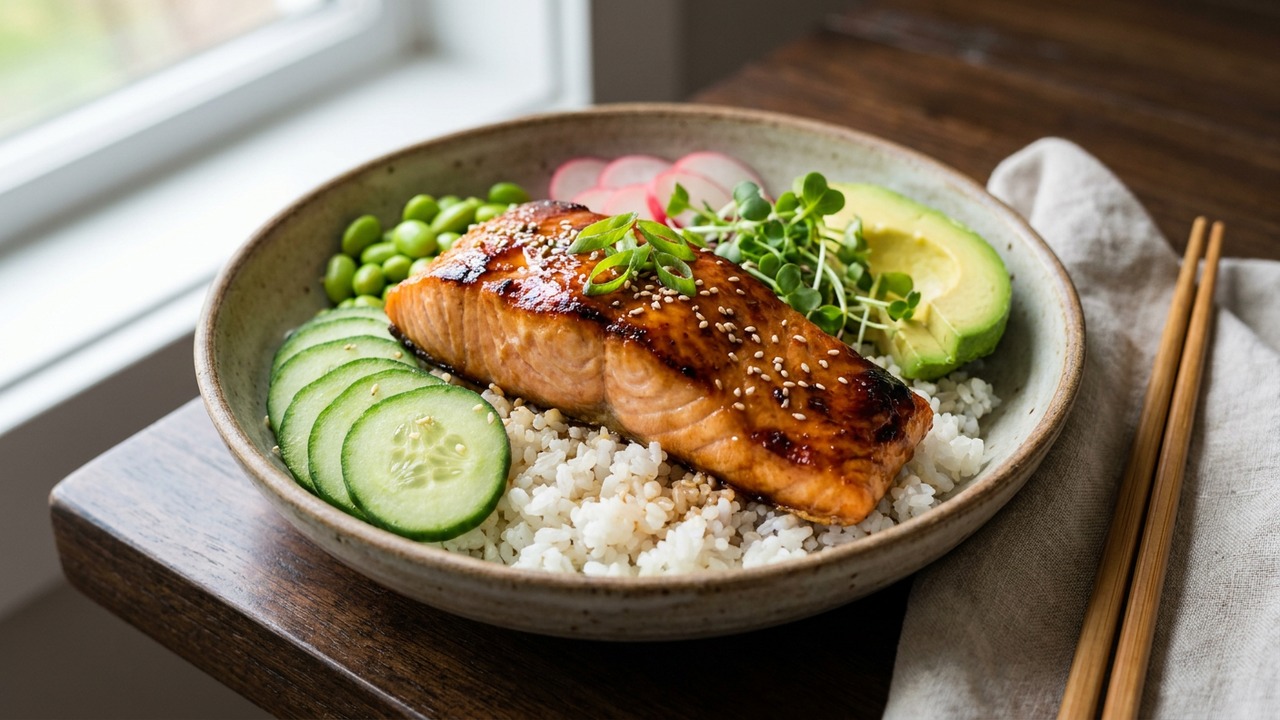
A bright, satisfying grain bowl featuring tender broiled salmon brushed with a savory-sweet white miso glaze, served over seasoned short-grain rice with crisp cucumber and edamame. It's a flavorful, healthier alternative to honey-soy bowls with an umami-rich glaze that caramelizes beautifully under the broiler.
Ingredient Spotlight
White (shiro) miso paste
A pale, mildly flavored fermented soybean paste from Japan used to add gentle umami and a touch of sweetness to soups, marinades, and dressings. Compared with darker misos it’s lower in salt and has a softer, creamier aroma and taste. You’ll find it in the refrigerated section of Asian markets and many larger supermarkets. If you can’t get shiro miso, use another light/yellow or awase (mixed) miso and reduce added salt, or in a pinch blend tahini with a little soy sauce and a touch of vinegar for some of the savory/creamy notes.
(paid link) — as an Amazon Associate we earn from qualifying purchases.
Ingredient Spotlight
Mirin
A sweet Japanese rice wine used for cooking that adds glossy sweetness and a subtle caramel/umami depth to glazes, sauces, and simmered dishes. It’s less alcoholic and sweeter than table wine, with a syrupy mouthfeel and mild aroma. Mirin is sold in Asian grocery stores and many supermarkets in the international aisle. Substitute with a light sweet wine or sake plus a small amount of sugar (or use 1 tbsp sake or white wine + 1 tsp sugar per tablespoon mirin), or use sweet marsala or a mixture of rice vinegar and sugar in a pinch (adjust to taste).
Jake Woods's note
"This bowl is perfect for weeknight dinners when you want something that feels special with minimal fuss. Home cooks will love how the miso glaze delivers deep, savory flavor with a quick broil that keeps the salmon moist."
About This Recipe
This miso glazed salmon bowl balances glossy, umami-rich fish with crisp, bright accoutrements for a bowl that feels both comforting and refined. White (shiro) miso provides a gentle, slightly sweet backbone that caramelizes under the broiler, while mirin and a touch of brown sugar give the glaze that blistered sheen and toasty flavor. Served over seasoned short-grain rice, the salmon’s buttery flakes contrast with crunchy cucumber and tender edamame, and a scattering of scallions cuts through the richness with fresh oniony lift.
It’s a recipe that works on weeknights and for casual dinner company because the technique is straightforward but the results read as intentional: the rice gets a sushi-like tang from rice vinegar, the glaze is loose enough to brush on and leave a lacquered finish, and the quick broil keeps the center juicy. If you like bold savory-sweet flavors without the heavy stickiness of honey-soy sauces, this version leans into umami and balance — easy to scale, forgiving with timing, and flexible enough to swap proteins or grains while keeping the same satisfying structure.
Ingredients for Miso Glazed Salmon Bowl
- 1 1/2 cups Short-grain rice (uncooked)
- 2 tbsp Rice vinegar
- 3 tbsp White (shiro) miso paste
- 2 tbsp Mirin
- 1 tbsp Soy sauce (or tamari for gluten-free)
- 1 tbsp Brown sugar (light or dark)
- 4 fillets Salmon fillets (about 6 oz / 170 g each)
- 1 medium English cucumber, thinly sliced
- 1 cup Shelled edamame (frozen, thawed and warmed)
- 3 stalks Scallions (thinly sliced, for garnish)
🛒 = paid link — as an Amazon Associate we earn from qualifying purchases.
How to Make Miso Glazed Salmon Bowl
Step 1: Cook and season the rice
Rinse the short-grain rice under cold water until the water runs mostly clear, then cook according to package instructions or in a rice cooker until tender. While the rice is hot, stir in the rice vinegar, fluff with a fork, and let it cool slightly so it holds together well in bowls.For this step
- 1 1/2 cupsShort-grain rice (uncooked)
- 2 tbspRice vinegar
Step 2: Whisk together the miso glaze
In a small bowl combine the white miso paste, mirin, soy sauce, and brown sugar; whisk until smooth and fully combined. If the mixture is very stiff, warm it briefly in the microwave for 10–15 seconds or whisk in a teaspoon of warm water to loosen so it spreads easily.For this step
- 3 tbspWhite (shiro) miso paste
- 2 tbspMirin
- 1 tbspSoy sauce (or tamari for gluten-free)
- 1 tbspBrown sugar (light or dark)
Step 3: Broil the salmon with glaze
Preheat the broiler and place an oven rack about 6 inches from the heat. Line a baking sheet with foil and arrange the salmon skin-side down; brush the top of each fillet with most of the miso glaze, reserving a tablespoon or two for finishing. Broil 6–9 minutes, watching closely, until the glaze is caramelized and the salmon flakes easily with a fork.For this step
- 4 filletsSalmon fillets (about 6 oz / 170 g each)
Step 4: Prepare the vegetables and toppings
While the salmon broils, thinly slice the cucumber, warm the edamame according to package directions, and slice the scallions. Arrange the vegetables so they’re ready to assemble when the rice and salmon are done.For this step
- 1 mediumEnglish cucumber, thinly sliced
- 1 cupShelled edamame (frozen, thawed and warmed)
- 3 stalksScallions (thinly sliced, for garnish)
Step 5: Assemble the miso glazed salmon bowls
Divide the seasoned rice among four bowls and arrange edamame and cucumber alongside each portion. Top each bowl with a glazed salmon fillet, drizzle the reserved glaze over the fish, and scatter sliced scallions on top before serving.


- Rinse the short-grain rice under cold water until the water runs mostly clear, then cook according to package instructions or in a rice cooker until tender. While the rice is hot, stir in the rice vinegar, fluff with a fork, and let it cool slightly so it holds together well in bowls.
- In a small bowl combine the white miso paste, mirin, soy sauce, and brown sugar; whisk until smooth and fully combined. If the mixture is very stiff, warm it briefly in the microwave for 10–15 seconds or whisk in a teaspoon of warm water to loosen so it spreads easily.
- Preheat the broiler and place an oven rack about 6 inches from the heat. Line a baking sheet with foil and arrange the salmon skin-side down; brush the top of each fillet with most of the miso glaze, reserving a tablespoon or two for finishing. Broil 6–9 minutes, watching closely, until the glaze is caramelized and the salmon flakes easily with a fork.
- While the salmon broils, thinly slice the cucumber, warm the edamame according to package directions, and slice the scallions. Arrange the vegetables so they’re ready to assemble when the rice and salmon are done.
- Divide the seasoned rice among four bowls and arrange edamame and cucumber alongside each portion. Top each bowl with a glazed salmon fillet, drizzle the reserved glaze over the fish, and scatter sliced scallions on top before serving.
Miso Glazed Salmon Bowl Tips
Don't Glaze Too Early
Brush the miso mixture on right before broiling to avoid burning the sugars; reserve a little glaze for finishing so the top stays glossy and bright.
Room-Temperature Salmon
Let fillets sit 10–15 minutes out of the fridge so they cook more evenly under the broiler and are less likely to overcook at the edges.
Thin, Even Coating
If your paste is stiff, thin the glaze with a teaspoon of warm water or mirin so it spreads easily and caramelizes uniformly without clumping.
Watch the Broiler
Broilers vary wildly—stay at the oven and check at the earlier time, rotating the pan if one side browns faster to prevent bitter charring.
Fluff Rice Gently
Fold in the rice vinegar with a fork to avoid crushing grains; slightly cooled rice holds its shape better in bowls and won’t become gluey.
Miso Glazed Salmon Bowl Variations and Substitutions
Miso-Maple Sesame
Swap brown sugar for pure maple syrup and finish with a sprinkle of toasted sesame seeds for a nuttier, less intensely sweet glaze.
Tofu or Tempeh Bowl
Use thick slices of pressed tofu or steamed tempeh in place of salmon and broil until edges caramelize for a vegetarian protein option with the same glaze.
Hearty Grain Swap
Replace short-grain rice with warm quinoa or farro for more chew and fiber; toss cooked grains with the rice vinegar so they carry the same bright note.
Spicy Citrus Kick
Stir a teaspoon of gochujang or Sriracha into the glaze and finish with a squeeze of lime for a spicy-acid balance that plays well with the miso.
How to Store and Make Miso Glazed Salmon Bowl Ahead
Store components separately for best texture: salmon and rice in airtight containers in the fridge for up to 2 days, and vegetables in a separate container to keep them crisp. Reheat salmon gently in a 275°F oven for 8–10 minutes, or microwave on low power covered with a damp paper towel to prevent drying. Avoid freezing assembled bowls; cooked salmon and the rice can be frozen for longer storage but will lose some texture when thawed.
What to Serve With Miso Glazed Salmon Bowl
Serve bowls with a small dish of pickled ginger or kimchi and a scattering of toasted sesame seeds or nori strips to add another layer of flavor and texture. Pair with a chilled, dry sake or a light, citrusy lager; for a nonalcoholic option, try cold green tea or a yuzu sparkling water. Present the bowl with the salmon off-center and vegetables arranged in neat sections to show off the caramelized glaze.
Miso Glazed Salmon Bowl FAQs
Can I use other types of miso?
Yes—red miso is earthier and saltier, so reduce the soy and sugar slightly; sweet white miso is the most forgiving for a glossy, balanced glaze.
How do I prevent the salmon from sticking or burning?
Line the pan with foil and broil skin-side down, and pat the fillets very dry before glazing; if you want crisp skin, finish skin-side down in a hot skillet for a minute before glazing and broiling the top.
Can I make the glaze ahead of time?
Yes—make the glaze up to 2–3 days ahead and refrigerate in a sealed jar; warm or whisk it before using to regain a spreadable consistency.
Is frozen salmon okay to use?
Thawed frozen salmon works fine—fully defrost in the fridge, pat dry, and allow it to come slightly toward room temperature so it cooks evenly under the broiler.
How can I make this gluten-free?
Use tamari or a certified gluten-free soy sauce and check that your mirin and miso are labeled gluten-free, since some miso pastes contain barley or other grains.
About the author
Jake WoodsHello, I'm Jake. I started this recipe site with the idea that I hated recipe websites that overwhelm you with long stories and ads just to see plain content that's not helpful. My goal is to provide you with quality recipes, simple ideas and a fun cooking experience. There's lots of fun things to cook, and I think as you browse the site you'll find that TopShelf.Recipes is the place for quality recipes on the web.
See all recipes by Jake Woods →Ratings & Reviews
Did you make this recipe?
Be the first to share your experience.
Nutrition Facts
Per serving: 1 bowl
Nutrition values are estimated from USDA ingredient data and may vary based on preparation, brands, and portion sizes. Values are provided for informational purposes only.
Keep Reading
Guides & articles for this recipe

Tips & Techniques
Peaches: Choosing, Prepping, Preserving
A practical guide to peach varieties, how to select fruit for different recipes, the best prepping and pitting techniques, and safe preserving methods. Includes search-ready recipe terms so home cooks can move from selection to finished dishes.
Guides
Grilling and Nutrition
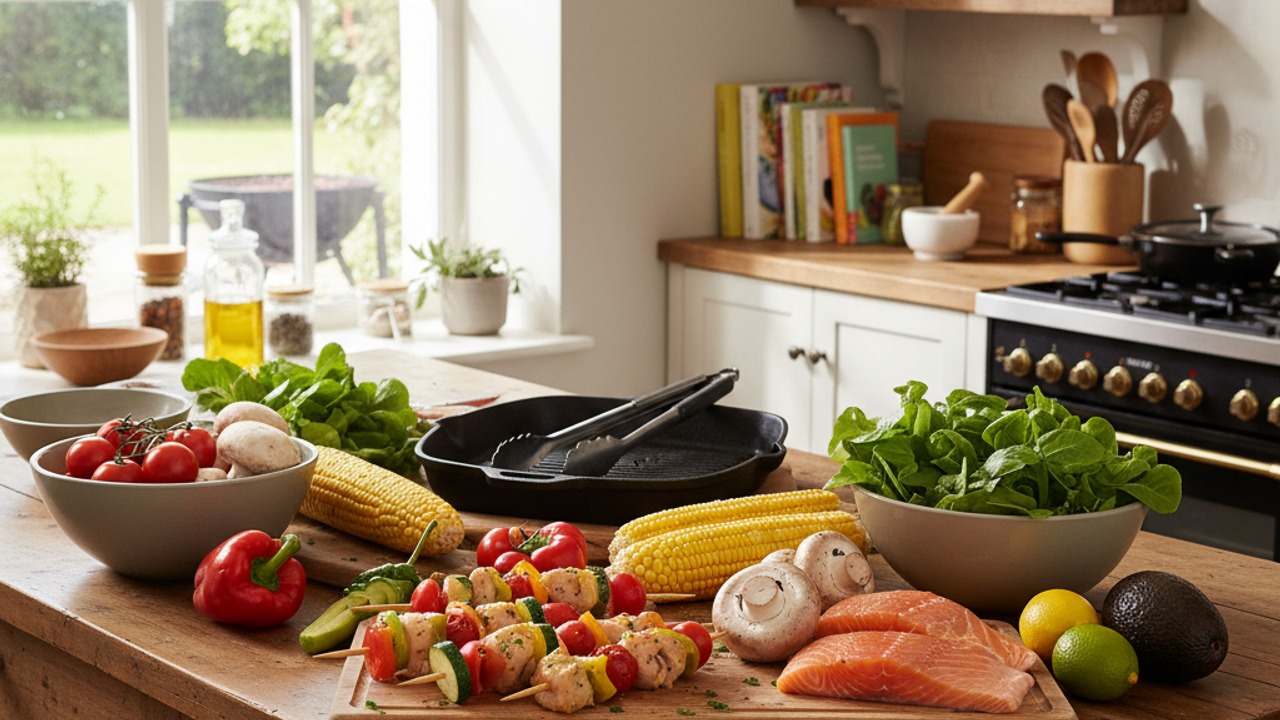
An evidence-based guide that explains how grilling, charring, and smoking change vitamins, proteins, and fats and the health risks of over-charring. Practical strategies for home cooks on timing, temperature, marinades, fuel choice, and smart side pairings to maximize nutrients without losing bold grilled flavor.

Healthy Eating
Gluten-Free Weeknight Grilling Plan
A 7-day gluten-free weeknight grilling plan with quick, family-friendly recipes, prep-ahead timelines, and a printable shopping list that spotlights late-summer produce and pantry staples. Includes clear cross-contamination safety tips and simple swaps to keep dinners fast and crowd-pleasing.
More from Salads
View all Salads recipes →
Korean Gochujang Coleslaw with Sesame and Quick Pickled Scallions

Strawberry Spinach Salad

Campfire‑Smoked Potato Salad with Mustard‑Bacon Vinaigrette — A Labor Day Grilling Side for Steak

Honey Garlic Chicken Thigh Meal-Prep Bowls with Farro, Greens, and Tahini Drizzle

Mango Avocado Tilapia Salad Bowl with Lime Vinaigrette

Chorizo Black Bean Salad

Classic Make-Ahead Creamy Potato Salad — Labor Day BBQ Side for Steak & Burgers

Classic Warm German Potato Salad with Bacon & Whole-Grain Mustard (Labor Day Steak Side)

Smoky Grilled Potato Salad with Crispy Bacon & Dijon Vinaigrette
Ask me anything about this recipe — substitutions, scaling, techniques, timing.
Powered by AI · 6 questions per 5 minutes, 30 per day