Pineapple Teriyaki Pork Marinade
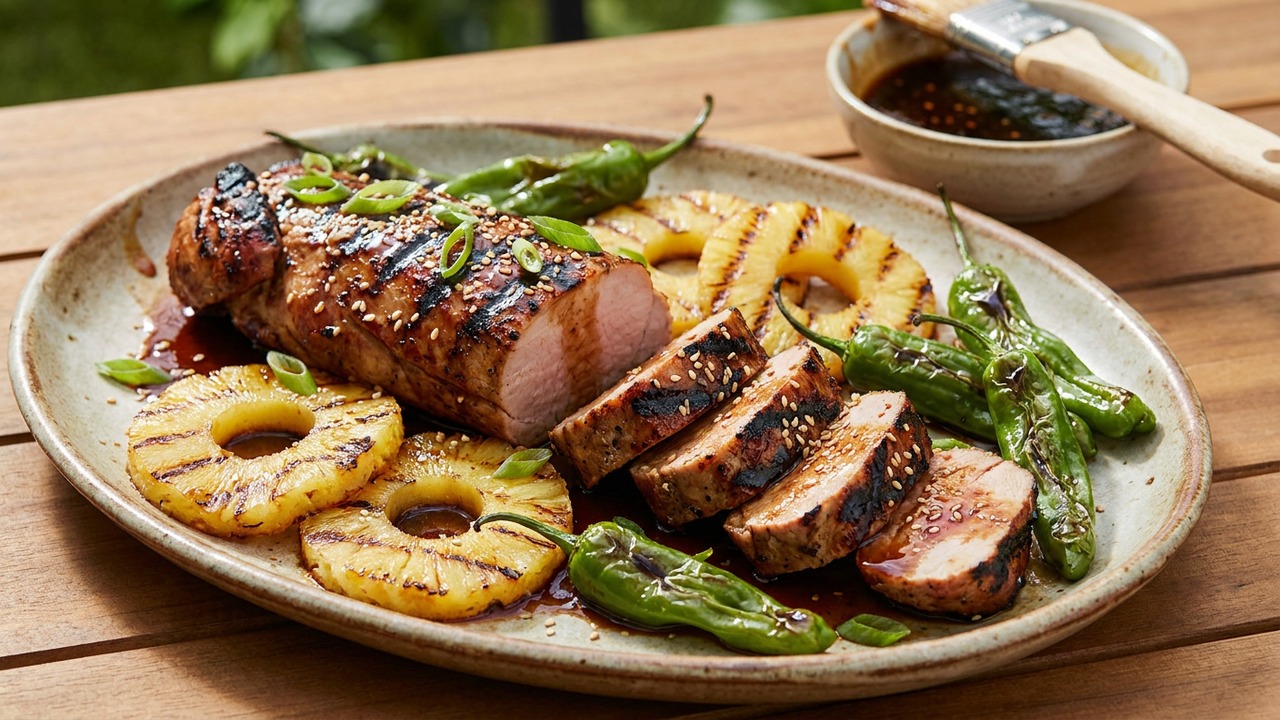
A vibrant grilling marinade that pairs fresh pineapple’s natural tenderizing enzymes with a sweet-savory teriyaki base and a touch of heat. It creates a glossy glaze for pork with caramelized char and bright tropical flavor—perfect for summer cookouts and weeknight grills alike.
Ingredient Spotlight
Fresh crushed pineapple (or very finely chopped)
Fresh crushed pineapple is simply fresh pineapple that’s been finely chopped or pulped; it’s brighter, more acidic, and less syrupy than canned versions. It’s common in tropical and Southeast Asian cooking (and in Hawaiian-inspired dishes) where its fresh acidity and sweetness balance savory sauces. Find it in the produce section (buy a whole pineapple and crush or finely chop it) and a good substitute is canned crushed pineapple (drained) or finely chopped fresh pineapple if crushing isn’t convenient.
Ingredient Spotlight
Rice vinegar
Rice vinegar is a mild, slightly sweet vinegar made from fermented rice, widely used across East and Southeast Asian cuisines for dressings, marinades, and pickles. It has a gentler acidity and sweeter profile than white or apple-cider vinegar, so it won’t overpower delicate flavors. You can find it in the Asian foods aisle of most supermarkets; as a substitute, use white wine vinegar or apple cider vinegar diluted with a pinch of sugar (about 1 tsp sugar per 1 tbsp vinegar) to mimic the sweetness.
Ingredient Spotlight
Toasted sesame oil
Toasted sesame oil is made from sesame seeds that have been toasted before pressing, producing a dark, intensely nutty oil used as a finishing flavor in many East Asian dishes. It has a strong, aromatic flavor and is typically used sparingly to add depth rather than for high-heat cooking. It’s sold in the Asian foods aisle or regular grocery stores; if you don’t have it, substitute a neutral oil with a few drops of regular (untoasted) sesame oil, or toast sesame seeds and briefly infuse them in warm oil to capture some of the flavor.
(paid link) — as an Amazon Associate we earn from qualifying purchases.
Jake Woods's note
"This recipe leans into grilled-fruit and sweet-heat trends while using fresh pineapple to tenderize the pork — just don’t over-marinate. It shines at backyard barbecues and gives home cooks an easy way to turn simple pork into a show-stopping, caramelized entrée."
About This Recipe
This Pineapple Teriyaki Pork marinade is built around one smart idea: use fresh pineapple to tenderize and flavor while keeping the savory backbone of a classic teriyaki. Fresh crushed pineapple brings real sweetness, bright acidity and a touch of tropical perfume; its natural enzyme (bromelain) does a little heavy lifting on texture, so the key is a short, confident marinade rather than an all-day soak. Brown sugar and low‑sodium soy round out the umami, rice vinegar balances the sweetness, and toasted sesame oil plus ginger and garlic keep the profile savory and grounded. The result on the grill is glossy, slightly sticky pork with caramelized edges and a clean pineapple lift that never feels cloying.
A couple of technique choices make this version work: I always reserve and cook a portion of the marinade into a cornstarch-thickened glaze (both for food safety and that lacquered finish), and I score or even out thick spots on the pork so the marinade penetrates evenly. Grill to 145°F and rest briefly for juicy chops, then serve with grilled pineapple rings, sesame seeds and a squeeze of lime to brighten the whole plate. It’s an approach that suits backyard weekend barbecues as much as a midweek dinner when you want big flavor with minimal fuss.
Ingredients for Pineapple Teriyaki Pork Marinade
- 2 lb Pork loin chops (boneless), about 2 lb
- 1 1/2 cups Fresh crushed pineapple (or very finely chopped)
- 1/2 cup Low-sodium soy sauce
- 2 tbsp Dark brown sugar, packed
- 2 tbsp Rice vinegar
- 1 tbsp Toasted sesame oil
- 3 cloves Garlic, minced
- 1 tbsp Fresh ginger, minced
- 1/2 tsp Crushed red pepper flakes
- 1 tbsp Cornstarch (for glazing the reserved marinade)
🛒 = paid link — as an Amazon Associate we earn from qualifying purchases.
How to Make Pineapple Teriyaki Pork Marinade
Step 1: Blend and combine marinade
In a blender or food processor, pulse the fresh crushed pineapple until mostly smooth but still slightly textured. Pour pineapple into a medium bowl and whisk in soy sauce, brown sugar, rice vinegar, sesame oil, minced garlic, minced ginger, and crushed red pepper flakes until the sugar is dissolved and the mixture is uniform.For this step
- 1 1/2 cupsFresh crushed pineapple (or very finely chopped)
- 1/2 cupLow-sodium soy sauce
- 2 tbspDark brown sugar, packed
- 2 tbspRice vinegar
- 1 tbspToasted sesame oil
- 3 clovesGarlic, minced
- 1 tbspFresh ginger, minced
- 1/2 tspCrushed red pepper flakes
Step 2: Reserve glaze and portion the marinade
Spoon out 1/2 cup of the marinade into a small heatproof container and set aside (this will be cooked and used as a glaze). Pour the remaining marinade into a large zip-top bag or nonreactive bowl for marinating the pork.Step 3: Marinate the pork
Trim excess fat from the pork and lightly score any very thick areas so the marinade can penetrate. Add the pork to the bag or bowl with the marinade, pressing out excess air and ensuring the meat is well coated; refrigerate 2 to 4 hours — no more than 6 hours to avoid over-tenderizing from the pineapple enzymes.For this step
- 2 lbPork loin chops (boneless), about
Step 4: Make a safe, thickened glaze
When the pork is nearly ready to grill, pour the reserved 1/2 cup marinade into a small saucepan. Whisk the cornstarch with 1 tablespoon cold water to make a slurry, bring the reserved marinade to a simmer over medium heat, then whisk in the slurry and cook for 1–2 minutes until glossy and thickened. Keep warm for basting.For this step
- 1 tbspCornstarch (for glazing the reserved marinade)
Step 5: Grill and baste
Preheat the grill to medium-high and oil the grates. Grill pork chops 4–6 minutes per side (depending on thickness) until an instant-read thermometer reads 145°F (63°C), basting with the warm glazed reserved marinade during the last 3–4 minutes to build a sticky, caramelized finish. Discard any leftover raw marinade that contacted raw pork.Step 6: Rest and serve
Transfer the pork to a cutting board and let rest 5 minutes to redistribute juices. Slice and serve with optional grilled pineapple rings, steamed rice, and a sprinkle of sesame seeds or sliced green onions for brightness.


- In a blender or food processor, pulse the fresh crushed pineapple until mostly smooth but still slightly textured. Pour pineapple into a medium bowl and whisk in soy sauce, brown sugar, rice vinegar, sesame oil, minced garlic, minced ginger, and crushed red pepper flakes until the sugar is dissolved and the mixture is uniform.
- Spoon out 1/2 cup of the marinade into a small heatproof container and set aside (this will be cooked and used as a glaze). Pour the remaining marinade into a large zip-top bag or nonreactive bowl for marinating the pork.
- Trim excess fat from the pork and lightly score any very thick areas so the marinade can penetrate. Add the pork to the bag or bowl with the marinade, pressing out excess air and ensuring the meat is well coated; refrigerate 2 to 4 hours — no more than 6 hours to avoid over-tenderizing from the pineapple enzymes.
- When the pork is nearly ready to grill, pour the reserved 1/2 cup marinade into a small saucepan. Whisk the cornstarch with 1 tablespoon cold water to make a slurry, bring the reserved marinade to a simmer over medium heat, then whisk in the slurry and cook for 1–2 minutes until glossy and thickened. Keep warm for basting.
- Preheat the grill to medium-high and oil the grates. Grill pork chops 4–6 minutes per side (depending on thickness) until an instant-read thermometer reads 145°F (63°C), basting with the warm glazed reserved marinade during the last 3–4 minutes to build a sticky, caramelized finish. Discard any leftover raw marinade that contacted raw pork.
- Transfer the pork to a cutting board and let rest 5 minutes to redistribute juices. Slice and serve with optional grilled pineapple rings, steamed rice, and a sprinkle of sesame seeds or sliced green onions for brightness.
Pineapple Teriyaki Pork Marinade Tips
Use fresh pineapple
Fresh pineapple provides active bromelain for tenderizing and a brighter flavor than canned; process it until mostly smooth so it clings to the meat but stop pulsing before it becomes totally watery.
Limit marinating time
Because pineapple enzymes can over-tenderize, marinate pork no longer than 4–6 hours; aim for 2–4 hours for optimal texture and flavor infusion.
Reserve and cook glaze
Always set aside 1/2 cup before adding raw pork and simmer it with a cornstarch slurry to both kill any bacteria and build a glossy, brushable glaze.
Baste late to avoid burning
Because the glaze is sweet, begin basting only in the final 3–4 minutes of grilling so sugars caramelize instead of burning.
Check doneness by temp
Remove pork at about 140°F and let it rest to reach 145°F for juicy results; an instant-read thermometer removes the guesswork.
Pineapple Teriyaki Pork Marinade Variations and Substitutions
Chicken or Turkey
Substitute bone-in chicken thighs or turkey cutlets and marinate for 1–3 hours—they take less time than pork and benefit from the same glaze technique.
Tofu/Vegetarian
Press extra-firm tofu, cut into thick slabs, marinate 30–60 minutes, then grill or pan-sear; mushrooms like portobello also take the marinade well with a shorter soak.
Spicy-Sweet Kick
Add 1–2 teaspoons gochujang or 1 tablespoon sambal oelek to the marinade for more heat and depth, reducing brown sugar slightly to keep balance.
Gluten-Free Option
Replace low-sodium soy sauce with tamari or coconut aminos to make the marinade gluten-free without sacrificing the savory backbone.
How to Store and Make Pineapple Teriyaki Pork Marinade Ahead
Store leftover sliced pork in an airtight container in the refrigerator for up to 3 days; keep any extra cooked glaze in a separate small container for up to 5 days. To reheat, gently warm slices in a skillet over medium-low heat with a splash of water or stock to prevent drying, or reheat in a 300°F oven until warmed through—avoid high heat that will overcook the pork.
What to Serve With Pineapple Teriyaki Pork Marinade
Serve the pork over steamed jasmine or coconut rice with grilled pineapple rings and a scattering of toasted sesame seeds and thinly sliced green onions for brightness. Add a side of charred baby bok choy or sugar snap peas dressed with a little sesame oil and rice vinegar, and pair with a crisp lager, an off-dry Riesling, or a rum-and-lime cocktail to echo the tropical notes.
Pineapple Teriyaki Pork Marinade FAQs
Can I use canned pineapple instead of fresh?
You can, but canned pineapple is usually packed in juice or syrup and the bromelain is largely lost, so you’ll get flavor without the same tenderizing effect; reduce added sugar if the canned juice is sweetened.
Why do I have to reserve and cook some of the marinade?
The reserved portion is cooked to eliminate any bacteria from raw pork and to thicken it into a safe, glossy glaze—do not reuse leftover raw marinade that contacted raw meat.
What happens if I marinate the pork too long?
Over-marinating with fresh pineapple can make the meat mushy and mealy because bromelain breaks down muscle proteins; stick to 2–4 hours and no more than 6 hours.
Can I make this inside without a grill?
Yes—sear the chops in a hot cast-iron skillet or under a broiler, finishing with the cooked glaze in the last few minutes to get that caramelized sheen.
How do I prevent the glaze from burning on the grill?
Baste in the final minutes of cooking over medium-high heat, and move chops to indirect heat if flare-ups occur; a light coating of oil on the grate and trimming excess fat reduces flares too.
About the author
Jake WoodsHello, I'm Jake. I started this recipe site with the idea that I hated recipe websites that overwhelm you with long stories and ads just to see plain content that's not helpful. My goal is to provide you with quality recipes, simple ideas and a fun cooking experience. There's lots of fun things to cook, and I think as you browse the site you'll find that TopShelf.Recipes is the place for quality recipes on the web.
See all recipes by Jake Woods →Ratings & Reviews
Did you make this recipe?
Be the first to share your experience.
Nutrition Facts
Per serving: 4 oz loin
Nutrition values are estimated from USDA ingredient data and may vary based on preparation, brands, and portion sizes. Values are provided for informational purposes only.
Keep Reading
Guides & articles for this recipe
Tips & Techniques
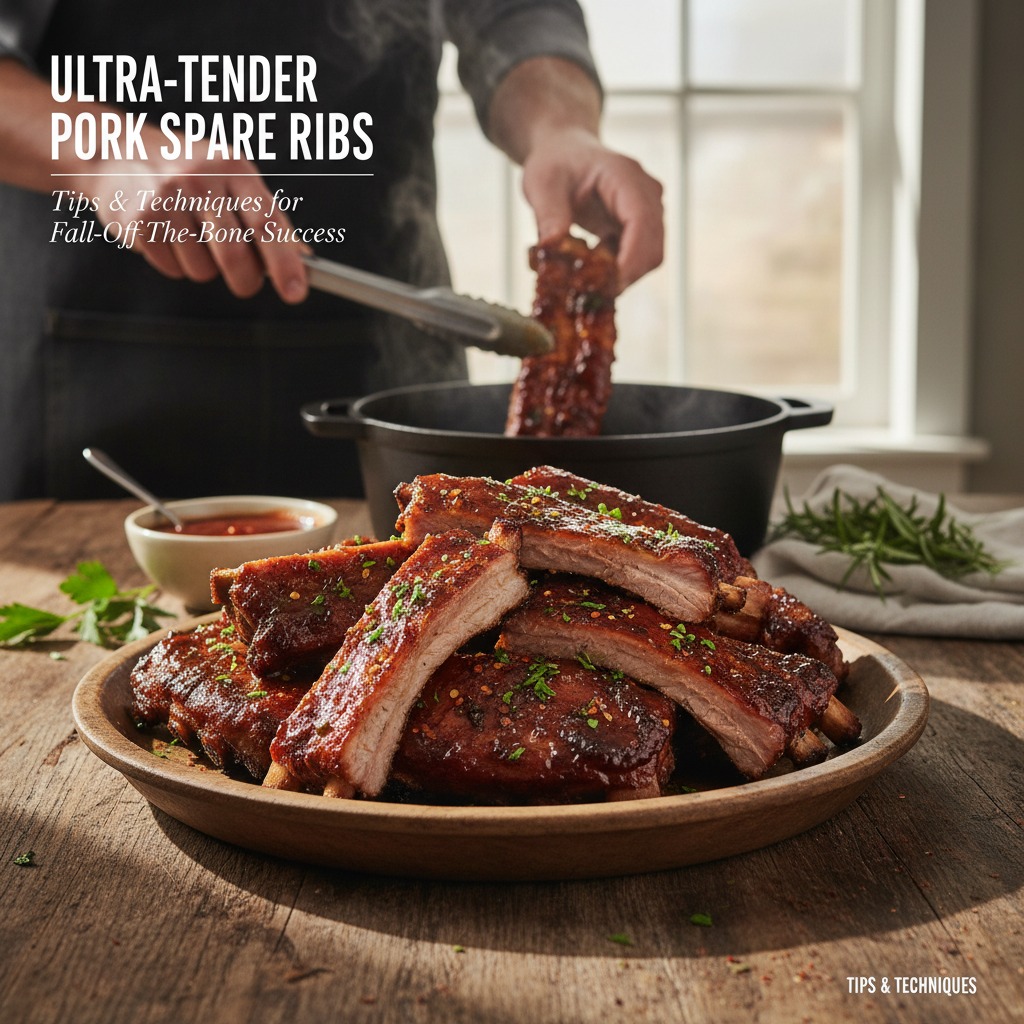
Ultra-Tender Pork Spare Ribs: Tips & Techniques for Fall-Off-the-Bone Success
Master the craft of ultra-tender pork spare ribs with practical, no-nonsense techniques for selecting, prepping, smoking, and finishing. This guide focuses on what matters—temperature control, testing for doneness, wrapping choices, and common fixes—so your next rack comes out juicy, tender, and perfectly sauced.

Healthy Eating
Gluten-Free Weeknight Grilling Plan
A 7-day gluten-free weeknight grilling plan with quick, family-friendly recipes, prep-ahead timelines, and a printable shopping list that spotlights late-summer produce and pantry staples. Includes clear cross-contamination safety tips and simple swaps to keep dinners fast and crowd-pleasing.

Cocktails & Drinks
Shakerless Cocktails for Backyard Grilling
Easy, tool-free cocktail recipes designed for backyard grilling and outdoor hangs. Find single-serve and batch formulas, quick portable infusions, improvised gear hacks, and simple cocktail pairings for grilled meats and vegetables.
More from Grilling
View all Grilling recipes →
Tandoori Yogurt Marinated Grilled Chicken (Tandoori Style on the Grill)

Labor Day Grilled Lobster Rolls with Charred Scallion Brown Butter & Lemon‑Herb Aioli

Bulgogi Smash Burger

Campfire‑Smoked Potato Salad with Mustard‑Bacon Vinaigrette — A Labor Day Grilling Side for Steak

Hanger Steak with Shallot Sauce
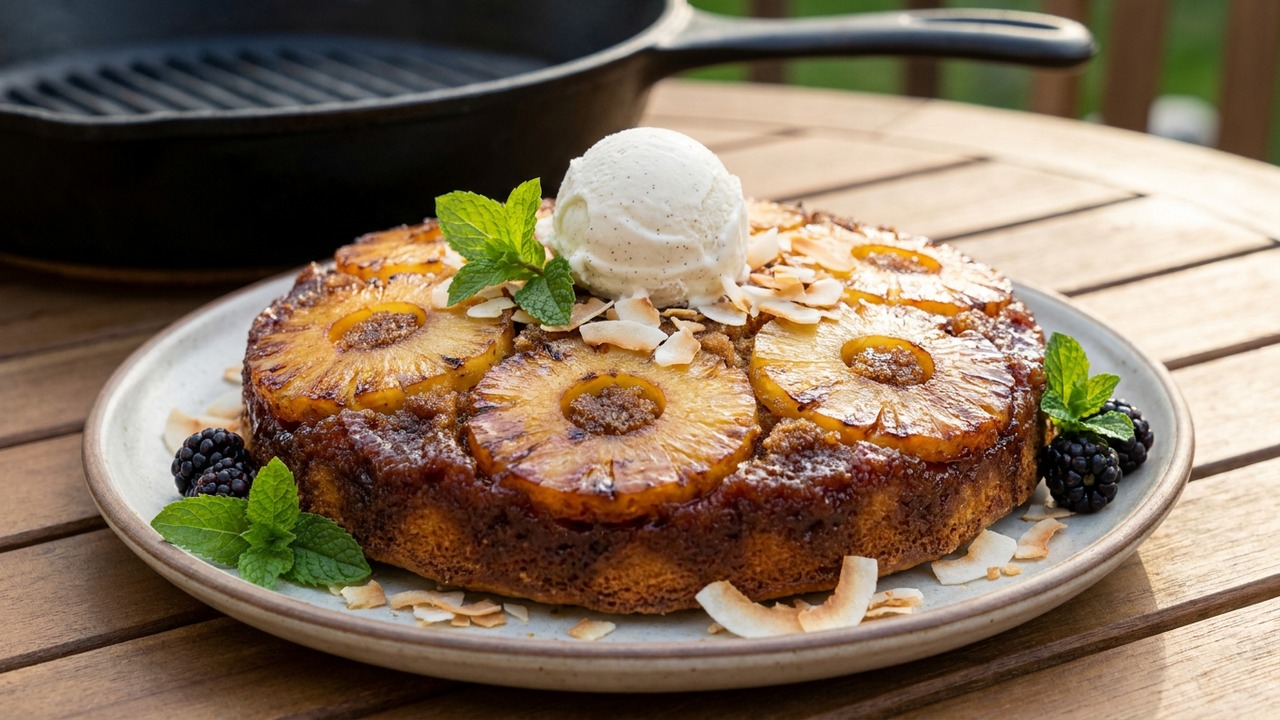
Grilled Pineapple Upside-Down Cake

Spicy Grilled Shrimp Skewers with Garlic Lime Marinade

Honey Garlic Grilled Thin-Sliced Chicken Breasts

Coffee and Porcini Dry-Rub Steaks with RUB PRIME STEAK Finish
Ask me anything about this recipe — substitutions, scaling, techniques, timing.
Powered by AI · 6 questions per 5 minutes, 30 per day