Sheet Pan Lemon Herb Salmon and Asparagus (30-Minute Oven Dinner)
A bright, fast sheet pan dinner featuring tender lemon-herb salmon and roasted asparagus ready in about 30 minutes. Minimal prep and one pan make this a perfect healthy weeknight or summer meal.
About This Recipe
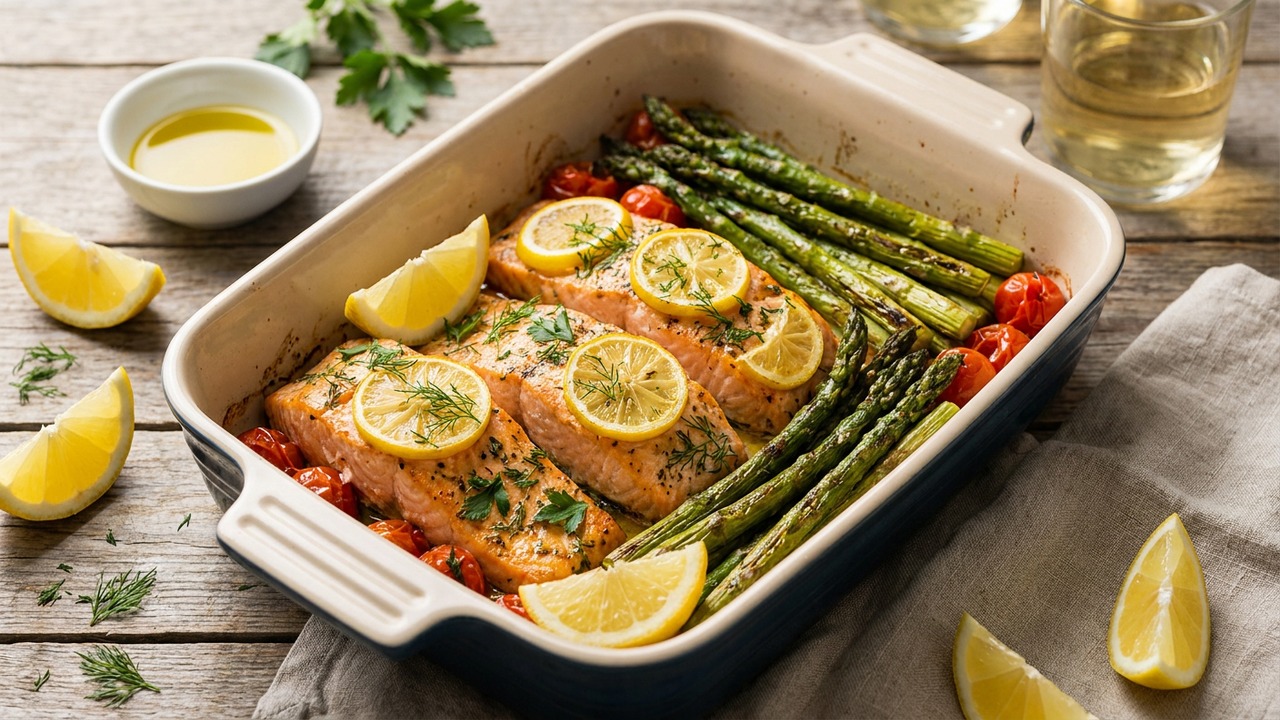
This sheet-pan lemon-herb salmon and asparagus is the kind of weeknight dinner that looks and tastes more deliberate than the 15–20 minutes it actually takes. A bright vinaigrette of lemon, Dijon and honey both seasons and lightly glazes the fish and spears, so you get a glossy, herb-flecked finish without extra fuss. Salmon stays tender and slightly translucent in the center while the asparagus roasts to a tender-crisp bite; the contrast between the rich, oily fish and the snap of the green spears is what makes this pairing so satisfying.
What makes this version work is the double-duty dressing — whisked until emulsified it sticks to the salmon and concentrates on the asparagus tips — and the slightly higher oven temperature that gives quick caramelization without drying the fillets. Little details matter: patting the salmon dry so the dressing clings, reserving a tablespoon of sauce to finish the dish, and checking thickness-dependent cooking times. It’s a forgiving recipe that scales well for a casual dinner, a small dinner party, or a light, healthy meal prep option when you want flavor without a lot of cleanup.
Ingredients for Sheet Pan Lemon Herb Salmon and Asparagus (30-Minute Oven Dinner)
- 3 tbsp Extra-virgin olive oil
- 1 large lemon (zested & juiced) Large lemon (zested and juiced)
- 2 cloves Garlic, minced
- 1 tbsp Dijon mustard
- 1 tsp Honey
- 2 tbsp Fresh dill or parsley, chopped
- 1 tsp Kosher salt
- 1/2 tsp Freshly ground black pepper
- 4 6-oz fillets Center-cut salmon fillets
- 1 lb Asparagus, trimmed
How to Make Sheet Pan Lemon Herb Salmon and Asparagus (30-Minute Oven Dinner)
Step 1: Preheat oven and make lemon-herb dressing
Preheat the oven to 425°F (220°C). In a small bowl, whisk together olive oil, lemon zest and juice, minced garlic, Dijon mustard, honey, chopped dill or parsley, kosher salt, and black pepper until emulsified and bright. Taste and adjust seasoning; this mixture will double as a quick marinade and a finishing sauce. Set aside about 1 tablespoon for drizzling at the end.For this step
- 3 tbspExtra-virgin olive oil
- 1 large lemon (zested & juiced)Large lemon (zested and juiced)
- 2 clovesGarlic, minced
- 1 tbspDijon mustard
- 1 tspHoney
- 2 tbspFresh dill or parsley, chopped
- 1 tspKosher salt
- 1/2 tspFreshly ground black pepper
Step 2: Prep salmon and asparagus
Pat the salmon fillets dry with paper towels and place them on a rimmed sheet pan lined with parchment or a silicone mat. Trim woody ends from the asparagus and arrange the spears in a single layer next to the salmon. Spoon or brush most of the dressing over the salmon and asparagus, reserving the reserved tablespoon for serving.For this step
- 4 6-oz filletsCenter-cut salmon fillets
- 1 lbAsparagus, trimmed
Step 3: Roast on a sheet pan
Slide the sheet pan into the preheated oven and roast for 12 to 15 minutes, depending on fillet thickness, until the asparagus is tender-crisp and salmon reaches 125–130°F (52–55°C) for medium (or 145°F / 63°C if you prefer well done). Check the thinner ends of asparagus after 10 minutes to avoid overcooking. The salmon should flake easily with a fork but still be moist.Step 4: Optional broil for color
If you want a bit of color, switch the oven to broil and broil 1 to 2 minutes, watching closely until the tops of the fillets are lightly browned and the asparagus tips char slightly. Remove immediately to prevent burning. Use oven mitts and keep the oven door slightly ajar if your broiler runs hot.Step 5: Rest, garnish and serve
Let the salmon rest on the pan 2 to 3 minutes to finish cooking and retain juices. Drizzle the reserved dressing over the salmon and asparagus, sprinkle with extra chopped herbs and a squeeze of fresh lemon, then serve each portion with one fillet and a quarter of the asparagus. Leftovers keep well refrigerated for up to 2 days.


- Preheat the oven to 425°F (220°C). In a small bowl, whisk together olive oil, lemon zest and juice, minced garlic, Dijon mustard, honey, chopped dill or parsley, kosher salt, and black pepper until emulsified and bright. Taste and adjust seasoning; this mixture will double as a quick marinade and a finishing sauce. Set aside about 1 tablespoon for drizzling at the end.
- Pat the salmon fillets dry with paper towels and place them on a rimmed sheet pan lined with parchment or a silicone mat. Trim woody ends from the asparagus and arrange the spears in a single layer next to the salmon. Spoon or brush most of the dressing over the salmon and asparagus, reserving the reserved tablespoon for serving.
- Slide the sheet pan into the preheated oven and roast for 12 to 15 minutes, depending on fillet thickness, until the asparagus is tender-crisp and salmon reaches 125–130°F (52–55°C) for medium (or 145°F / 63°C if you prefer well done). Check the thinner ends of asparagus after 10 minutes to avoid overcooking. The salmon should flake easily with a fork but still be moist.
- If you want a bit of color, switch the oven to broil and broil 1 to 2 minutes, watching closely until the tops of the fillets are lightly browned and the asparagus tips char slightly. Remove immediately to prevent burning. Use oven mitts and keep the oven door slightly ajar if your broiler runs hot.
- Let the salmon rest on the pan 2 to 3 minutes to finish cooking and retain juices. Drizzle the reserved dressing over the salmon and asparagus, sprinkle with extra chopped herbs and a squeeze of fresh lemon, then serve each portion with one fillet and a quarter of the asparagus. Leftovers keep well refrigerated for up to 2 days.
Sheet Pan Lemon Herb Salmon and Asparagus (30-Minute Oven Dinner) Tips
Pat salmon dry
Drying the fillets removes surface moisture so the lemon-Dijon dressing sticks and the exterior browns rather than steams.
Use room-temperature fish
Let fillets sit 10–15 minutes out of the fridge before roasting so they cook evenly and reach the desired doneness at the same time as the asparagus.
Match asparagus thickness
Group thin and thick spears separately or stagger their placement on the pan so thinner ones don’t overcook; trim woody ends for uniform tenderness.
Reserve finishing dressing
Keep a tablespoon of the emulsion to drizzle after roasting; the fresh lemon brightness is lost if fully baked on.
Check temperature, not time
Use an instant-read thermometer to target 125–130°F (52–55°C) for medium salmon to avoid drying, especially for thicker fillets.
Sheet Pan Lemon Herb Salmon and Asparagus (30-Minute Oven Dinner) Variations and Substitutions
Skin-on salmon
Leave the skin on to help hold the fillet together while roasting; place skin-side down and roast the same time, then broil briefly skin-side up for extra crispness if desired.
Maple-Dijon glaze
Swap the honey for pure maple syrup and add a pinch of smoked paprika for a slightly sweeter, more autumnal glaze that pairs well with roasted root vegetables.
Different greens
Replace asparagus with broccolini, trimmed green beans, or halved Brussels sprouts; adjust roasting time—green beans and broccolini need about the same time, Brussels sprouts need a few extra minutes.
Citrus-herb twist
Use half lemon and half orange juice with chopped basil or tarragon for a milder, fruitier profile that brightens the salmon without overpowering it.
How to Store and Make Sheet Pan Lemon Herb Salmon and Asparagus (30-Minute Oven Dinner) Ahead
Store leftovers in an airtight container in the refrigerator for up to 2 days; the salmon is best eaten within that window to retain texture. To reheat, warm gently in a 275°F (135°C) oven for 8–12 minutes or sear briefly skin-side down in a hot skillet; avoid high microwave heat which can make the fish rubbery. Alternatively, flake cold salmon into a salad or grain bowl for a quick repurpose.
What to Serve With Sheet Pan Lemon Herb Salmon and Asparagus (30-Minute Oven Dinner)
Serve the fillets with the roasted asparagus fanned alongside and a drizzle of the reserved lemon-herb dressing, finishing with flaky sea salt and more fresh herbs. Offer a simple buttered or herbed rice pilaf, new potatoes roasted separately, or a lemony orzo to soak up the juices. For drinks, a crisp Sauvignon Blanc, Albariño, or a dry rosé complements the citrus-herb profile, while sparkling water with lemon is a refreshing non-alcoholic match.
Sheet Pan Lemon Herb Salmon and Asparagus (30-Minute Oven Dinner) FAQs
Can I use frozen salmon fillets?
Thaw completely in the refrigerator overnight before using so the dressing adheres and the fillets cook evenly; cooking from frozen will lead to uneven doneness and excess liquid.
How do I know when salmon is done?
Use an instant-read thermometer — 125–130°F (52–55°C) gives moist, medium salmon, while 145°F (63°C) is fully cooked. Visually, the flesh should flake easily but still look slightly translucent in the thickest part if you prefer medium doneness.
My asparagus burned while the salmon wasn’t done — what went wrong?
You likely had uneven spear thickness or placed thin tips directly under the broiler; either separate thin and thick spears, trim tips, or remove thin spears a few minutes earlier to prevent burning.
Can I add potatoes to make this a one-pan meal?
Yes — use small baby potatoes halved and par-cook them (steam or microwave) for 6–8 minutes before adding to the sheet pan so they roast to tender in the same 12–15 minute window.
Is it okay to skip the broil step?
Absolutely — the broil is optional for extra color; the salmon and asparagus will be perfectly cooked and flavorful without it, especially if you prefer a gentler finish.
Can I make the lemon-herb dressing ahead?
Yes, whisk the dressing up to 24 hours ahead and refrigerate; bring it to room temperature and re-emulsify with a quick whisk before using to ensure it coats the salmon evenly.
About the author
Jake WoodsHello, I'm Jake. I started this recipe site with the idea that I hated recipe websites that overwhelm you with long stories and ads just to see plain content that's not helpful. My goal is to provide you with quality recipes, simple ideas and a fun cooking experience. There's lots of fun things to cook, and I think as you browse the site you'll find that TopShelf.Recipes is the place for quality recipes on the web.
See all recipes by Jake Woods →Ratings & Reviews
Did you make this recipe?
Be the first to share your experience.
Nutrition Facts
Per serving: 1 fillet
Nutrition values are estimated from USDA ingredient data and may vary based on preparation, brands, and portion sizes. Values are provided for informational purposes only.
Keep Reading
Guides & articles for this recipe
Guides
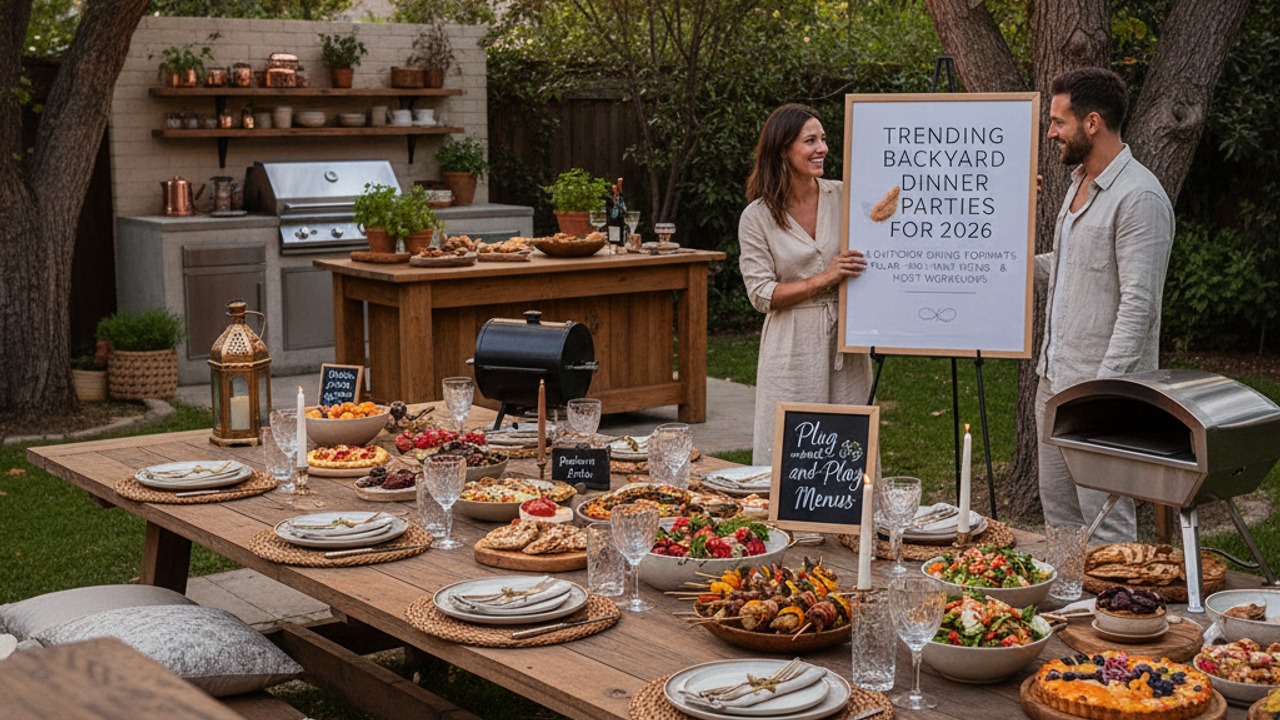
Trending Backyard Dinner Parties for 2026: 8 Outdoor Dining Formats, Plug‑and‑Play Menus & Host Workflows
Discover eight backyard dinner-party formats taking off in 2026, each with plug‑and‑play menu templates, step‑by‑step host workflows, grill timing tips, decor shortcuts, and social & sustainable ideas. Turn your yard into a memorable, stress‑free dining experience.
Tips & Techniques
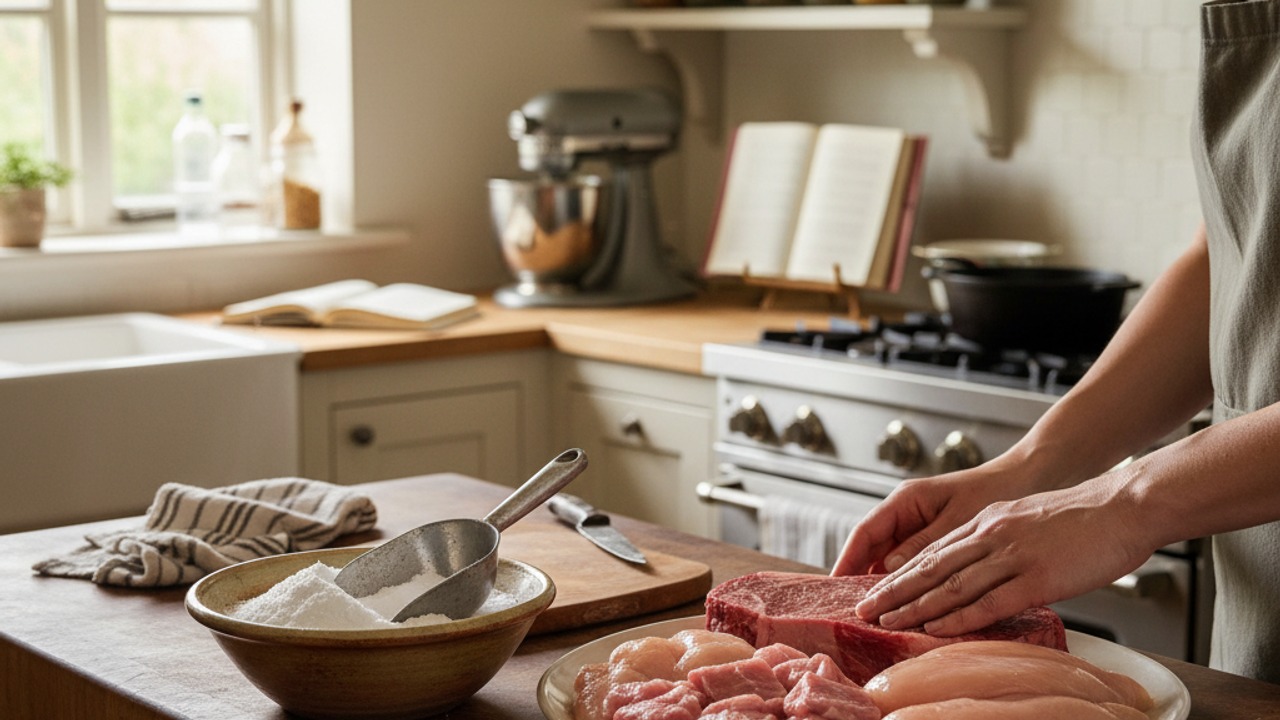
Baking Soda and Tenderized Beef
Learn how baking soda can tenderize, boost browning, and improve moisture for ground beef and other meats. This practical guide covers the science, step-by-step techniques, common mistakes, and recipes to try.

Recipes
Top 10 Halloween Recipes
Ten easy, showy Halloween recipes to feed a crowd or level up trick-or-treat night. From spooky appetizers to eerie desserts and a punch that stains the rim, these picks balance dramatic presentation with home-kitchen simplicity.
More from Baking
View all Baking recipes →
Cheesy Garlic Cauliflower

Ghost Meringues

Frank's Red Hot Buffalo Street Corn Dip

Baked Oatmeal Casserole

Classic Yorkshire Puddings — Crispy-Edged Roast Beef Side

Lazy No-Boil Lasagna for Weeknights

Mummy Jalapeño Poppers

Dumpling Lasagna

Parmesan Panko Baked Cod
Ask me anything about this recipe — substitutions, scaling, techniques, timing.
Powered by AI · 6 questions per 5 minutes, 30 per day