Small Grill Alternatives to Beer-Can Whole Chicken: Spatchcock and Two-Zone Roast on the Grill
A practical, small-grill alternative to beer-can chicken that gives crisp skin and evenly roasted meat. Spatchcocking with a two-zone charcoal setup makes the cook reliable on kettles and compact grills while keeping the technique simple and repeatable.
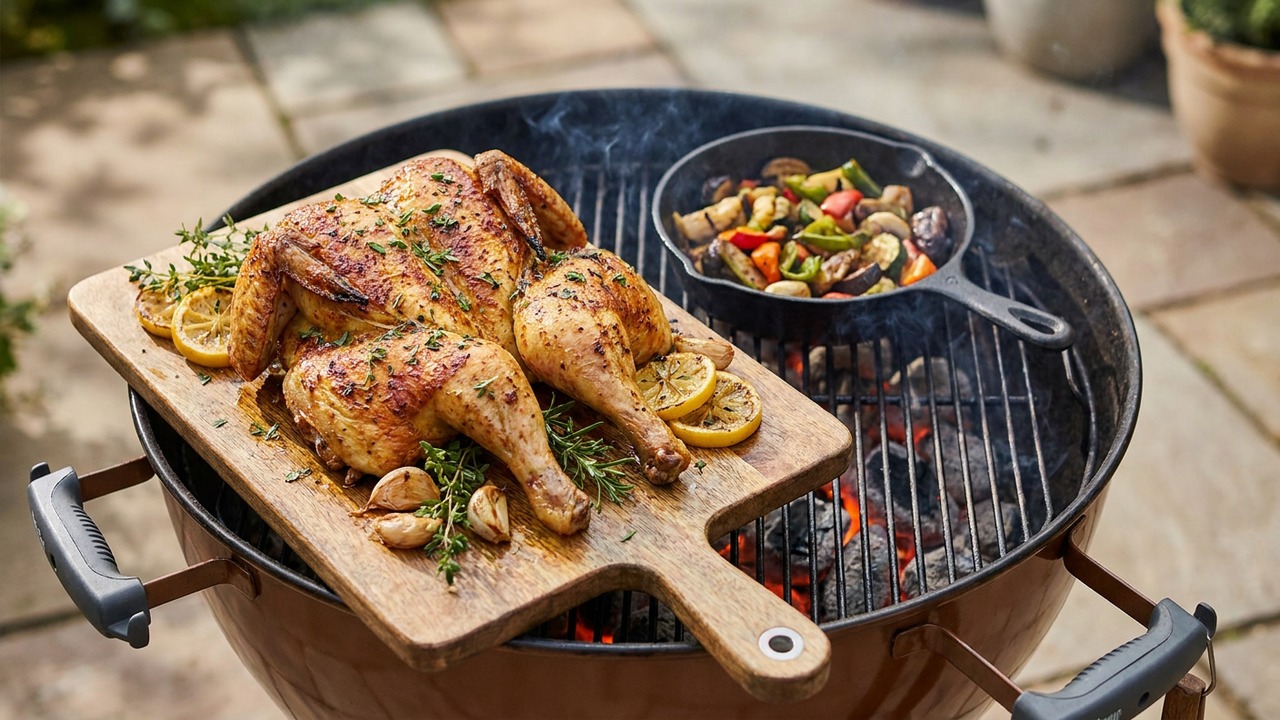
About This Recipe
If beer-can chicken has a reputation for showmanship but not much consistency, this spatchcock-and-two-zone method gives you everything you wanted from that viral idea—crispy, blistered skin and evenly cooked meat—without the wobble or wasted time. Spatchcocking flattens the bird so the thighs and breasts sit more level, which removes the chief complaint about one-part-raw, one-part-overdone poultry. The initial sear over direct coals renders the skin deeply golden, while the subsequent indirect roast brings the internal temperature up gently so the thighs finish tender and the breasts stay juicy.
Flavor-wise this version is straightforward but layered: smoked paprika and garlic powder provide smoke-friendly notes that pair with the char produced by a charcoal grate, lemon and thyme add bright, aromatic lift, and a knob of butter on the breast at the start of the roast gives a glossy finish and richer pan juices. It’s a pragmatic recipe for anyone who owns a small kettle or compact charcoal grill and wants a repeatable process for whole-bird cooking—no balancing acts, no specialty equipment, just technique that translates to reliable, restaurant-worthy results.
Ingredients for Small Grill Alternatives to Beer-Can Whole Chicken: Spatchcock and Two-Zone Roast on the Grill
- 1 whole Whole chicken (3–4 lb)
- 2 tbsp Olive oil
- 1 tbsp Kosher salt
- 1 tsp Freshly ground black pepper
- 1 tsp Garlic powder
- 1 tsp Smoked paprika
- 1 whole Lemon
- 4 sprigs Fresh thyme
- 2 tbsp Unsalted butter
- 2 1/2 lb Charcoal briquettes or lump charcoal
How to Make Small Grill Alternatives to Beer-Can Whole Chicken: Spatchcock and Two-Zone Roast on the Grill
Step 1: Spatchcock and season the chicken
Place the chicken breast-side down on a cutting board and use kitchen shears to cut out the backbone, then press firmly on the breastbone to flatten. Pat the bird dry with paper towels, rub all over with olive oil, then season generously with kosher salt, black pepper, garlic powder and smoked paprika, rubbing some seasoning under the skin and tucking a few thyme sprigs under the breasts; zest the lemon over the bird and save the lemon for later.For this step
- 1 wholeWhole chicken (3–4 lb)
- 2 tbspOlive oil
- 1 tbspKosher salt
- 1 tspFreshly ground black pepper
- 1 tspGarlic powder
- 1 tspSmoked paprika
- 1 wholeLemon
- 4 sprigsFresh thyme
Step 2: Build a two-zone fire on the small grill
Light a full chimney of charcoal and when the coals are hot, arrange them on one side of the kettle so you have a direct-heat zone and an indirect zone. Leave the other side empty for roasting; if using, tuck a small drip pan on the indirect side under where the chicken will sit to catch drippings and help stabilize the temperature.For this step
- 2 1/2 lbCharcoal briquettes or lump charcoal
Step 3: Sear over direct heat
With the grill lid open, place the chicken skin-side down over the hot coals and sear for 5–8 minutes until the skin is deeply golden and blistered, watching closely to avoid flare-ups. Use tongs to rotate the bird if one area is scorching, and keep the lid open during this brief sear to control flames.Step 4: Roast on the indirect side with butter and lemon
Move the chicken to the indirect side, breast-side up, with the thicker part toward the hotter zone; place a knob of the butter on the breast and add the reserved lemon half cut-side down in the drip pan or next to the bird. Close the lid and roast maintaining a grate temperature of about 350°F (175°C) until a digital thermometer reads 160–165°F (71–74°C) in the thickest part of the breast and 175°F (79°C) in the thigh, about 35–45 minutes more depending on bird size.For this step
- 2 tbspUnsalted butter
Step 5: Finish and rest
If you want extra crispness, transfer the chicken back over direct heat for 1–2 minutes skin-side down, then remove the bird and loosely tent it with foil. Let the chicken rest for 10–15 minutes so juices redistribute; the carryover will bring the breast to the safe final temperature.Step 6: Carve and serve
Cut away the legs and thighs, then slice the breasts against the grain and serve with the roasted lemon and pan juices. Use the leftover drippings for a quick sauce or serve with grilled vegetables or a simple salad for a complete small-grill meal.


- Place the chicken breast-side down on a cutting board and use kitchen shears to cut out the backbone, then press firmly on the breastbone to flatten. Pat the bird dry with paper towels, rub all over with olive oil, then season generously with kosher salt, black pepper, garlic powder and smoked paprika, rubbing some seasoning under the skin and tucking a few thyme sprigs under the breasts; zest the lemon over the bird and save the lemon for later.
- Light a full chimney of charcoal and when the coals are hot, arrange them on one side of the kettle so you have a direct-heat zone and an indirect zone. Leave the other side empty for roasting; if using, tuck a small drip pan on the indirect side under where the chicken will sit to catch drippings and help stabilize the temperature.
- With the grill lid open, place the chicken skin-side down over the hot coals and sear for 5–8 minutes until the skin is deeply golden and blistered, watching closely to avoid flare-ups. Use tongs to rotate the bird if one area is scorching, and keep the lid open during this brief sear to control flames.
- Move the chicken to the indirect side, breast-side up, with the thicker part toward the hotter zone; place a knob of the butter on the breast and add the reserved lemon half cut-side down in the drip pan or next to the bird. Close the lid and roast maintaining a grate temperature of about 350°F (175°C) until a digital thermometer reads 160–165°F (71–74°C) in the thickest part of the breast and 175°F (79°C) in the thigh, about 35–45 minutes more depending on bird size.
- If you want extra crispness, transfer the chicken back over direct heat for 1–2 minutes skin-side down, then remove the bird and loosely tent it with foil. Let the chicken rest for 10–15 minutes so juices redistribute; the carryover will bring the breast to the safe final temperature.
- Cut away the legs and thighs, then slice the breasts against the grain and serve with the roasted lemon and pan juices. Use the leftover drippings for a quick sauce or serve with grilled vegetables or a simple salad for a complete small-grill meal.
Small Grill Alternatives to Beer-Can Whole Chicken: Spatchcock and Two-Zone Roast on the Grill Tips
Dry Skin for Crispness
Pat the chicken thoroughly with paper towels and chill uncovered for 30–60 minutes if you can; drier skin browns and crisps much better during the sear.
Build the Two-Zone Carefully
Bank all hot coals to one side and leave the other clear for indirect cooking; use a small drip pan under the bird to stabilize temperature and catch drippings.
Control Flare-Ups While Searing
Keep the lid open and watch closely during the 5–8 minute sear, moving the bird a few inches or rotating with tongs if flames flare under the skin.
Thermometer Placement Matters
Insert the probe into the thickest part of the breast and a separate check for the thigh so you hit 160–165°F on the breast and about 175°F in the leg for safety and texture.
Let Butter Work Its Magic
Placing a knob of butter on the breast before the indirect roast bastes the meat and encourages a glossy finish; for more flavor, soften the butter with lemon zest and chopped thyme first.
Small Grill Alternatives to Beer-Can Whole Chicken: Spatchcock and Two-Zone Roast on the Grill Variations and Substitutions
Lemon-Herb Compound Butter
Mix softened butter with minced thyme, lemon zest and a pinch of salt, then slide it under the breast skin before searing for deeper aromatics and silky mouthfeel.
Spicy Paprika Rub
Ramp up the heat with 1/2–1 teaspoon cayenne or swap smoked paprika for hot Spanish paprika to turn this into a piquant, char-forward bird.
Citrus and Fennel Twist
Replace thyme with crushed fennel seeds and add orange zest with lemon for a slightly anise-bright finish that pairs especially well with grilled vegetables.
Gas Grill Adaptation
On a gas grill, create two zones by turning one or two burners to medium-high and leaving the other side off; use the same sear-then-roast workflow and monitor temperatures closely.
How to Store and Make Small Grill Alternatives to Beer-Can Whole Chicken: Spatchcock and Two-Zone Roast on the Grill Ahead
Store leftover chicken in an airtight container in the refrigerator for up to 3–4 days; slice the breasts and keep legs separate to reheat evenly. To reheat without drying, place pieces in a 325°F oven covered with foil until warmed through, or rewarm over indirect grill heat until an instant-read thermometer reads about 140–150°F. The bird also freezes well for up to 2 months—wrap tightly and thaw overnight in the fridge before reheating.
What to Serve With Small Grill Alternatives to Beer-Can Whole Chicken: Spatchcock and Two-Zone Roast on the Grill
Serve carved portions with spooned pan juices and the roasted lemon halves for squeezing; grilled baby potatoes or charred broccolini are natural companions that can share your grill while the chicken cooks. For wine, choose a crisp white like Vermentino or an unoaked Chardonnay, or pour a cold pilsner to play off the smoky paprika and lemon notes.
Small Grill Alternatives to Beer-Can Whole Chicken: Spatchcock and Two-Zone Roast on the Grill FAQs
Can I use a smaller or larger chicken than listed?
Yes—reduce cook time for a smaller bird and add 10–15 minutes for a heavier one, but rely on internal temperature rather than clock time: 160–165°F for breast and about 175°F for thigh is your guide.
Why do you sear skin-side down first?
Searing over direct heat renders fat and tightens the skin, giving you a deeply browned, blistered crust that holds up during the indirect roast rather than getting soggy.
What if my grill temperature fluctuates?
A two-zone setup plus a drip pan stabilizes the cooking environment; if temps fall, add a few coals to the hot side and avoid long lid openings—small adjustments keep you close to the 350°F target.
Can I brine the chicken beforehand?
A short wet brine (salt, sugar, aromatics) for 4–8 hours will improve overall juiciness, but rinse and pat the bird completely dry before seasoning and searing to preserve crisp skin.
How do I prevent the breast from drying out?
Flattening the bird evens cooking, and the sear plus indirect roasting keeps the breast from overexposure to direct heat; monitor with a probe thermometer and remove at 160–165°F to allow carryover to finish it gently.
About the author
Jake WoodsHello, I'm Jake. I started this recipe site with the idea that I hated recipe websites that overwhelm you with long stories and ads just to see plain content that's not helpful. My goal is to provide you with quality recipes, simple ideas and a fun cooking experience. There's lots of fun things to cook, and I think as you browse the site you'll find that TopShelf.Recipes is the place for quality recipes on the web.
See all recipes by Jake Woods →Ratings & Reviews
Did you make this recipe?
Be the first to share your experience.
Nutrition Facts
Per serving: 1 serving
Nutrition values are estimated from USDA ingredient data and may vary based on preparation, brands, and portion sizes. Values are provided for informational purposes only.
Keep Reading
Guides & articles for this recipe
Guides
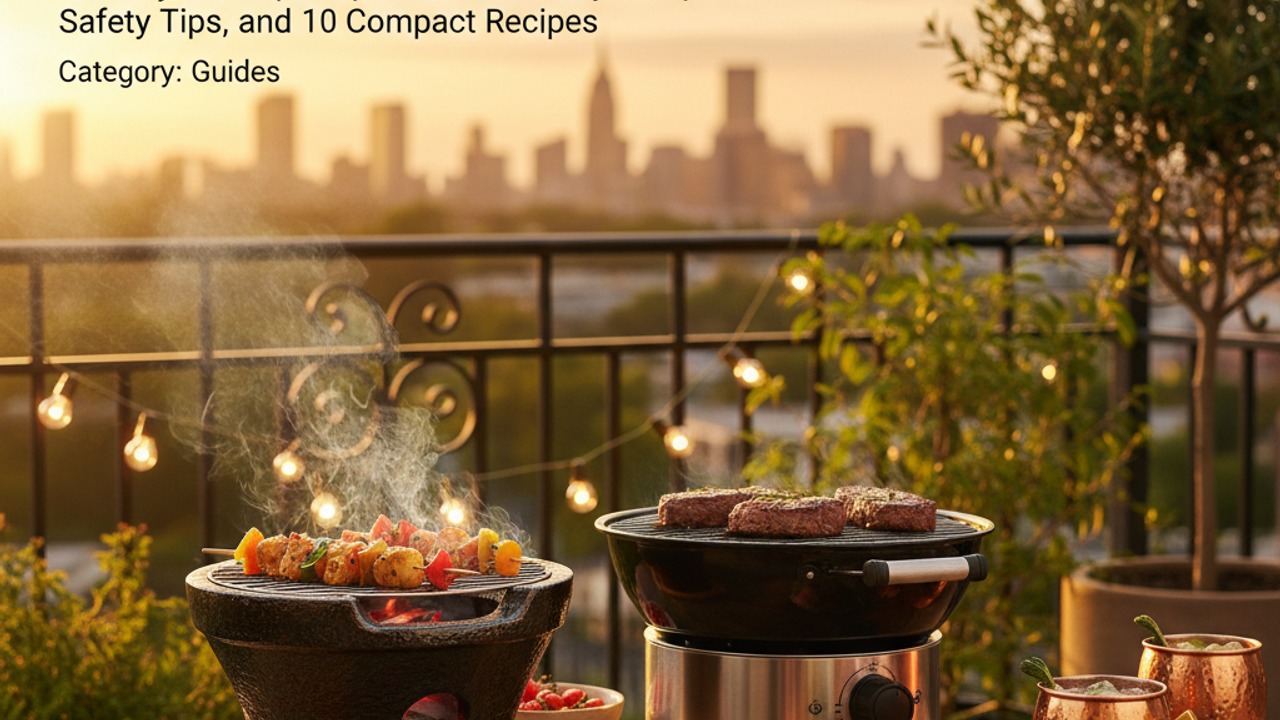
Trending Small‑Space Grilling for 2026: Balcony, Rooftop & Apartment‑Friendly Setups, Safety Tips, and 10 Compact Recipes
Small-space grilling has matured: smarter, cleaner gear and smarter workflows let apartment dwellers grill with less fuss and fewer complaints. This guide covers what’s legal and effective in 2026, practical smoke-management and safety workflows, compact storage and multi-use tool choices, neighbor-friendly timing, permit basics, plus 10 tested site recipes optimized for tiny grills.
Guides
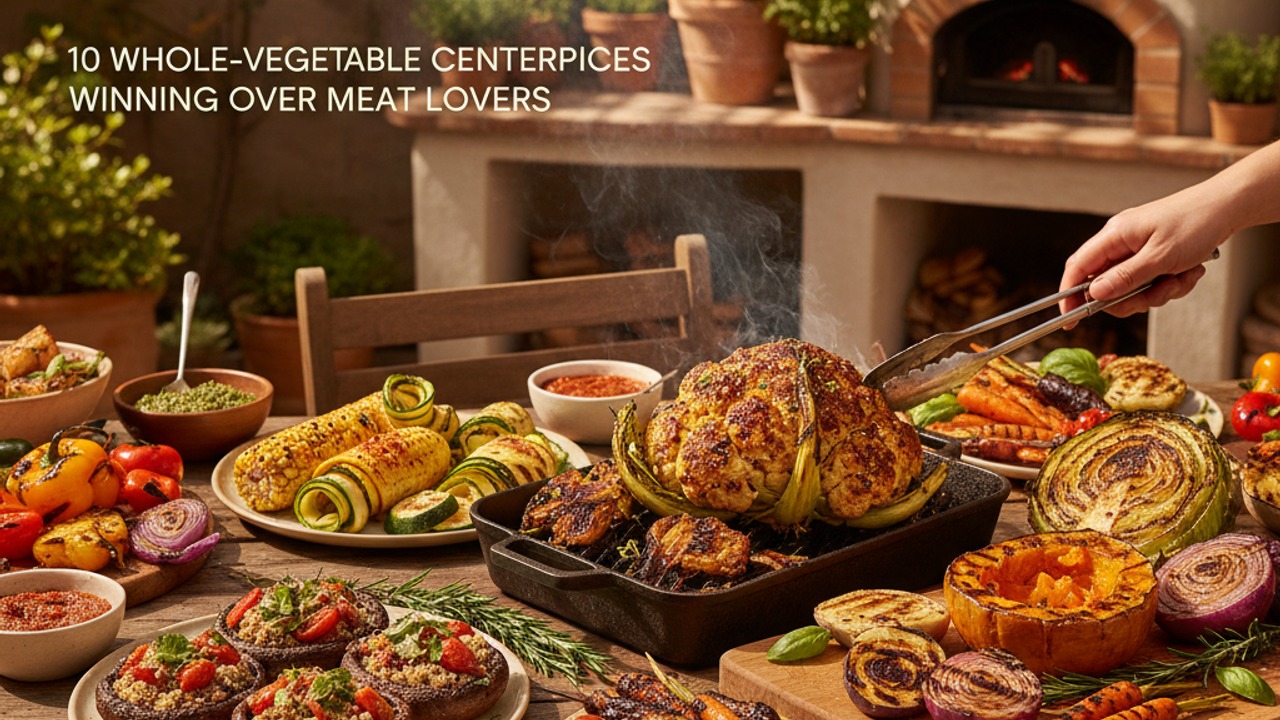
Trending Plant-Forward Grilling: 10 Whole‑Vegetable Centerpieces Winning Over Meat Lovers
Swap the usual grill routine for bold, whole-vegetable centerpieces that deliver the char, smoke and umami carnivores crave. This guide breaks down 10 trending veg mains—techniques, global marinades, and meaty-friendly side pairings to make converts out of even hardcore carnivores.
Guides
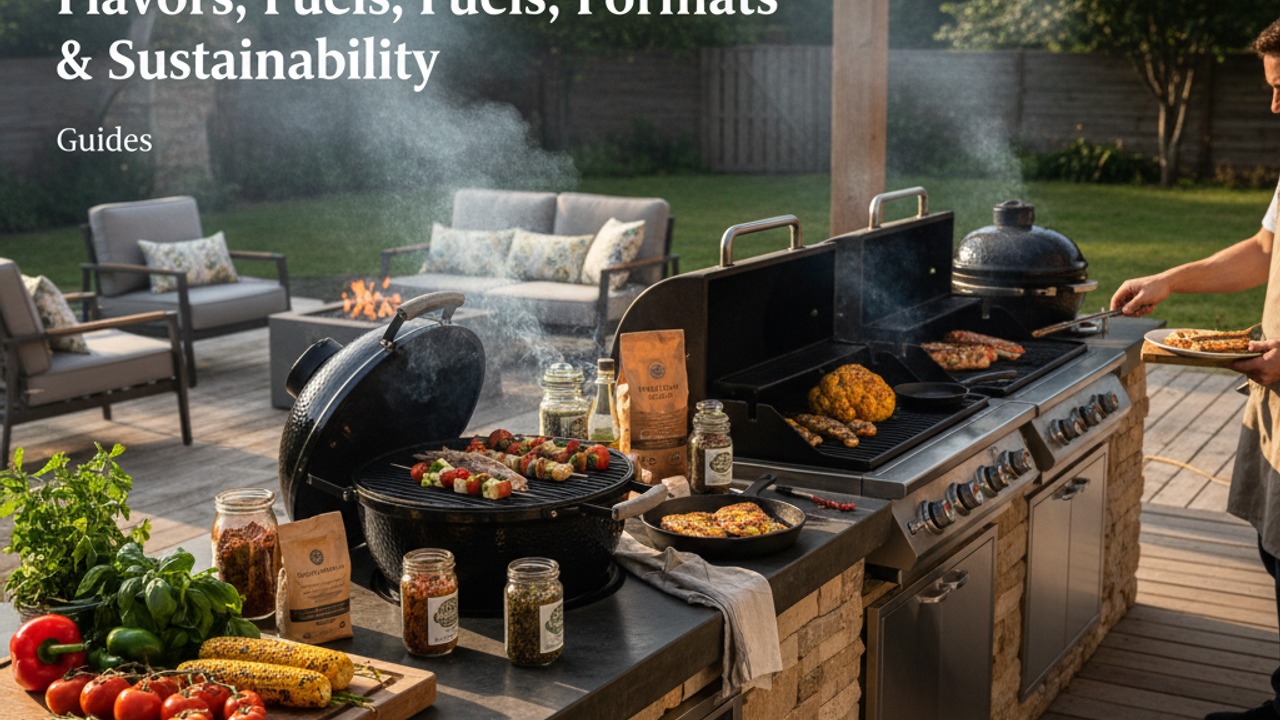
12 Micro‑Trends Shaping Backyard Grilling in 2026: Flavors, Fuels, Formats & Sustainability
A practical guide to 12 emerging backyard-grilling micro-trends for 2026 — from flash-smoking and fermented marinades to alternative fuels, foraged garnishes, and zero‑waste prep. Actionable tips, swap-in recipe ideas, and tool picks for home cooks who want to level up their grill game sustainably.
More from Grilling
View all Grilling recipes →
Tandoori Yogurt Marinated Grilled Chicken (Tandoori Style on the Grill)

Labor Day Grilled Lobster Rolls with Charred Scallion Brown Butter & Lemon‑Herb Aioli

Bulgogi Smash Burger

Campfire‑Smoked Potato Salad with Mustard‑Bacon Vinaigrette — A Labor Day Grilling Side for Steak

Hanger Steak with Shallot Sauce
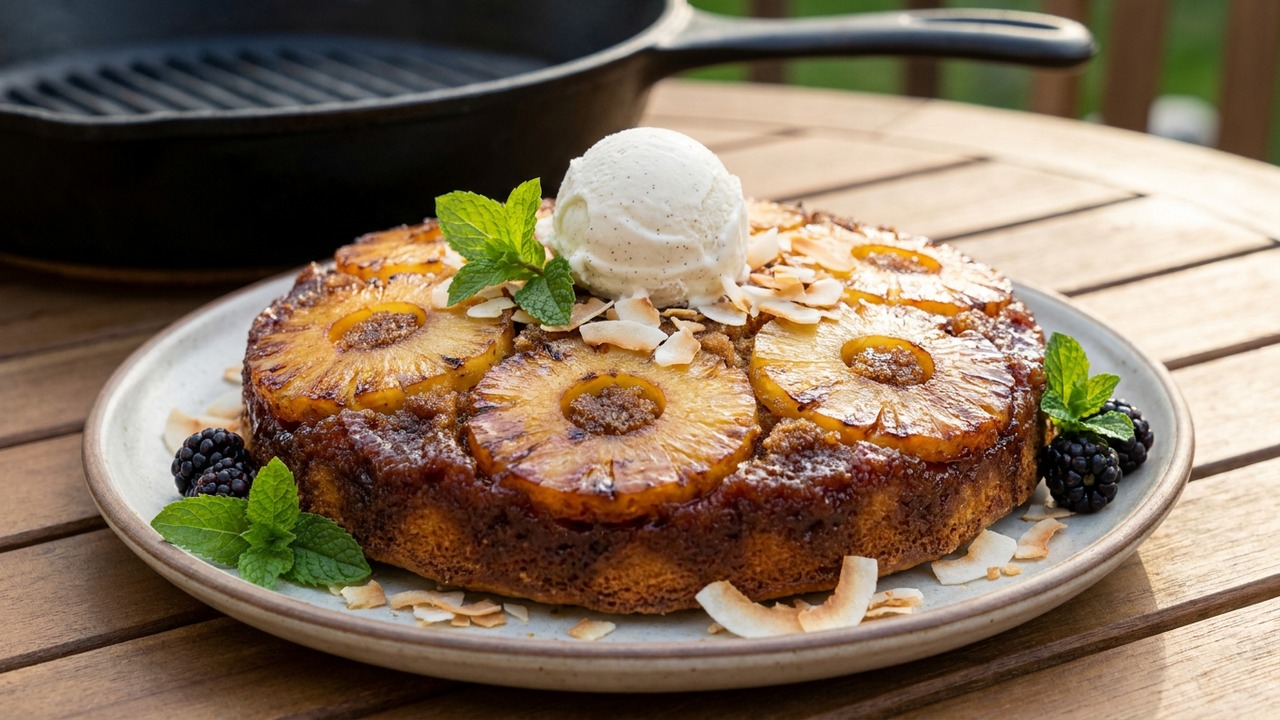
Grilled Pineapple Upside-Down Cake

Spicy Grilled Shrimp Skewers with Garlic Lime Marinade

Honey Garlic Grilled Thin-Sliced Chicken Breasts

Coffee and Porcini Dry-Rub Steaks with RUB PRIME STEAK Finish
Ask me anything about this recipe — substitutions, scaling, techniques, timing.
Powered by AI · 6 questions per 5 minutes, 30 per day