Healthy Eating

Gluten-Free BBQ Sauces & Marinades

A practical guide to making and buying gluten-free BBQ sauces and marinades for confident grilling. Includes three easy homemade sauce ideas, two quick marinades, swaps for common gluten-containing ingredients, a list of hidden gluten culprits to avoid, and how to read labels when shopping.

Editorially curated
Gluten-Free BBQ Sauces & Marinades

Why Gluten Matters For Grilling

Why Gluten Matters For Grilling
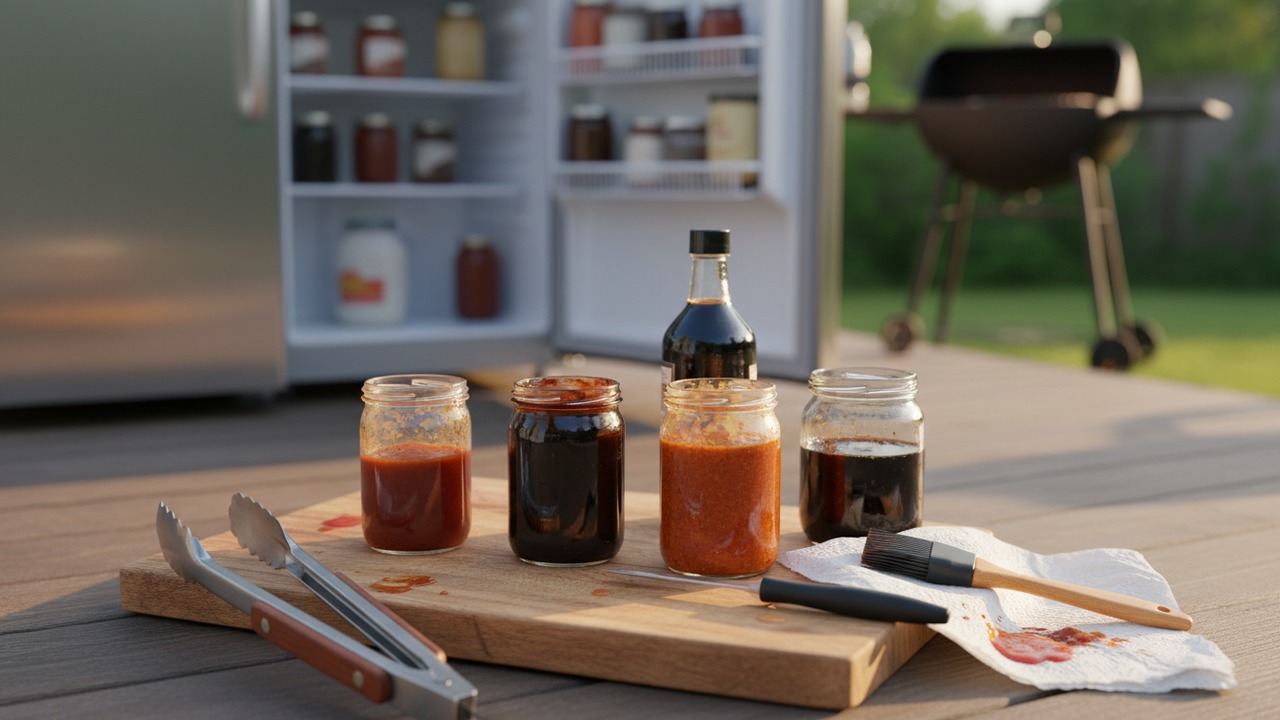
Separate tools and sauces to avoid cross-contact.

At the grill the obvious risk isn’t the steak or the chicken; it’s the sauces, marinades, and spice mixes you pour over them. Many packaged condiments and seasoning blends include wheat-derived ingredients — malt, conventional soy sauce, and some modified starches — that can cross-contact with tongs, brushes, or a communal squeeze bottle. That’s why glove-aware handling and a clean set of tools are as important as ingredient labels.

Liquid ingredients often matter more than the meat itself because they spread and cling: a single brush dipped in a soy-containing glaze will smear wheat across several pieces of food. Expect to separate prep tools and keep a clean baste bowl if you’re feeding someone with celiac disease or a strong sensitivity. Keep raw and finished items clearly apart; always marinate in the refrigerator and never reuse a marinade without bringing it to a full boil.

Removing wheat-containing ingredients will change some textures and flavors. Ketchup and molasses handle sweetness and body, while soy brings deep umami and a salty edge. Swaps like gluten-free tamari or coconut aminos recover much of the savory note, and thickeners such as cornstarch or xanthan gum make up for flour-based body without changing the mouthfeel dramatically. Expect subtle differences, but nothing that should stop you from making bold, satisfying barbecue.
3 Easy Homemade Sauces

Vinegar-forward Carolina Style: Bright and thin, this sauce leans on apple cider vinegar, a little brown sugar, crushed red pepper, and kosher salt. Make it by simmering 1 cup apple cider vinegar with 2 tablespoons honey or brown sugar, 1 teaspoon smoked paprika, and a pinch of crushed red pepper until the sugar dissolves. If you’d normally add soy for depth, replace it with 1 teaspoon gluten-free tamari or 1 tablespoon coconut aminos. Store in a jar in the fridge up to two weeks.

Sweet Molasses-Ketchup Classic: For a sticky, familiar glaze, combine 1 cup gluten-free ketchup, 2 tablespoons molasses, 2 tablespoons apple cider vinegar, and 1 teaspoon Dijon. If you need soy notes, stir in 1 teaspoon gluten-free tamari or 1/2 teaspoon tamari and 1/2 teaspoon liquid smoke for extra depth. Warm gently in a saucepan to meld flavors; cool and refrigerate for up to ten days, or freeze in ice-cube trays for single-use portions.

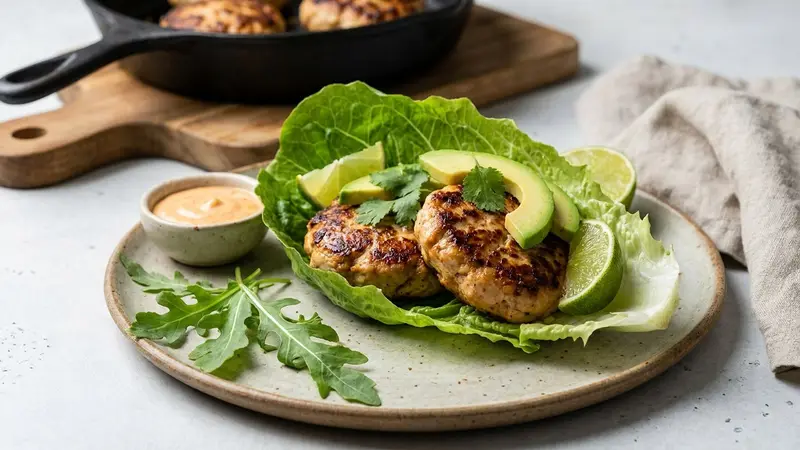
Smoky Chipotle Sauce: Blend canned chipotles in adobo (check the label) with 1/2 cup tomato sauce, 2 tablespoons honey or maple, 1 tablespoon apple cider vinegar, and 1 teaspoon gluten-free tamari or coconut aminos. Cook briefly to marry the flavors and thin with water if needed. This sauce works as a mop or finishing glaze; keep it refrigerated for a week or freeze for longer storage. Mentioning a smoky chipotle burger is useful: the Low-Carb Lettuce Wrapped Chipotle Lime Chicken Burger with Avocado pairs well with this sauce.

2 Quick Marinades

2 Quick Marinades
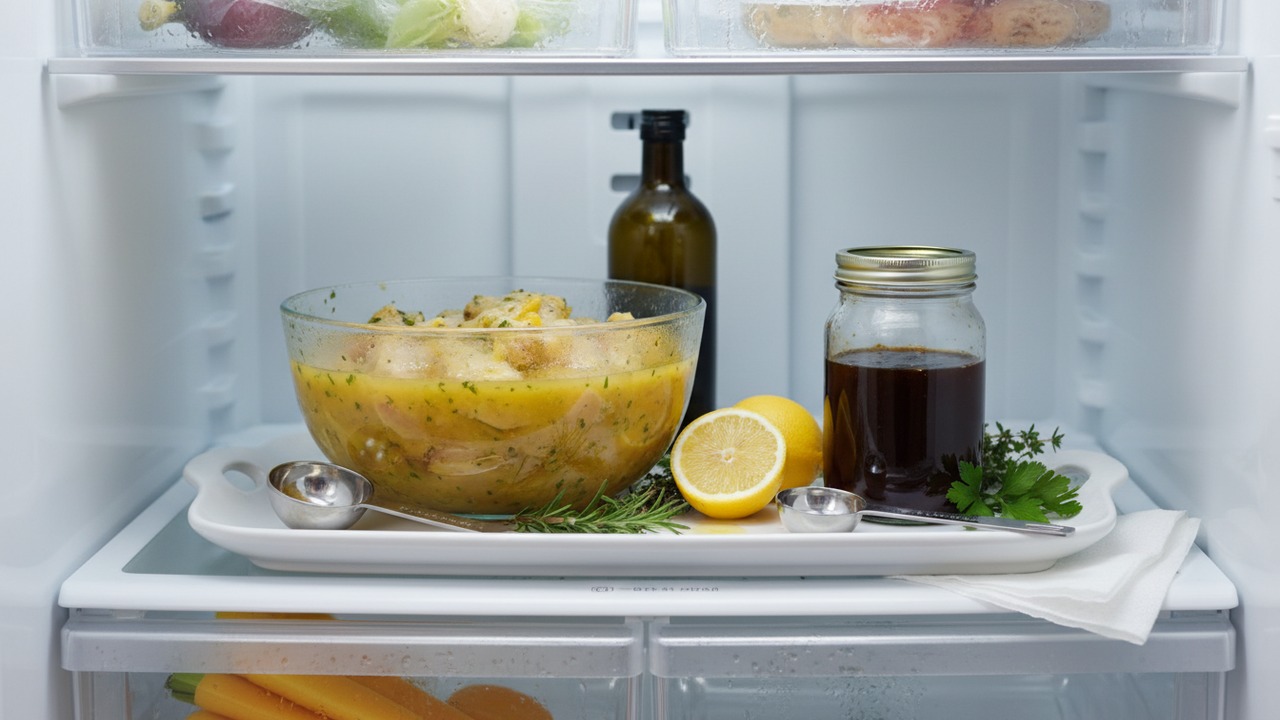
Marinate in the fridge; reserve or boil used marinade.

Citrus-Herb Marinade: This bright option works great for fish and chicken. For a formula, use 1/4 cup acid (lemon or lime juice), 1/4 cup oil, 2 tablespoons chopped herbs (parsley, thyme, or cilantro), a teaspoon of honey or mustard, and salt and pepper. Marinate fish for 15–30 minutes, chicken for 30 minutes to 2 hours. Always marinate in the refrigerator, in a nonreactive container. Acidic marinades break down proteins, so keep timing conservative to avoid a mushy texture.

Umami-Rich Marinade: For beef or pork, build umami with 1/4 cup gluten-free tamari or coconut aminos, 2 tablespoons oil, 1 tablespoon acid (rice vinegar or lemon), and 1–2 teaspoons sweetener or molasses. Marinate steaks for 30 minutes up to 8 hours; pork chops about 1–4 hours. If you use fresh pineapple or papaya for enzymatic tenderizing, reduce the time to under 45 minutes to avoid over-softening.

Handling the marinade safely matters: reserve a portion before the raw protein touches it if you want to use the liquid as a finishing sauce, or bring used marinade to a rolling boil for at least 1–2 minutes before using. Never reuse marinade that’s been in contact with raw meat unless boiled. And always marinate in the fridge on a tray to catch any drips.

Swap Tips

Soy sauce swap: Use a certified gluten-free tamari or coconut aminos as a 1:1 replacement for soy. Tamari is closest in savory weight; coconut aminos are less salty and slightly sweeter, so you may want to reduce any added sugar. If a recipe calls for regular soy and also salt, reduce the added salt when swapping to tamari.

Worcestershire and malt flavors: If Worcestershire is unclear, mimic its sweet-umami profile with a small mix: 1 tablespoon gluten-free tamari, 1 teaspoon apple cider vinegar, and 1/2 teaspoon molasses. Malt or beer notes can be recreated without gluten by using a dark gluten-free beer, roasted coffee brewed strong and cooled, a dash of liquid smoke, or browned onions and mushrooms for depth.

Thickening and texture fixes: For glossy sauces, use a cornstarch slurry—1 tablespoon cornstarch mixed with an equal part cold water—to thicken about 1 cup of sauce; simmer until clear. Arrowroot is similar and tolerates acidic sauces well. For a very small-volume thickener, 1/8 to 1/4 teaspoon xanthan gum per cup adds body without cloudiness. Avoid flour-based roux unless you use a certified gluten-free flour blend.

Hidden Gluten Ingredients To Avoid

Hidden Gluten Ingredients To Avoid
Check ingredient lists and allergen statements closely.

Some ingredients sneak gluten into condiments and spice mixes. Malt (often listed as malt extract or barley malt), conventional soy sauce, hydrolyzed vegetable protein (HVP) when derived from wheat, and some modified food starches are frequent culprits. Spice blends and seasoning salts sometimes include anti-caking agents or maltodextrin that aren’t always labeled as wheat-derived; treat ambiguous blends with caution.

When reading labels, look for explicit declarations: "contains wheat" or a "gluten-free" statement. Ingredient listings that say "malt" or "barley" are red flags. Also read a product’s allergen block and any "may contain" or "manufactured in a facility that also processes wheat" notices. If a product lists "natural flavors" or "spices" without detail, and it matters to you, that’s a good reason to double-check.

If an ingredient isn’t clear, call the manufacturer: ask whether maltodextrin or modified starch comes from wheat or corn, whether hydrolyzed vegetable protein is soy- or wheat-derived, and whether shared lines pose cross-contact risks. Prefer products certified gluten-free or with transparent sourcing; when in doubt, choose an explicitly labeled alternative.

Safe Store-Bought Picks

When you can’t make a sauce, the packaging must do the work for you. Trust labels that say "gluten-free" or carry a certified gluten-free seal; those products have been tested or vetted. On the ingredient list, scan specifically for wheat, barley, rye, malt, brewer’s yeast, hydrolyzed wheat protein, and any variant of "contains wheat." Tamari labeled gluten-free and coconut aminos are two categories that are often reliably safe.

Categories that are easiest to find safely include certified ketchups and mustards, tamari, coconut aminos, and some bottled marinades that explicitly say gluten-free. Be wary of products with vague terms like "natural flavor" or "spices" with no further detail; these can mask hydrolyzed proteins. For bottled sauces, read both the ingredient list and the allergen statement, and if the label is ambiguous, check the company’s website or call customer service.

Shopping checklist: 1) Look for a certified gluten-free seal or explicit "gluten-free" text. 2) Read the ingredient list for wheat/barley/rye/malt. 3) Check the allergen block for "contains" or "may contain" notices. 4) Avoid vague terms like "hydrolyzed vegetable protein" without clarification. 5) When in doubt, choose tamari labeled gluten-free or coconut aminos, or call the manufacturer. Keep this note handy while you shop or order online.

Comments

Leave a comment

0/2000

No comments yet — be the first to share your thoughts.

Keep exploring

More to read

All articles →