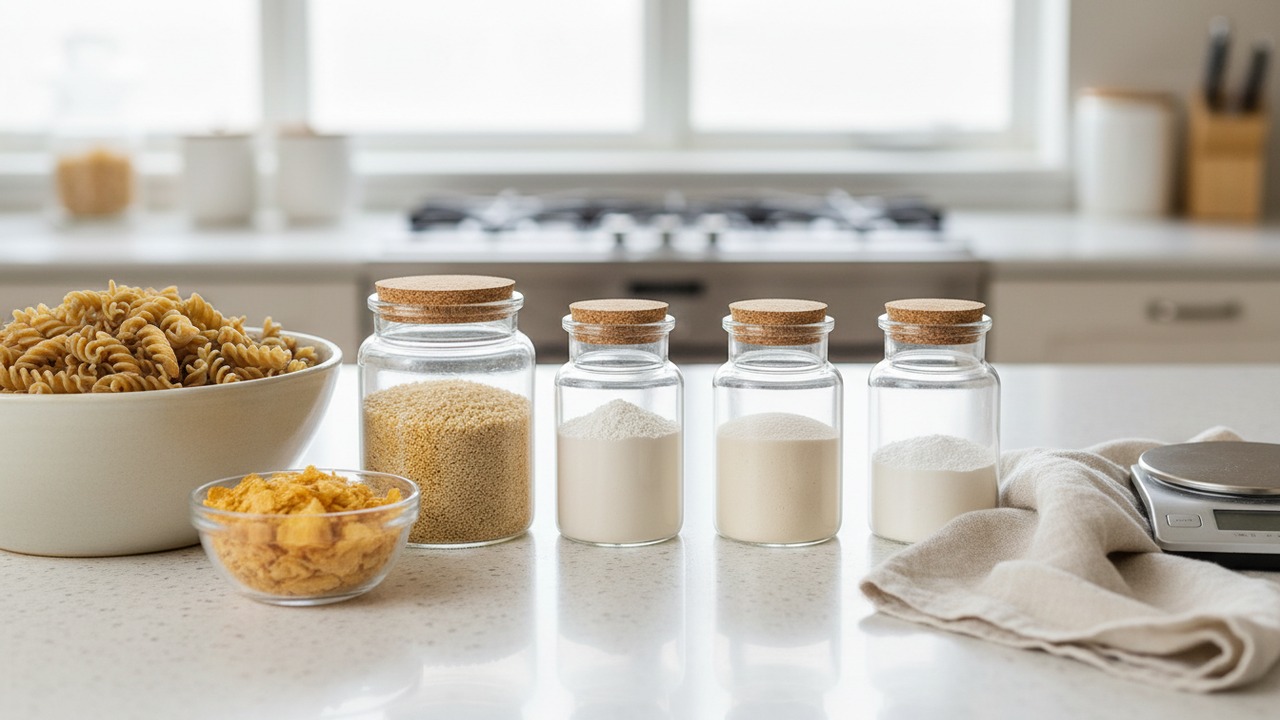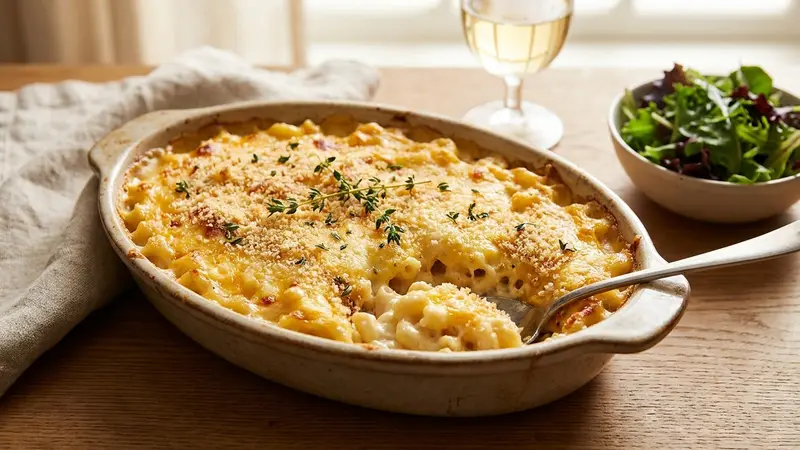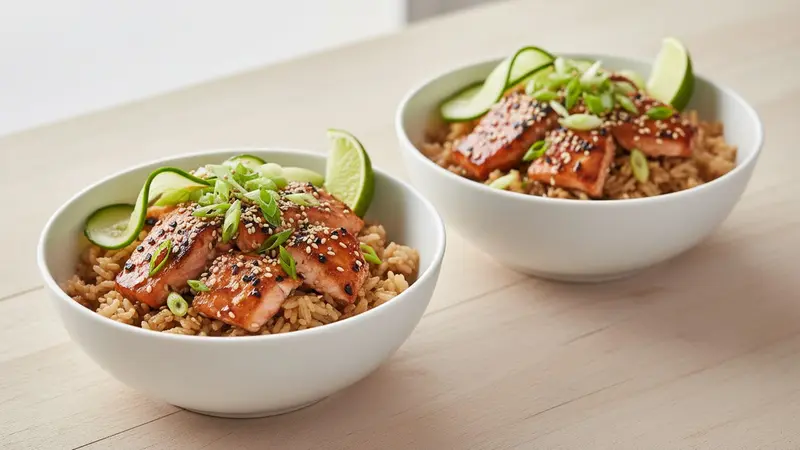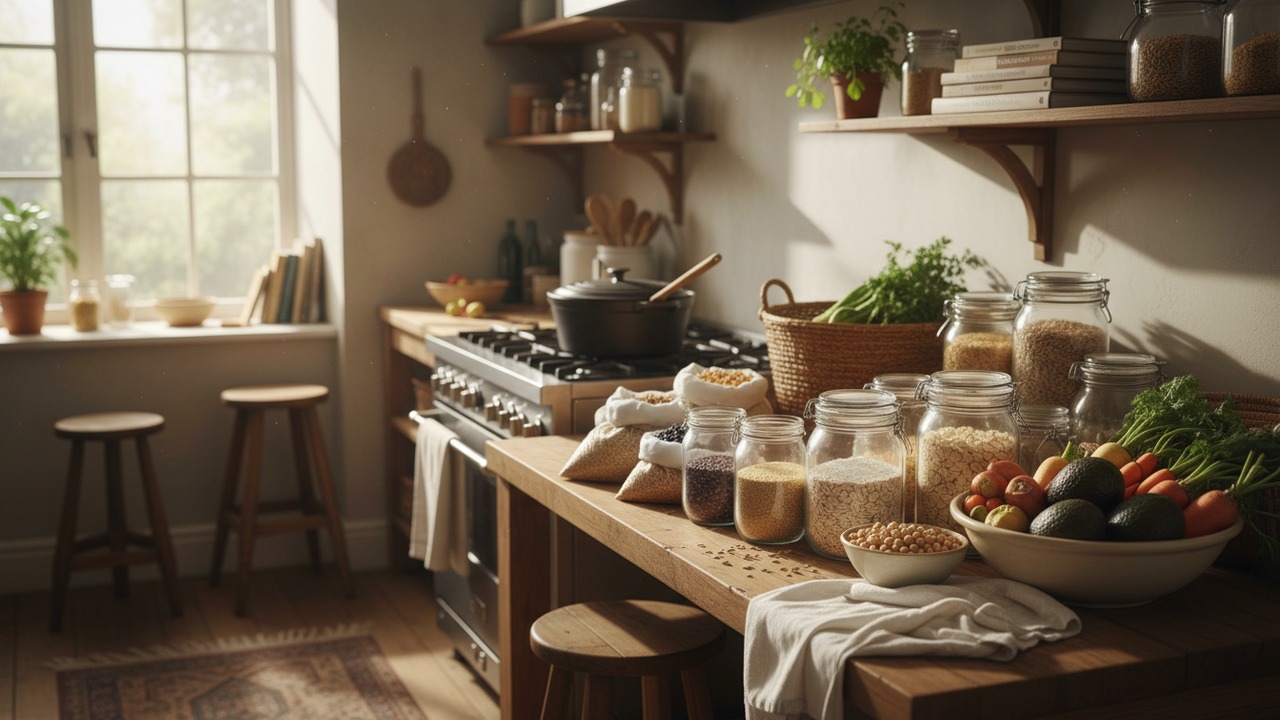
Think in categories and keep a small, dependable amount of each on hand. Grains: brown rice, short-grain rice, and quinoa for bowls and stir-fries; quick-cook polenta and cornmeal for porridge or crisping. Legumes: canned and dried lentils, chickpeas, and black beans for stews, salads, and mash. Pastas: brown-rice, lentil, or chickpea pastas that stand up to sauce.
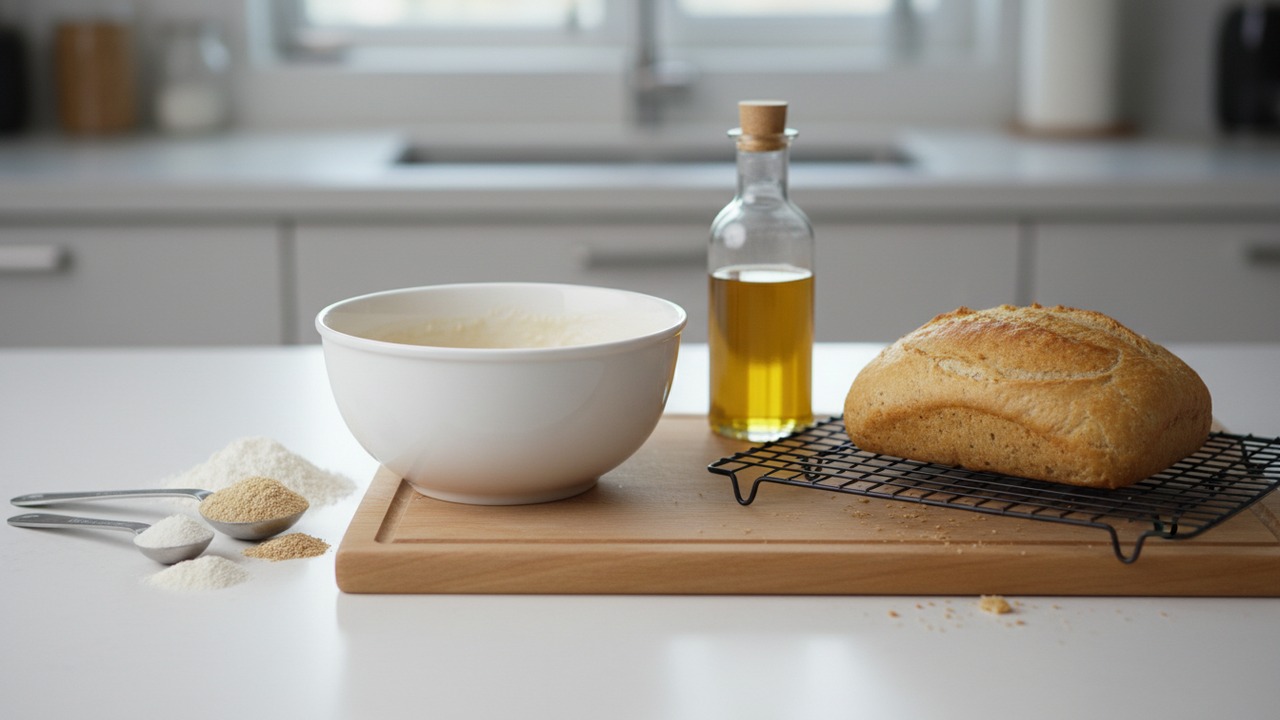
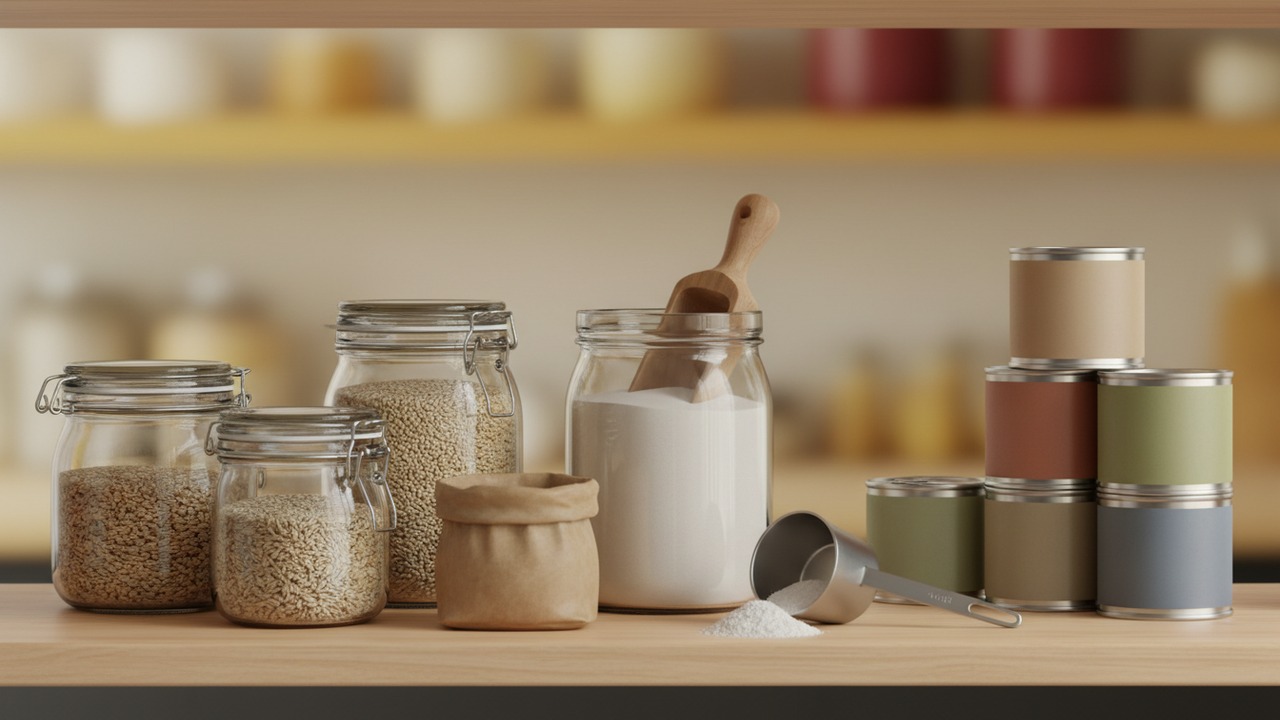
Flours and binders: a small range covers most needs. Rice flour is neutral for dredging and light cakes; oat flour (certified gluten-free) adds softness in quick breads; tapioca starch brings chew and shiny glazes; chickpea flour works for savory pancakes and batters. Keep small packets of xanthan gum or psyllium husk for structure—xanthan for cakes and cookies, psyllium for bread-like elasticity. Use blends for most baking rather than single flours when possible.
Canned basics: tomatoes, coconut milk, beans, and tuna; oils: olive and a neutral oil; condiments: tamari (gluten-free soy sauce), vinegar, Dijon mustard; shelf-stable proteins: canned fish, jackfruit, textured vegetable protein. Stock sizes: for one person keep 1–2 cups of dry grains per week and one 12–16 oz bag of each flour; for two, double that; for 3–4 people, plan 2–4 cups weekly and 2–3 small flour bags (12–16 oz) to avoid staleness. Smaller, frequent purchases mean fresher flours and less waste.