Classic Lemon-Herb Chicken Marinade for Grilling
A bright, quick lemon-herb marinade that adds zesty citrus and fresh herb flavor to grilled chicken. Ready in under an hour, it’s perfect for weeknight grilling or a sunny weekend barbecue.
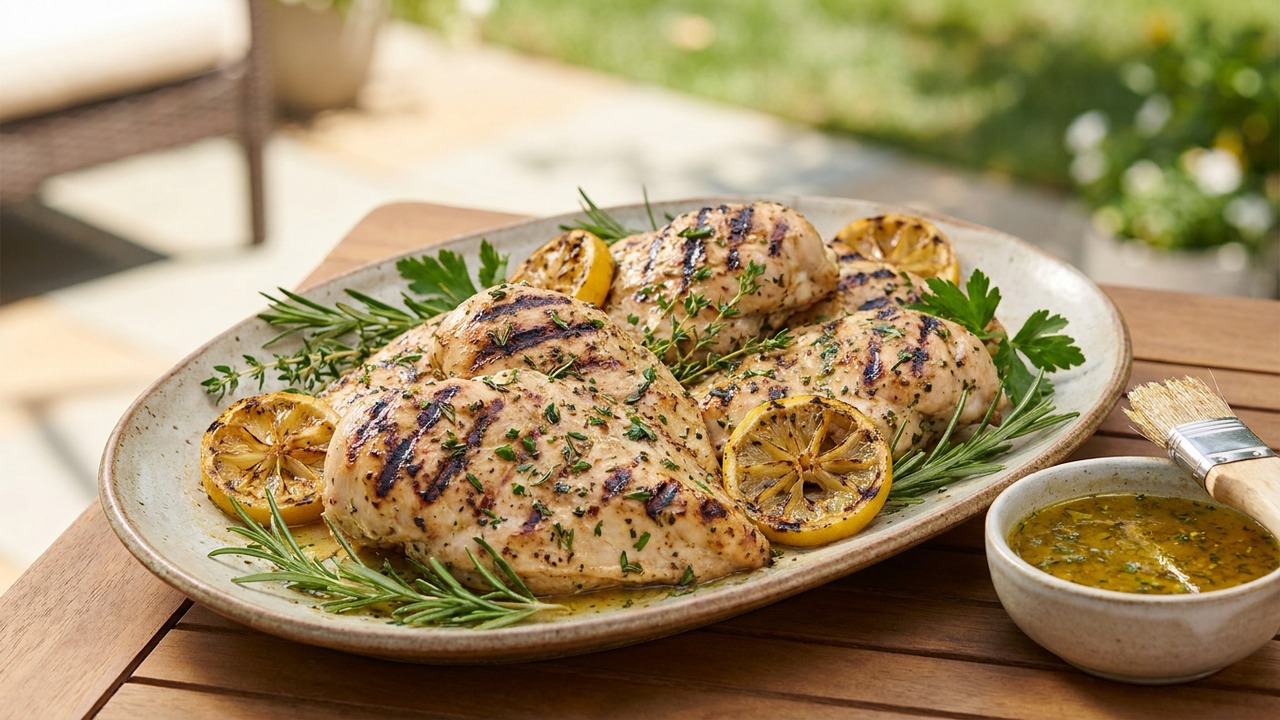
About This Recipe
Bright, herb-flecked and deceptively simple, this lemon-herb chicken marinade is the kind of recipe that solves weeknight dinner and backyard barbecue dilemmas at once. The combination of fresh lemon juice and zest gives sharp citrus lift while generous olive oil smooths and carries flavor into the meat; minced garlic and the duo of parsley and thyme add herbal depth without competing with the grill’s char. Scoring the breasts and pounding them to a uniform thickness helps the marinade penetrate and guarantees even cooking, so you get a sunny, juicier result rather than dry, overcooked chicken.
This version works because it treats acidity and oil as partners rather than antagonists: enough lemon to make the profile lively, but not so much that the protein breaks down quickly, which is why the 30–240 minute marinating window is intentionally specific. It’s for anyone who wants fast flavor — weeknight cooks, novice grillers, and hosts who need a dependable main that pairs effortlessly with salads, grilled veg, rice, or a summery pasta. Slice across the grain, finish with a butter or olive-oil drizzle and lemon wedge, and you’ll have a versatile protein that plays well in salads, sandwiches, and plates made for sharing.
Ingredients for Classic Lemon-Herb Chicken Marinade for Grilling
- 4 pieces Boneless skinless chicken breasts
- 1/3 cup Extra-virgin olive oil
- 1/4 cup Fresh lemon juice
- 1 tablespoon Lemon zest (from 1 lemon)
- 3 cloves Garlic, minced
- 1/4 cup Fresh parsley, finely chopped
- 1 tablespoon Fresh thyme leaves, chopped
- 1 1/2 teaspoons Kosher salt
- 3/4 teaspoon Freshly ground black pepper
How to Make Classic Lemon-Herb Chicken Marinade for Grilling
Step 1: Make the lemon-herb marinade
In a medium bowl whisk together olive oil, fresh lemon juice, lemon zest, minced garlic, chopped parsley, and thyme until combined. Season with kosher salt and freshly ground black pepper, then taste and adjust acidity or seasoning if needed.For this step
- 1/3 cupExtra-virgin olive oil
- 1/4 cupFresh lemon juice
- 1 tablespoonLemon zest (from 1 lemon)
- 3 clovesGarlic, minced
- 1/4 cupFresh parsley, finely chopped
- 1 tablespoonFresh thyme leaves, chopped
- 1 1/2 teaspoonsKosher salt
- 3/4 teaspoonFreshly ground black pepper
Step 2: Prep the chicken
Pat the chicken breasts dry and trim any excess fat; for even cooking, pound to an even thickness if needed. Lightly score or pierce the surface so the marinade penetrates more effectively.Step 3: Marinate the chicken
Place the chicken in a zip-top bag or shallow dish and pour the marinade over it, making sure each piece is well coated. Refrigerate at least 30 minutes and up to 4 hours for best flavor; for a quick option 30–60 minutes will still give bright citrus notes.For this step
- 4 piecesBoneless skinless chicken breasts
Step 4: Grill the chicken
Preheat a gas or charcoal grill to medium-high (about 400–450°F / 200–230°C) and oil the grates. Grill the chicken 6–7 minutes per side, flipping once, until an instant-read thermometer inserted into the thickest part reads 165°F (74°C); avoid overcooking to keep it juicy.Step 5: Rest and serve
Transfer the chicken to a cutting board and let it rest 5 minutes to redistribute juices. Slice and serve with lemon wedges and a sprinkle of fresh parsley, pairing well with grilled vegetables, rice, or a crisp salad.


- In a medium bowl whisk together olive oil, fresh lemon juice, lemon zest, minced garlic, chopped parsley, and thyme until combined. Season with kosher salt and freshly ground black pepper, then taste and adjust acidity or seasoning if needed.
- Pat the chicken breasts dry and trim any excess fat; for even cooking, pound to an even thickness if needed. Lightly score or pierce the surface so the marinade penetrates more effectively.
- Place the chicken in a zip-top bag or shallow dish and pour the marinade over it, making sure each piece is well coated. Refrigerate at least 30 minutes and up to 4 hours for best flavor; for a quick option 30–60 minutes will still give bright citrus notes.
- Preheat a gas or charcoal grill to medium-high (about 400–450°F / 200–230°C) and oil the grates. Grill the chicken 6–7 minutes per side, flipping once, until an instant-read thermometer inserted into the thickest part reads 165°F (74°C); avoid overcooking to keep it juicy.
- Transfer the chicken to a cutting board and let it rest 5 minutes to redistribute juices. Slice and serve with lemon wedges and a sprinkle of fresh parsley, pairing well with grilled vegetables, rice, or a crisp salad.
Classic Lemon-Herb Chicken Marinade for Grilling Tips
Pound for even thickness
Use a meat mallet or rolling pin to make the breasts uniform so they cook at the same rate and stay juicy; 1/2-inch thickness is ideal for the listed grill time.
Score to help penetration
Lightly score the surface or pierce the meat so the lemon and garlic can get deeper into the chicken, improving flavor without over-marinating.
Balance acidity carefully
If the marinade tastes too sharp, stir in a teaspoon of honey or a splash more olive oil to round the acid without flattening the lemon brightness.
Reserve extra marinade
Set aside a small portion of the marinade before adding raw chicken to use as a finishing drizzle or quick sauce; never reuse marinade that touched raw poultry without boiling it first.
Preheat and oil grates
Get the grill to medium-high and oil the grates or brush the chicken with oil just before grilling to prevent sticking and create those sought-after sear marks.
Use an instant thermometer
Check the thickest part for 165°F (74°C) to avoid overcooking—then rest the chicken 5 minutes so carryover heat evens out the temperature.
Classic Lemon-Herb Chicken Marinade for Grilling Variations and Substitutions
Greek-style lemon oregano
Swap thyme and parsley for 2 tablespoons chopped oregano and fold in 1 tablespoon red wine vinegar; serve with tzatziki and warm pita.
Spicy citrus kick
Add 1 teaspoon smoked paprika and 1/2 teaspoon crushed red pepper to the marinade for a smoky heat that complements the lemon.
Lime-cilantro twist
Replace lemon juice and zest with lime and swap parsley for cilantro for a fresher, slightly sweeter citrus-herb profile that works great for tacos.
For bone-in breasts
Keep the same marinade but extend marinating to 4 hours and grill over indirect heat after searing to ensure the bones cook through without charring the exterior.
How to Store and Make Classic Lemon-Herb Chicken Marinade for Grilling Ahead
Cool any leftover grilled chicken to room temperature within two hours, then store in an airtight container in the refrigerator for 3–4 days. Reheat gently in a skillet with a splash of chicken stock or olive oil over medium-low heat to avoid drying, or slice cold for salads and sandwiches. You can freeze cooked slices for up to 2 months; thaw in the refrigerator and reheat slowly.
What to Serve With Classic Lemon-Herb Chicken Marinade for Grilling
Slice the chicken and serve over a bed of herbed rice or a chickpea salad dressed with olive oil and lemon to echo the marinade. Add grilled asparagus or zucchini and a wedge of lemon on the plate for brightness, and pair with a crisp Sauvignon Blanc, Vermentino, or a clean, citrusy pale ale. For casual meals, tuck slices into warm flatbreads with tzatziki, cucumber and tomato.
Classic Lemon-Herb Chicken Marinade for Grilling FAQs
Can I marinate the chicken overnight?
Because this marinade is citrus-forward, avoid marinating boneless breasts overnight; 30 minutes to 4 hours is best to retain texture—longer exposure to acid can make the meat mushy.
Can I use dried herbs instead?
Yes—use about one-third the amount of dried herbs (so ~1 tablespoon dried parsley and 1 teaspoon dried thyme) and let the marinade sit 30 minutes before using to rehydrate the herbs slightly.
How do I prevent the chicken from sticking to the grill?
Oil the grill grates well and brush a little oil on the chicken right before placing it down; resist flipping too early—wait for a good sear so the meat releases more easily.
Can I make this without oil?
You can reduce oil, but it helps carry flavor and protect against sticking; if avoiding oil, consider brushing the grill with a nonstick spray and reducing direct heat slightly to prevent drying.
Is it okay to cook thicker or bone-in pieces?
Yes—adjust cooking method: sear over direct heat then move bone-in or very thick pieces to indirect heat to finish, and always use a thermometer to confirm 165°F (74°C) at the thickest point.
About the author
Jake WoodsHello, I'm Jake. I started this recipe site with the idea that I hated recipe websites that overwhelm you with long stories and ads just to see plain content that's not helpful. My goal is to provide you with quality recipes, simple ideas and a fun cooking experience. There's lots of fun things to cook, and I think as you browse the site you'll find that TopShelf.Recipes is the place for quality recipes on the web.
See all recipes by Jake Woods →Ratings & Reviews
Did you make this recipe?
Be the first to share your experience.
Nutrition Facts
Per serving: 1½ breasts
Nutrition values are estimated from USDA ingredient data and may vary based on preparation, brands, and portion sizes. Values are provided for informational purposes only.
Keep Reading
Guides & articles for this recipe
Guides
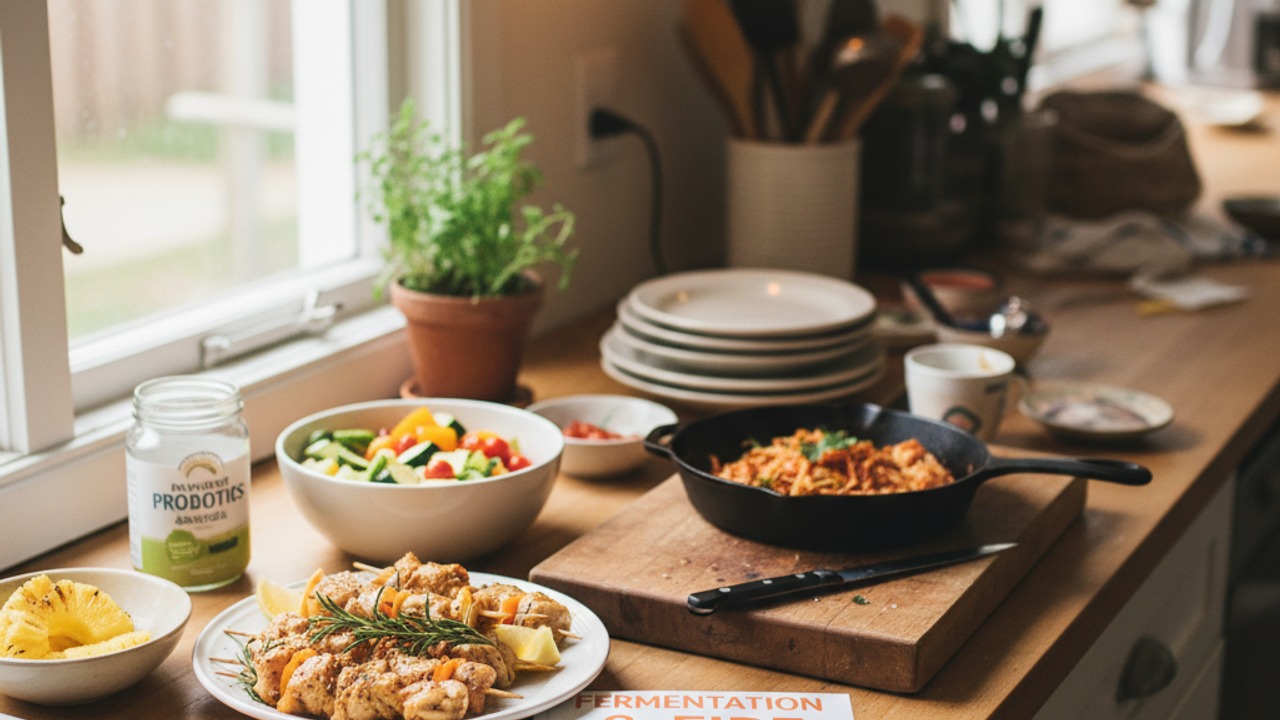
Gut-Friendly Grilling Trends
Build grill-forward menus that support your microbiome with smart ingredient choices, fermented finishes and gentle cooking techniques. This guide explains which **prebiotic** ingredients to spotlight, how to use **fermented condiments** safely, and low-heat or quick-sear tactics that preserve beneficial compounds while delivering big flavor.

Guides
Trending Small‑Space Grilling for 2026: Balcony, Rooftop & Apartment‑Friendly Setups, Safety Tips, and 10 Compact Recipes
Small-space grilling has matured: smarter, cleaner gear and smarter workflows let apartment dwellers grill with less fuss and fewer complaints. This guide covers what’s legal and effective in 2026, practical smoke-management and safety workflows, compact storage and multi-use tool choices, neighbor-friendly timing, permit basics, plus 10 tested site recipes optimized for tiny grills.
Guides
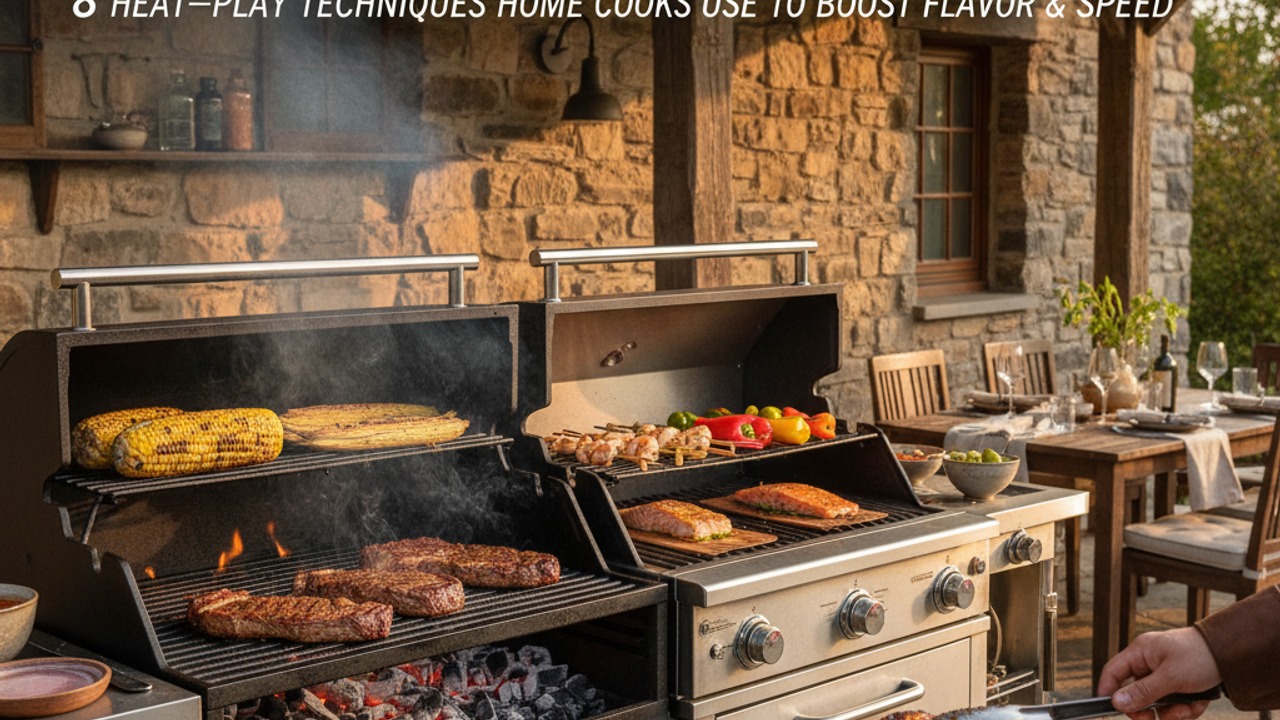
Trending Hybrid Grilling Methods for 2026: 8 Heat‑Play Techniques Home Cooks Use to Boost Flavor & Speed
Explore eight hybrid grilling techniques that combine heat sources, tools, and timing tricks to maximize flavor and speed. Practical guidance on what each method does best, ideal foods, equipment options, target temps, and troubleshooting so you can replicate these trends at home.
More from Dinner
View all Dinner recipes →
Classic Bacon Carbonara

Al Pastor Tacos

Jamaican Jerk Chicken Marinade for Smoking or Grilling

Air Fryer Chicken Sliders

Smoked Chicken Burger

Beer-Can Grilled Whole Chicken

Grilled Chicken with Chimichurri

Campfire‑Smoked Potato Salad with Mustard‑Bacon Vinaigrette — A Labor Day Grilling Side for Steak

30-Min Steak Grain Bowl with Chimichurri
Ask me anything about this recipe — substitutions, scaling, techniques, timing.
Powered by AI · 6 questions per 5 minutes, 30 per day