All Articles
Guides

Trending Hybrid Grilling Methods for 2026: 8 Heat‑Play Techniques Home Cooks Use to Boost Flavor & Speed

Explore eight hybrid grilling techniques that combine heat sources, tools, and timing tricks to maximize flavor and speed. Practical guidance on what each method does best, ideal foods, equipment options, target temps, and troubleshooting so you can replicate these trends at home.

July 23, 2026Editorially curated
Trending Hybrid Grilling Methods for 2026: 8 Heat‑Play Techniques Home Cooks Use to Boost Flavor & Speed

Why hybrid grilling is the 2026 grilling story

Why hybrid grilling is the 2026 grilling story

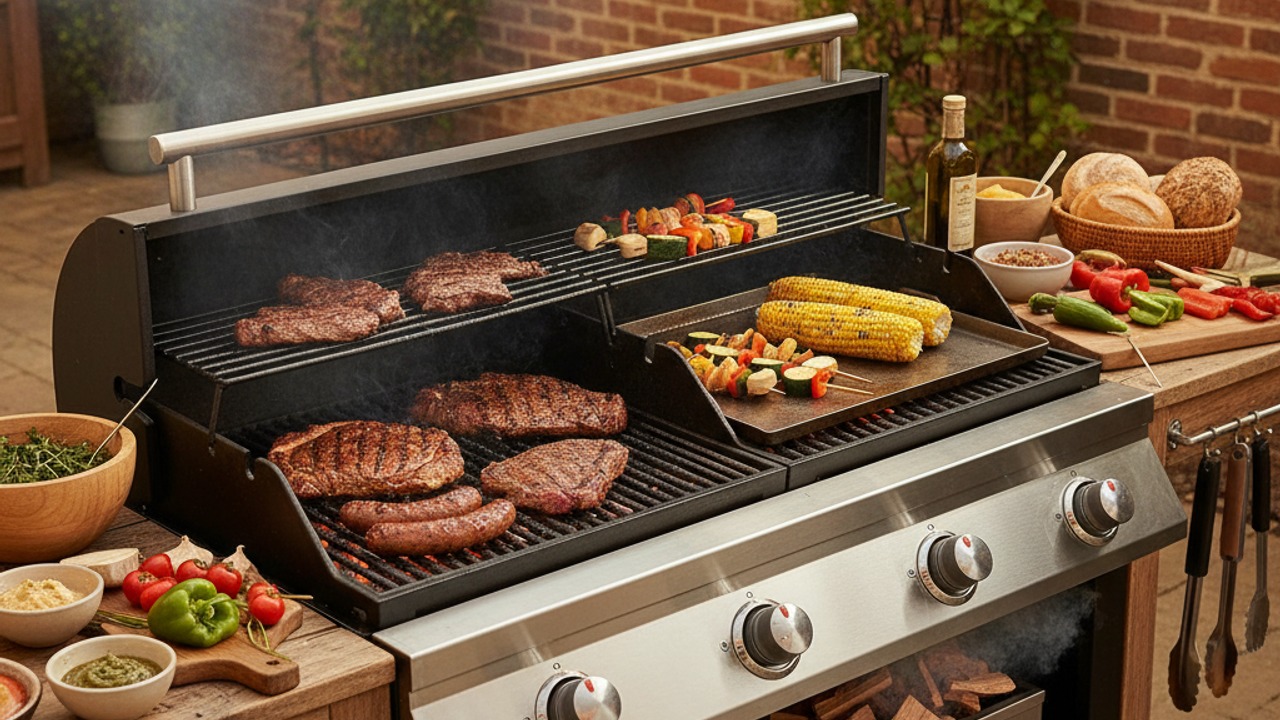
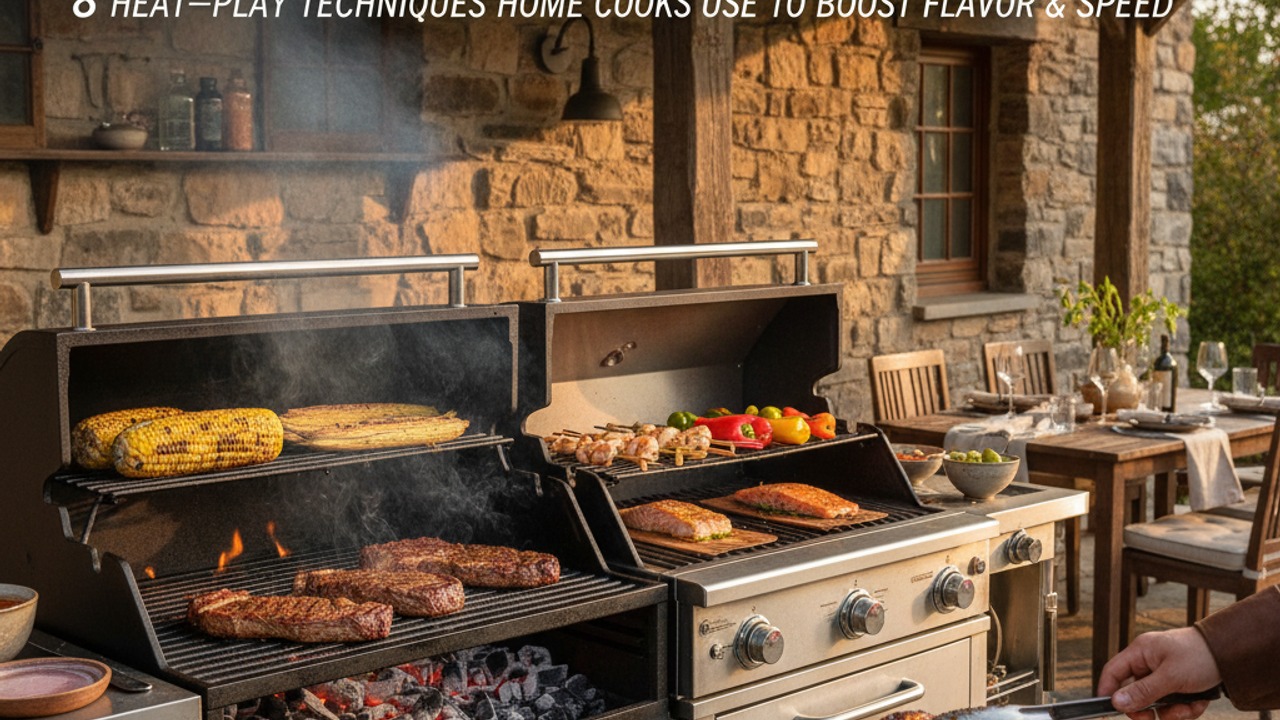
Grilling in 2026 isn't about choosing one school of heat — it's about blending approaches. Home cooks are pairing low-and-slow smoke with hair‑trigger high‑heat finishes, mixing wet-heat pre-cook methods with char, and using kitchen tools (sous‑vide, cast‑iron, planks) on the grill to get the best of both worlds: deep smoke or tender interior plus fierce crust and fast finish. Below are eight rising hybrid techniques with the what/why, best foods, equipment options, useful temperature targets, and troubleshooting tips so you can adapt them safely and confidently.

---

1) Smoke-first reverse‑sear (low-temp smoke → hot crust)

What it is: Start with gentle smoke to build flavor and bark, then finish at very high heat for a caramelized crust.

Best for: Steaks, ribeyes, striploins, bone‑in chops, large tenderloins.

Equipment: Pellet smoker, kamado or charcoal offset for low smoke; gas or charcoal grill/infrared sear for finish. Use a good instant‑read thermometer.

Targets: Smoke at 200–240°F until internal temp is ~15–20°F below final doneness; finish on a hot grate 500–700°F to develop crust. Final internal targets: steak medium‑rare 125–130°F pulled, rest to 130–135°F.

Troubleshooting:

  • If smoke flavor is too mild: use a denser smoking wood (oak, hickory) or increase smoke time but keep temp low to avoid drying.
  • If crust chars before interior is hot enough: raise sear source heat and shorten sear time, or reduce smoke time so less gap to final temp.

Pairing idea: For a contrasting course, try finishing smoky proteins alongside bright grilled fruit or a charred salad.

---

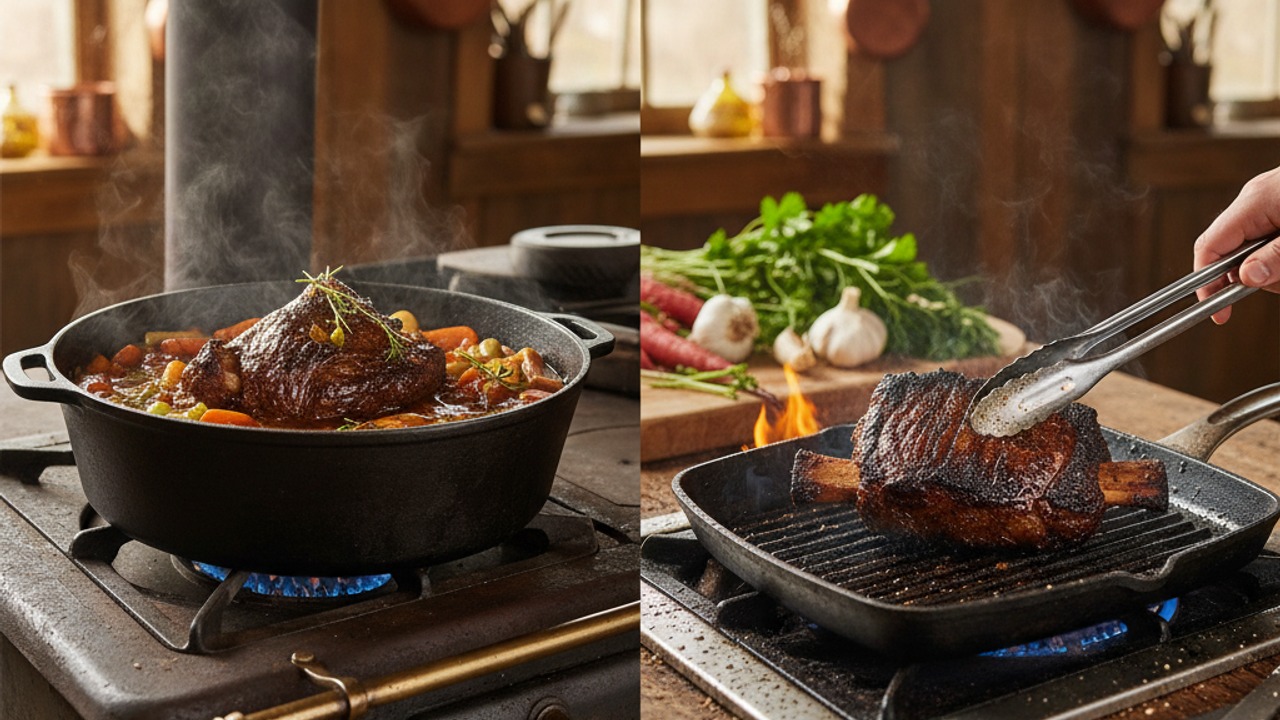
2) Low‑and‑slow then flash sear (long cook → quick char)

2) Low‑and‑slow then flash sear (long cook → quick char)

What it is: Extended gentle cook to break down collagen, followed by an intense flash sear to render fat and add texture.

Best for: Beef short ribs, pork shoulder pieces, thicker steaks, and pork tenderloin roasts.

Equipment: Charcoal or pellet smoker for the slow phase; hot charcoal bank, infrared burner, or cast‑iron for the sear.

Targets: Cook low at 225–275°F until connective tissue soft (ribs/pork shoulder reach pull temperatures); finish at 600–750°F briefly to crisp the exterior. For pork tenderloin aim for final 140–145°F.

Troubleshooting:

  • Tough interior after sear: the slow phase likely ended too early — extend the low‑temp phase until connective tissue yields.
  • Bitter burned exterior: sear time was too long or heat too close; sear hotter but faster.

Related reading: If you like finishing on planks and wood aromas, see Cedar-Plank Grilled Swordfish Steaks with Warm Olive-Tomato Tapenade and Charred Fennel-Orange Salad for inspiration on combining wood flavor and high‑heat finish for fish.

---

3) Parboil/par‑steam then char (wet pre-cook → direct char)

What it is: Partially cook in water/steam so interiors finish faster on the grill, then char for color and smoke.

Best for: Corn on the cob, potatoes, sausages, ribs (parboil short ribs before quick char), and root vegetables.

Equipment: Stovetop pot or kettle for parboil; grill for final sear/char.

Targets: Par‑cook to about 70–80% done depending on item; finish over 450–600°F for char and color.

Troubleshooting:

  • Mushy texture: par‑cook went too far. Cut parboil time back by 20–30% next time.
  • No char after grilling: raise grate temp and get food dry before direct contact (pat dry).

Snack pairing: Try charred fruit or salty bites like Grilled Prosciutto-Wrapped Figs with Honey-Goat Cheese, Balsamic Glaze & Toasted Pistachios for contrast.

---

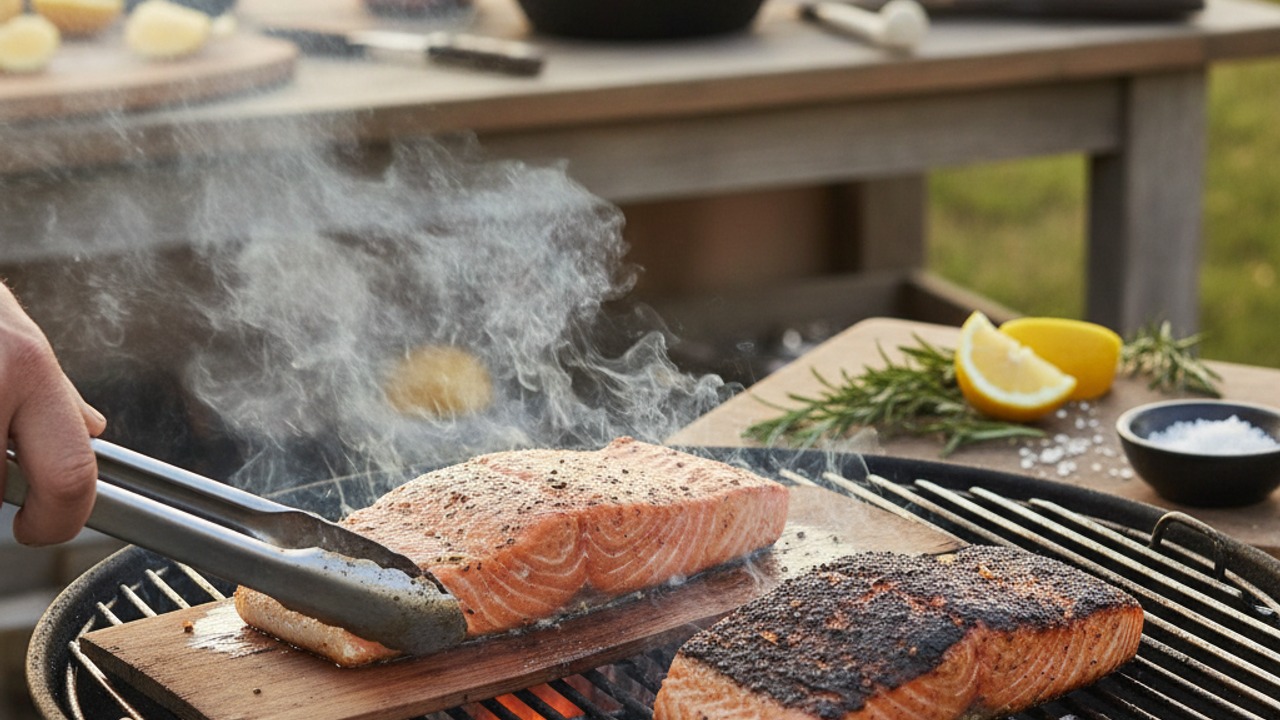
4) Plank + char hybrid (plank flavor with direct sear)

4) Plank + char hybrid (plank flavor with direct sear)

What it is: Wood plank imparts aromatics while the surface is finished over direct heat for crust and color.

Best for: Salmon, swordfish, trout, and steaks that tolerate plank contact.

Equipment: Soaked cedar/other hardwood plank, grill with both indirect and direct zones.

Targets: Preheat plank over indirect heat; finish by moving plank briefly over high direct heat to crisp edges. Fish final temps 125–140°F depending on preference.

Troubleshooting:

  • Plank catches fire: soak plank longer and keep it on indirect heat until finishing step; use a drip pan below.
  • Flavor too mild: try a different wood (alder for salmon, cedar for swordfish) and add a small rub of aromatics under the protein.

See a plank-forward fish recipe for ideas at Cedar-Plank Grilled Swordfish Steaks with Warm Olive-Tomato Tapenade and Charred Fennel-Orange Salad.

---

5) Sous‑vide → smoky/high sear (precision + char)

What it is: Gentle, precise cook in a water bath to perfect doneness, followed by smoke/light grill time and an aggressive sear for texture.

Best for: Steaks, pork chops, chicken breasts (especially if you want exact doneness), and fish you plan to finish with smoke.

Equipment: Sous‑vide circulator, vacuum bags or zip bags, grill or cast‑iron skillet for finish.

Targets: Sous‑vide temp = final desired internal temp (e.g., 129–131°F for medium‑rare steak), then smoke at low 200–225°F if desired, and sear at 600–700°F for crust.

Troubleshooting:

  • Soggy surface after vacuum: pat very dry before sear and let bags rest briefly.
  • Uneven crust: preheat sear surface thoroughly and apply high contact pressure (cast iron helps).

Pair with smoky sides like grilled vegetables or use quick pan sauces after finishing.

---

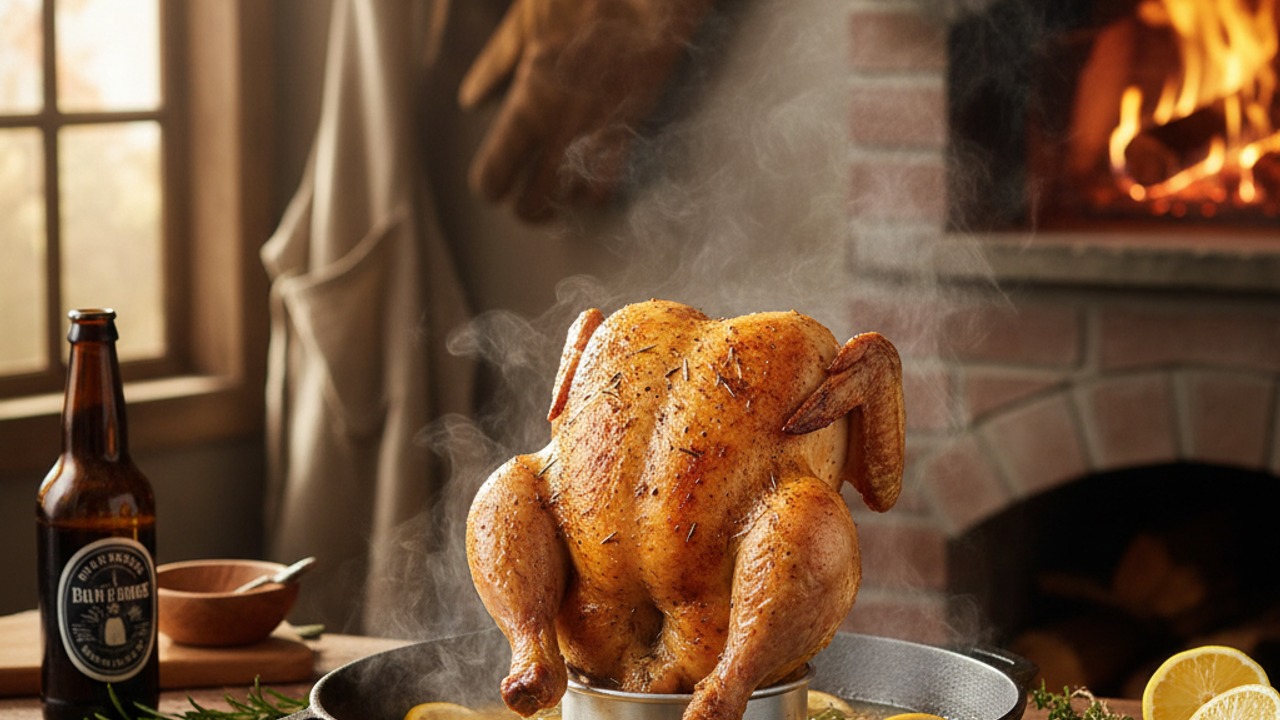
6) Beer‑can/steam spatchcock hybrid (steam then high‑heat roast)

6) Beer‑can/steam spatchcock hybrid (steam then high‑heat roast)

What it is: Introduce steam during the initial roast to keep white meat juicy, then crank heat for skin crispness.

Best for: Spatchcocked chicken, whole game hens.

Equipment: Grill with lid, small vessel or can for steam aromatics, probe thermometer.

Targets: Steam/roast phase 325–350°F to bring interior close to 150–155°F, then finish at 450–500°F to crisp skin to final 165°F.

Troubleshooting:

  • Skin not crisp: increase finish temp and minimize lid time during crisping.
  • Undercooked dark meat: extend low-temp phase until thigh reaches safe temps.

Recipe inspiration: For other whole-bird techniques and charred herb finishes, check our spatchcocked chicken feature, like "Spatchcocked Lemon-Garlic Grilled Chicken with Charred Gremolata and Crispy Grill-Potatoes."(/recipes/spatchcocked-lemon-garlic-grilled-chicken-charred-gremolata-crispy-grill-potatoes)

---

7) Cast‑iron griddle on grill (pan sear meets open flame)

What it is: Use a cast‑iron surface on the grill to create consistent contact heat for crusts while still absorbing smoke from the grill environment.

Best for: Breakfast pizza, burgers, vegetables, pan‑seared fish fillets.

Equipment: Heavy cast‑iron skillet or griddle, grill that reaches high temps, flattop or plancha optional.

Targets: Preheat skillet until very hot (use oil smoke points as guide); aim for surface temps 450–600°F for fast Maillard development.

Troubleshooting:

  • Food sticks: preheat longer and ensure pan is well seasoned; avoid moving until a crust forms.
  • Smoke overload: use refined oils with high smoke points and ventilate.

Try this approach for a wood‑fired breakfast pizza: Wood-Fired Grilled Breakfast Pizza with Crispy Pancetta, Sunny-Side Eggs & Arugula.

---

8) Smoke infusion + direct high‑heat char (smoking tubes & finish)

8) Smoke infusion + direct high‑heat char (smoking tubes & finish)

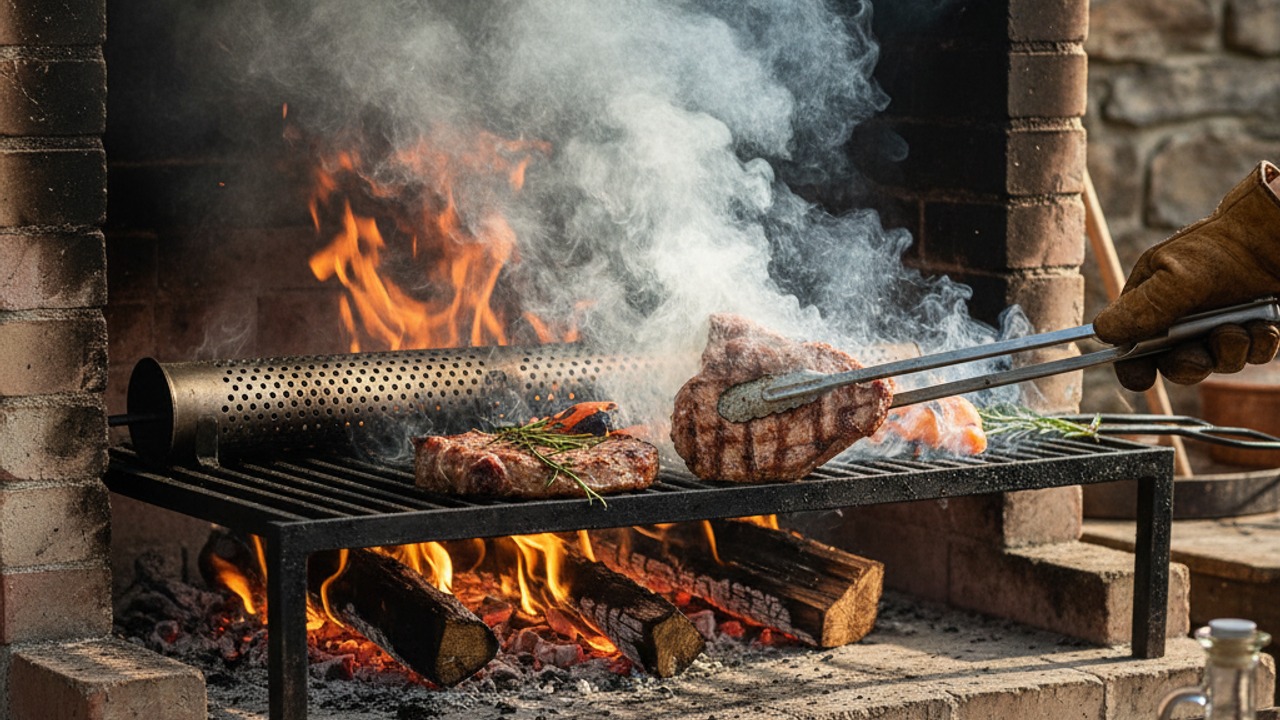
What it is: Add a concentrated burst of wood smoke (smoking tube, chip box, or wrapped foil packet) to a hot grill for big smoke flavor without long cooks, then char.

Best for: Thin steaks, seafood, vegetables, quick proteins that benefit from smoke but not hours of cook time.

Equipment: Gas or pellet grill, smoker tube or foil packet, wood chips.

Targets: Add smoke while grill is at finish temps 500–700°F; a brief 5–20 minute smoke infusion can be sufficient depending on intensity.

Troubleshooting:

  • Weak smoke flavor: use denser wood or increase contact time a bit, but watch for bitterness.
  • Bitter/ashy smoke: wood is too wet or smoldering at low temps—use proper chips or chunks and moderate airflow.

---

Final tips for success

  • Always use a calibrated probe thermometer — finishing by feel can undo hybrid techniques.
  • Dry surfaces before high‑heat contact for better crust.
  • Let cooked proteins rest; carryover heat evens internal temps.
  • Match wood intensity to protein: fruitwoods for delicate fish and pork, oak/hickory for beef and game.

Hybrid methods expand the grill’s vocabulary. Mix and match the techniques above: a short sous‑vide plus smoke infusion, or a parboil then plank finish — the key is controlling time, temperature, and moisture so you get both deep flavor and show‑stopping texture. Want specific plated examples and recipes that use these finishes? Try our cedar plank swordfish, breakfast pizza, or prosciutto‑wrapped figs for real‑world inspiration: Cedar-Plank Grilled Swordfish Steaks with Warm Olive-Tomato Tapenade and Charred Fennel-Orange Salad, Wood-Fired Grilled Breakfast Pizza with Crispy Pancetta, Sunny-Side Eggs & Arugula, and Grilled Prosciutto-Wrapped Figs with Honey-Goat Cheese, Balsamic Glaze & Toasted Pistachios.

Experiment carefully, keep notes, and you’ll be combining heat like a pro by season’s end.
Recipes in This Article

Overnight Oats Base with 5 Flavor Variations
Breakfast

Overnight Oats Base with 5 Flavor Variations

A versatile overnight oats master recipe you can prep in minutes for grab-and-go breakfasts. Make the simple base, then mix and match one of five quick flavor variations for a new breakfast every day.

370m Easy0View Recipe
Jamaican Jerk Chicken Marinade for Smoking or Grilling
Dinner

Jamaican Jerk Chicken Marinade for Smoking or Grilling

A bold, authentic Jamaican jerk chicken marinade tailored for smoking or grilling. Built around traditional pimento (allspice), Scotch bonnet heat, thyme and brown sugar, this recipe shows how to marinate and smoke chicken with alder or hickory for a deep, balanced Caribbean flavor.

350m Medium0View Recipe
Grilled Prosciutto-Wrapped Figs with Honey-Goat Cheese, Balsamic Glaze & Toasted Pistachios
Grilling

Grilled Prosciutto-Wrapped Figs with Honey-Goat Cheese, Balsamic Glaze & Toasted Pistachios

Sweet fresh figs are halved, filled with a honey-whisked goat cheese, wrapped in delicate prosciutto and grilled until caramelized. Finished with a charred balsamic glaze and crunchy toasted pistachios, these make an elegant summer appetizer or party finger food.

26m Easy0View Recipe
Cedar-Plank Grilled Swordfish Steaks with Warm Olive-Tomato Tapenade and Charred Fennel-Orange Salad
Grilling

Cedar-Plank Grilled Swordfish Steaks with Warm Olive-Tomato Tapenade and Charred Fennel-Orange Salad

Thick swordfish steaks are marinated, grilled on a soaked cedar plank for a gentle smoky crust, and finished with a warm olive‑tomato tapenade. A bright charred fennel‑orange salad provides crisp, citrus contrast for a balanced, restaurant‑style grill dinner.

50m Medium0View Recipe
Classic Lemon-Herb Chicken Marinade for Grilling
Dinner

Classic Lemon-Herb Chicken Marinade for Grilling

A bright, quick lemon-herb marinade that adds zesty citrus and fresh herb flavor to grilled chicken. Ready in under an hour, it’s perfect for weeknight grilling or a sunny weekend barbecue.

42m Easy0View Recipe
Reverse-Sear Prime Rib Roast with Garlic-Herb Butter and Pan Jus
Baking

Reverse-Sear Prime Rib Roast with Garlic-Herb Butter and Pan Jus

A luxurious, oven-focused prime rib using the reverse-sear method for even, edge-to-edge medium-rare and a deeply flavored crust. Finished with a garlic-herb butter and a simple red wine pan jus, this roast is a holiday centerpiece that delivers reliably every time.

240m Medium0View Recipe
Breakfast Crispy Sweet Potato Home Fries Skillet with Chorizo and Fried Eggs
Breakfast

Breakfast Crispy Sweet Potato Home Fries Skillet with Chorizo and Fried Eggs

A hearty breakfast skillet of crispy sweet potato home fries tossed with spicy Spanish chorizo, sweet bell pepper and onion, finished with sunny-side eggs. Fast to pull together and perfect for sharing—crispy edges, bold savory flavor, and runny yolks to drizzle over everything.

35m Medium0View Recipe
No-Knead Artisan Bread (Easy Home Loaf)
Baking

No-Knead Artisan Bread (Easy Home Loaf)

A reliable, hands-off no-knead artisan loaf that yields a crisp crust and open, chewy crumb with minimal effort. Perfect for everyday baking — mix, wait, shape, and bake for bakery-style bread at home.

785m Easy0View Recipe
Crispy Lemon-Rosemary Baked Chicken Thighs (High-Heat Roast Technique)
Baking

Crispy Lemon-Rosemary Baked Chicken Thighs (High-Heat Roast Technique)

Crispy Lemon-Rosemary Baked Chicken Thighs use a high-heat roasting technique to deliver reliably crackling skin and juicy meat. Bright lemon and fragrant rosemary elevate the savory crust for an easy, restaurant-style weeknight centerpiece.

50m Easy0View Recipe
Spatchcocked Lemon-Garlic Grilled Chicken with Charred Gremolata and Crispy Grill-Potatoes
Grilling

Spatchcocked Lemon-Garlic Grilled Chicken with Charred Gremolata and Crispy Grill-Potatoes

A weeknight-to-weekend grilled whole chicken, spatchcocked for fast, even cooking and finished with a bright charred lemon-garlic gremolata. Served with smoky, crispy grill-potatoes that cook on the grill for an all-in-one summer dinner.

85m Medium0View Recipe

Comments

Leave a comment

0/2000

No comments yet — be the first to share your thoughts.