Reverse-Sear Prime Rib Roast with Garlic-Herb Butter and Pan Jus
A luxurious, oven-focused prime rib using the reverse-sear method for even, edge-to-edge medium-rare and a deeply flavored crust. Finished with a garlic-herb butter and a simple red wine pan jus, this roast is a holiday centerpiece that delivers reliably every time.
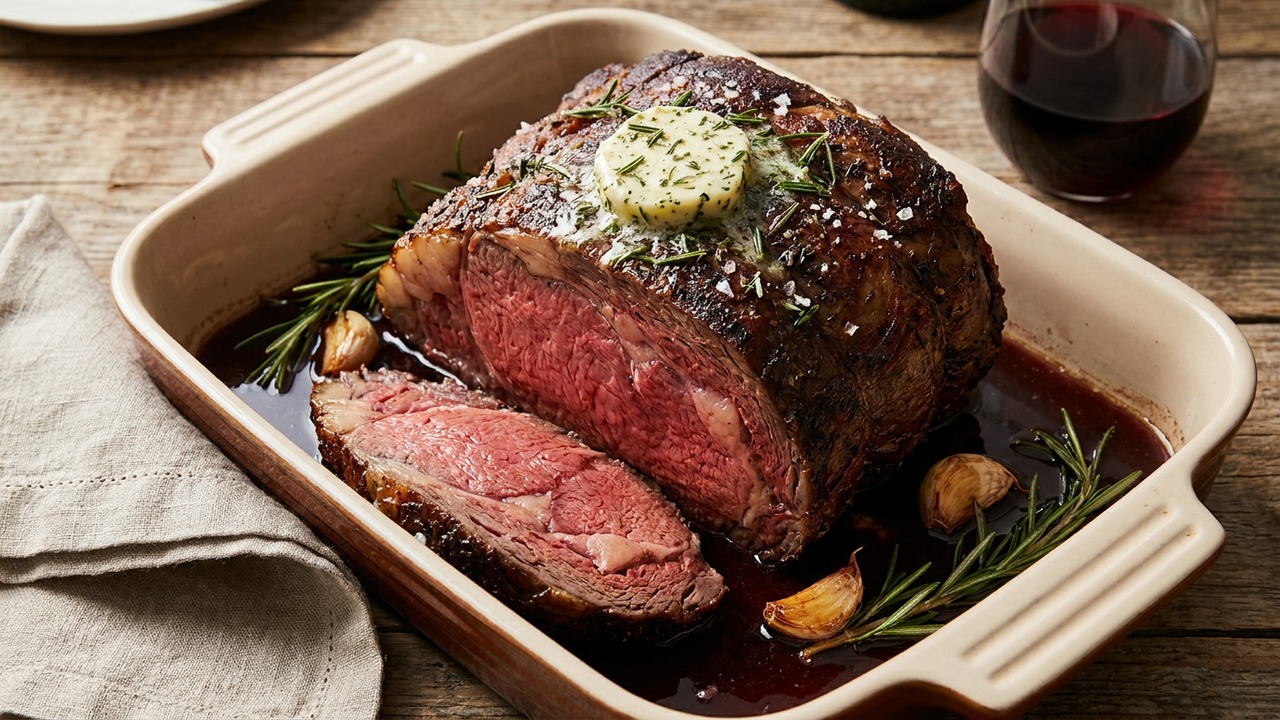
Jake Woods's note
"This reverse-sear prime rib shines at special occasions and winter gatherings — it’s forgiving, oven-focused, and yields a perfectly even doneness with a dramatic crust. Home cooks will love how the make-ahead dry brine and garlic-herb butter simplify finishing."
About This Recipe
This prime rib is built around patience: a low-and-slow roast that brings the internal temperature up evenly, followed by a high-heat finish for a deeply caramelized, savory crust. The reverse-sear method turns a large cut that can sometimes feel intimidating into a predictable centerpiece — the inside stays uniformly rosy while the exterior develops that much-desired mahogany crust. The garlic-herb butter adds an immediate hit of aromatic garlic and fresh rosemary-thyme brightness, while the pan jus — trimmed and reduced with red wine and beef stock — ties the whole plate together with glossy, savory acidity.
What makes this version work is the layering of simple, focused steps: a short dry-brine for concentration and texture, a slow roast to minimize grey bands, and an aggressive sear to develop complex Maillard flavors. It’s ideal for hosts who want to relax during the big moment (the oven does most of the work) but still produce a restaurant-quality roast. If you favor a show-stopping, deeply flavored roast with clean, sliceable medallions of medium-rare, this recipe delivers each time.
Ingredients for Reverse-Sear Prime Rib Roast with Garlic-Herb Butter and Pan Jus
- 6 lb Prime rib roast (bone-in or boneless)
- 2 tbsp Kosher salt
- 1 tbsp Freshly ground black pepper
- 1/2 cup Unsalted butter (softened)
- 4 cloves Garlic cloves (minced)
- 2 tbsp Fresh rosemary (finely chopped)
- 2 tbsp Fresh thyme (leaves, chopped)
- 2 tbsp Olive oil
- 1/2 cup Dry red wine
- 1 1/2 cups Low-sodium beef stock
How to Make Reverse-Sear Prime Rib Roast with Garlic-Herb Butter and Pan Jus
Step 1: Dry-brine and season the roast
Pat the prime rib dry and place on a rack set over a rimmed sheet. Rub the entire surface generously with kosher salt and freshly ground black pepper; for best flavor and texture, refrigerate uncovered for at least 4 hours or up to overnight to dry-brine the exterior and concentrate the flavors.For this step
- 6 lbPrime rib roast (bone-in or boneless)
- 2 tbspKosher salt
- 1 tbspFreshly ground black pepper
Step 2: Make the garlic-herb butter
In a small bowl, combine the softened unsalted butter with minced garlic, chopped rosemary, and thyme until smooth. Refrigerate the compound butter until needed; reserve a tablespoon or two at room temperature to baste during the final sear if desired.For this step
- 1/2 cupUnsalted butter (softened)
- 4 clovesGarlic cloves (minced)
- 2 tbspFresh rosemary (finely chopped)
- 2 tbspFresh thyme (leaves, chopped)
Step 3: Slow-roast the prime rib (reverse roast)
Bring the salted roast to room temperature for 1 hour, then place it on a rack in a roasting pan and roast in a 250°F (120°C) oven. Insert a probe thermometer and roast until the internal temperature reaches 110–115°F (43–46°C) for medium-rare (this will take roughly 2.5–3.5 hours for a 6 lb roast); remove and tent with foil to rest while you prepare to sear.Step 4: Sear and finish with garlic-herb butter
Heat a large cast-iron skillet or heavy roaster over high heat with the olive oil until shimmering. Sear the roast on all sides until a deep brown crust forms (2–3 minutes per side), then add slices of the garlic-herb butter to the pan and spoon the melted butter over the roast to glaze and finish cooking to a final internal temp of 120–125°F (49–52°C) for perfect medium-rare.For this step
- 2 tbspOlive oil
Step 5: Make the pan jus
Transfer the rested roast to a cutting board and deglaze the hot skillet with the red wine, scraping up browned bits. Reduce by half, then add the beef stock and simmer until slightly reduced and glossy (about 8–12 minutes); strain if desired and whisk in a small knob of the reserved herb butter for shine and richer flavor.For this step
- 1/2 cupDry red wine
- 1 1/2 cupsLow-sodium beef stock
Step 6: Carve and serve
Slice the prime rib against the grain into thick slices, arrange on a warmed platter, and spoon pan jus alongside. Serve immediately so each guest enjoys the juicy interior and garlicky crust.


- Pat the prime rib dry and place on a rack set over a rimmed sheet. Rub the entire surface generously with kosher salt and freshly ground black pepper; for best flavor and texture, refrigerate uncovered for at least 4 hours or up to overnight to dry-brine the exterior and concentrate the flavors.
- In a small bowl, combine the softened unsalted butter with minced garlic, chopped rosemary, and thyme until smooth. Refrigerate the compound butter until needed; reserve a tablespoon or two at room temperature to baste during the final sear if desired.
- Bring the salted roast to room temperature for 1 hour, then place it on a rack in a roasting pan and roast in a 250°F (120°C) oven. Insert a probe thermometer and roast until the internal temperature reaches 110–115°F (43–46°C) for medium-rare (this will take roughly 2.5–3.5 hours for a 6 lb roast); remove and tent with foil to rest while you prepare to sear.
- Heat a large cast-iron skillet or heavy roaster over high heat with the olive oil until shimmering. Sear the roast on all sides until a deep brown crust forms (2–3 minutes per side), then add slices of the garlic-herb butter to the pan and spoon the melted butter over the roast to glaze and finish cooking to a final internal temp of 120–125°F (49–52°C) for perfect medium-rare.
- Transfer the rested roast to a cutting board and deglaze the hot skillet with the red wine, scraping up browned bits. Reduce by half, then add the beef stock and simmer until slightly reduced and glossy (about 8–12 minutes); strain if desired and whisk in a small knob of the reserved herb butter for shine and richer flavor.
- Slice the prime rib against the grain into thick slices, arrange on a warmed platter, and spoon pan jus alongside. Serve immediately so each guest enjoys the juicy interior and garlicky crust.
Reverse-Sear Prime Rib Roast with Garlic-Herb Butter and Pan Jus Tips
Salt early, dry well
Rub the salt on generously and refrigerate uncovered so the surface dries; this concentrates flavor and helps the crust brown during the sear.
Place thermometer correctly
Insert the probe into the center of the thickest part of the roast, avoiding contact with the bone, for an accurate read of the meat’s true temperature.
Respect carryover cooking
Remove the roast a few degrees below target (110–115°F before searing) because the high-heat sear and resting will raise the internal temp several degrees more.
Sear in batches
If your roast is large, rotate sides and use tongs to keep the pan hot; don’t overcrowd the skillet or you’ll steam instead of sear.
Use butter for finish
Add slices of the garlic-herb butter toward the end of the sear and baste constantly to build a glossy, flavored crust without burning the garlic.
Reverse-Sear Prime Rib Roast with Garlic-Herb Butter and Pan Jus Variations and Substitutions
Mustard and spice crust
Brush the roast with Dijon mustard before applying salt and pepper, then press in crushed black peppercorns and garlic powder for a piquant crust that complements the jus.
Herb swap: tarragon-parsley
Replace rosemary and thyme with tarragon and flat-leaf parsley for a brighter, slightly anise-forward butter that pairs well with lighter red wines.
Bone-in conversion advice
If using a bone-in prime rib, roast to the same internal temperature but expect slightly longer cook time; leave the bones intact during searing to help protect the meat and add flavor.
Dairy-free option
Make a compound 'butter' with extra-virgin olive oil, minced garlic, and chopped herbs, spooning it over the roast during the sear for similar richness without dairy.
How to Store and Make Reverse-Sear Prime Rib Roast with Garlic-Herb Butter and Pan Jus Ahead
Slice leftovers against the grain and refrigerate in an airtight container for up to 3–4 days; store the pan jus separately to prevent the meat from sogging. For longer storage, freeze sliced beef and sauce for up to 3 months — wrap tightly in plastic first to avoid freezer burn. Reheat gently: place slices in a 250°F oven covered with foil until just warmed through, or rewarm sous-vide at 130°F for even reheating without overcooking.
What to Serve With Reverse-Sear Prime Rib Roast with Garlic-Herb Butter and Pan Jus
Serve thick slices with a spoonful of warm pan jus and an optional dollop of horseradish cream for contrast; roasted root vegetables and a creamy potato gratin pair beautifully with the roast’s richness. For wine, choose a structured red such as Cabernet Sauvignon, Bordeaux blend, or a mature Syrah; if you prefer beer, opt for a malty Belgian dubbel or robust porter.
Reverse-Sear Prime Rib Roast with Garlic-Herb Butter and Pan Jus FAQs
Bone-in or boneless: which should I choose?
Both work well; bone-in often delivers slightly better flavor and insulation but can take a bit longer to roast. Boneless is easier to carve and more predictable for uniform slices.
How do I adjust cooking time for a larger roast?
Use the internal temperature rather than clock time as your guide; a larger roast will take longer in the low oven — plan for roughly 25–30 minutes per pound at 250°F but monitor with a probe for accuracy.
Can I skip the dry-brine if I'm short on time?
You can, but you’ll sacrifice some depth of flavor and a drier surface for a better sear; if skipping, salt the roast at least 30–60 minutes before roasting and blot the surface dry before it goes into the oven.
What are the target temperatures for doneness?
For this reverse-sear approach aim to remove the roast from the low oven at 110–115°F and finish searing to 120–125°F for a consistent medium-rare once rested; adjust a few degrees up or down for rarer or more done preferences.
Do I need to strain the pan jus?
Straining is optional but recommended if you want a silky-smooth jus; if you prefer a more rustic sauce, leave the fond and small bits for extra texture and flavor.
What's the best way to carve prime rib?
Let the roast rest 15–20 minutes, then slice against the grain into uniform thick slices using a long, sharp slicing knife; if bone-in, trim along the bone first and then cut between bones for neat portions.
About the author
Jake WoodsHello, I'm Jake. I started this recipe site with the idea that I hated recipe websites that overwhelm you with long stories and ads just to see plain content that's not helpful. My goal is to provide you with quality recipes, simple ideas and a fun cooking experience. There's lots of fun things to cook, and I think as you browse the site you'll find that TopShelf.Recipes is the place for quality recipes on the web.
See all recipes by Jake Woods →Ratings & Reviews
Did you make this recipe?
Be the first to share your experience.
Nutrition Facts
Per serving: 1 serving — bone-in option
Nutrition values are estimated from USDA ingredient data and may vary based on preparation, brands, and portion sizes. Values are provided for informational purposes only.
Keep Reading
Guides & articles for this recipe
Guides
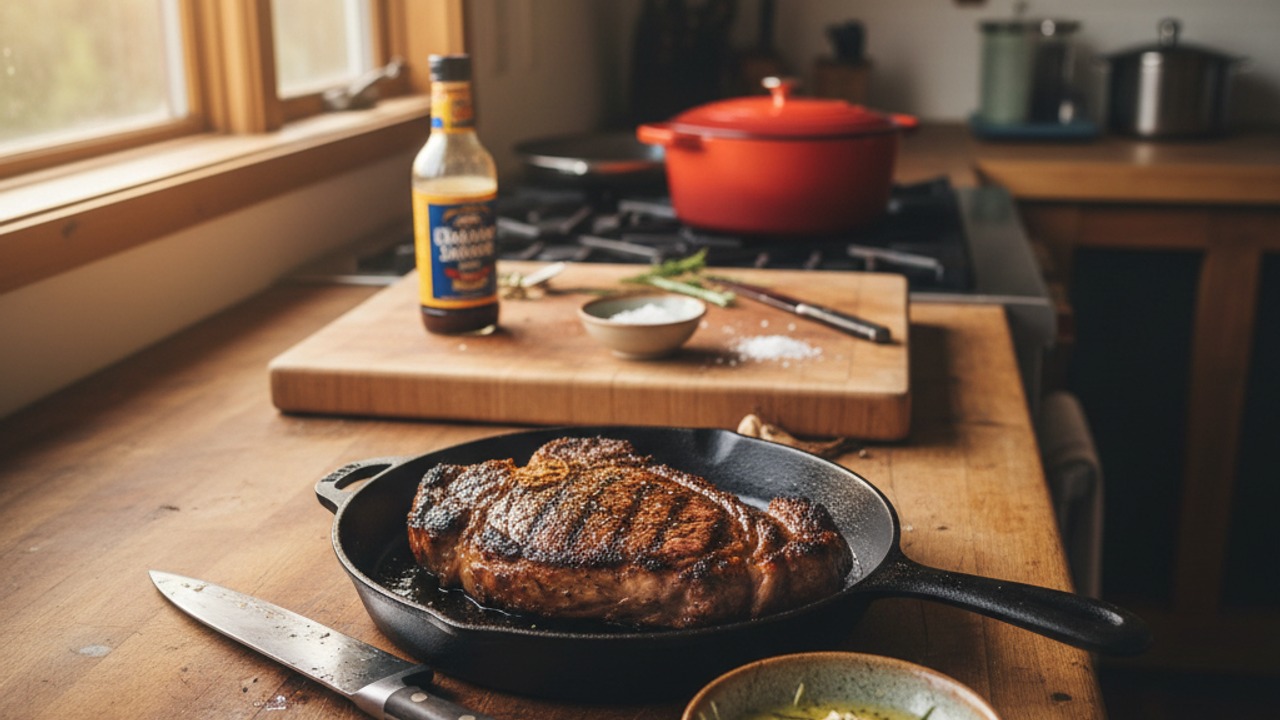
Trending Labor Day Steak Finishes
A practical late‑summer guide for hosts who want restaurant‑quality steaks over Labor Day weekend. Learn modern quick reverse‑sear and high‑heat sear approaches, five crowd‑pleasing compound butters and sauces, plus timing and scaling tactics to serve perfectly rested steaks to a crowd.
Guides
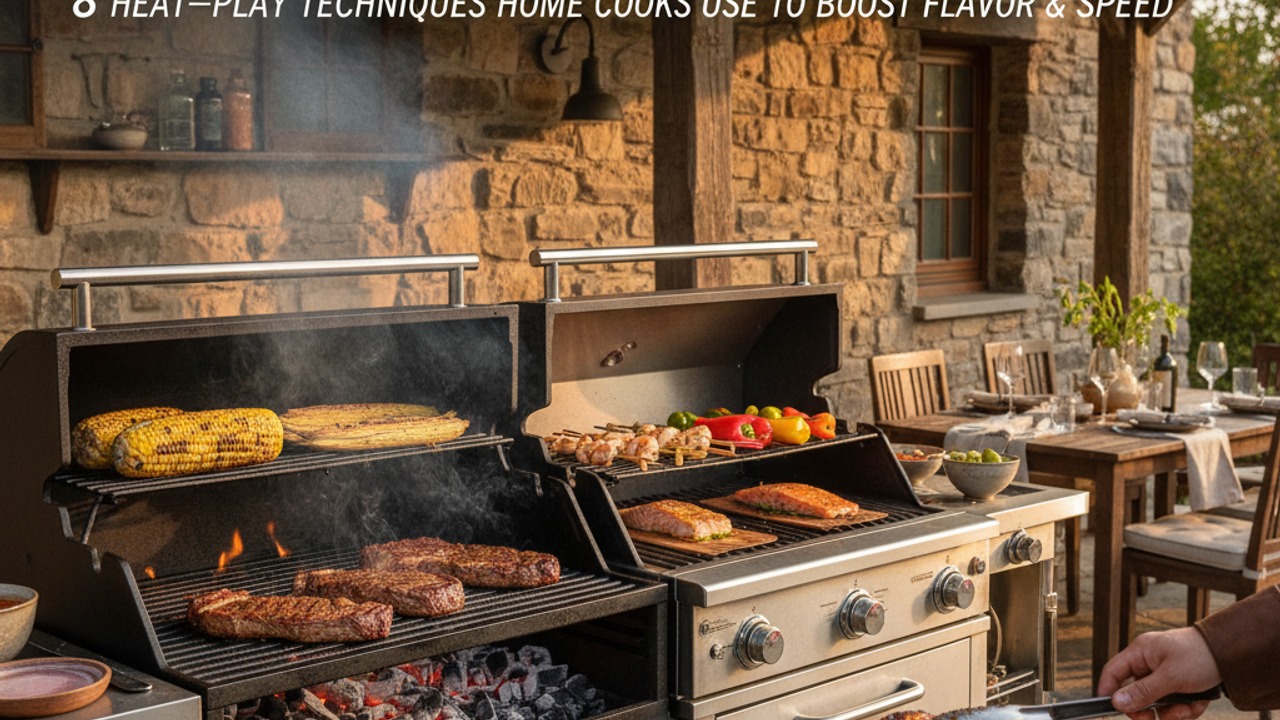
Trending Hybrid Grilling Methods for 2026: 8 Heat‑Play Techniques Home Cooks Use to Boost Flavor & Speed
Explore eight hybrid grilling techniques that combine heat sources, tools, and timing tricks to maximize flavor and speed. Practical guidance on what each method does best, ideal foods, equipment options, target temps, and troubleshooting so you can replicate these trends at home.
Tips & Techniques
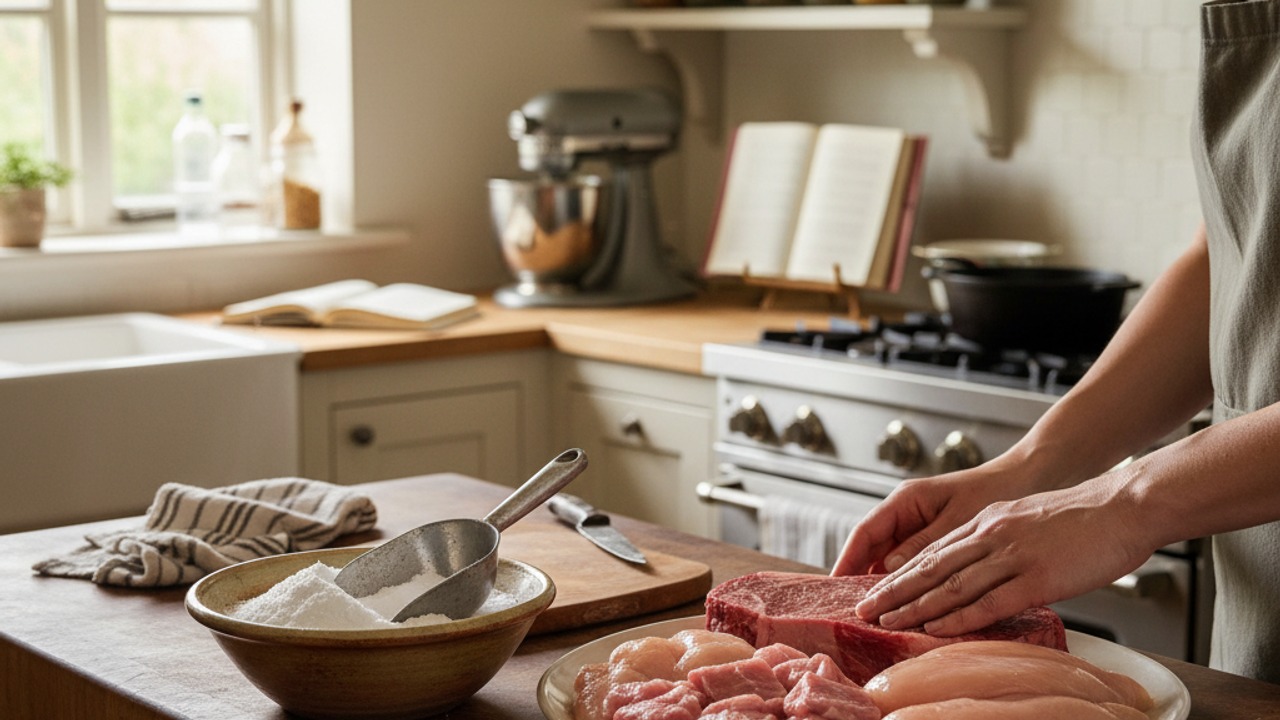
Baking Soda and Tenderized Beef
Learn how baking soda can tenderize, boost browning, and improve moisture for ground beef and other meats. This practical guide covers the science, step-by-step techniques, common mistakes, and recipes to try.
More from Baking
View all Baking recipes →
Cloud Bread Sandwiches

Honey Mustard Chicken Nuggets

Cheddar Jalapeño Corn Muffins

Basque Burnt Cheesecake

30-Minute Sticky Baked Honey Garlic Chicken Thighs with Crisp Edges

Lemon Butter Salmon

Spritz Cookies

Brown Butter Vanilla Syrup

Honey Glazed Easter Ham
Ask me anything about this recipe — substitutions, scaling, techniques, timing.
Powered by AI · 6 questions per 5 minutes, 30 per day