Jamaican Jerk Chicken Marinade for Smoking or Grilling
A bold, authentic Jamaican jerk chicken marinade tailored for smoking or grilling. Built around traditional pimento (allspice), Scotch bonnet heat, thyme and brown sugar, this recipe shows how to marinate and smoke chicken with alder or hickory for a deep, balanced Caribbean flavor.
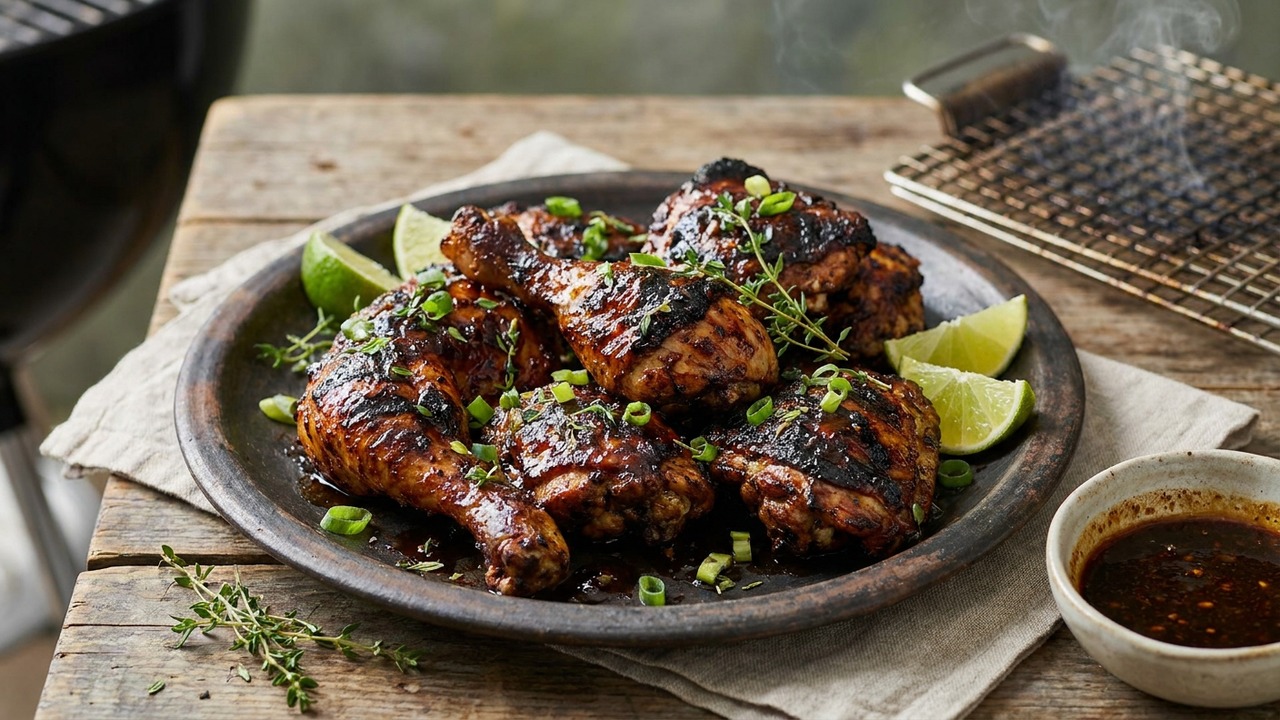
About This Recipe
This jerk chicken marinade leans into the elements that make classic Jamaican cooking so addictive: pimento (ground allspice) for warm, resinous backbone; Scotch bonnet for authentic, fruity heat; plenty of thyme and brown sugar to knit together sweet, herbal, and savory notes. It’s deliberately a coarse purée—chunky scallion and garlic pieces help the marinade cling to skin and tuck under the skin’s edge, so the flavors penetrate the meat as it smokes. Using bone-in, skin-on thighs and drumsticks gives you richer texture and a meatier chew that stands up to low, smoky cooking and the eventual high-heat finish that produces lacquered, caramelized skin.
What makes this version work for both smoking and grilling is the balance of smoke and spice: alder or hickory lend a clean, slightly sweet smoke that complements pimento and brown sugar without smothering them, and the smoking schedule (low and slow, then a quick blast of heat) builds flavor in layers—infusing the meat, reducing the marinade into a glossy exterior, then crisping it. It’s a recipe for weekend smokers and adventurous grillers who want bold Caribbean flavor without ambiguity, and it’s forgiving enough to adjust the Scotch bonnet level to your guests’ heat tolerance.
Ingredients for Jamaican Jerk Chicken Marinade for Smoking or Grilling
- 3 lb Bone-in, skin-on chicken pieces (thighs and drumsticks recommended)
- 4 stalks Green onions (scallions), roughly chopped
- 1 whole Scotch bonnet or habanero pepper, seeded for less heat (adjust to taste)
- 4 cloves Garlic cloves
- 1 tbsp Fresh ginger, peeled and chopped
- 2 tbsp Light brown sugar, packed
- 1 1/2 tsp Ground allspice (pimento)
- 2 tbsp Fresh thyme leaves, packed (or 1 tsp dried)
- 1 1/2 tsp Kosher salt
- 2 cups Alder or hickory wood chips, soaked 30 minutes
How to Make Jamaican Jerk Chicken Marinade for Smoking or Grilling
Step 1: Make the jerk marinade
Combine the scallions, Scotch bonnet (start with one and add more to taste), garlic, ginger, brown sugar, ground allspice, thyme and kosher salt in a blender or food processor. Pulse while adding 2–3 tablespoons of water (or a splash of light oil if preferred) until you have a coarse purée that clings together; scrape down the sides and taste for heat and salt, adjusting if needed.For this step
- 4 stalksGreen onions (scallions), roughly chopped
- 1 wholeScotch bonnet or habanero pepper, seeded for less heat (adjust to taste)
- 4 clovesGarlic cloves
- 1 tbspFresh ginger, peeled and chopped
- 2 tbspLight brown sugar, packed
- 1 1/2 tspGround allspice (pimento)
- 2 tbspFresh thyme leaves, packed (or 1 tsp dried)
- 1 1/2 tspKosher salt
Step 2: Marinate the chicken
Pat the chicken pieces dry and transfer to a large bowl or zip-top bag. Massage or toss the chicken with the marinade so each piece is well coated, then cover and refrigerate for at least 4 hours and up to 24 hours to allow flavors to penetrate.For this step
- 3 lbBone-in, skin-on chicken pieces (thighs and drumsticks recommended)
Step 3: Prepare your smoker and wood
Soak alder or hickory wood chips for 30 minutes if using a charcoal or gas smoker that uses chips, or load chunks/chips as appropriate for your unit. Preheat the smoker to a steady 225–250°F (107–121°C) and set for indirect smoking. Aim for moderate smoke—heavy, acrid smoke will overpower the spices—so maintain thin, blue smoke.For this step
- 2 cupsAlder or hickory wood chips, soaked 30 minutes
Step 4: Smoke the chicken low and slow
Place the marinated chicken skin-side up on the smoker grates, leaving space between pieces for even smoke circulation. Smoke until the thickest part of the chicken reaches 160°F (71°C), about 60–90 minutes depending on piece size, spritzing lightly with water or citrus every 25–30 minutes if you want to keep it moist and help build a sticky exterior.Step 5: Finish for char and carryover
Optional: move the chicken to a hotter zone of the grill or raise the smoker temp to 375–400°F (190–205°C) for 5–8 minutes to crisp the skin and add char; otherwise let the chicken rest on the smoker until 165°F (74°C) final internal temp after carryover. Remove the chicken when it hits 165°F and tent loosely with foil for 8–10 minutes to let juices redistribute.Step 6: Serve and garnish
Serve the smoked jerk chicken with lime wedges, extra chopped scallions and a simple slaw or rice and peas to balance the heat. Advise guests to taste a small piece first—Scotch bonnet heat can be potent—and offer cooling sides like yogurt-based slaw or avocado.


- Combine the scallions, Scotch bonnet (start with one and add more to taste), garlic, ginger, brown sugar, ground allspice, thyme and kosher salt in a blender or food processor. Pulse while adding 2–3 tablespoons of water (or a splash of light oil if preferred) until you have a coarse purée that clings together; scrape down the sides and taste for heat and salt, adjusting if needed.
- Pat the chicken pieces dry and transfer to a large bowl or zip-top bag. Massage or toss the chicken with the marinade so each piece is well coated, then cover and refrigerate for at least 4 hours and up to 24 hours to allow flavors to penetrate.
- Soak alder or hickory wood chips for 30 minutes if using a charcoal or gas smoker that uses chips, or load chunks/chips as appropriate for your unit. Preheat the smoker to a steady 225–250°F (107–121°C) and set for indirect smoking. Aim for moderate smoke—heavy, acrid smoke will overpower the spices—so maintain thin, blue smoke.
- Place the marinated chicken skin-side up on the smoker grates, leaving space between pieces for even smoke circulation. Smoke until the thickest part of the chicken reaches 160°F (71°C), about 60–90 minutes depending on piece size, spritzing lightly with water or citrus every 25–30 minutes if you want to keep it moist and help build a sticky exterior.
- Optional: move the chicken to a hotter zone of the grill or raise the smoker temp to 375–400°F (190–205°C) for 5–8 minutes to crisp the skin and add char; otherwise let the chicken rest on the smoker until 165°F (74°C) final internal temp after carryover. Remove the chicken when it hits 165°F and tent loosely with foil for 8–10 minutes to let juices redistribute.
- Serve the smoked jerk chicken with lime wedges, extra chopped scallions and a simple slaw or rice and peas to balance the heat. Advise guests to taste a small piece first—Scotch bonnet heat can be potent—and offer cooling sides like yogurt-based slaw or avocado.
Jamaican Jerk Chicken Marinade for Smoking or Grilling Tips
Seed the Scotch Bonnet
Remove the ribs and seeds if you want a milder, fruitier heat—remember capsaicin concentrates in the veins and seeds so this is the quickest way to dial burn down.
Massage Under Skin
Loosen the skin at the top of each thigh and push some marinade underneath to flavor the meat directly and protect it from drying during smoking.
Thin the Marinade Slightly
Add 2–3 tablespoons of water or light oil while pulsing so the paste can penetrate crevices; too thick and it will mostly sit on the surface and burn.
Control Smoke Intensity
Aim for thin, blue smoke and avoid heavy white smoke; heavy smoke tastes bitter and will overpower the pimento and brown sugar balance.
Target Internal Temperatures
Pull the chicken from the smoker when the thickest part reaches 160°F and let carryover bring it to 165°F while tented; this avoids drying the meat.
Spritz for Stickiness
Lightly spritz with citrus or water every 25–30 minutes to help build a sticky, lacquered exterior and to keep the skin from drying during long smokes.
Jamaican Jerk Chicken Marinade for Smoking or Grilling Variations and Substitutions
Mild Jerk
Use a small jalapeño or omit the seeds of the Scotch bonnet altogether and increase ginger and thyme to keep the aromatic profile while softening heat.
Citrus-Herb Twist
Add the zest and juice of one lime to the marinade for brighter acidity that cuts through the brown sugar and enhances smoke; reduce the water slightly to maintain paste consistency.
Gluten-Free Swap
Everything in this marinade is naturally gluten-free—just be sure any brown sugar or processed spices you buy are certified gluten-free if cross-contamination is a concern.
Boneless Option
For faster cooking, use bone-in breasts or boneless thighs, but reduce smoking time and finish carefully to avoid drying; boneless pieces will need only 30–45 minutes at low temp plus a shorter crisping blast.
Oven-Roasted Alternative
If you don't have a smoker, roast at 325°F on a wire rack with a handful of smoked paprika in the marinade and a tray of smoking wood chips in a foil pouch on the coals of a gas grill to simulate smoke.
How to Store and Make Jamaican Jerk Chicken Marinade for Smoking or Grilling Ahead
Refrigerate leftover smoked jerk chicken in an airtight container for up to 3–4 days, or freeze portions for 2 months wrapped tightly in foil and a freezer bag. Reheat gently in a 300°F oven covered with foil until warmed through to 165°F, then remove foil and broil or blast under a hot grill for 2–3 minutes to re-crisp the skin.
What to Serve With Jamaican Jerk Chicken Marinade for Smoking or Grilling
Serve alongside classic rice and peas, fried plantains or a tangy mango salsa to balance the heat and add sweetness. For cooling contrasts, a lime-yogurt slaw or sliced avocado works well, and pair with a crisp lager, a fruity rum punch, or an effervescent ginger beer to cut through the richness.
Jamaican Jerk Chicken Marinade for Smoking or Grilling FAQs
Can I use habanero instead of Scotch bonnet?
Yes; habaneros are a common substitute and very similar in heat and flavor, but test the heat and seed or use less if you're sensitive since scoville levels vary.
Do I have to soak wood chips first?
Soaking is optional; it lengthens smoldering but not smoke production—soak if you want a slower release, but the most important thing is maintaining thin, cool smoke rather than heavy smoldering.
Why does the recipe pull at 160°F instead of 165°F?
Pulling at 160°F accounts for carryover cooking during the rest so the final internal temp reaches the safe and juicy 165°F without overcooking the meat.
Can I marinate longer than 24 hours?
You can go a bit longer for stronger flavor, but with acidic or salty marinades the meat can start to break down and become mushy—24 hours is the sweet spot for texture and penetration.
Will the sugar burn while smoking?
Brown sugar can char if exposed to very high heat or heavy white smoke, so keep your smoker in the 225–250°F range and avoid thick, acrid smoke to preserve caramelized flavor.
How do I know which wood to choose?
Alder is mild and slightly sweet, excellent for poultry; hickory is stronger and adds a bacon-like note—use alder for a cleaner profile or hickory if you want more assertive smoke that stands up to the pimento and sugar.
About the author
Jake WoodsHello, I'm Jake. I started this recipe site with the idea that I hated recipe websites that overwhelm you with long stories and ads just to see plain content that's not helpful. My goal is to provide you with quality recipes, simple ideas and a fun cooking experience. There's lots of fun things to cook, and I think as you browse the site you'll find that TopShelf.Recipes is the place for quality recipes on the web.
See all recipes by Jake Woods →Ratings & Reviews
Did you make this recipe?
Be the first to share your experience.
Nutrition Facts
Per serving: 4 oz thigh
Nutrition values are estimated from USDA ingredient data and may vary based on preparation, brands, and portion sizes. Values are provided for informational purposes only.
Keep Reading
Guides & articles for this recipe

Healthy Eating
Low-Fat Marinades & Grill Sauces
Practical guide to 10+ low-fat marinades, basting sauces, and finishing dressings that add bold grill flavor without oil-heavy recipes. Includes technique tips (acid, umami, smoke), smart ingredient swaps, calorie-conscious pairings, and make-ahead storage notes.

Tips & Techniques
Best Sauces for Backyard BBQ
A regional guide to classic American BBQ sauces—what they look and taste like, what sets each style apart, and which ones pair best with pork, ribs, chicken, or brisket. You’ll also find practical sauce ideas and quick notes for using them at a backyard cookout.
Guides
Labour Day Smoking Playbook
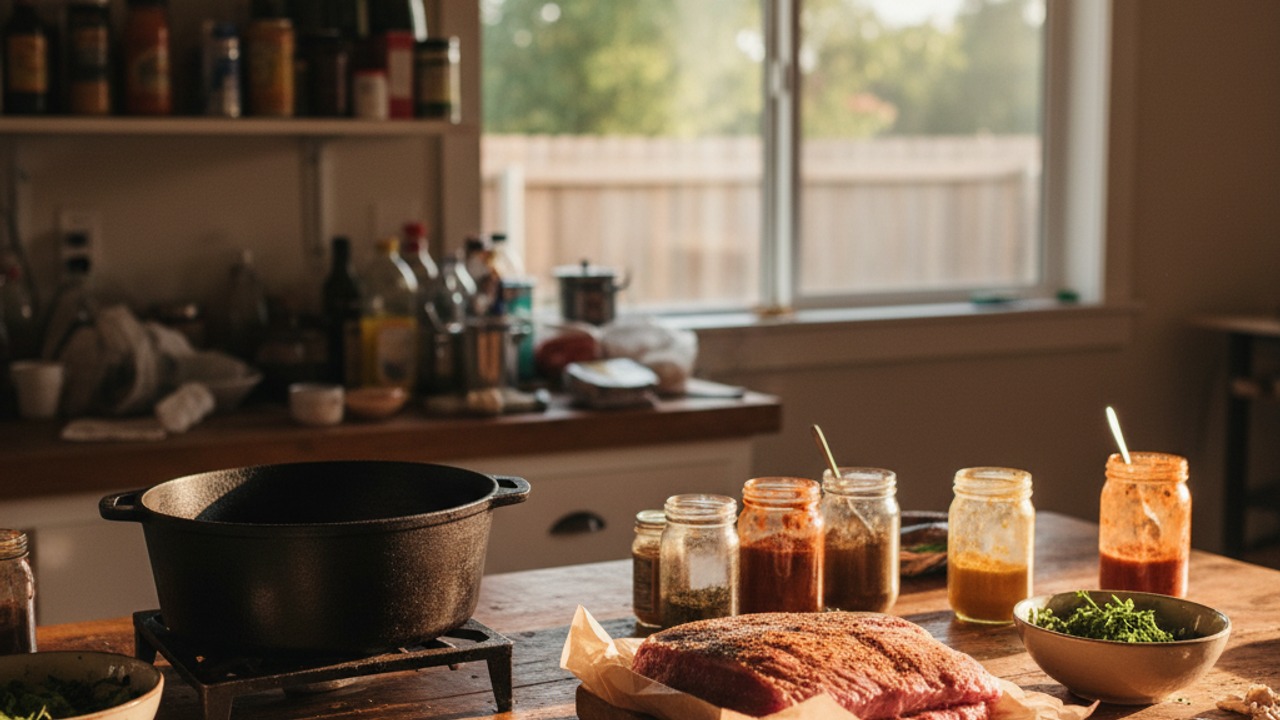
Seven ready-to-run smoke-first menus with exact start/hold/serve timelines so you can plan an overnight pit and a stress-free Labour Day spread. Includes make-ahead side pairings, cooler-transport tips, fuel and wood picks for late-summer weather, and safety + hold strategies so hosts can relax and enjoy the holiday.
More from Dinner
View all Dinner recipes →
Classic Bacon Carbonara

Al Pastor Tacos

Air Fryer Chicken Sliders

Smoked Chicken Burger

Beer-Can Grilled Whole Chicken

Grilled Chicken with Chimichurri

Campfire‑Smoked Potato Salad with Mustard‑Bacon Vinaigrette — A Labor Day Grilling Side for Steak

30-Min Steak Grain Bowl with Chimichurri

Butter-Basted Grilled Chicken
Ask me anything about this recipe — substitutions, scaling, techniques, timing.
Powered by AI · 6 questions per 5 minutes, 30 per day