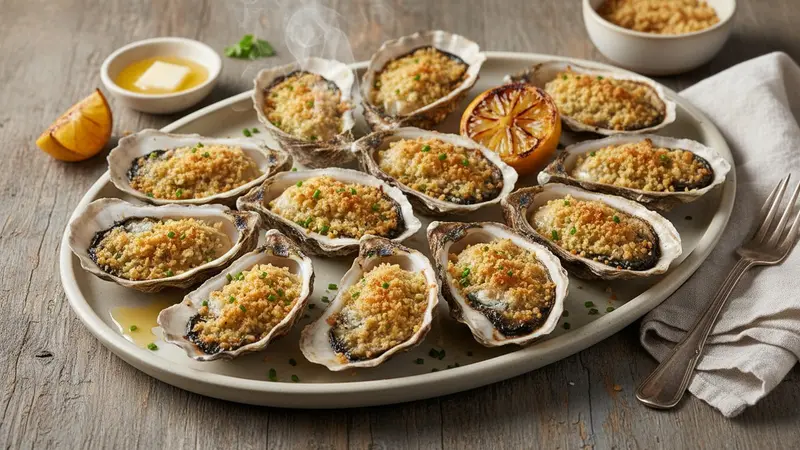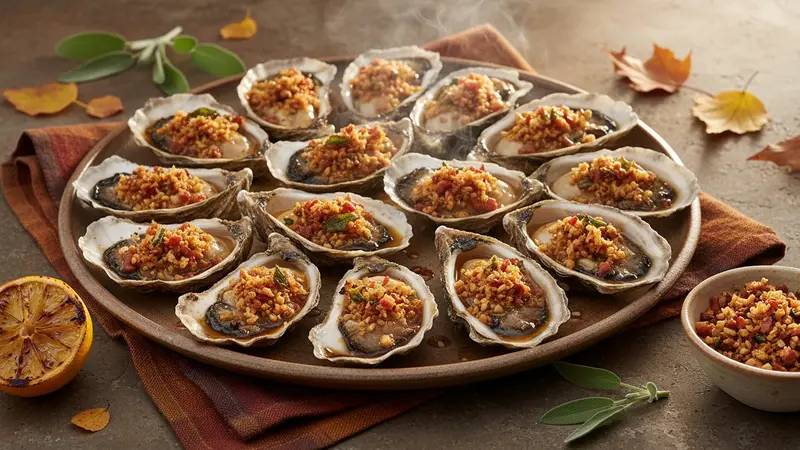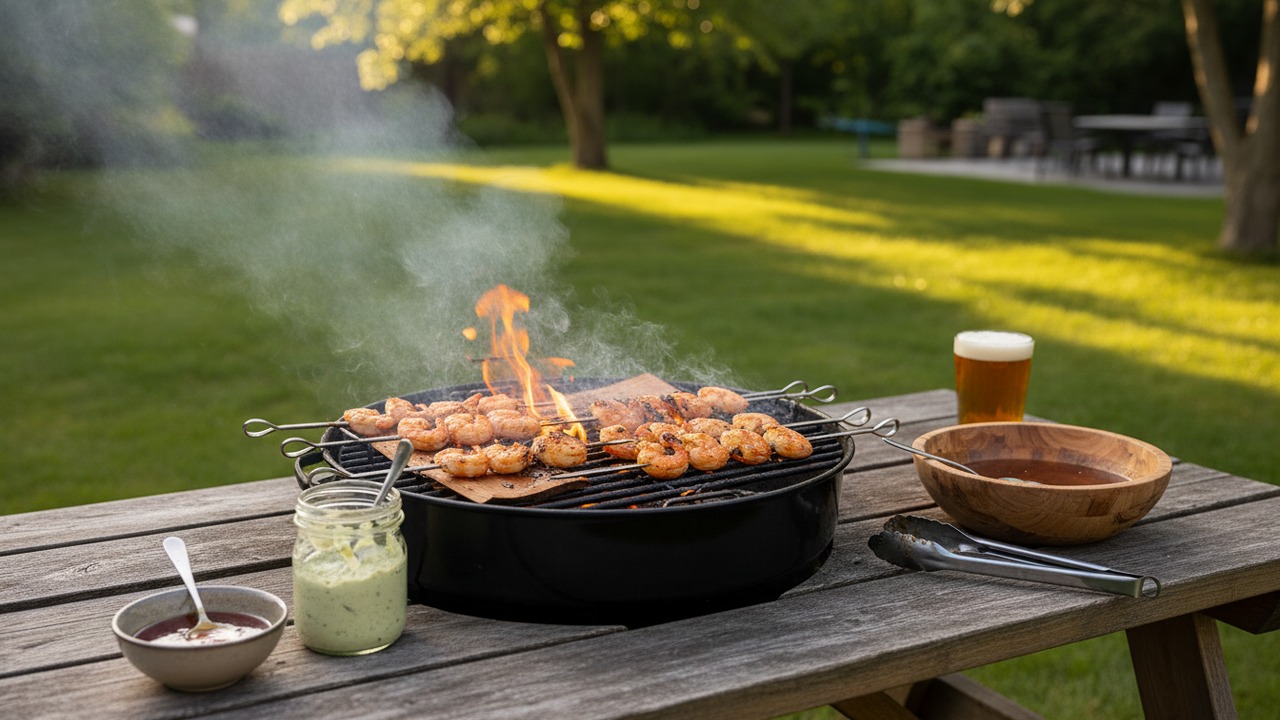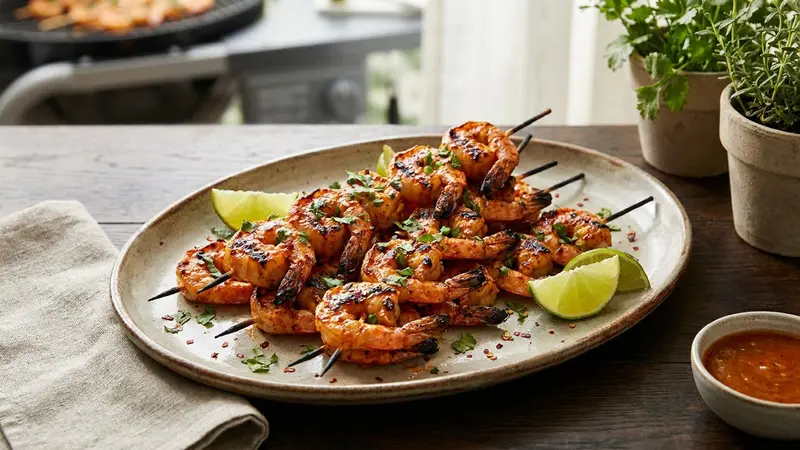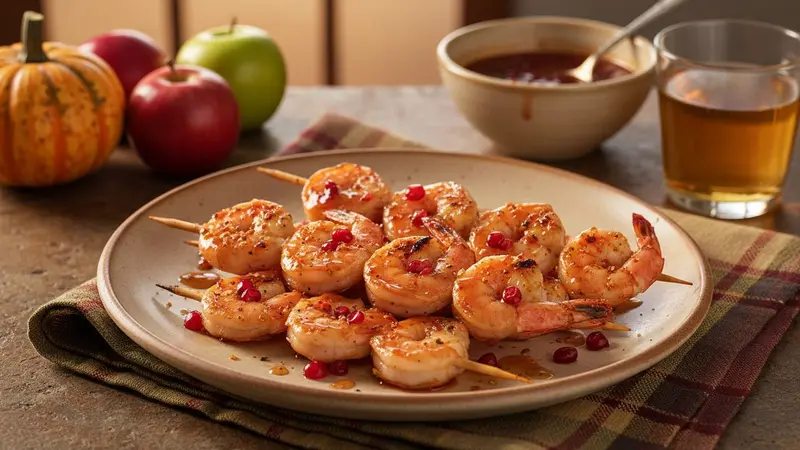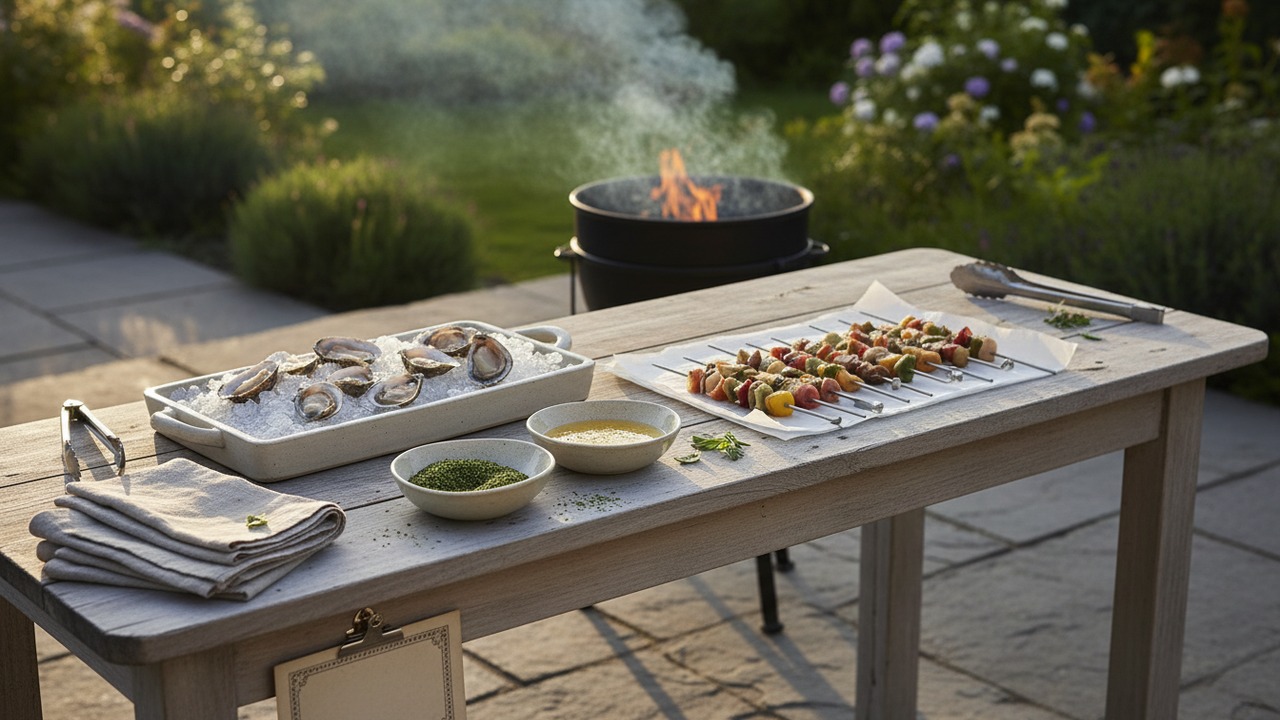
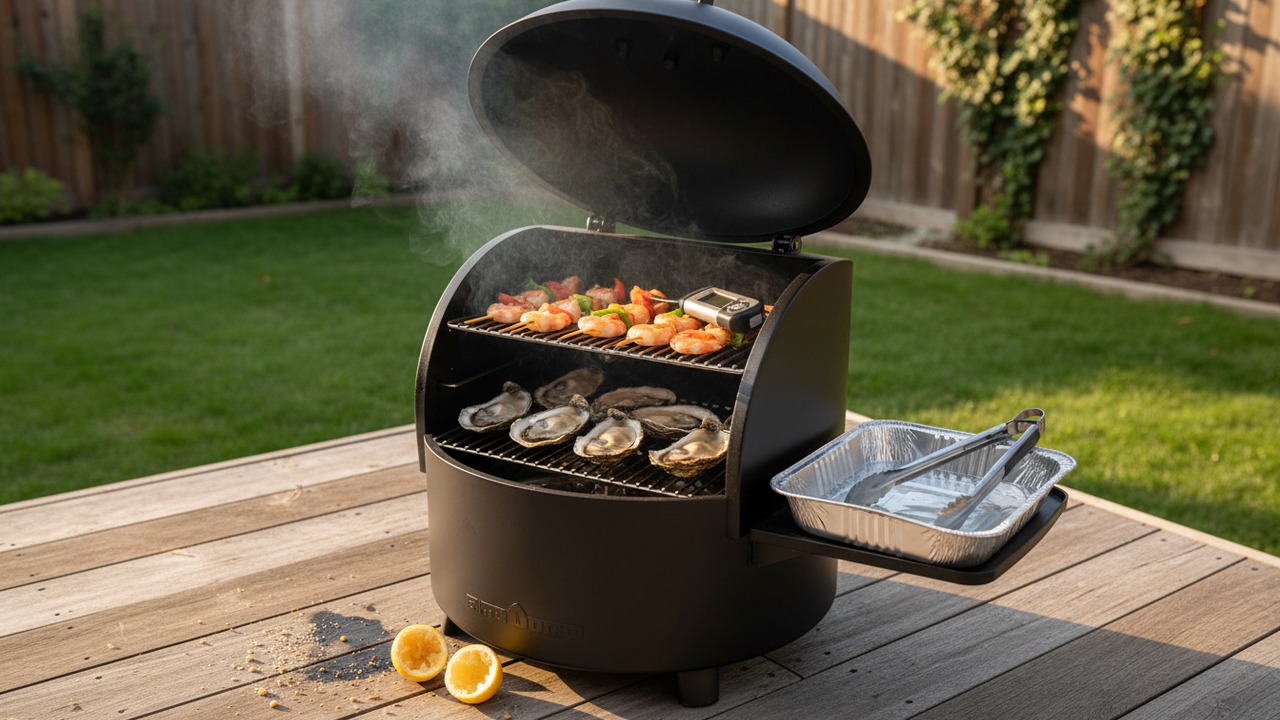
Start with a clear distinction: cold-smoking flavors without cooking suits thin-sliced garnishes, cured cheeses, or finishing a butter or oil, while hot-smoking cooks small proteins quickly and adds that toasty edge you want on shrimp or oysters. For backyard starters you’ll mostly use hot smoke at low temperatures—225–275°F is a good zone for gentle smoke without turning tiny items to shoe leather.
Direct versus indirect heat matters even with appetizers. Use direct heat for char and crust—searing skewers or crostini—then move things to indirect to finish with smoke. A simple trick is to keep a small disposable foil pan of water near the heat to stabilize temperature and catch drips when you’re doing quick batches. For tiny items, a perforated grill pan or an elevated wire rack keeps them from falling through and promotes even smoke contact.
Thermometers and timing are the other basics: an instant-read for protein and a probe for the smoker. For shellfish and shrimp, watch for firming or an internal temp in the manufacturer-recommended safe range rather than relying on long clocks. Finally, adapt your home grill or a Traeger-style pellet smoker by using a half-loading approach: smaller wood pellet amounts, a plank or foil tube for concentrated smoke, and staging racks so you can run multiple quick turns without crowding the grate.