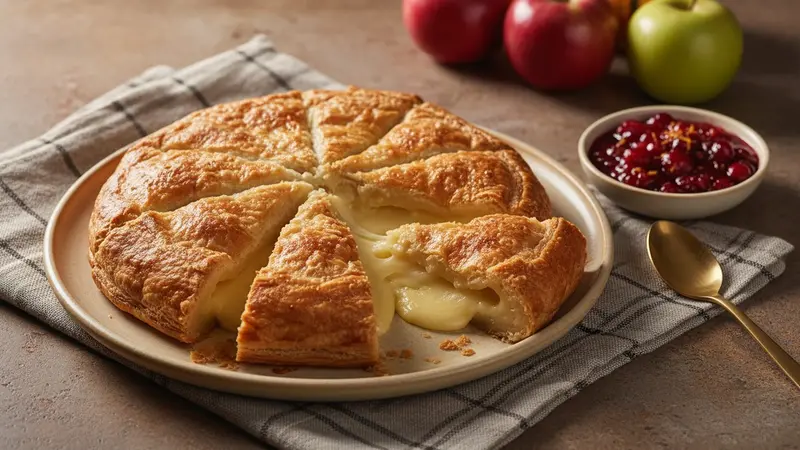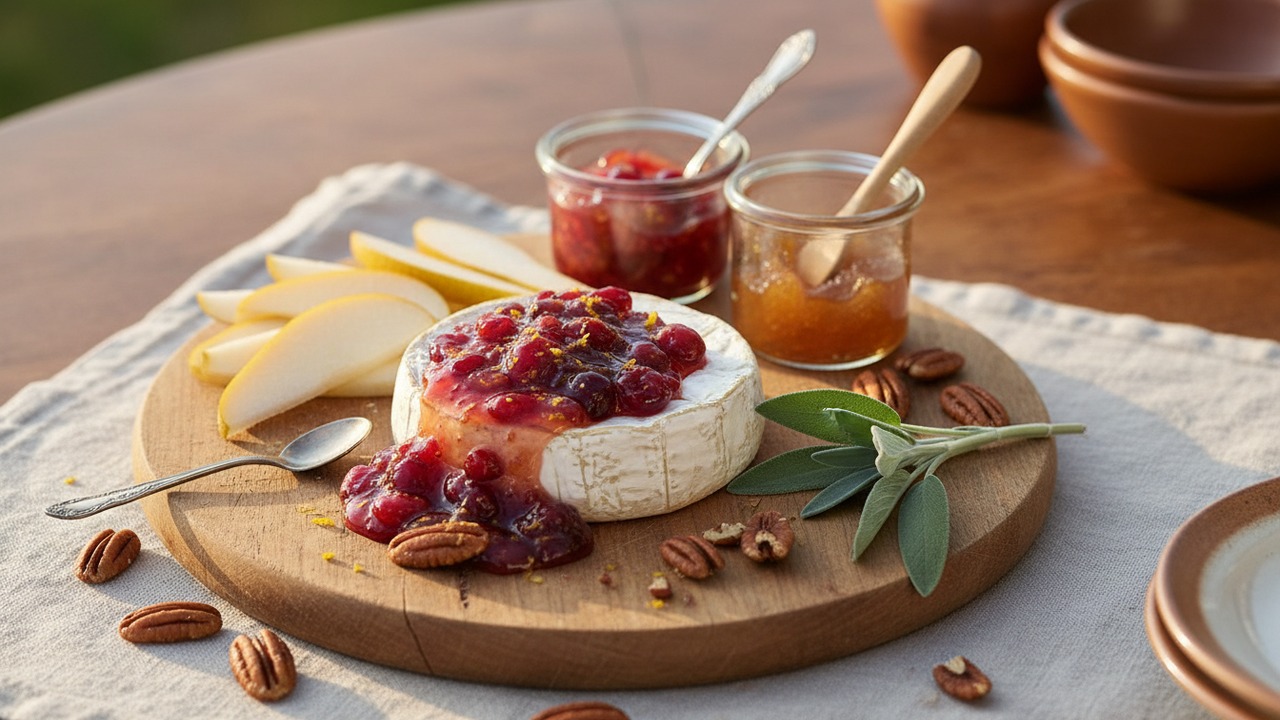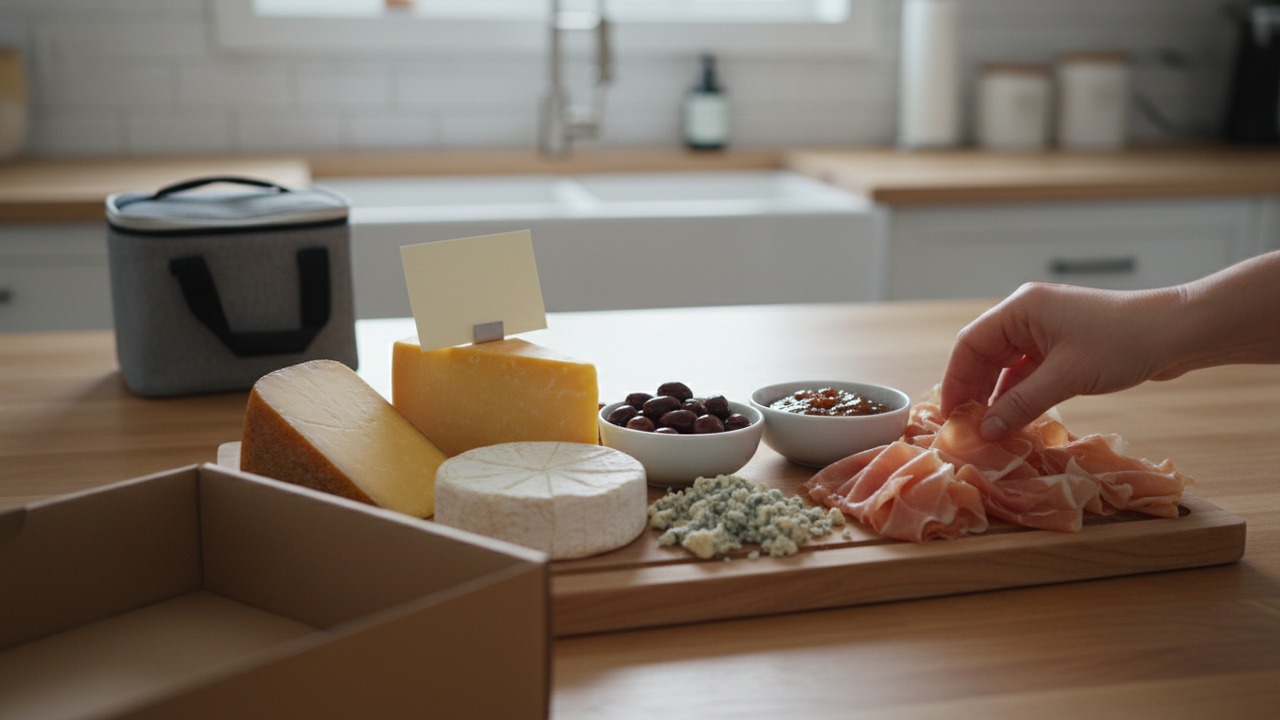
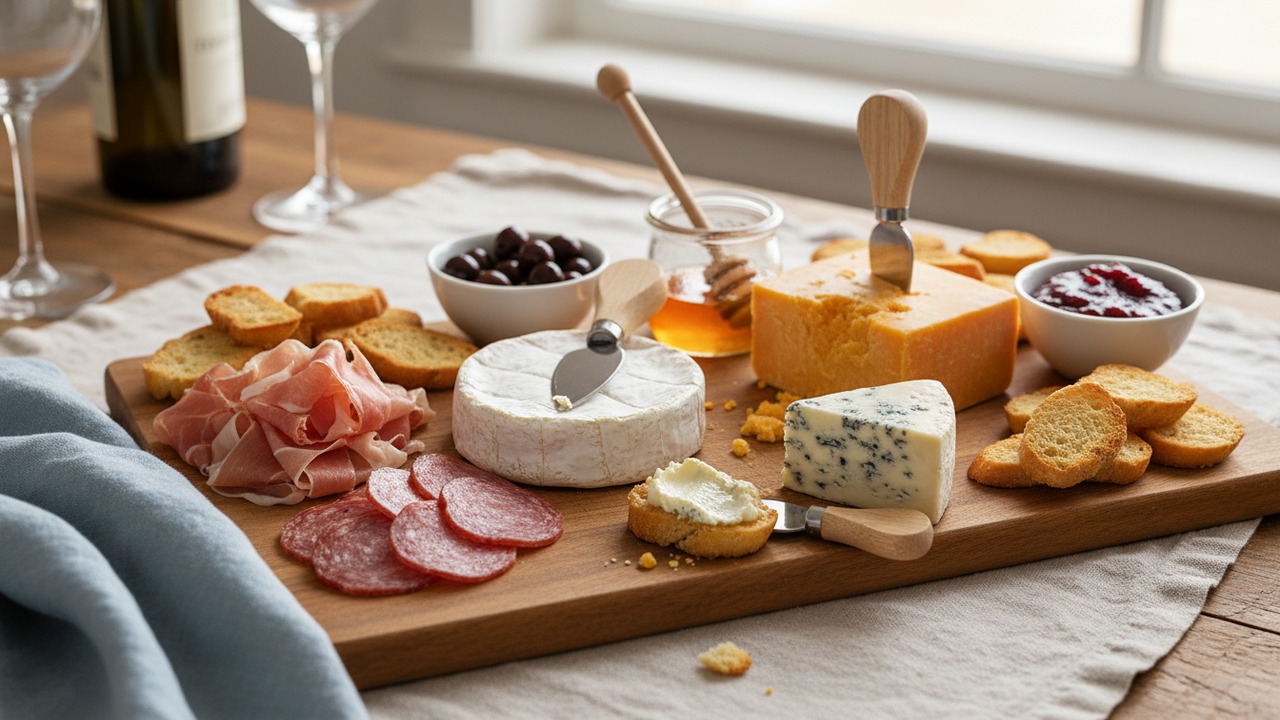
Start with a simple cheese formula that gives texture, intensity, and milk variety. A practical trio is: a soft, spreadable cheese (brie, fresh goat), a firm aged cheese (cheddar, aged gouda), and a blue or washed-rind for punch. Aim to show different milks if you can—cow, goat, and sheep will give distinct fat and flavor profiles. Present each cheese with a dedicated knife so guests don’t mix flavors by accident.
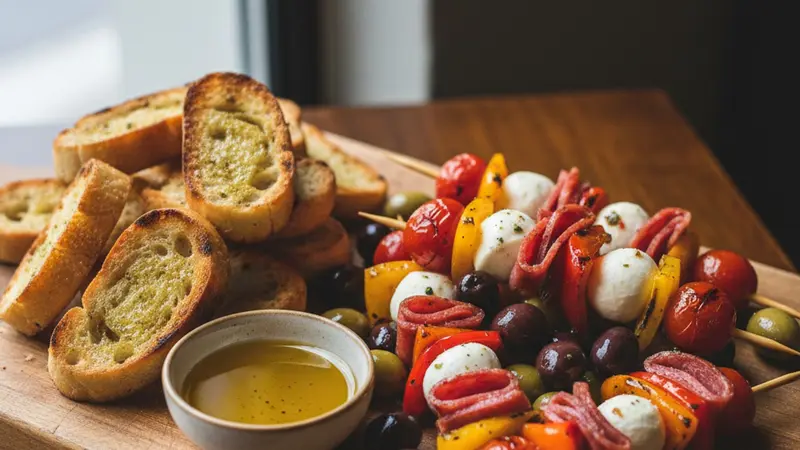
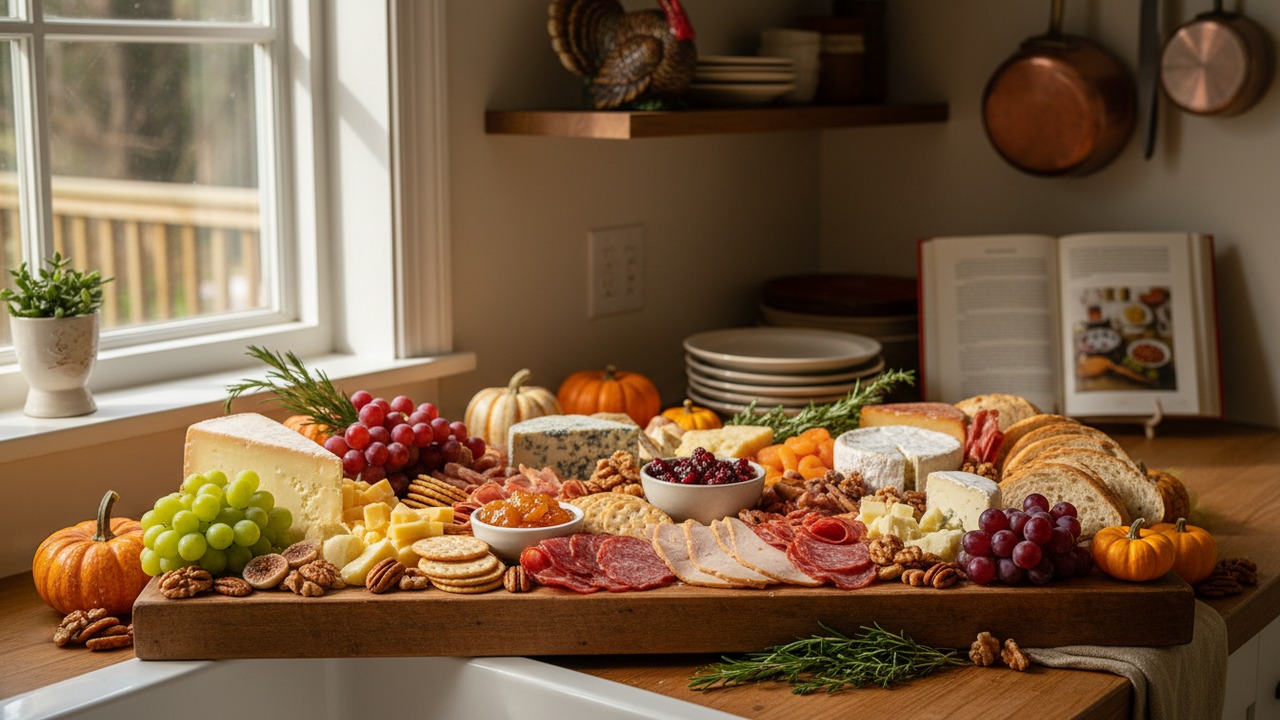
For charcuterie, balance cured, cooked, and sliced: a dry-cured salami or soppressata for chew and spice, a prosciutto-style slice for silky fat, and a cooked option (honey-baked ham, smoked turkey breast) for a milder counterpoint. Fold or fan slices to make them easy to pick and to add visual height. Scatter small piles rather than one long row so people can approach from multiple sides.
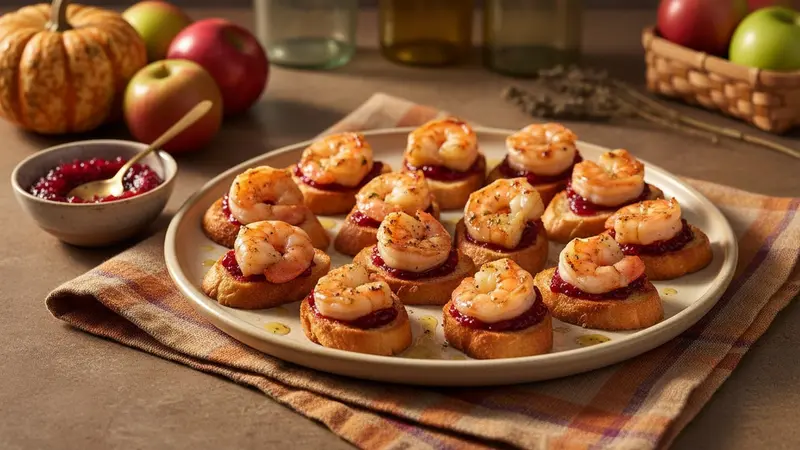
Balance salt/fat/acid/sweet across the whole board. Add tart elements—pickled vegetables, quick cranberry relish, or roasted grapes—to cut richness. Sweetness from jam or honey makes salty meats feel friendlier. Tools and serving items change the experience: medium boards (wood or slate), 2–3 small bowls for olives and condiments, a variety of bread and crackers, a cheese knife for each texture, small tongs and spreaders, and labels if you have more than three cheeses. Keep extras of napkins and small plates nearby.