Almond Flour Shortbread Cookies (Gluten-Free, Crisp Edges Tender Center)
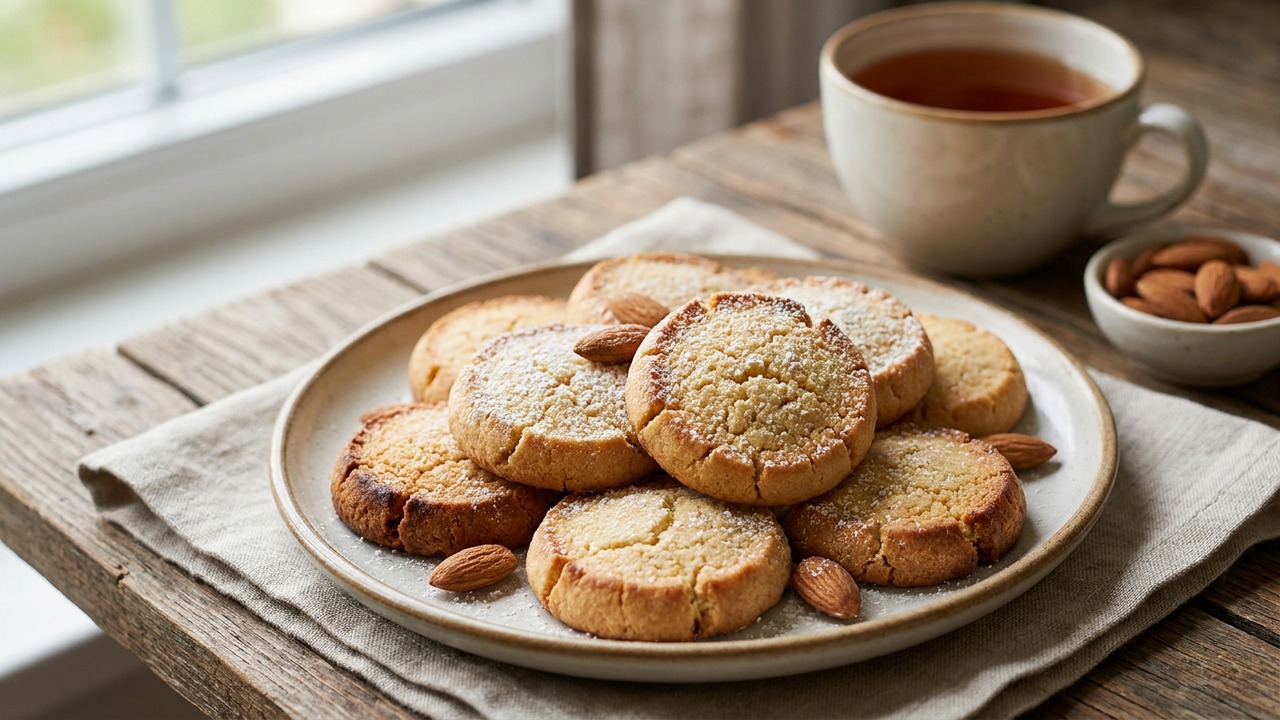
Crisp-edged, tender-centered almond flour shortbread that’s naturally gluten-free and perfect for holidays or everyday snacking. These buttery, lightly sweet cookies are quick to make and hold their shape beautifully while delivering a delicate almond flavor.
About This Recipe
These almond flour shortbreads aim for a small, almost contradictory balance: a crisp, lightly golden rim with a tender, melt-in-the-mouth center. Almond flour behaves differently from wheat—there’s no gluten to bind or stretch, and the natural oils in nuts brown sooner—so this recipe leans on starch (tapioca/arrowroot) and a mix of butter temperatures to coax a classic shortbread texture from grain‑free ingredients. The flavor is quietly rich and nutty rather than overtly sweet, making these cookies excellent for pairing with tea, coffee, or a smear of jam.
What makes this version work is technique: a measure of cold butter left in small pockets nibbles away during baking and crisps the edges, while creamed room‑temperature butter and egg yolks give enough cohesion and tenderness so the center stays soft. Because the base is almond flour, the cookies hold their shape well and won’t become overly cakey if you don’t overwork the dough. They’re simple to dress up—sliced almonds, a sprinkle of sea salt, or a lemon zest twist—and they travel and gift beautifully since the flavor is broadly appealing and reliably gluten‑free.
Ingredients for Almond Flour Shortbread Cookies (Gluten-Free, Crisp Edges Tender Center)
- 2 cups Finely ground almond flour
- 1/2 cup Powdered (confectioners') sugar, sifted
- 1/4 cup Tapioca starch (or cornstarch)
- 2 tbsp Arrowroot starch (or cornstarch)
- 1/4 tsp Fine sea salt
- 1/2 cup Unsalted butter, room temperature
- 1/2 cup Powdered (confectioners') sugar
- 1/2 cup Unsalted butter, cold and cubed
- 1 large Large egg yolk
- 1 tsp Pure vanilla extract
- 1 tsp Vanilla extract
- 1/4 cup Sliced almonds (for topping, optional)
How to Make Almond Flour Shortbread Cookies (Gluten-Free, Crisp Edges Tender Center)
Step 1: Preheat and prepare pans
Preheat the oven to 350°F (175°C). Line two baking sheets with parchment paper or silicone baking mats and set aside so the pans are ready when the dough is shaped.For this step
- 2 cupsFinely ground almond flour
- 1/2 cupPowdered (confectioners') sugar, sifted
- 2 tbspArrowroot starch (or cornstarch)
- 1/4 tspFine sea salt
Step 2: Whisk dry ingredients
In a medium bowl, whisk together the almond flour, tapioca starch, and salt until evenly combined and aerated. This ensures a uniform texture and helps the cookies develop crisp edges.For this step
- 1/4 cupTapioca starch (or cornstarch)
- 1/2 cupUnsalted butter, cold and cubed
Step 3: Cream butter and sugar, add yolk and vanilla
In a separate bowl, beat the room-temperature butter with the powdered sugar until light and fluffy, about 1–2 minutes. Beat in the egg yolk and vanilla extract until fully incorporated and smooth.For this step
- 1/2 cupUnsalted butter, room temperature
- 1/2 cupPowdered (confectioners') sugar
- 1 largeLarge egg yolk
- 1 tspPure vanilla extract
- 1 tspVanilla extract
Step 4: Combine into a dough
Fold the dry ingredients into the butter mixture with a spatula until a soft, slightly cohesive dough forms — avoid overmixing. If the dough feels too loose, chill briefly (10–15 minutes) to firm it up for shaping.Step 5: Shape cookies (cut or slice-and-bake) and top
For cut cookies: roll the dough between two sheets of parchment to about 1/4 inch (6 mm) thickness and use a 2-inch cutter to cut shapes, transferring to the prepared sheets. For slice-and-bake: form the dough into a 1 1/2-inch log, chill until firm, then slice into 1/4-inch rounds. Press sliced almonds onto tops if using.For this step
- 1/4 cupSliced almonds (for topping, optional)
Step 6: Bake until edges are golden and cool
Bake cookies for 10–14 minutes, rotating pans halfway through; watch for lightly golden edges while centers remain pale to keep a tender interior. Let cookies cool on the baking sheet for 5 minutes to set, then transfer to a rack to cool completely before serving or storing.


- Preheat the oven to 350°F (175°C). Line two baking sheets with parchment paper or silicone baking mats and set aside so the pans are ready when the dough is shaped.
- In a medium bowl, whisk together the almond flour, tapioca starch, and salt until evenly combined and aerated. This ensures a uniform texture and helps the cookies develop crisp edges.
- In a separate bowl, beat the room-temperature butter with the powdered sugar until light and fluffy, about 1–2 minutes. Beat in the egg yolk and vanilla extract until fully incorporated and smooth.
- Fold the dry ingredients into the butter mixture with a spatula until a soft, slightly cohesive dough forms — avoid overmixing. If the dough feels too loose, chill briefly (10–15 minutes) to firm it up for shaping.
- For cut cookies: roll the dough between two sheets of parchment to about 1/4 inch (6 mm) thickness and use a 2-inch cutter to cut shapes, transferring to the prepared sheets. For slice-and-bake: form the dough into a 1 1/2-inch log, chill until firm, then slice into 1/4-inch rounds. Press sliced almonds onto tops if using.
- Bake cookies for 10–14 minutes, rotating pans halfway through; watch for lightly golden edges while centers remain pale to keep a tender interior. Let cookies cool on the baking sheet for 5 minutes to set, then transfer to a rack to cool completely before serving or storing.
Almond Flour Shortbread Cookies (Gluten-Free, Crisp Edges Tender Center) Tips
Use superfine almond flour
Measure by spooning into a cup and leveling; coarser almond meal will give a grittier texture and can prevent clean edges.
Keep some butter cold
Leave pea‑sized cold butter pieces in the dough so they melt in the oven and create razor‑crisp edges while keeping centers tender.
Don’t overwork dough
Mix only until it just holds when pressed; overworking develops warmth and causes spread and a tougher bite.
Chill shaped dough
Refrigerate cut cookies or a slice‑and‑bake log for at least 15–20 minutes so they keep their shape and develop a neat edge in the oven.
Watch for pale centers
Bake until edges are lightly golden but centers remain pale—almond flour browns quickly, so color is a better doneness cue than time alone.
Almond Flour Shortbread Cookies (Gluten-Free, Crisp Edges Tender Center) Variations and Substitutions
Brown‑butter shortbread
Replace the room‑temperature butter with brown butter for a toasty caramel note; cool it to lukewarm before creaming to avoid melting the cold butter pieces.
Citrus‑almond twist
Add 1 teaspoon finely grated lemon or orange zest to the dough and finish with a light dusting of powdered sugar for a bright, festive flavor.
Chocolate‑dipped
Dip half of each cooled cookie into tempered dark chocolate and sprinkle with flaked sea salt for a sophisticated finish.
Gluten‑free swap: starches
If you don’t have arrowroot, use cornstarch in equal measure; it behaves similarly here and preserves the shortbread’s tender crumb.
How to Store and Make Almond Flour Shortbread Cookies (Gluten-Free, Crisp Edges Tender Center) Ahead
Store baked cookies in an airtight container at room temperature for up to 5 days to retain a crisp edge; separate layers with parchment to prevent sticking. For longer storage, freeze baked cookies in a single layer in a sealed container for up to 3 months, thaw at room temperature, and refresh in a 300°F oven for 5–7 minutes to recrisp. Unbaked slice‑and‑bake logs freeze well (up to a month); slice and bake from frozen, adding a minute or two to the bake time.
What to Serve With Almond Flour Shortbread Cookies (Gluten-Free, Crisp Edges Tender Center)
Serve these shortbreads with a citrus jam or a thin lemon curd to lift the nutty richness, or alongside a pot of Earl Grey or a bright espresso. For a dessert platter, arrange with fresh berries, candied citrus peel, and a small bowl of dark chocolate shavings so guests can customize each bite.
Almond Flour Shortbread Cookies (Gluten-Free, Crisp Edges Tender Center) FAQs
Why do some ingredient lines repeat (two almond flours, two sugars, two yolks)?
This recipe combines different functions—one almond flour measure is for the main dry base while another reference emphasizes sieving and aeration; likewise, powdered sugar appears in both dry and creamed stages to ensure a smooth texture. Use the total amounts listed but follow the steps that separate dry mixing from creaming so each component performs its role.
Can I use whole eggs instead of just yolks?
You can substitute one whole large egg for two yolks, but the cookies will be slightly firmer and may spread a bit more because the egg white adds extra moisture and protein.
My dough is crumbly and won’t hold—what went wrong?
Almond flour absorbs differently than wheat; if the dough won’t come together, press it with your hand and add 1 teaspoon of cold water at a time until it holds, then chill briefly before shaping.
Why do edges brown before centers?
Almond flour and butter brown faster than wheat flour, so watch for a lightly golden edge while centers stay pale; pull the cookies at that point to keep interiors tender.
Can I make these dairy‑free or vegan?
For a dairy‑free version use a high‑quality vegan butter and replace the yolks with 2 tablespoons aquafaba or a commercial egg replacer; texture will be slightly different—expect less richness and a softer edge but still a pleasant shortbread.
About the author
Jake WoodsHello, I'm Jake. I started this recipe site with the idea that I hated recipe websites that overwhelm you with long stories and ads just to see plain content that's not helpful. My goal is to provide you with quality recipes, simple ideas and a fun cooking experience. There's lots of fun things to cook, and I think as you browse the site you'll find that TopShelf.Recipes is the place for quality recipes on the web.
See all recipes by Jake Woods →Ratings & Reviews
Did you make this recipe?
Be the first to share your experience.
Nutrition Facts
Per serving: 2 cookies (70g)
Nutrition values are estimated from USDA ingredient data and may vary based on preparation, brands, and portion sizes. Values are provided for informational purposes only.
Keep Reading
Guides & articles for this recipe
Tips & Techniques
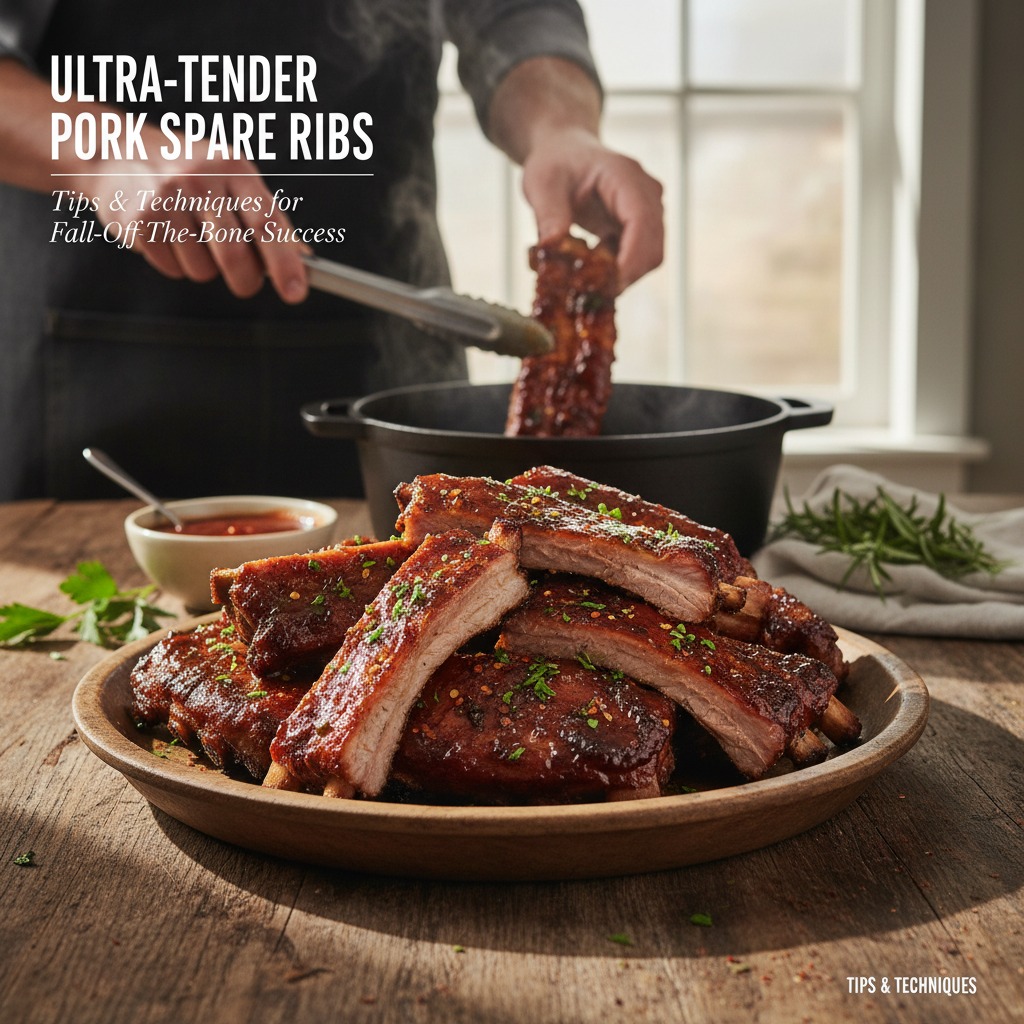
Ultra-Tender Pork Spare Ribs: Tips & Techniques for Fall-Off-the-Bone Success
Master the craft of ultra-tender pork spare ribs with practical, no-nonsense techniques for selecting, prepping, smoking, and finishing. This guide focuses on what matters—temperature control, testing for doneness, wrapping choices, and common fixes—so your next rack comes out juicy, tender, and perfectly sauced.

Healthy Eating
Gluten-Free Weeknight Grilling Plan
A 7-day gluten-free weeknight grilling plan with quick, family-friendly recipes, prep-ahead timelines, and a printable shopping list that spotlights late-summer produce and pantry staples. Includes clear cross-contamination safety tips and simple swaps to keep dinners fast and crowd-pleasing.

Healthy Eating
Low-Fat Grill Swaps for Big Flavor
A practical guide to trimming fat from grilled meals without losing juiciness or char. Learn yogurt- and citrus-based marinades, lean protein picks, searing and indirect-heat tricks, plus 5 quick low-fat marinades and a simple weeknight plan.
More from Snacks
View all Snacks recipes →
Easy Peanut Butter Bars

Holiday Cranberry Maple Chex Mix

Labor Day Grilled Lobster Rolls with Charred Scallion Brown Butter & Lemon‑Herb Aioli

Snake River Farms Beef Tallow Crispy Air Fryer Chicken Wings

Strawberry Yogurt Bark

Buffalo Chicken Dip

Snake River Farms Beef Tallow Popcorn with Parmesan and Herbs

Truffle Parmesan Butter Board with Crispy Breadcrumbs

S'mores Popcorn
Ask me anything about this recipe — substitutions, scaling, techniques, timing.
Powered by AI · 6 questions per 5 minutes, 30 per day