Amaro Sour
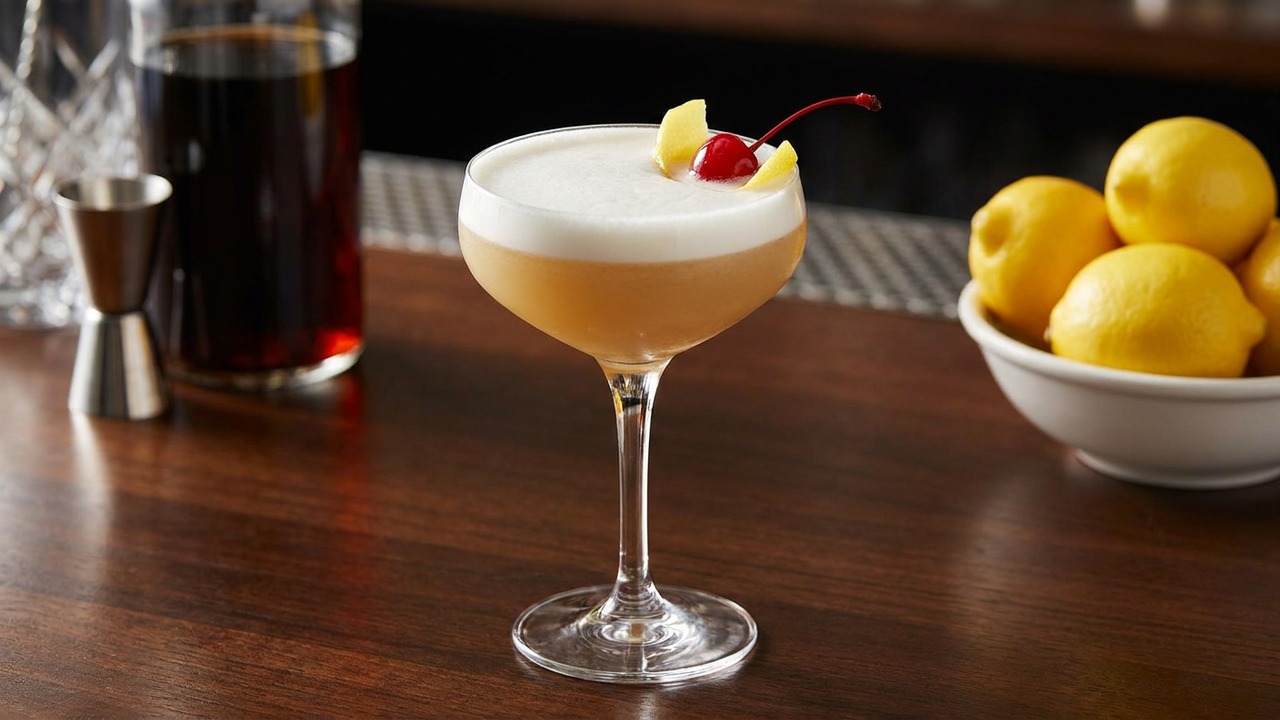
A modern, bittersweet riff on the classic sour that puts amaro front and center, balancing herbaceous bitterness with bright lemon and silky egg white foam. It’s an elegant, approachable cocktail that highlights 2026 trends of amari and savory depth for home bartenders looking to broaden their repertoire.
Ingredient Spotlight
Amaro (e.g., Averna, Montenegro, or similar)
Amaro is an Italian category of herbal, bitter-sweet liqueurs traditionally served as a digestif; different brands (Averna, Montenegro) come from different regions of Italy and vary in sweetness and bitterness. It smells of botanicals, citrus peel, caramel, and medicinal herbs and ranges from mildly sweet to assertively bitter. You can find amaro at well-stocked liquor stores and many supermarkets; if you don’t have one, substitute another amaro or approximate it with sweet vermouth plus a small dash of bitter liqueur (e.g., Campari) or bitters and a touch of simple syrup to mimic the herbal-bitter-sweet balance.
Ingredient Spotlight
Angostura bitters
Angostura bitters are a concentrated aromatic bitters originally developed in Trinidad and now widely used in cocktails and some cooking; they come in small bottles and are used by the dash. They taste intensely bitter and spicy, with notes of cinnamon, clove, herbs, and a strong medicinal aroma. You’ll find them in the cocktail aisle of grocery stores or liquor shops; if unavailable, use another aromatic bitters (e.g., Peychaud’s or a house aromatic) as a direct substitute.
(paid link) — as an Amazon Associate we earn from qualifying purchases.
Jake Woods's note
"This Amaro Sour is perfect for dinner parties or a relaxed evening when you want something a little savory and contemplative. Home cooks will love how a single bottle of amaro can transform simple ingredients into a sophisticated drink."
About This Recipe
This Amaro Sour leans into the savory, herbaceous side of the classic sour template—bittersweet amaro replaces the typical spirit core and becomes the star. The base amaro brings a forest of flavors: citrus peel, licorice, dried herbs and a molasses-like sweetness that the lemon juice cuts through, while the simple syrup tames any edge. A dry-shake egg white adds a satiny mouthfeel that makes each sip feel layered and more like a composed small plate than a simple mixed drink. Finish with a few dabs of Angostura on the foam and a lemon twist and you get an aromatic top note that softens the bitter and pulls the elements together.
What makes this version work is restraint: modest syrup, a robust lemon lift, and attention to technique—dry shake first, then ice shake, and double strain for a clean, pillowy presentation. Choose your amaro intentionally (Averna gives richer caramel tones; Montenegro is brighter and floral) and calibrate syrup to its sweetness. It’s an elegant, approachable option for home bartenders curious about amari trends in 2026—perfect for aperitivo hour, a low-key dinner party, or when you want a cocktail that tastes grown-up without being fussy.
Ingredients for Amaro Sour
- 4 oz Amaro (e.g., Averna, Montenegro, or similar)
- 1 1/2 oz Fresh lemon juice
- 1 oz Simple syrup (1:1 sugar to water)
- 1 large egg white Large egg white (optional, or use pasteurized)
- 2 cups Ice (for shaking and serving)
- 4 dashes Angostura bitters
- 2 twists Lemon twist (for garnish)
🛒 = paid link — as an Amazon Associate we earn from qualifying purchases.
How to Make Amaro Sour
Step 1: Measure and combine the base
In a shaker, combine the amaro, fresh lemon juice, and simple syrup. Use fresh lemon for the brightest flavor and adjust syrup if your amaro is sweeter or drier.For this step
- 4 ozAmaro (e.g., Averna, Montenegro, or similar)
- 1 1/2 ozFresh lemon juice
- 1 ozSimple syrup (1:1 sugar to water)
Step 2: Add egg white and dry shake
Add the egg white (optional) to the shaker and seal. 'Dry shake'—shake vigorously without ice—for about 15–20 seconds to emulsify and build a silky foam that gives the cocktail body.For this step
- 1 large egg whiteLarge egg white (optional, or use pasteurized)
Step 3: Add ice and shake until cold
Open the shaker, add the ice, and shake again vigorously for 12–15 seconds until the shaker is very cold. This chills and properly dilutes the drink while aerating the foam further.For this step
- 2 cupsIce (for shaking and serving)
Step 4: Double strain into chilled glass
Double-strain the cocktail into two chilled coupe or rocks glasses to remove ice shards and obtain a smooth texture. Aim for a serving volume of about 5–6 fl oz (150–175 ml) per glass.Step 5: Garnish and finish with bitters
Express a lemon twist over each drink and rub the rim, then add the twist as garnish. Dot 2 dashes of Angostura bitters on the foam of each cocktail and, if desired, use a toothpick to create a simple pattern for presentation.For this step
- 4 dashesAngostura bitters
- 2 twistsLemon twist (for garnish)


- In a shaker, combine the amaro, fresh lemon juice, and simple syrup. Use fresh lemon for the brightest flavor and adjust syrup if your amaro is sweeter or drier.
- Add the egg white (optional) to the shaker and seal. 'Dry shake'—shake vigorously without ice—for about 15–20 seconds to emulsify and build a silky foam that gives the cocktail body.
- Open the shaker, add the ice, and shake again vigorously for 12–15 seconds until the shaker is very cold. This chills and properly dilutes the drink while aerating the foam further.
- Double-strain the cocktail into two chilled coupe or rocks glasses to remove ice shards and obtain a smooth texture. Aim for a serving volume of about 5–6 fl oz (150–175 ml) per glass.
- Express a lemon twist over each drink and rub the rim, then add the twist as garnish. Dot 2 dashes of Angostura bitters on the foam of each cocktail and, if desired, use a toothpick to create a simple pattern for presentation.
Amaro Sour Tips
Dry-shake duration
Shake the egg white vigorously for 15–20 seconds before adding ice to build a stable, silky foam that won’t break down when you chill it.
Use pasteurized eggs
Use pasteurized eggs if you’re concerned about raw egg safety, or serve immediately after shaking to minimize risk and maintain foam quality.
Adjust simple syrup
Taste the amaro first—if it’s very sweet (Averna), cut syrup to 0.75 oz per cocktail; if it’s drier (some artisanal amari), stick with or increase to 1.25 oz to balance acidity.
Double-strain carefully
Pour through a fine mesh strainer over a second strainer to remove tiny ice chips for a smoother mouthfeel and a cleaner foam surface for bitters decoration.
Bitters placement trick
Drop Angostura onto the foam with a steady hand and use a toothpick to drag gentle patterns—this adds aroma without breaking the foam.
Amaro Sour Variations and Substitutions
Vegan: Aquafaba swap
Replace the egg white with 1.5 tablespoons of aquafaba and dry-shake as directed for a comparable foam and vegan-friendly texture.
Smoky Amaro twist
Substitute half the amaro with 1 oz mezcal for a smoky, savory riff that pairs beautifully with the herbal bitterness.
Citrus-forward swap
Use fresh blood orange or ruby grapefruit juice instead of lemon for a fruitier, less tart profile that highlights the amaro’s citrus notes.
Boozy hybrid
Add 0.5–1 oz of rye or bourbon to make a deeper, more spirit-forward sour that keeps the amaro’s character while introducing warm spice.
How to Store and Make Amaro Sour Ahead
Do not store shaken cocktails that contain raw egg whites; serve them fresh. For make-ahead batching, combine the amaro, lemon juice, and simple syrup (omit egg white) in an airtight bottle and refrigerate up to 48–72 hours; add the egg white (or aquafaba) and perform the dry-shake just before serving. Leftover mixed drinks without egg white can be kept cold for the day but won’t taste as bright after extended storage, and reheating is not applicable.
What to Serve With Amaro Sour
Serve as an aperitivo with salty, umami snacks like roasted Marcona almonds, Castelvetrano olives, or a small charcuterie plate with aged pecorino and prosciutto. It also pairs well with citrus-forward seafood bites—think grilled shrimp or sardines—where the lemon and bitterness can cut through oil and salt. Use chilled coupe glasses for elegance or rocks with a single large ice cube for a slower-sipping experience.
Amaro Sour FAQs
Is it safe to use a raw egg white?
Many bartenders use raw egg whites with low risk, but if you’re worried use pasteurized eggs or aquafaba as a vegan alternative; always refrigerate eggs and consume the cocktail promptly.
My foam collapsed—what happened?
Under- or over-shaking, too much cold dilution, or a very oily garnish can cause collapse; ensure a vigorous dry shake first, then a shorter ice shake, and avoid rubbing oils onto the foam after it’s set.
How do I adjust sweetness?
Taste the amaro first—reduce simple syrup if the amaro is already sweet, or increase slightly if the drink tastes too tart; change in 0.25 oz increments per serving until balanced.
Can I batch this cocktail for a party?
Yes—batch the amaro, lemon juice, and syrup and chill; omit the egg white until serving, then add egg white to each glass or perform quick individual dry-shakes to preserve foam.
Which amaro should I choose?
Choose by intent: Averna for caramel and cocoa undertones, Montenegro for floral and citrus brightness, or Fernet diagonally if you want an aggressively herbal, medicinal profile but reduce syrup to compensate.
About the author
Jake WoodsHello, I'm Jake. I started this recipe site with the idea that I hated recipe websites that overwhelm you with long stories and ads just to see plain content that's not helpful. My goal is to provide you with quality recipes, simple ideas and a fun cooking experience. There's lots of fun things to cook, and I think as you browse the site you'll find that TopShelf.Recipes is the place for quality recipes on the web.
See all recipes by Jake Woods →Ratings & Reviews
Did you make this recipe?
Be the first to share your experience.
Nutrition Facts
Per serving: 1 serving (approx. 361g)
Nutrition values are estimated from USDA ingredient data and may vary based on preparation, brands, and portion sizes. Values are provided for informational purposes only.
Keep Reading
Guides & articles for this recipe
Guides
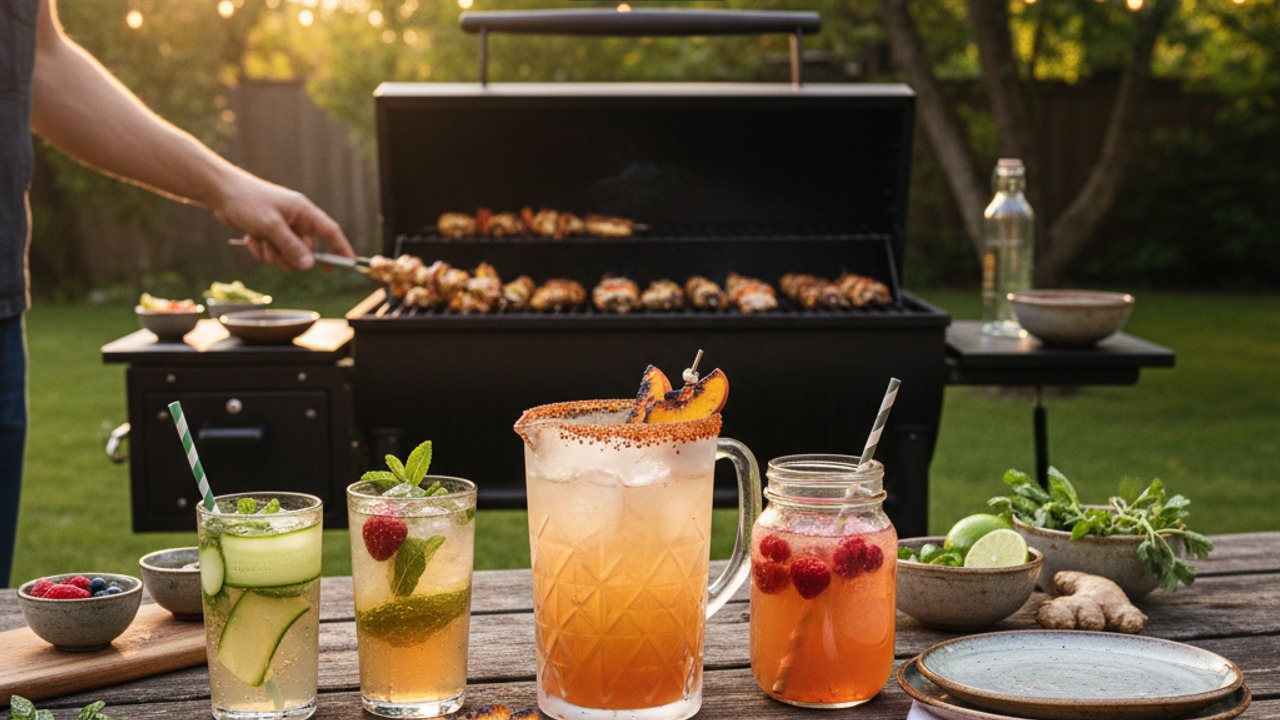
Trending Grillside Drinks for 2026: Cocktails, Low‑ABV Sippers, and Non‑Alcoholic Pairings to Elevate Backyard BBQ
Discover the hottest drinks to serve alongside summer grilling in 2026 — from smoked‑syrup cocktails and barrel‑aged RTDs to low‑ABV spritzes, shrubs, kombuchas, and tea blends. Includes batch-making tips, safety notes, and pairing suggestions for common grilled proteins and sides.
Recipes
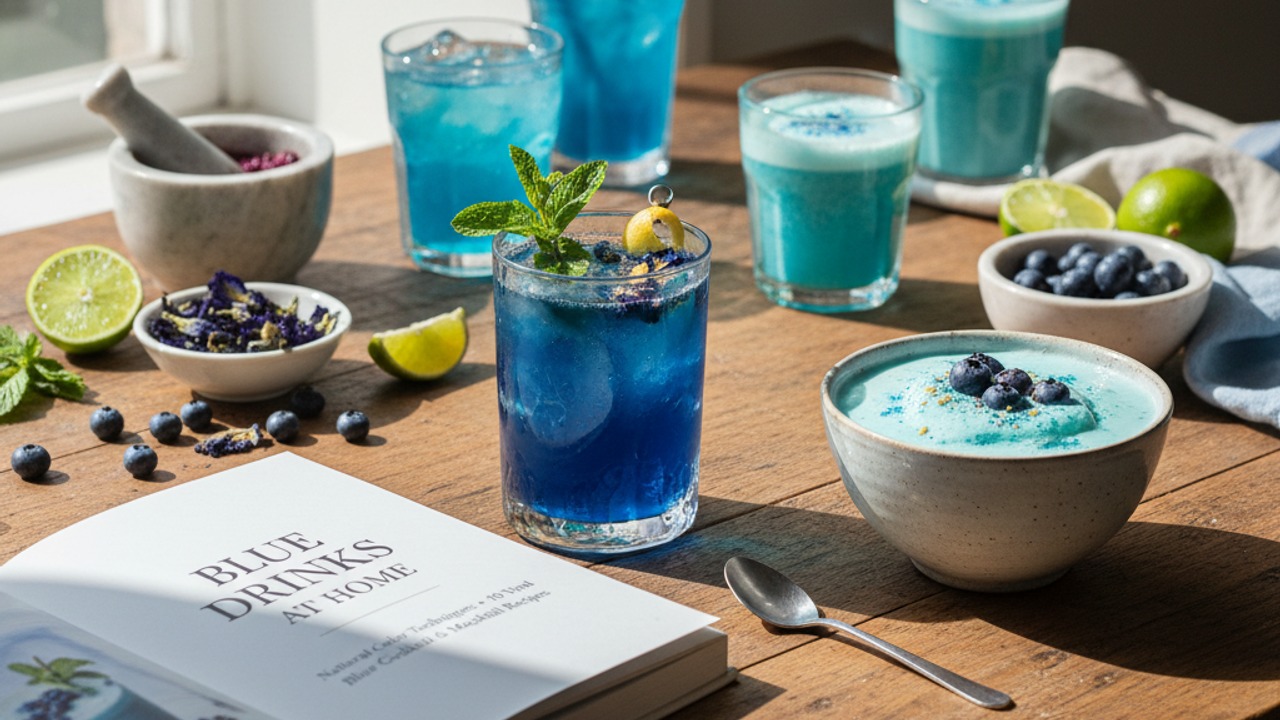
Blue Drinks at Home: Natural Color Techniques + 10 Viral Blue Cocktail & Mocktail Recipes
Discover how to make stunning blue drinks at home using natural ingredients like butterfly pea and blue spirulina. This guide includes practical techniques, storage tips, and 10 viral cocktail and mocktail recipes — many with grilled-garnish ideas for backyard entertaining.

Healthy Eating
Gluten-Free Weeknight Grilling Plan
A 7-day gluten-free weeknight grilling plan with quick, family-friendly recipes, prep-ahead timelines, and a printable shopping list that spotlights late-summer produce and pantry staples. Includes clear cross-contamination safety tips and simple swaps to keep dinners fast and crowd-pleasing.
More from Drinks
View all Drinks recipes →
Grilled Lime Margarita

Lillet Spritz

Watermelon Agua Fresca (Easy Blender Recipe)

Hemingway Daiquiri

Chartreuse Sour

Savory French Spritz

Brown Butter Dalgona

Mushroom Mocha Latte

Hibiscus Cold Brew Fizz
Ask me anything about this recipe — substitutions, scaling, techniques, timing.
Powered by AI · 6 questions per 5 minutes, 30 per day