Chartreuse Sour
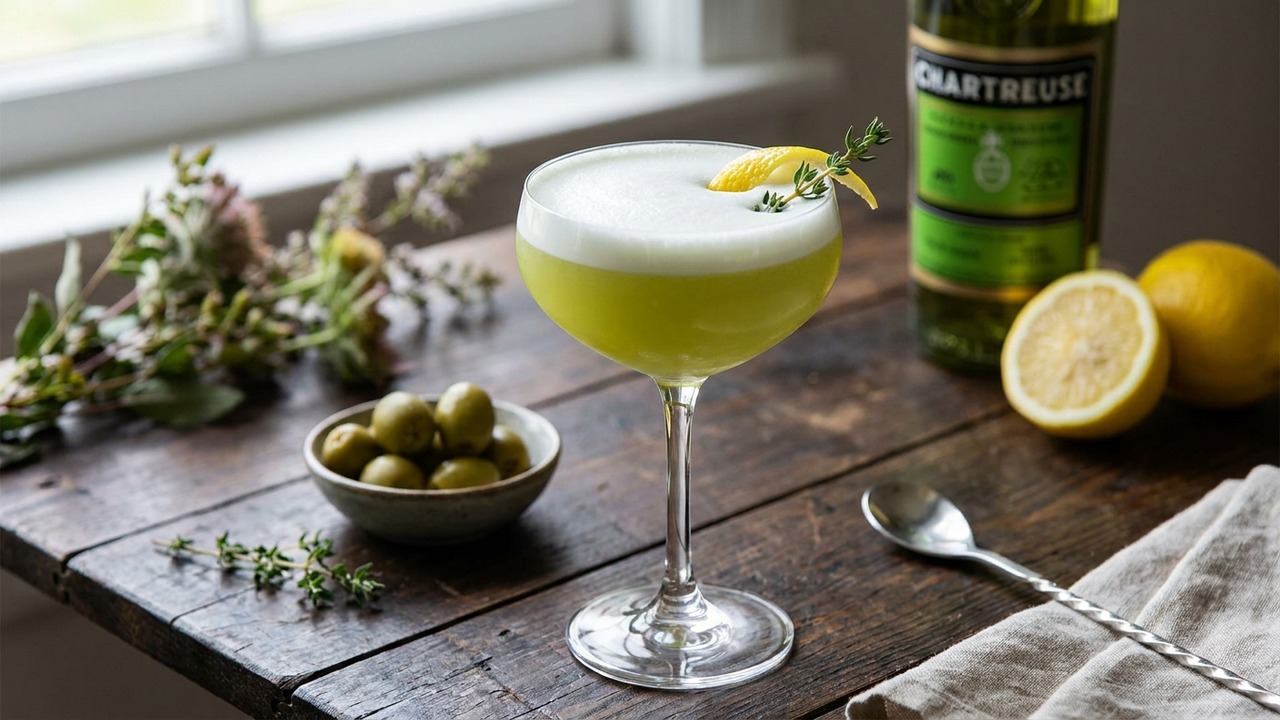
A bright, herbaceous sour built around French Green Chartreuse, fresh lemon, and silky egg white foam. This cocktail balances bold botanical intensity with citrus freshness for a layered, sophisticated sip that rewards careful shaking.
Ingredient Spotlight
Green Chartreuse
Green Chartreuse is a potent French herbal liqueur made by Carthusian monks with a secret blend of many mountain herbs and flowers. It is bright green and intensely aromatic, with a complex, sweet-yet-spicy herbal flavor featuring notes of mint, anise, citrus peel and alpine botanicals. Find it at well-stocked liquor stores or online; there’s no perfect substitute, but Yellow Chartreuse (milder) or a combination of herb-forward liqueurs like Strega or Benedictine with a dash of absinthe or anise can approximate its profile in cocktails.
Ingredient Spotlight
Angostura bitters
Angostura bitters are a concentrated aromatic bitters originally from Trinidad, used by the dash to add bitter, herbal depth to cocktails and some savory dishes. They smell and taste intensely spiced and bitter, with notes of cinnamon, clove, bitter bark and medicinal aromatics, and are used in very small amounts to balance sweetness. You can find them in most liquor stores and many supermarkets; substitutes include other aromatic bitters (e.g., Peychaud’s or Regans’) or, in a pinch, a tiny pinch of ground warm spices (allspice/clove/cinnamon) plus a splash of bitter herbal liqueur.
(paid link) — as an Amazon Associate we earn from qualifying purchases.
Jake Woods's note
"This Chartreuse Sour shines at intimate dinner parties or as a refined after-dinner treat — the herbal complexity makes it memorable. Home bartenders will enjoy the tactile pleasure of building a velvet foam and the opportunity to tune sweetness to taste."
About This Recipe
Chartreuse Sour is a small-statured cocktail with a big personality: the French Green Chartreuse drives the drink with a concentrated, alpine-herb intensity while fresh lemon and simple syrup keep it bright and approachable. The egg-white foam gives the whole thing a satiny mouthfeel that smooths the liqueur’s unmistakable vegetal punch, so each sip moves from citrus to herb and finishes clean with a faint warmth. This is a sipping sour—not a throwback to sweet tiki drinks—best enjoyed slowly so the layers can open.
This version leans into technique as much as ingredients. A vigorous dry shake followed by a hard, cold shake creates a dense, stable foam and the right dilution to tame Chartreuse without neutering it; a couple of dashes of Angostura on the foam add aromatic top notes and a decorative flourish that also frames the drink’s bitterness. Make it when you want a sophisticated aperitif or a digestif with substance—people who like botanicals, amaretti, or herbaceous gins will find this particularly rewarding, and it’s surprisingly versatile alongside small plates and cured snacks.
Ingredients for Chartreuse Sour
How to Make Chartreuse Sour
Step 1: Combine base ingredients and dry shake
Add Green Chartreuse, fresh lemon juice, simple syrup, and the egg whites to a cocktail shaker without ice. Seal and dry-shake vigorously for 15–20 seconds to emulsify the egg white and build a creamy foam.For this step
- 3 ozGreen Chartreuse
- 2 ozFresh lemon juice
- 1 1/2 ozSimple syrup (1:1)
- 2 piecesLarge egg whites
Step 2: Add ice and hard shake
Open the shaker, add the cubed ice, then re-seal and shake hard for 12–18 seconds until the shaker is well-chilled and frosty to the touch. This second shake chills and dilutes the cocktail while preserving the foam developed in the dry shake.For this step
- 1 1/2 cupsIce (cubed)
Step 3: Double strain into chilled glass
Double-strain the cocktail through a Hawthorne strainer and a fine mesh strainer into a chilled coupe or Nick & Nora glass to remove ice shards. The result should be smooth, silky, and topped with a stable foam layer.Step 4: Garnish and finish
Place 2 small dashes of Angostura bitters onto the foam and use a toothpick or skewer to create a small pattern if desired. Express a lemon twist over the drink, wipe the rim with the oils, and drop the twist onto the foam as garnish.For this step
- 4 dashesAngostura bitters
- 2 twistsLemon twist (garnish)
Step 5: Serve and taste tips
Serve immediately while the foam is fresh. If the cocktail tastes too herbal or strong, increase simple syrup by 0.25 oz (7.5 ml) per serving or add a half-barspoon of water to soften the intensity; to reduce sweetness, use Yellow Chartreuse or cut syrup slightly.


- Add Green Chartreuse, fresh lemon juice, simple syrup, and the egg whites to a cocktail shaker without ice. Seal and dry-shake vigorously for 15–20 seconds to emulsify the egg white and build a creamy foam.
- Open the shaker, add the cubed ice, then re-seal and shake hard for 12–18 seconds until the shaker is well-chilled and frosty to the touch. This second shake chills and dilutes the cocktail while preserving the foam developed in the dry shake.
- Double-strain the cocktail through a Hawthorne strainer and a fine mesh strainer into a chilled coupe or Nick & Nora glass to remove ice shards. The result should be smooth, silky, and topped with a stable foam layer.
- Place 2 small dashes of Angostura bitters onto the foam and use a toothpick or skewer to create a small pattern if desired. Express a lemon twist over the drink, wipe the rim with the oils, and drop the twist onto the foam as garnish.
- Serve immediately while the foam is fresh. If the cocktail tastes too herbal or strong, increase simple syrup by 0.25 oz (7.5 ml) per serving or add a half-barspoon of water to soften the intensity; to reduce sweetness, use Yellow Chartreuse or cut syrup slightly.
Chartreuse Sour Tips
Dry-shake duration
Dry-shake for a full 15–20 seconds—shorter shakes yield a thin foam, while a longer initial emulsification creates the signature silky head.
Use very cold tools
Chill your coupe and use a frosty metal shaker to speed chilling during the second shake so you don’t over-dilute while getting the right texture.
Strain carefully
Double-strain through both a Hawthorne and a fine-mesh sieve to remove tiny ice shards that can break the foam and cloud the presentation.
Balance the lemon
Taste the lemon before you squeeze; overly acidic fruit can pull the drink sharp—adjust simple syrup by 0.25 oz per serving if needed.
Bitters placement
Drop bitters onto the foam, not into the liquid, so their aromatic oils sit on top and perfume each sip without increasing bitterness.
Chartreuse Sour Variations and Substitutions
Yellow Chartreuse swap
Substitute Yellow Chartreuse for a softer, sweeter, lower-proof version that keeps herbal character but reduces intensity and sweetness needs.
Aquafaba vegan option
Replace egg whites with 1.5 oz aquafaba per serving and dry-shake a little longer; the foam will be lighter but still silky and stable.
Honey-lemongrass twist
Swap simple syrup for equal parts honey syrup (1:1 honey:water) and add a small bruised stalk of lemongrass to the shaker for a floral, savory lift.
Chartreuse-Gin hybrid
Cut Chartreuse to 2 oz and add 1 oz London dry gin to make the drink more structured and cocktail-like while retaining the herbal core.
How to Store and Make Chartreuse Sour Ahead
Do not store the finished cocktail with egg white foam—the texture collapses quickly. You can pre-batch the Chartreuse, lemon, and syrup (without egg white) in the fridge for up to 24–48 hours; add fresh egg white and perform the dry + wet shake just before serving. Leftover poured drinks should be consumed within an hour for best foam and brightness.
What to Serve With Chartreuse Sour
Serve as an aperitif with salty, umami bites like marcona almonds, serrano ham crostini, or a small plate of oysters to contrast the herbs. It also pairs beautifully with soft, tangy cheeses such as chèvre or a smoky salmon canapé; keep portions small so the cocktail’s aromatics remain the focus.
Chartreuse Sour FAQs
Can I use bottled lemon juice?
Fresh lemon is strongly recommended—bottled juice lacks the bright citrus oils and can yield a flat or slightly metallic flavor that won’t balance Chartreuse properly.
Is it safe to use raw egg whites?
Many people use raw egg whites in cocktails without issue, but if you’re concerned, use pasteurized egg whites or aquafaba as a vegan substitute to eliminate risk.
Why do I dry-shake before adding ice?
The dry shake emulsifies the egg white and builds foam; adding ice first would prevent creating a thick, stable head and can underwhip the foam.
My foam collapses quickly—what went wrong?
Common causes are under-shaking during the dry phase, warm ingredients or glassware, or insufficient emulsification; try colder tools and a longer dry shake, and ensure eggs or aquafaba are fresh.
How can I make this less herbal or intense?
Use Yellow Chartreuse, reduce the Chartreuse by 0.25–0.5 oz per serving, or add a splash of water (about a half barspoon) to soften the botanicals without altering texture.
About the author
Jake WoodsHello, I'm Jake. I started this recipe site with the idea that I hated recipe websites that overwhelm you with long stories and ads just to see plain content that's not helpful. My goal is to provide you with quality recipes, simple ideas and a fun cooking experience. There's lots of fun things to cook, and I think as you browse the site you'll find that TopShelf.Recipes is the place for quality recipes on the web.
See all recipes by Jake Woods →Ratings & Reviews
Did you make this recipe?
Be the first to share your experience.
Nutrition Facts
Per serving: 1 serving (approx. 305g)
Nutrition values are estimated from USDA ingredient data and may vary based on preparation, brands, and portion sizes. Values are provided for informational purposes only.
Keep Reading
Guides & articles for this recipe
Guides
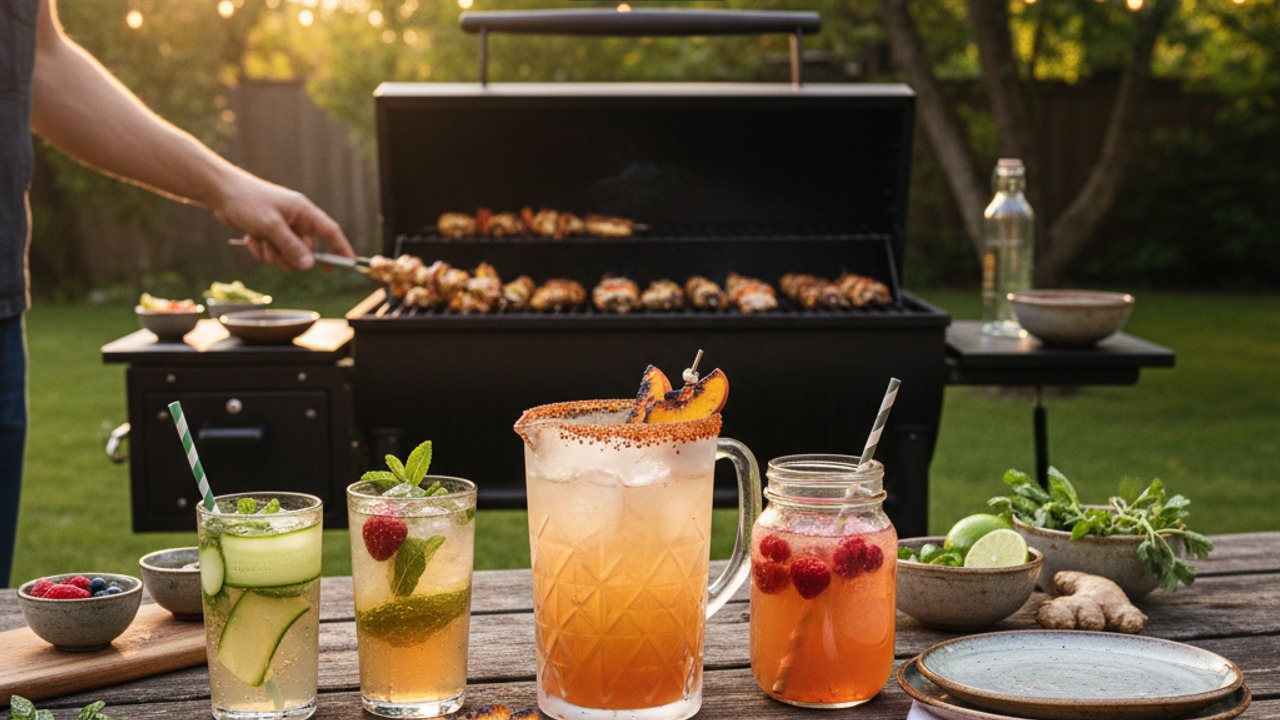
Trending Grillside Drinks for 2026: Cocktails, Low‑ABV Sippers, and Non‑Alcoholic Pairings to Elevate Backyard BBQ
Discover the hottest drinks to serve alongside summer grilling in 2026 — from smoked‑syrup cocktails and barrel‑aged RTDs to low‑ABV spritzes, shrubs, kombuchas, and tea blends. Includes batch-making tips, safety notes, and pairing suggestions for common grilled proteins and sides.
Recipes
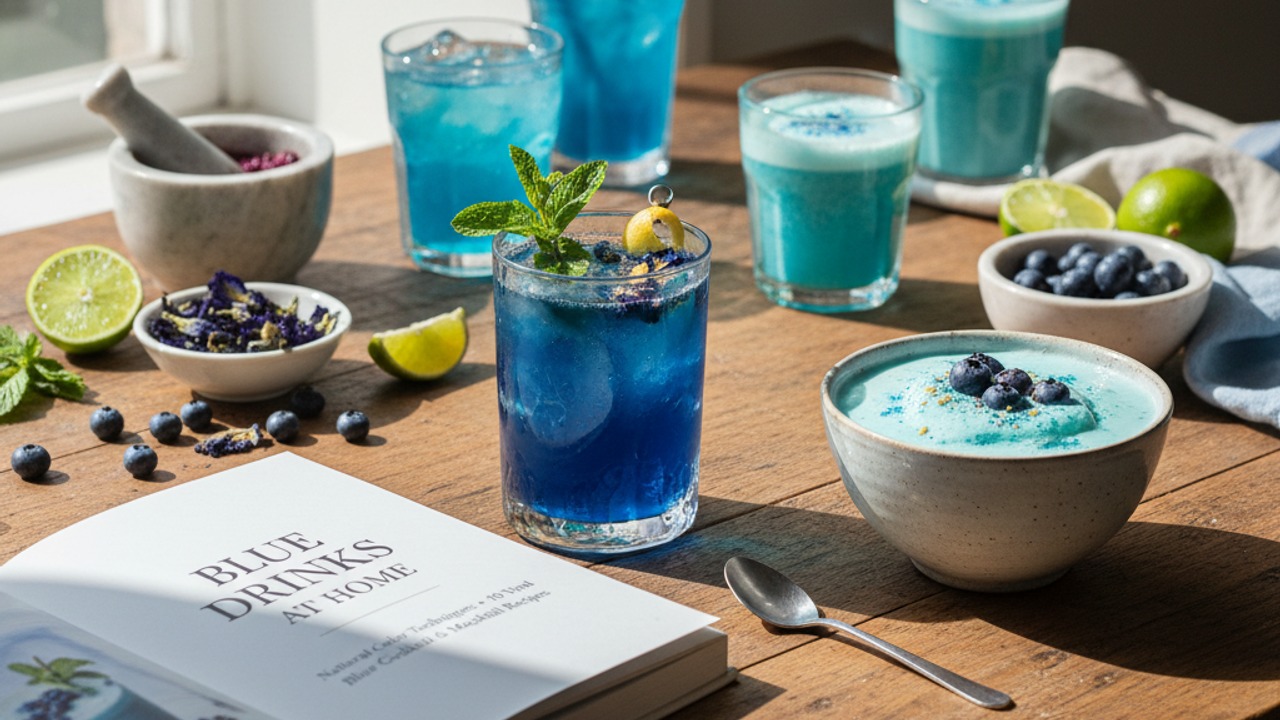
Blue Drinks at Home: Natural Color Techniques + 10 Viral Blue Cocktail & Mocktail Recipes
Discover how to make stunning blue drinks at home using natural ingredients like butterfly pea and blue spirulina. This guide includes practical techniques, storage tips, and 10 viral cocktail and mocktail recipes — many with grilled-garnish ideas for backyard entertaining.

Healthy Eating
Gluten-Free Weeknight Grilling Plan
A 7-day gluten-free weeknight grilling plan with quick, family-friendly recipes, prep-ahead timelines, and a printable shopping list that spotlights late-summer produce and pantry staples. Includes clear cross-contamination safety tips and simple swaps to keep dinners fast and crowd-pleasing.
More from Drinks
View all Drinks recipes →
Watermelon Agua Fresca (Easy Blender Recipe)

Brown Butter Dalgona

Mushroom Mocha Latte

Hibiscus Cold Brew Fizz

Boozy Red White Blue Popsicles (Vodka Ice Pops for Adults)

Hibiscus Simple Syrup

Affogato with Caramel

Bourbon Canned Peaches

Labor Day Grilled-Pineapple Rum Punch (Large-Batch, Grill-Ready)
Ask me anything about this recipe — substitutions, scaling, techniques, timing.
Powered by AI · 6 questions per 5 minutes, 30 per day