Hibiscus Simple Syrup
A bright, floral simple syrup made by steeping tart hibiscus flowers in a 1:1 sugar syrup. It adds vivid color and tang to iced tea, sparkling water, and cocktails, and is quick to make with pantry-stable ingredients.
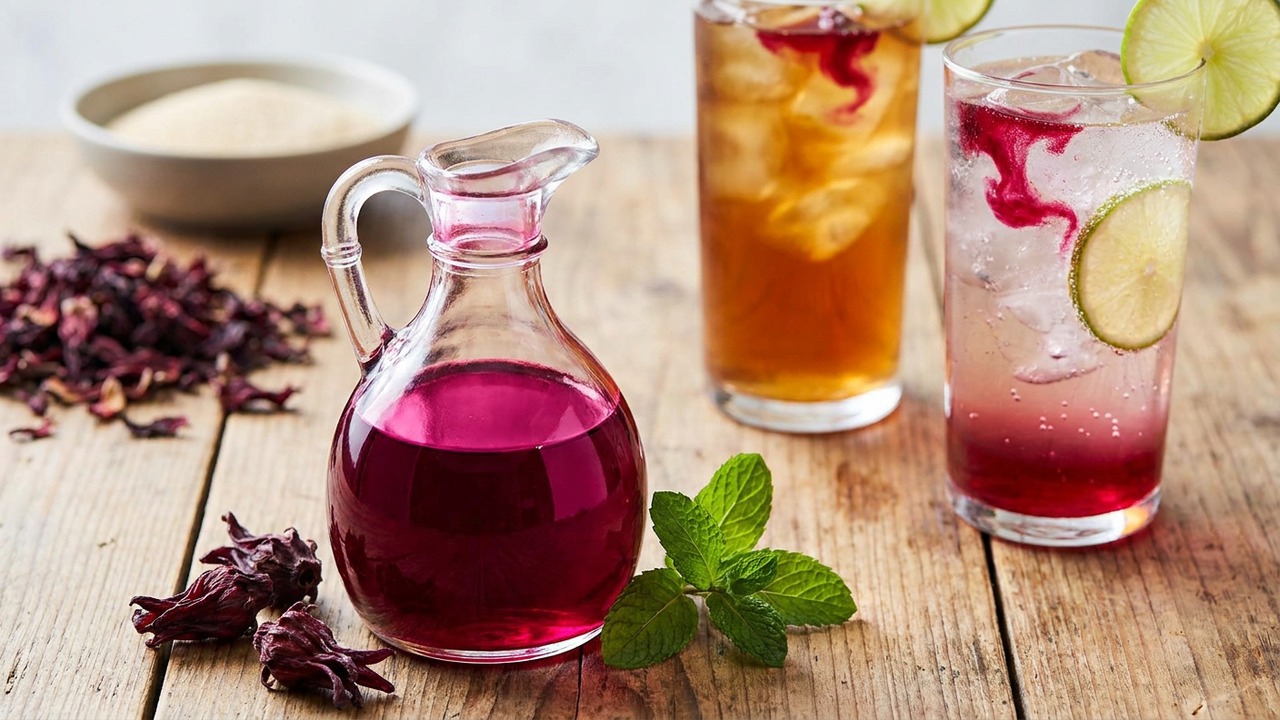
Ingredient Spotlight
Dried hibiscus flowers (crushed or whole)
Dried petals of Hibiscus sabdariffa (commonly called flor de Jamaica, karkade, or sorrel) used across Mexican, Caribbean, West African and Middle Eastern cuisines for tangy drinks, syrups and jams. They give a bright, tart, cranberry‑like flavor with floral notes and a deep magenta color. You can find them at Latin/Caribbean or Middle Eastern markets, specialty tea shops, or the tea/herb aisle of large supermarkets; a good substitute is brewed hibiscus tea or, in a pinch, unsweetened cranberry or pomegranate juice to mimic the tartness and color, though the exact floral note will be missing.
Jake Woods's note
"This hibiscus syrup brings a gorgeous magenta hue and a clean, tart floral note to drinks — perfect for summer pitchers and cocktails. Home cooks will love how a small batch elevates everyday beverages with minimal effort."
About This Recipe
Hibiscus simple syrup is a tiny, high-impact ingredient: a vivid magenta concentrate that brings tart floral lift, astringent depth and a citrusy brightness to drinks and desserts. This version starts with a classic 1:1 sugar-to-water syrup and leans into the hibiscus’s natural acidity, finishing with lime to sharpen the edges and a pinch of salt to round out the sweetness. The optional orange peel and cinnamon stick are gestures — they don’t compete with hibiscus but add warm undernotes that make the syrup feel finished rather than one-note.
What makes this recipe practical is a focus on technique: warm, not boiling, to dissolve sugar, a short, covered steep so you get bright color without tannic bitterness, and a simple squeeze of lime at the end to lift the floral notes. It’s fast enough for weeknight drinks, sturdy enough for batch cocktail service, and flexible enough to freeze into portioned cubes. If you like cold-brewed iced tea, fizzy spritzes or vividly colored cocktails and mocktails, this syrup is a small jar of flavor that will change how you think about sweetening beverages.
Ingredients for Hibiscus Simple Syrup
- 1 cup Granulated sugar
- 1 cup Water
- 1 cup Dried hibiscus flowers (crushed or whole)
- 1 tsp (zest) Lime zest
- 1 strip Orange peel (optional, one 1-inch strip)
- 1 stick Cinnamon stick (optional)
- a pinch Fine sea salt
- 1 tbsp Fresh lime juice (to finish, optional)
How to Make Hibiscus Simple Syrup
Step 1: Warm the sugar and water
Combine the granulated sugar and water in a small saucepan and place over medium heat. Stir occasionally until the sugar is completely dissolved and the liquid is just coming to a simmer; do not boil vigorously. Once dissolved, reduce heat to low to prepare for steeping the hibiscus.For this step
- 1 cupGranulated sugar
- 1 cupWater
Step 2: Steep hibiscus and aromatics
Remove the pan from direct heat and add the dried hibiscus flowers, lime zest, optional orange peel and cinnamon stick, plus the pinch of salt. Return the pan to the lowest heat for about 30–60 seconds to wake the aromatics, then remove from heat and cover. Let the mixture steep, covered, for 10–15 minutes until the syrup is a deep magenta and fragrant.For this step
- 1 cupDried hibiscus flowers (crushed or whole)
- 1 tsp (zest)Lime zest
- 1 stripOrange peel (optional, one 1-inch strip)
- 1 stickCinnamon stick (optional)
- a pinchFine sea salt
Step 3: Strain and extract
Set a fine-mesh sieve lined with cheesecloth over a heatproof bowl or jar and pour the syrup through to strain out the solids. Use the back of a spoon or a spatula to press the solids gently and extract as much liquid as possible. Discard the solids and allow the strained syrup to cool slightly.Step 4: Brighten and adjust
Stir in the fresh lime juice to taste to add brightness and lift the floral notes; start with 1 tablespoon and add more if you prefer a tangier profile. Taste the syrup and, if needed, dilute with a tablespoon or two of water for less sweetness or add a touch more sugar warmed briefly to increase sweetness. Strain once more if any zest or particles remain.For this step
- 1 tbspFresh lime juice (to finish, optional)
Step 5: Cool, store, and use
Transfer the cooled syrup to a clean jar with a tight-fitting lid and refrigerate; it will keep for up to 2 weeks or can be frozen for longer storage. Use 1–2 tablespoons per glass for iced tea, sparkling water, mocktails, or cocktails, and shake or stir to combine.


- Combine the granulated sugar and water in a small saucepan and place over medium heat. Stir occasionally until the sugar is completely dissolved and the liquid is just coming to a simmer; do not boil vigorously. Once dissolved, reduce heat to low to prepare for steeping the hibiscus.
- Remove the pan from direct heat and add the dried hibiscus flowers, lime zest, optional orange peel and cinnamon stick, plus the pinch of salt. Return the pan to the lowest heat for about 30–60 seconds to wake the aromatics, then remove from heat and cover. Let the mixture steep, covered, for 10–15 minutes until the syrup is a deep magenta and fragrant.
- Set a fine-mesh sieve lined with cheesecloth over a heatproof bowl or jar and pour the syrup through to strain out the solids. Use the back of a spoon or a spatula to press the solids gently and extract as much liquid as possible. Discard the solids and allow the strained syrup to cool slightly.
- Stir in the fresh lime juice to taste to add brightness and lift the floral notes; start with 1 tablespoon and add more if you prefer a tangier profile. Taste the syrup and, if needed, dilute with a tablespoon or two of water for less sweetness or add a touch more sugar warmed briefly to increase sweetness. Strain once more if any zest or particles remain.
- Transfer the cooled syrup to a clean jar with a tight-fitting lid and refrigerate; it will keep for up to 2 weeks or can be frozen for longer storage. Use 1–2 tablespoons per glass for iced tea, sparkling water, mocktails, or cocktails, and shake or stir to combine.
Hibiscus Simple Syrup Tips
Warm, don’t boil
Heat the syrup just to a simmer to dissolve sugar; vigorous boiling can dull the hibiscus’s bright color and introduce off flavors from caramelization.
Short covered steep
Steep 10–15 minutes covered to preserve volatile aromatics—longer steeping extracts tannins and can make the syrup bitter.
Press, don’t squeeze
When straining, press the solids gently with a spoon; overworking the flowers can release gritty bits and extra astringency.
Use a double strain
Line your sieve with cheesecloth and finish with a fine-mesh or coffee filter if you want a crystal-clear syrup for cocktails.
Finish with acid
Add lime juice last and taste—acid brightens the floral notes and stabilizes color, so start small and adjust to your preference.
Hibiscus Simple Syrup Variations and Substitutions
Cold-steep method
Combine the sugar and water until dissolved, add hibiscus, then refrigerate and steep 12–24 hours for a smoother, less astringent profile; strain as directed.
Honey or agave swap
Use equal parts mild honey or agave to water (1:1) warmed gently to dissolve—expect a darker color and a rounder, less crystalline sweetness.
Spiced hibiscus syrup
Add a star anise pod and a few crushed cardamom pods during the steep for a warmer, more complex syrup that pairs beautifully with rum and tea.
Reduced-sugar version
Cut sugar to 3/4 cup with 1 cup water and steep as usual; the syrup will be less viscous and more tart—use a little more per drink to compensate.
How to Store and Make Hibiscus Simple Syrup Ahead
Store the cooled syrup in a clean jar with a tight-fitting lid in the refrigerator for up to two weeks. For longer storage, freeze in ice-cube trays and transfer the frozen cubes to a labeled bag; thaw individual cubes as needed. If sediment forms, simply strain or pour clear syrup off the top before use.
What to Serve With Hibiscus Simple Syrup
Stir 1–2 tablespoons into iced black or green tea for an instant floral iced tea, or add to sparkling water with a squeeze of lemon for a refreshing spritz. Use it in cocktails like a hibiscus margarita (swap for simple syrup) or a gin fizz to add color and tartness, and drizzle sparingly over plain yogurt, panna cotta, or fresh fruit to elevate desserts. Because it’s vividly flavored, pair with light, citrus-forward foods—grilled shrimp, goat cheese crostini, or citrus salads—for balanced pairings.
Hibiscus Simple Syrup FAQs
Can I use fresh hibiscus instead of dried?
Yes—fresh roselle calyces are more hydrated and intensely flavored, so use about 1.5–2 cups packed fresh petals to replace 1 cup dried and shorten the steeping slightly to avoid over-extraction.
Why did my syrup taste bitter or astringent?
Over-steeping, using water that’s too hot, or pressing the flowers too aggressively can release tannins and bitterness; a shorter covered steep and gentle pressing will keep the syrup bright.
Will the color change when I add lime or mix it into drinks?
Hibiscus pigments are pH-sensitive—acidic ingredients like lime typically enhance the red-magenta, while alkaline mixers or highly mineral waters can shift it toward purple or blue.
How much syrup should I use in a cocktail?
Start with 1/2 to 1 ounce (about 1–2 tablespoons) per drink and adjust to taste depending on sweetness and tartness desired.
Can I make a sugar-free version?
You can use erythritol or monk fruit blends, but they dissolve differently and may leave a cooling aftertaste; warm the water to help dissolve sugar substitutes and expect a thinner mouthfeel.
About the author
Jake WoodsHello, I'm Jake. I started this recipe site with the idea that I hated recipe websites that overwhelm you with long stories and ads just to see plain content that's not helpful. My goal is to provide you with quality recipes, simple ideas and a fun cooking experience. There's lots of fun things to cook, and I think as you browse the site you'll find that TopShelf.Recipes is the place for quality recipes on the web.
See all recipes by Jake Woods →Ratings & Reviews
Did you make this recipe?
Be the first to share your experience.
Nutrition Facts
Per serving: about 12 fl oz
Nutrition values are estimated from USDA ingredient data and may vary based on preparation, brands, and portion sizes. Values are provided for informational purposes only.
Keep Reading
Guides & articles for this recipe
Guides
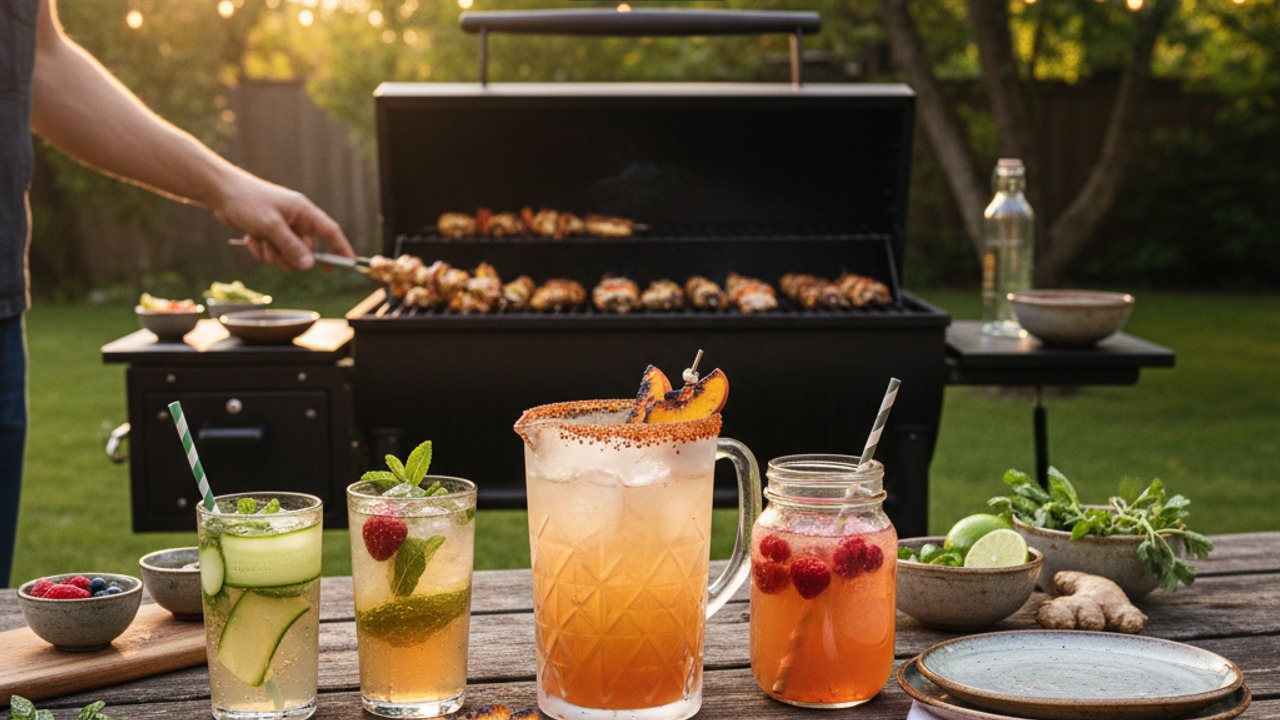
Trending Grillside Drinks for 2026: Cocktails, Low‑ABV Sippers, and Non‑Alcoholic Pairings to Elevate Backyard BBQ
Discover the hottest drinks to serve alongside summer grilling in 2026 — from smoked‑syrup cocktails and barrel‑aged RTDs to low‑ABV spritzes, shrubs, kombuchas, and tea blends. Includes batch-making tips, safety notes, and pairing suggestions for common grilled proteins and sides.
Recipes
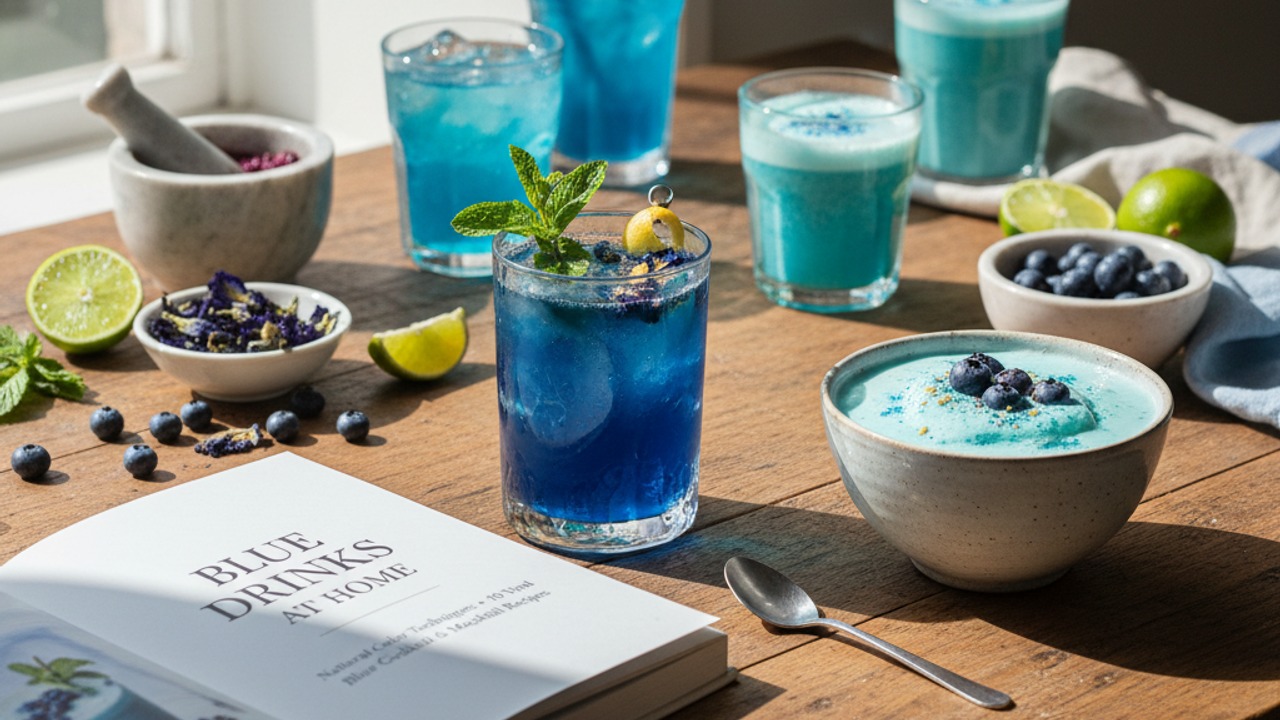
Blue Drinks at Home: Natural Color Techniques + 10 Viral Blue Cocktail & Mocktail Recipes
Discover how to make stunning blue drinks at home using natural ingredients like butterfly pea and blue spirulina. This guide includes practical techniques, storage tips, and 10 viral cocktail and mocktail recipes — many with grilled-garnish ideas for backyard entertaining.

Healthy Eating
Gluten-Free Weeknight Grilling Plan
A 7-day gluten-free weeknight grilling plan with quick, family-friendly recipes, prep-ahead timelines, and a printable shopping list that spotlights late-summer produce and pantry staples. Includes clear cross-contamination safety tips and simple swaps to keep dinners fast and crowd-pleasing.
More from Drinks
View all Drinks recipes →
Brown Butter Dalgona

Mushroom Mocha Latte

Hibiscus Cold Brew Fizz

Boozy Red White Blue Popsicles (Vodka Ice Pops for Adults)

Affogato with Caramel

Bourbon Canned Peaches

Labor Day Grilled-Pineapple Rum Punch (Large-Batch, Grill-Ready)

Homemade Eggnog

Strawberry Mint Limeade Mocktail
Ask me anything about this recipe — substitutions, scaling, techniques, timing.
Powered by AI · 6 questions per 5 minutes, 30 per day