Homemade Eggnog
A rich, creamy homemade eggnog that's easy to make and infinitely adaptable — serve it boozy for adults or skip the alcohol for a family-friendly treat. This recipe includes a safe gentle-cooking method and clear storage guidance so you can enjoy holiday cups worry-free.
Jake Woods's note
"This eggnog shines at holiday gatherings and feels extra-special when made a day ahead so flavors meld. Home cooks will love that it’s rich and customizable — add bourbon or rum for an adult version or omit it for a kid-friendly classic."
About This Recipe
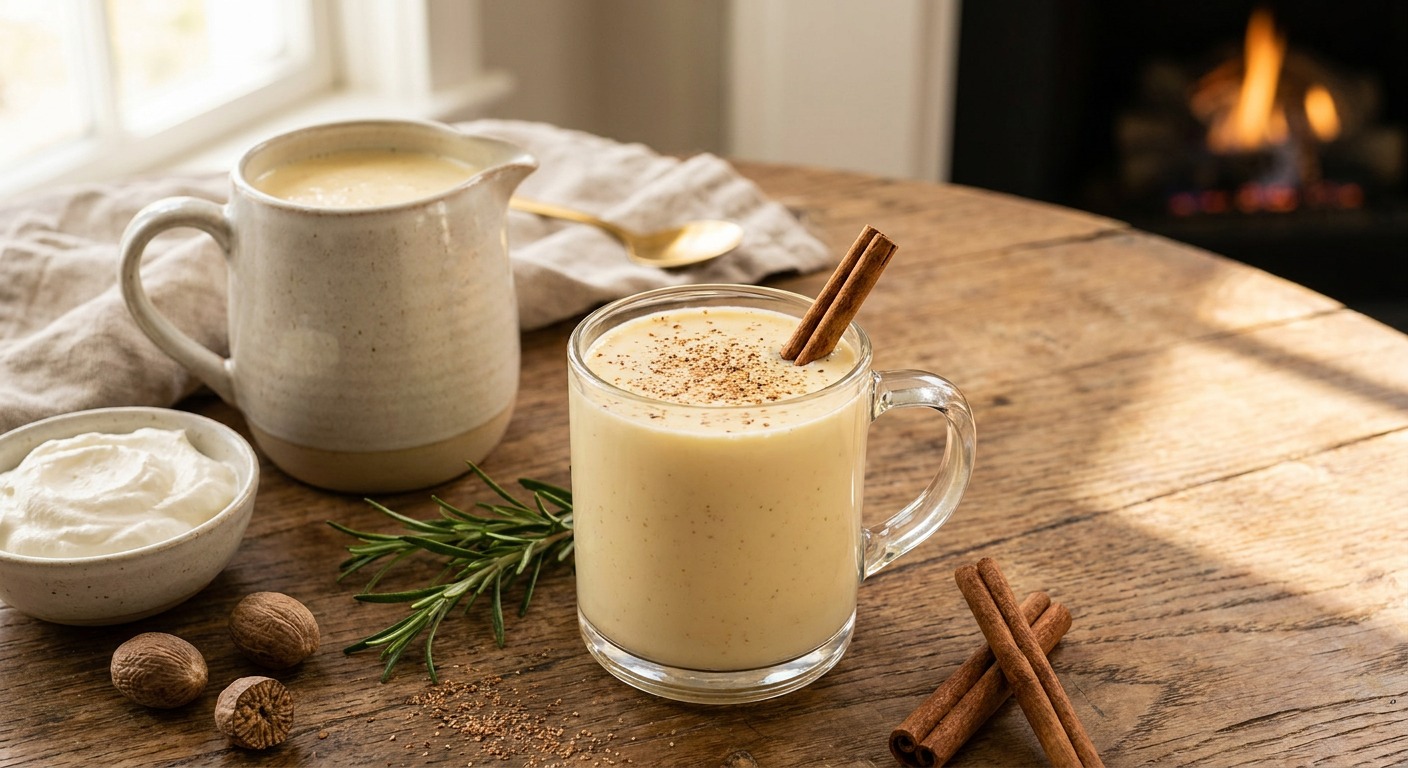
This homemade eggnog is the kind of velvet-rich, gently boozy holiday drink that tastes like the season in a glass. The backbone is a cooked egg custard—egg yolks whisked with sugar, tempered with hot milk steeped with a cinnamon stick—so it develops a smooth, custardy mouthfeel rather than tasting eggy. Folding in softly whipped cream and lightly beaten egg whites produces a frothy, spoonable pour that still carries the full, round flavor of whole milk and cream; a final grate of fresh nutmeg adds aromatic lift and a slightly bitter counterpoint to the sweet base.
What makes this particular version work is the attention to both safety and texture: the custard is gently heated to 160°F to pasteurize without curdling, a pinch of salt sharpens the flavors, and the milk-to-cream ratio keeps the drink indulgent without becoming cloying. Omit the bourbon or rum for a family-friendly batch or experiment with blends of spirits for depth; this recipe chills beautifully overnight, which makes it ideal for hosts who want something impressive ready ahead of time. Serve from a chilled pitcher with extra nutmeg and cinnamon sticks for stirring—it's a drink designed to be shared, adjusted, and sipped slowly.
Ingredients for Homemade Eggnog
- 6 count Large egg yolks
- 3/4 cup Granulated sugar
- a pinch Salt (fine)
- 2 cups Whole milk
- 1 stick Cinnamon stick
- 1 teaspoon Vanilla extract
- 1 cup Heavy cream
- 6 count Large egg whites
- 3/4 cup Bourbon or dark rum (optional)
- 1/2 teaspoon Freshly grated nutmeg
How to Make Homemade Eggnog
Step 1: Whisk yolks with sugar
In a large heatproof bowl, whisk together the egg yolks, granulated sugar, and fine salt until the mixture is pale and slightly thickened, about 1–2 minutes. This creates the base of the custard and helps the sugar dissolve completely.For this step
- 6 countLarge egg yolks
- 3/4 cupGranulated sugar
- a pinchSalt (fine)
Step 2: Warm the milk and infuse
Combine the whole milk and cinnamon stick in a medium saucepan and warm over medium heat until steaming and small bubbles form at the edges (do not boil). Remove from heat and let the cinnamon steep for 5 minutes to infuse flavor, then discard the stick.For this step
- 2 cupsWhole milk
- 1 stickCinnamon stick
Step 3: Temper and cook the custard (safety step)
Slowly pour about one cup of the hot milk into the yolk mixture while whisking constantly to temper the eggs, then return the tempered mixture to the saucepan. Cook over low heat, stirring constantly, until the mixture reaches 160°F (71°C) or thickens enough to coat the back of a spoon, about 3–5 minutes; this gently pasteurizes the eggs for safety. Remove from heat and stir in the vanilla, then let cool for 10 minutes.For this step
- 1 teaspoonVanilla extract
Step 4: Fold in cream, beaten whites and (optional) alcohol
Whip the heavy cream to soft peaks and, in a separate clean bowl, beat the egg whites to soft peaks; gently fold both into the cooled custard for a light, frothy texture. If making the adult version, stir in the bourbon or rum now; for a family-friendly version omit the alcohol and add an extra 1/4 cup heavy cream if you like. Taste and adjust sweetness or alcohol level, then cover.For this step
- 1 cupHeavy cream
- 6 countLarge egg whites
- 3/4 cupBourbon or dark rum (optional)
Step 5: Chill, serve and store
Chill the eggnog at least 2 hours (overnight is best) to let flavors meld. Serve cold in chilled glasses and grate fresh nutmeg over each cup; keep refrigerated and consume within 3 days if cooked and/or boozy, and within 48–72 hours for non-alcoholic batches, discarding if it develops off odors or separation.For this step
- 1/2 teaspoonFreshly grated nutmeg


- In a large heatproof bowl, whisk together the egg yolks, granulated sugar, and fine salt until the mixture is pale and slightly thickened, about 1–2 minutes. This creates the base of the custard and helps the sugar dissolve completely.
- Combine the whole milk and cinnamon stick in a medium saucepan and warm over medium heat until steaming and small bubbles form at the edges (do not boil). Remove from heat and let the cinnamon steep for 5 minutes to infuse flavor, then discard the stick.
- Slowly pour about one cup of the hot milk into the yolk mixture while whisking constantly to temper the eggs, then return the tempered mixture to the saucepan. Cook over low heat, stirring constantly, until the mixture reaches 160°F (71°C) or thickens enough to coat the back of a spoon, about 3–5 minutes; this gently pasteurizes the eggs for safety. Remove from heat and stir in the vanilla, then let cool for 10 minutes.
- Whip the heavy cream to soft peaks and, in a separate clean bowl, beat the egg whites to soft peaks; gently fold both into the cooled custard for a light, frothy texture. If making the adult version, stir in the bourbon or rum now; for a family-friendly version omit the alcohol and add an extra 1/4 cup heavy cream if you like. Taste and adjust sweetness or alcohol level, then cover.
- Chill the eggnog at least 2 hours (overnight is best) to let flavors meld. Serve cold in chilled glasses and grate fresh nutmeg over each cup; keep refrigerated and consume within 3 days if cooked and/or boozy, and within 48–72 hours for non-alcoholic batches, discarding if it develops off odors or separation.
Homemade Eggnog Tips
Aim for 160°F
Use an instant-read thermometer and heat the custard to 160°F (71°C) to gently pasteurize the eggs; this prevents scrambling while ensuring safety.
Temper the yolks
Add the hot milk slowly while whisking to raise the yolks' temperature without curdling; once warmed, return everything to the pan and finish over low heat.
Steep spices first
Let the cinnamon stick steep in the hot milk off the heat for several minutes so you get a rounded, not sharp, spice note; discard the stick before tempering.
Whip to soft peaks
Whip both the cream and the egg whites only to soft peaks so the final texture is airy and luxurious rather than dry or grainy.
Adjust after chilling
Taste and tweak sugar or alcohol level after the mixture has chilled because flavors mellow as the eggnog rests.
Homemade Eggnog Variations and Substitutions
Non-Alcoholic Upgrade
Omit the bourbon/rum and add an extra 1/4 cup heavy cream for richness; a teaspoon of good-quality vanilla paste deepens flavor in place of boozy notes.
Maple & Toasted Pecans
Replace half the sugar with pure maple syrup and stir in a tablespoon of toasted pecan butter or garnish with chopped toasted pecans for a warm, nutty twist.
Coconut-Vegan Nog
Use full-fat canned coconut milk plus a cup of cashew cream and swap egg yolks/whites for 1 cup blended silken tofu or 3/4 cup aquafaba whipped to soft peaks for a vegan-friendly alternative.
Chai-Spiced Nog
Infuse the milk with a chai bag or a blend of cardamom, cloves, and star anise along with the cinnamon for a spicier, tea-inspired version.
How to Store and Make Homemade Eggnog Ahead
Keep eggnog refrigerated in an airtight container for best quality; cooked (and/or boozy) batches will keep 48–72 hours and non-alcoholic versions 48–72 hours as well, but always check smell and appearance before serving. Do not freeze—the texture separates and becomes grainy; if separation occurs from chilling, whisk or shake vigorously to recombine before serving. Warm gently over low heat if you prefer to serve it warm, but never boil.
What to Serve With Homemade Eggnog
Serve chilled in small, slightly warmed or chilled glasses with a generous grate of fresh nutmeg and a cinnamon stick for stirring; for a decadent touch add a dollop of whipped cream. Pair with gingerbread, sticky toffee pudding, or spiced cookies to echo the warm spice notes, and consider offering coffee or a citrusy sparkling wine as a palate-bridging accompaniment.
Homemade Eggnog FAQs
Is this eggnog safe to drink since it has eggs?
Yes—this recipe gently cooks the yolk mixture to 160°F, which pasteurizes the eggs and makes the custard safe for most people; those who are immunocompromised, pregnant, or extremely cautious should consult a doctor or use pasteurized eggs or an eggless alternative.
How can I tell when the custard is done?
The custard is ready when an instant-read thermometer reads 160°F (71°C) or when it coats the back of a spoon and leaves a clear line when you run your finger through it; avoid letting it come to a boil to prevent curdling.
Can I make this ahead for a party?
Yes—the flavor improves after chilling for several hours or overnight, making it a great make-ahead cocktail or family treat; keep it refrigerated and give it a quick stir before serving.
How should I adjust the alcohol level?
Start with the listed 3/4 cup for the whole batch and add in increments, tasting as you go; remember that the alcohol will mellow slightly as the eggnog chills, so err on the conservative side if you want a subtle warmth.
Why did my eggnog separate or look grainy?
Separation usually happens from overheating (curdling) or freezing; salvage a slightly separated batch by whisking vigorously or blending briefly—if it smells off or tastes sour, discard it.
About the author
Jake WoodsHello, I'm Jake. I started this recipe site with the idea that I hated recipe websites that overwhelm you with long stories and ads just to see plain content that's not helpful. My goal is to provide you with quality recipes, simple ideas and a fun cooking experience. There's lots of fun things to cook, and I think as you browse the site you'll find that TopShelf.Recipes is the place for quality recipes on the web.
See all recipes by Jake Woods →Ratings & Reviews
Did you make this recipe?
Be the first to share your experience.
Nutrition Facts
Per serving: 1 cocktail
Nutrition values are estimated from USDA ingredient data and may vary based on preparation, brands, and portion sizes. Values are provided for informational purposes only.
Keep Reading
Guides & articles for this recipe
Guides
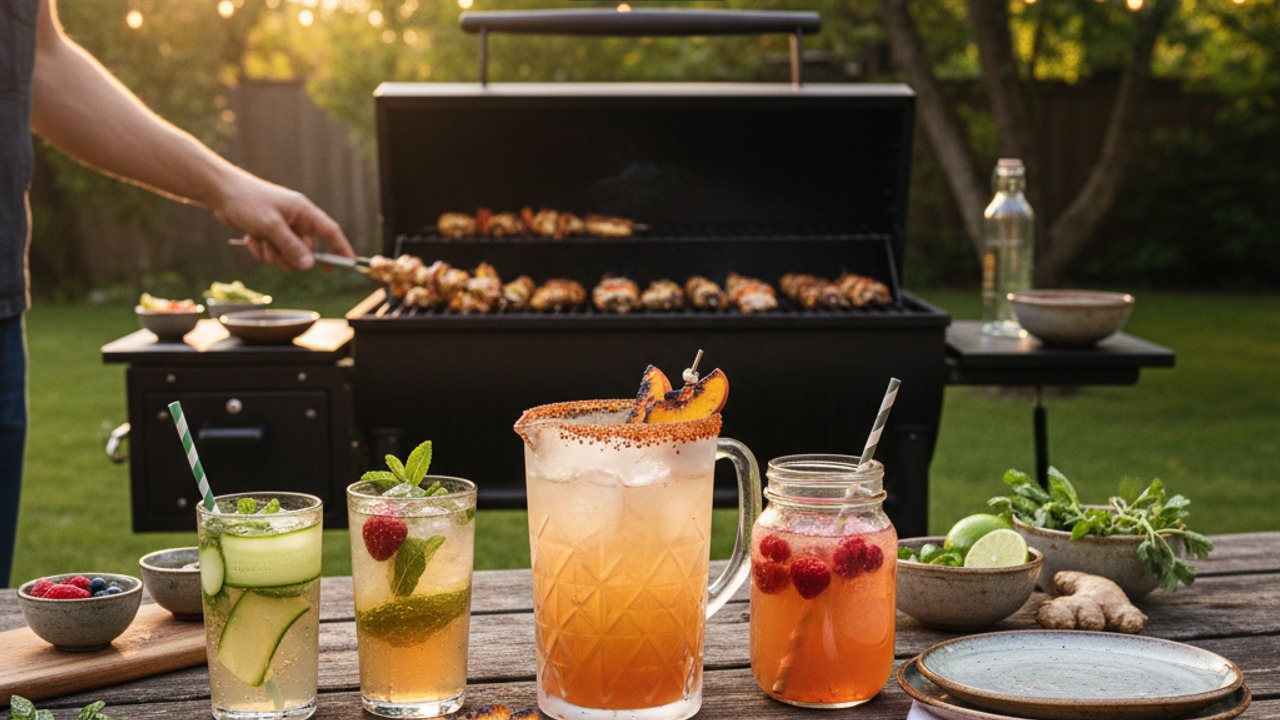
Trending Grillside Drinks for 2026: Cocktails, Low‑ABV Sippers, and Non‑Alcoholic Pairings to Elevate Backyard BBQ
Discover the hottest drinks to serve alongside summer grilling in 2026 — from smoked‑syrup cocktails and barrel‑aged RTDs to low‑ABV spritzes, shrubs, kombuchas, and tea blends. Includes batch-making tips, safety notes, and pairing suggestions for common grilled proteins and sides.
Recipes
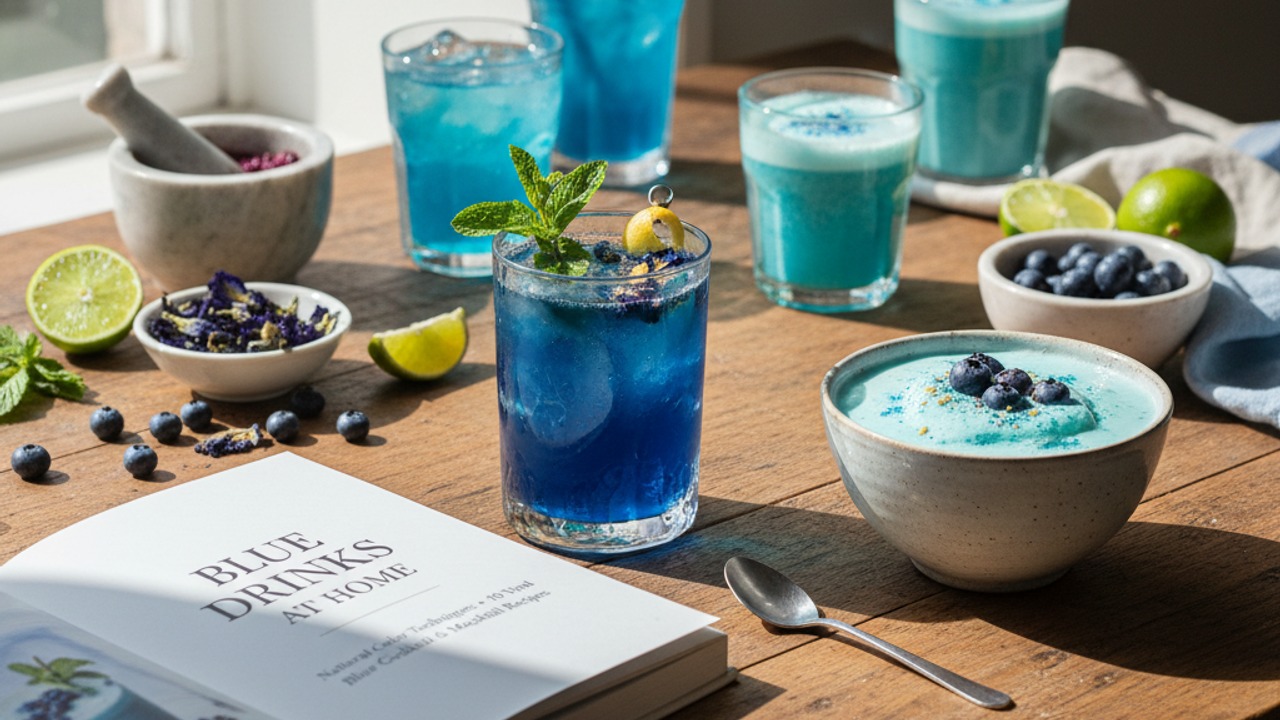
Blue Drinks at Home: Natural Color Techniques + 10 Viral Blue Cocktail & Mocktail Recipes
Discover how to make stunning blue drinks at home using natural ingredients like butterfly pea and blue spirulina. This guide includes practical techniques, storage tips, and 10 viral cocktail and mocktail recipes — many with grilled-garnish ideas for backyard entertaining.

Healthy Eating
Gluten-Free Weeknight Grilling Plan
A 7-day gluten-free weeknight grilling plan with quick, family-friendly recipes, prep-ahead timelines, and a printable shopping list that spotlights late-summer produce and pantry staples. Includes clear cross-contamination safety tips and simple swaps to keep dinners fast and crowd-pleasing.
More from Drinks
View all Drinks recipes →
Brown Butter Dalgona

Mushroom Mocha Latte

Hibiscus Cold Brew Fizz

Boozy Red White Blue Popsicles (Vodka Ice Pops for Adults)

Hibiscus Simple Syrup

Affogato with Caramel

Bourbon Canned Peaches

Labor Day Grilled-Pineapple Rum Punch (Large-Batch, Grill-Ready)

Strawberry Mint Limeade Mocktail
Ask me anything about this recipe — substitutions, scaling, techniques, timing.
Powered by AI · 6 questions per 5 minutes, 30 per day