Easy BBQ Pulled Pork
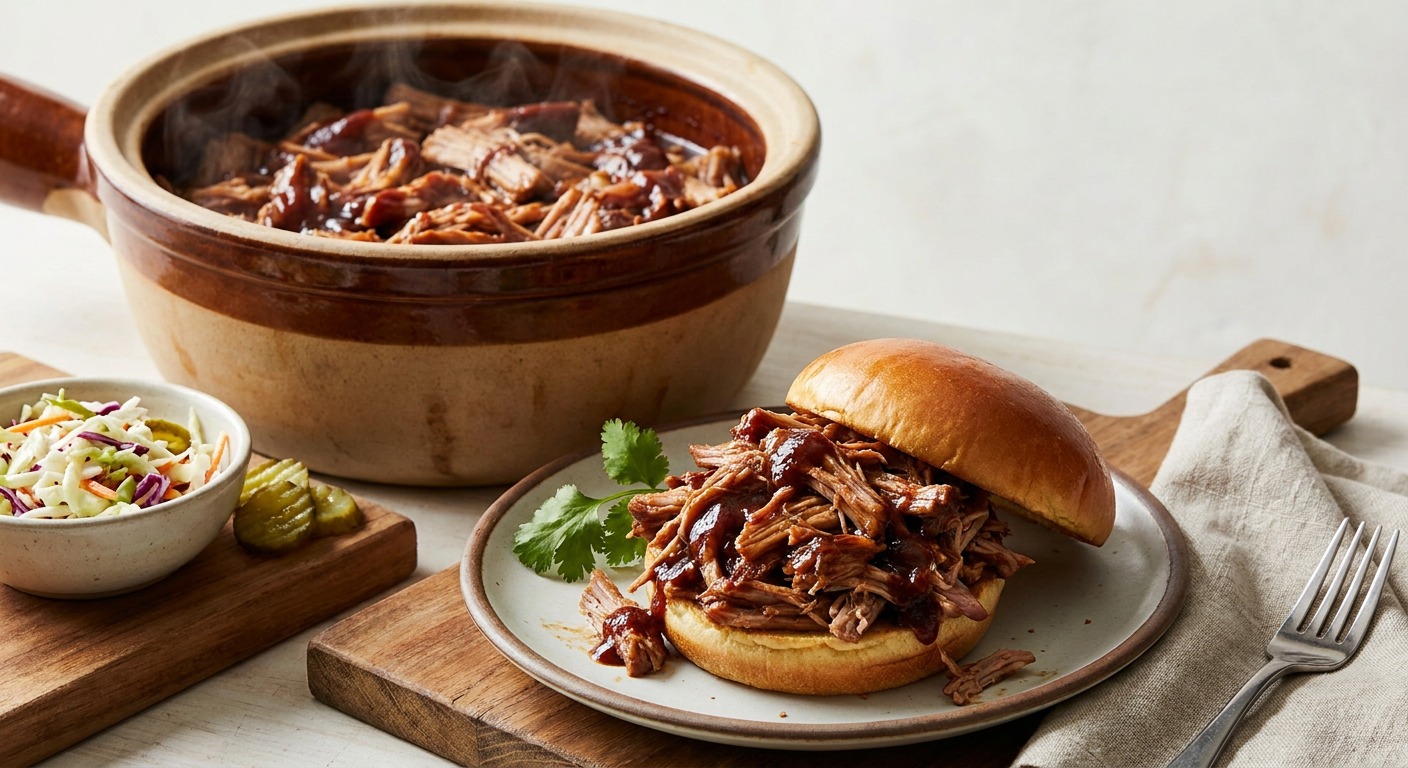
Tender, flavorful pulled pork slow-cooked in a crock pot until it falls apart, then tossed with tangy BBQ sauce. Hands-off slow cooking makes this an ideal weeknight dinner or party-friendly sandwich filling.
Sara's note
"This simple slow-cooker pulled pork is perfect for busy days, potlucks, or game-day feeding — set it and forget it. The long, gentle cook gives reliably tender meat without the fuss of smoking or grilling."
About This Recipe
This easy BBQ pulled pork is the kind of recipe that pays back patience with pure comfort. A simple dry rub of brown sugar and smoked paprika builds a sweet, smoky crust on a forgiving pork shoulder while apple cider vinegar in the slow cooker keeps the meat bright and moist as it breaks down for hours; the result is fork-tender strands that soak up sauce without losing texture. Because the method is hands-off and the ingredients are pantry-friendly, this version is ideal for busy weeknights, potlucks, or a Sunday meal you can reheat all week.
Finishing the shredded pork in its juices with your favorite barbecue sauce lets the sweet, tangy, and savory elements marry without masking the pork's flavor, and a quick broil or short sear after saucing brings back a little crispness where you want it. The recipe is deliberately flexible — scale the rub, swap the sauce, or tweak the heat — and it rewards small adjustments like reserving cooking liquid for thinning sauce or topping sandwiches with bright, crunchy slaw to cut the richness.
Ingredients for Easy BBQ Pulled Pork
- 3 1/2 lb Pork shoulder (Boston butt), trimmed
- 1/4 cup Packed brown sugar
- 2 tbsp Smoked paprika
- 1 tsp Garlic powder
- 1 1/2 tsp Kosher salt
- 1 tsp Freshly ground black pepper
- 1/2 cup Apple cider vinegar
- 1/2 cup Low-sodium chicken broth (or water)
- 1 cup BBQ sauce (your favorite brand or homemade)
How to Make Easy BBQ Pulled Pork
Step 1: Make the dry rub and season the pork
In a small bowl, combine the brown sugar, smoked paprika, garlic powder, kosher salt, and black pepper. Pat the pork shoulder dry with paper towels, then rub the spice mixture all over the exterior, pressing to adhere so the meat is evenly coated.For this step
- 3 1/2 lbPork shoulder (Boston butt), trimmed
- 1/4 cupPacked brown sugar
- 2 tbspSmoked paprika
- 1 tspGarlic powder
- 1 1/2 tspKosher salt
- 1 tspFreshly ground black pepper
Step 2: Arrange pork and add cooking liquids to the crock pot
Place the seasoned pork shoulder into the slow cooker. Pour the apple cider vinegar and chicken broth (or water) around the pork — not directly over the spice rub — to add moisture and a mild tang during cooking. There should be enough liquid to keep the cooker humid but not to submerge the meat.For this step
- 1/2 cupApple cider vinegar
- 1/2 cupLow-sodium chicken broth (or water)
Step 3: Slow-cook until fork-tender
Cover and cook on LOW for 8 hours (or HIGH for 4–5 hours) until the pork is very tender and a fork slides easily into the meat. Avoid lifting the lid during cooking so the temperature and steam remain consistent for even tenderness.Step 4: Shred pork and mix with BBQ sauce
Carefully transfer the pork to a large bowl or cutting board and use two forks to shred it, discarding large pieces of fat. Skim excess fat from the cooking liquid in the slow cooker, then return the shredded pork to the crock pot and stir in the BBQ sauce. Set the cooker to LOW and warm the pork in the sauce for 20–30 minutes to let flavors meld.For this step
- 1 cupBBQ sauce (your favorite brand or homemade)
Step 5: Finish and serve
Taste and adjust seasoning if needed, adding more BBQ sauce, salt, or pepper to preference. Serve on toasted buns for sandwiches, over rice or mac and cheese, or as a slider/snack — garnish with coleslaw or pickles if desired.


- In a small bowl, combine the brown sugar, smoked paprika, garlic powder, kosher salt, and black pepper. Pat the pork shoulder dry with paper towels, then rub the spice mixture all over the exterior, pressing to adhere so the meat is evenly coated.
- Place the seasoned pork shoulder into the slow cooker. Pour the apple cider vinegar and chicken broth (or water) around the pork — not directly over the spice rub — to add moisture and a mild tang during cooking. There should be enough liquid to keep the cooker humid but not to submerge the meat.
- Cover and cook on LOW for 8 hours (or HIGH for 4–5 hours) until the pork is very tender and a fork slides easily into the meat. Avoid lifting the lid during cooking so the temperature and steam remain consistent for even tenderness.
- Carefully transfer the pork to a large bowl or cutting board and use two forks to shred it, discarding large pieces of fat. Skim excess fat from the cooking liquid in the slow cooker, then return the shredded pork to the crock pot and stir in the BBQ sauce. Set the cooker to LOW and warm the pork in the sauce for 20–30 minutes to let flavors meld.
- Taste and adjust seasoning if needed, adding more BBQ sauce, salt, or pepper to preference. Serve on toasted buns for sandwiches, over rice or mac and cheese, or as a slider/snack — garnish with coleslaw or pickles if desired.
Easy BBQ Pulled Pork Tips
Leave some fat
Trim excess silver skin but keep a thin layer of fat on the shoulder to render during long cooking and keep the meat juicy.
Season ahead
Rub the pork and refrigerate for at least 30 minutes or overnight to let the brown sugar and paprika penetrate for deeper flavor.
Protect the rub
Pour the cider vinegar and broth around the meat rather than over it so the rub stays intact and forms more concentrated seasoning.
Reserve the juices
Skim fat from the cooking liquid, then use a few tablespoons of that concentrated cooking liquid to thin the BBQ sauce so it clings to the pork.
Add finishing texture
After saucing, spread some pork on a rimmed sheet and broil 2–4 minutes to create caramelized, slightly crisp edges for sandwiches.
Easy BBQ Pulled Pork Variations and Substitutions
Instant Pot shortcut
Use high pressure for 60–75 minutes with natural release for a faster result; reduce liquid to 1/4 cup and deglaze before sealing.
Smoky-spicy twist
Stir 1–2 chopped chipotle peppers in adobo into the BBQ sauce or include 1 tsp chipotle powder in the rub for a smoky heat.
Sweet-molasses glaze
Mix 2 tbsp molasses into the sauce at step 4 for deeper sweetness and a glossy finish that pairs well with cornbread.
Vegan jackfruit option
Substitute canned young green jackfruit (drained and torn) and simmer in the cooking liquid before tossing with BBQ sauce for a plant-based pulled ‘pork.’
How to Store and Make Easy BBQ Pulled Pork Ahead
Cool leftovers quickly and store in an airtight container in the refrigerator for up to 4 days, or freeze in meal-sized portions for up to 3 months. Reheat gently in a covered skillet over low heat with a splash of broth or reserved cooking liquid to prevent drying, or bake covered at 300°F until warmed through.
What to Serve With Easy BBQ Pulled Pork
Pile the pulled pork on toasted brioche or soft potato rolls and top with a crisp vinegar slaw or quick pickled red onions to cut richness; serve alongside buttery mac and cheese, baked beans, or skillet cornbread. For drinks, an American pale ale, a citrusy hard seltzer, or an iced sweet tea pairs nicely — finish with lime wedges for brightness.
Easy BBQ Pulled Pork FAQs
Can I start with frozen pork shoulder?
It’s best to thaw first; a frozen roast will extend cooking time unpredictably and risks uneven doneness. Thaw in the refrigerator 24–48 hours before cooking for reliable results.
How do I know the pork is done?
The pork should be so tender a fork slides in and the meat easily pulls apart into strands; internal temperature will often be above 195–205°F when fully broken down for shredding.
Do I need to sear the pork before slow-cooking?
Searing adds flavor but isn’t necessary; the brown sugar rub will caramelize in the slow cooker’s humid heat enough for great taste, so searing is optional for extra depth.
Why use apple cider vinegar?
A little apple cider vinegar adds acidity to balance the richness and helps break down connective tissue during the long cook, giving more tender, flavorful meat.
How can I reduce the fat in finished pork?
After shredding, lift the pork out and skim fat from the cooking liquid, then return just the lean meat to the sauce; chilling the shredded pork overnight in the fridge also firms fat so you can remove it easily.
Ratings & Reviews
Did you make this recipe?
Be the first to share your experience.
Nutrition Facts
Per serving: 1 serving
Nutrition values are estimated from USDA ingredient data and may vary based on preparation, brands, and portion sizes. Values are provided for informational purposes only.
Keep Reading
Guides & articles for this recipe

Guides
Preserve the Season: Batch, Freeze, and Grill — Turn Seasonal Recipes into Make‑Ahead, Freezer‑Friendly Meals
Learn practical strategies to scale seasonal favorites for batch cooking, freeze them without losing flavor or texture, and finish on the grill or campfire to revive fresh‑off‑the-market character. Includes packaging methods, storage timelines, safe reheating, and finishing techniques so your summer harvest feeds you all season long.
Tips & Techniques
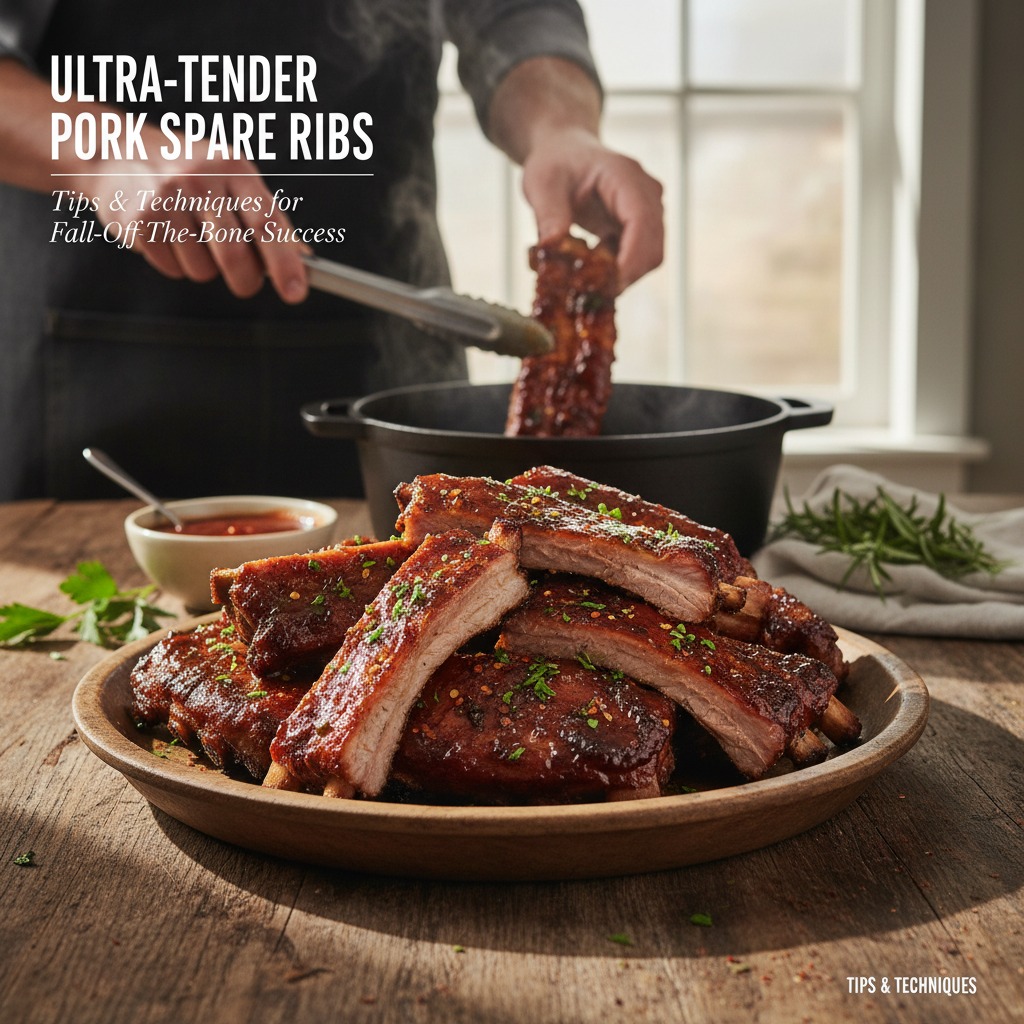
Ultra-Tender Pork Spare Ribs: Tips & Techniques for Fall-Off-the-Bone Success
Master the craft of ultra-tender pork spare ribs with practical, no-nonsense techniques for selecting, prepping, smoking, and finishing. This guide focuses on what matters—temperature control, testing for doneness, wrapping choices, and common fixes—so your next rack comes out juicy, tender, and perfectly sauced.

Recipes
Summer Grilling Recipe Ideas for Weeknights, Weekends, and Backyard Parties
Fire up the grill with summer recipes for fast weeknight meals, crowd-pleasing mains, seafood, vegetable-forward sides, marinades, sauces, grilled desserts, and drinks. Mix and match these ideas for easy family dinners, relaxed weekends, or a full backyard party.
More from Dinner
View all Dinner recipes →
Classic Bacon Carbonara

Al Pastor Tacos

Jamaican Jerk Chicken Marinade for Smoking or Grilling

Air Fryer Chicken Sliders

Smoked Chicken Burger

Beer-Can Grilled Whole Chicken

Grilled Chicken with Chimichurri

Campfire‑Smoked Potato Salad with Mustard‑Bacon Vinaigrette — A Labor Day Grilling Side for Steak

30-Min Steak Grain Bowl with Chimichurri
Ask me anything about this recipe — substitutions, scaling, techniques, timing.
Powered by AI · 6 questions per 5 minutes, 30 per day