Blueberry Lavender Vodka
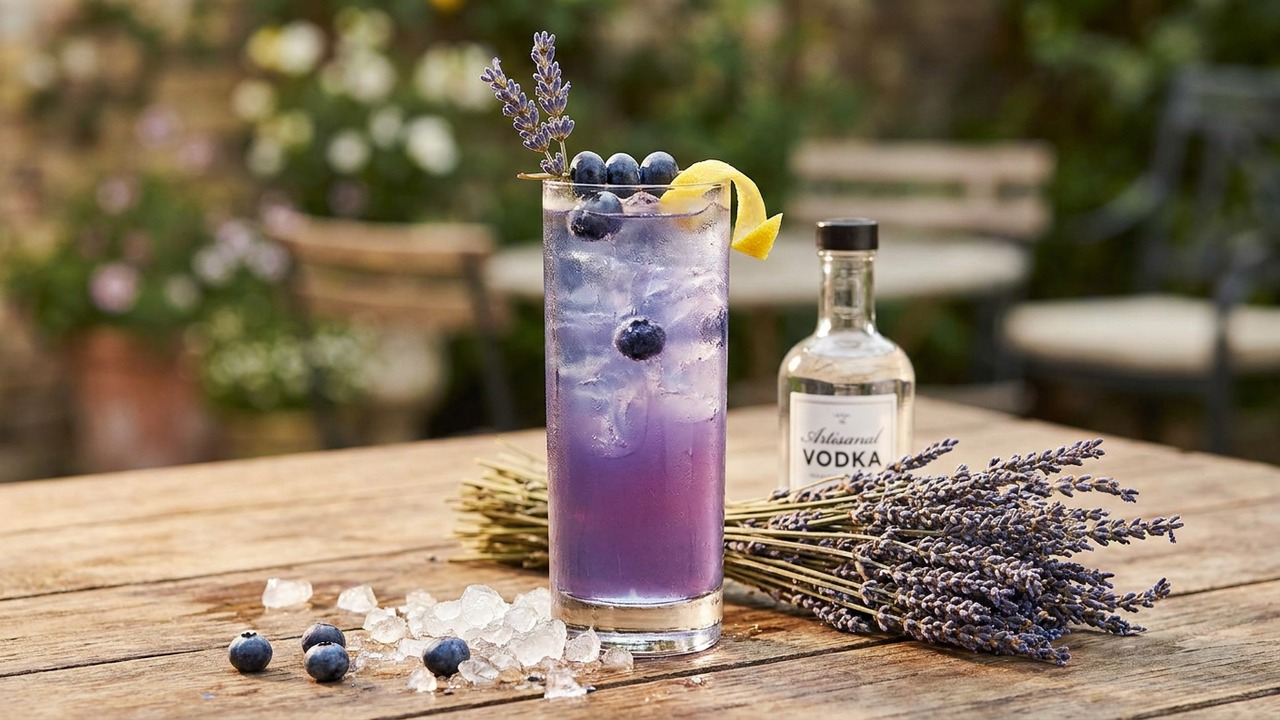
A pretty, floral-infused vodka that layers the bright sweetness of blueberries with the subtle perfume of culinary lavender. Perfect chilled on its own or topped with soda for a sparkling seasonal cocktail.
Ingredient Spotlight
Dried culinary lavender
Dried culinary lavender (often Lavandula angustifolia) is the food-grade form of lavender used in syrups, baked goods and infusions; it originates from the Mediterranean (notably Provence, France) and has a sweet, floral, slightly herbaceous and lightly camphor-like aroma. It’s more potent than fresh lavender, so it’s used sparingly to add a perfume-like floral note. You’ll find it at specialty spice shops, gourmet groceries, some farmers’ markets, or online — avoid ornamental lavender sold only for fragrance. Good substitutes are a small amount of lemon zest plus a touch of vanilla for sweetness or a tiny pinch of dried rosemary for an herbal note if you want to skip the floral flavor.
Ingredient Spotlight
Fresh sprigs of lavender or mint (for garnish)
Fresh lavender sprigs are the fresh flowering stems of culinary lavender and provide a mild floral aroma and decorative touch; fresh culinary lavender is less common in mainstream U.S. supermarkets though mint (offered as the alternative in your list) is widely available. Fresh culinary lavender can be sourced at farmers’ markets, specialty produce shops, or by growing your own; if unavailable, use fresh mint, rosemary, or lemon balm sprigs as attractive, flavorful substitutes. When using lavender as a garnish, ensure it’s labeled culinary-grade to avoid pesticide residues.
Jake Woods's note
"This recipe yields a ready-to-drink blueberry-lavender vodka that's as beautiful as it is versatile — great for garden parties or a relaxed weekend aperitif. Home bartenders will love how simple the syrup-based method is and how quickly it brightens a classic vodka."
About This Recipe
This blueberry-lavender vodka is intentionally simple: a small-batch syrup concentrates the fruit’s bright, juicy sweetness and the floral whisper of culinary lavender, then the whole thing is softened by neutral vodka so the flavors read clean and balanced. The lemon cuts through the syrup’s richness and keeps the finished spirit tasting fresh rather than cloying, while the syrup’s deep, jewel-toned hue makes every pour feel celebratory. It’s a sipable, low-effort infusion that works equally well neat from the freezer, topped with soda for a lazy spritz, or spooned over shaved ice for an adult float.
What makes this version work is restraint. I use a modest amount of dried lavender and a short steep so the floral note lifts the blueberries instead of competing with them, and I finish the syrup with lemon to sharpen the profile. The technique—cooking, brief steeping, and pressing through a fine sieve—extracts the best color and aroma without seeds or bitter tannins. If you like cocktails that are pretty, aromatic, and unfussy, this is an infusion you’ll reach for all summer long.
Ingredients for Blueberry Lavender Vodka
- 2 cups Fresh blueberries (for syrup)
- 1 cup Granulated sugar
- 1 cup Water
- 1 tablespoon Dried culinary lavender
- 2 tablespoons Fresh lemon juice
- 1 1/2 cups Vodka
- 1 cup Club soda (optional, to top)
- 2 cups Ice, cubed
- 6 sprigs Fresh sprigs of lavender or mint (for garnish)
- 1/2 cup Fresh blueberries (for garnish)
How to Make Blueberry Lavender Vodka
Step 1: Make blueberry-lavender syrup
Combine the blueberries, granulated sugar, water, and dried lavender in a small saucepan over medium heat. Gently crush the berries with the back of a spoon, bring to a simmer, and cook for 6–8 minutes until the mixture is fragrant and slightly thickened.For this step
- 2 cupsFresh blueberries (for syrup)
- 1 cupGranulated sugar
- 1 cupWater
- 1 tablespoonDried culinary lavender
Step 2: Steep and finish the syrup
Remove the pan from the heat and let the lavender steep in the hot syrup for 5–10 minutes (taste to avoid over-floral notes). Strain the syrup through a fine-mesh sieve into a heatproof container, pressing the solids to extract liquid, then stir in the fresh lemon juice and cool to room temperature.For this step
- 2 tablespoonsFresh lemon juice
Step 3: Combine syrup with vodka
Pour the cooled blueberry-lavender syrup into a clean bottle or jar and add the vodka; cap and shake gently to combine. You can use the flavored vodka immediately for a bright cocktail, or refrigerate for a few hours to let flavors meld — it will deepen if left overnight.For this step
- 1 1/2 cupsVodka
Step 4: Build and garnish the cocktail
To serve one cocktail, fill a highball or Collins glass with ice, add 2 oz (60 ml) of the blueberry-lavender vodka and top with 2–3 oz (60–90 ml) of club soda for a sparkling drink. Garnish with a few fresh blueberries and a sprig of lavender or mint; stir gently and enjoy.For this step
- 1 cupClub soda (optional, to top)
- 2 cupsIce, cubed
- 6 sprigsFresh sprigs of lavender or mint (for garnish)
- 1/2 cupFresh blueberries (for garnish)
Step 5: Storage and scale
Store the prepared blueberry-lavender vodka in the refrigerator for up to 2 weeks in a sealed bottle; give it a quick shake before serving. To make a larger batch, double the syrup and vodka in the same proportions and keep refrigerated.


- Combine the blueberries, granulated sugar, water, and dried lavender in a small saucepan over medium heat. Gently crush the berries with the back of a spoon, bring to a simmer, and cook for 6–8 minutes until the mixture is fragrant and slightly thickened.
- Remove the pan from the heat and let the lavender steep in the hot syrup for 5–10 minutes (taste to avoid over-floral notes). Strain the syrup through a fine-mesh sieve into a heatproof container, pressing the solids to extract liquid, then stir in the fresh lemon juice and cool to room temperature.
- Pour the cooled blueberry-lavender syrup into a clean bottle or jar and add the vodka; cap and shake gently to combine. You can use the flavored vodka immediately for a bright cocktail, or refrigerate for a few hours to let flavors meld — it will deepen if left overnight.
- To serve one cocktail, fill a highball or Collins glass with ice, add 2 oz (60 ml) of the blueberry-lavender vodka and top with 2–3 oz (60–90 ml) of club soda for a sparkling drink. Garnish with a few fresh blueberries and a sprig of lavender or mint; stir gently and enjoy.
- Store the prepared blueberry-lavender vodka in the refrigerator for up to 2 weeks in a sealed bottle; give it a quick shake before serving. To make a larger batch, double the syrup and vodka in the same proportions and keep refrigerated.
Blueberry Lavender Vodka Tips
Choose culinary lavender
Always use lavender labeled culinary (not garden varieties or essential oils) to avoid pesticide residues and unpleasant bitter oils.
Don’t oversteep lavender
Steep for 5–10 minutes and taste—longer steeping quickly produces a soapy or perfumy note, so remove earlier if it gets too floral.
Gently crush blueberries
Smash the berries with the back of a spoon just enough to release juices; over-mashing extracts more tannin from skins and seeds.
Strain thoroughly
Press solids through a fine-mesh sieve and, if you want crystal clarity, strain again through cheesecloth to remove tiny particles that cloud the vodka.
Adjust acidity after cooling
Add lemon juice after the syrup cools slightly so you can accurately judge balance—heat will mute acidity, so you may need less than you expect.
Blueberry Lavender Vodka Variations and Substitutions
Gin instead of vodka
Swap vodka for a floral or citrus-forward gin for more botanical depth; reduce added lavender by a touch so the gin’s botanicals don’t compete.
Honey lavender syrup
Use equal parts honey to water (heat gently to dissolve) for a richer, rounder sweetness that pairs beautifully with lavender and gives a silkier mouthfeel.
Blueberry shrub version
Add 1/4 cup apple cider vinegar to the cooled syrup for a tangy shrub you can mix with soda or spirits for a bright, pantry-stable cocktail mixer.
Frozen blueberries ok
Use frozen berries straight from the freezer and simmer a minute longer; they produce excellent color and are often sweeter than underripe fresh fruit.
How to Store and Make Blueberry Lavender Vodka Ahead
Store the finished blueberry-lavender vodka in a sealed bottle in the refrigerator for up to two weeks for best flavor; label with the date. If you make extra syrup, freeze it in ice cube trays and thaw cubes as needed to mix fresh batches, and always give the bottle a quick shake before serving to reincorporate any settled sediment.
What to Serve With Blueberry Lavender Vodka
Serve chilled in a highball with lots of ice and a splash of club soda for a refreshing afternoon spritz, or pour small measures straight into frosted shot glasses as a palate cleanser. Pair with light, bright snacks like goat cheese crostini with lemon zest, cucumber sandwiches, or shortbread cookies to complement the floral-fruit character without overpowering it.
Blueberry Lavender Vodka FAQs
Can I use fresh lavender instead of dried?
Yes—fresh lavender is milder, so use about twice the volume of fresh flowers by weight and reduce steep time to 3–5 minutes, tasting often to avoid over-extraction.
Will frozen blueberries work?
Absolutely; toss them frozen into the saucepan and simmer a minute or two longer until they break down, then proceed as written for full flavor and color.
How long will the infused vodka keep?
Stored cold in a sealed bottle, it keeps well for about two weeks with optimal flavor; the alcohol preserves it, but the fruit flavors will begin to fade after that.
The infusion tastes too floral—what can I do?
Dilute the vodka with plain vodka or add extra syrup and lemon juice to rebalance, and note for next time to reduce the lavender amount or steep time.
Can I use a different spirit?
Yes—gin adds botanical complexity and works beautifully, while light rum gives a softer, fruitier profile; adjust the lavender and lemon so they complement the base spirit.
About the author
Jake WoodsHello, I'm Jake. I started this recipe site with the idea that I hated recipe websites that overwhelm you with long stories and ads just to see plain content that's not helpful. My goal is to provide you with quality recipes, simple ideas and a fun cooking experience. There's lots of fun things to cook, and I think as you browse the site you'll find that TopShelf.Recipes is the place for quality recipes on the web.
See all recipes by Jake Woods →Ratings & Reviews
Did you make this recipe?
Be the first to share your experience.
Nutrition Facts
Per serving: 1 cocktail
Nutrition values are estimated from USDA ingredient data and may vary based on preparation, brands, and portion sizes. Values are provided for informational purposes only.
Keep Reading
Guides & articles for this recipe
Guides
Trending Grillside Drinks for 2026: Cocktails, Low‑ABV Sippers, and Non‑Alcoholic Pairings to Elevate Backyard BBQ
Discover the hottest drinks to serve alongside summer grilling in 2026 — from smoked‑syrup cocktails and barrel‑aged RTDs to low‑ABV spritzes, shrubs, kombuchas, and tea blends. Includes batch-making tips, safety notes, and pairing suggestions for common grilled proteins and sides.
Recipes
Blue Drinks at Home: Natural Color Techniques + 10 Viral Blue Cocktail & Mocktail Recipes
Discover how to make stunning blue drinks at home using natural ingredients like butterfly pea and blue spirulina. This guide includes practical techniques, storage tips, and 10 viral cocktail and mocktail recipes — many with grilled-garnish ideas for backyard entertaining.

Healthy Eating
Gluten-Free Weeknight Grilling Plan
A 7-day gluten-free weeknight grilling plan with quick, family-friendly recipes, prep-ahead timelines, and a printable shopping list that spotlights late-summer produce and pantry staples. Includes clear cross-contamination safety tips and simple swaps to keep dinners fast and crowd-pleasing.
More from Drinks
View all Drinks recipes →
Classic Manhattan Cocktail

Non Alcoholic Manhattan

Cucumber Spritz

Rum Mojito Classic

Dark n Stormy Rum

White Russian Cocktail

Kahlua Cold Brew Cocktail

Bacon Maple Old Fashioned

Grilled Lime Margarita
Ask me anything about this recipe — substitutions, scaling, techniques, timing.
Powered by AI · 6 questions per 5 minutes, 30 per day