Classic Negroni
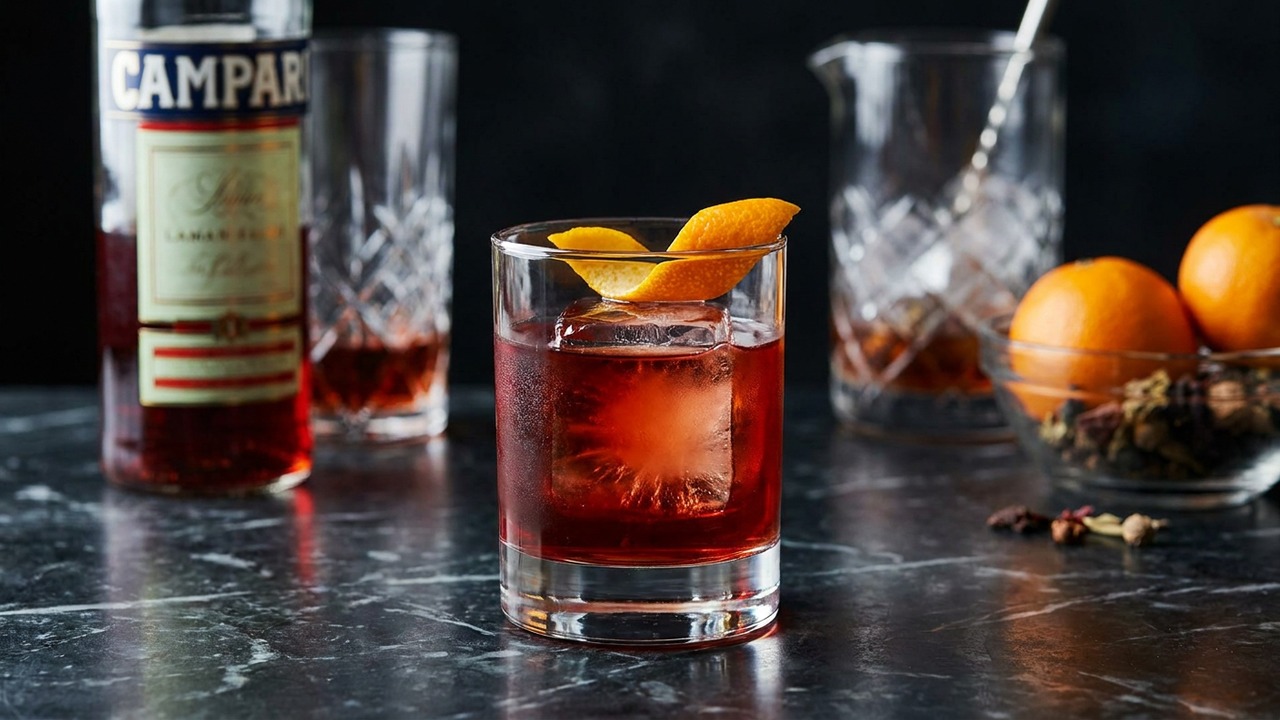
A timeless Italian aperitivo built on equal parts gin, Campari and sweet vermouth, the Classic Negroni is bold, bitter and beautifully balanced. Serve it over a large ice cube with an expressed orange twist for a sophisticated pre-dinner cocktail.
Ingredient Spotlight
Campari
An Italian bitter apéritif made from a proprietary blend of herbs, aromatics and citrus peels, first produced in the 1860s; it’s bright red and widely associated with classic cocktails like the Negroni and Americano. Flavor is distinctly bitter with citrusy and herbal notes and a lingering backbone of sweetness. Find it at most liquor stores; a milder substitute is Aperol (sweeter and less bitter) or a combination of a bitter liqueur with a touch of sweet vermouth if necessary.
(paid link) — as an Amazon Associate we earn from qualifying purchases.
Ingredient Spotlight
Sweet vermouth (rosso)
A fortified, aromatized wine flavored with botanicals and sugar, originating in Italy/France and used in many classic cocktails (Negroni, Manhattan). It tastes sweet, herby and spiced, with variations ranging from light and floral to rich and caramelized. Available at liquor and well-stocked wine shops; if you can’t get it, use another sweet aromatized wine like Punt e Mes or Carpano Antica for fuller flavor, or approximate with dry vermouth plus a small amount of sugar or simple syrup.
Ingredient Spotlight
London dry gin
A style of gin that emphasizes a dry, juniper-forward profile with added botanicals, historically tied to England; it’s not a brand but a production style (examples include Beefeater, Tanqueray). Flavor is piney/citrus-forward and relatively dry compared with sweeter gin styles. Any London dry gin or another dry gin works as a direct substitute; avoid sweeter styles like Old Tom if you want the classic dry character.
Jake Woods's note
"This recipe shines as an elegant aperitivo before dinner or at a relaxed cocktail hour. Home bartenders will love the simplicity—equal parts means easy scaling and consistent results every time."
About This Recipe
The Classic Negroni is deceptively simple: three equal parts that add up to a cocktail of striking clarity. With a London dry gin providing a piney, botanical backbone, Campari delivering crisp bitter-orange notes, and sweet (rosso) vermouth rounding the edges with vinous spice and a touch of caramel, this drink sits at the intersection of bitter and balanced. Served over a single large cube, the Negroni’s texture is satin-smooth rather than icy-bracing, and the expressed orange peel lifts the aromatics so the first sip hits your nose before your tongue.
This particular method favors precision and restraint — measure equal parts, stir to the point where the glass feels frosted, and use fresh vermouth and a generous twist of citrus. It’s a do-it-anytime cocktail that works as an aperitivo before a substantial meal, a deliberate evening sipper, or as a crowd-friendly batch for a small gathering. If you love bitter, herbal cocktails with structure and room for nuance, this Negroni is for you; if you’re on the fence, try dialing the vermouth up or swapping to a softer gin to coax out sweeter, gentler notes.
Ingredients for Classic Negroni
How to Make Classic Negroni
Step 1: Combine spirits in a mixing glass
Add a generous handful of large ice cubes to a mixing glass, then pour in the gin, Campari and sweet vermouth in equal measures. Using equal parts makes the Negroni easy to scale and keeps the classic balance of bitter, sweet and botanical notes.For this step
- 2 ozLondon dry gin
- 2 ozCampari
- 2 ozSweet vermouth (rosso)
- 8 piecesLarge ice cubes
Step 2: Stir to chill and dilute
Stir the mixture briskly for about 20–30 seconds with a bar spoon until the outside of the mixing glass feels cold and slightly frosted. Proper stirring imparts the right dilution and smooths the flavors without aerating the drink too much.Step 3: Prepare serving glasses
Place fresh large ice cubes into two old-fashioned (rocks) glasses so each glass has one or two large cubes. Chilling the serving glass with fresh ice prevents the drink from over-diluting and maintains a clean presentation.Step 4: Strain and garnish
Strain the stirred cocktail evenly into the prepared glasses over the fresh ice. Express an orange peel over each glass to release the oils, rub the peel on the rim, then drop it in; optionally add an orange wheel for a visual accent.For this step
- 2 twistsOrange peel (for twist)
- 2 slicesOrange wheel (optional garnish)
Step 5: Serve and enjoy
Serve immediately as an aperitivo or alongside small bites. For a lighter, bubbly variation (the popular Sbagliato trend), substitute prosecco for the gin and build in the glass.


- Add a generous handful of large ice cubes to a mixing glass, then pour in the gin, Campari and sweet vermouth in equal measures. Using equal parts makes the Negroni easy to scale and keeps the classic balance of bitter, sweet and botanical notes.
- Stir the mixture briskly for about 20–30 seconds with a bar spoon until the outside of the mixing glass feels cold and slightly frosted. Proper stirring imparts the right dilution and smooths the flavors without aerating the drink too much.
- Place fresh large ice cubes into two old-fashioned (rocks) glasses so each glass has one or two large cubes. Chilling the serving glass with fresh ice prevents the drink from over-diluting and maintains a clean presentation.
- Strain the stirred cocktail evenly into the prepared glasses over the fresh ice. Express an orange peel over each glass to release the oils, rub the peel on the rim, then drop it in; optionally add an orange wheel for a visual accent.
- Serve immediately as an aperitivo or alongside small bites. For a lighter, bubbly variation (the popular Sbagliato trend), substitute prosecco for the gin and build in the glass.
Classic Negroni Tips
Use a London dry
A crisp, juniper-forward London dry gin holds up to Campari’s bitterness; floral or heavily citrus-forward gins can shift the balance toward sweet or perfumed. If you prefer a softer profile, try a less assertive London-style gin rather than a completely different gin category.
Choose fresh vermouth
Sweet vermouth oxidizes quickly, so keep an open bottle refrigerated and use within 2–4 weeks for bright flavor. Stale vermouth makes the Negroni taste flat and overly sweet.
Stir for proper dilution
Stirring 20–30 seconds chills and dilutes to the right degree without aerating the drink, which keeps the texture silky. Aim for the mixing glass to feel cold and slightly frosted as your cue.
Big ice, slow melt
Serve over a single large cube to slow dilution and preserve temperature, which keeps the bitter-sweet balance steady as you sip. Use clear, dense ice when possible to avoid rapid melting from trapped air.
Express the orange oils
Twist the peel over the glass to spray aromatic oils onto the surface, then rub the rim before dropping it in to add an immediate citrus lift. The oils are what bridge the gin and Campari on the nose.
Classic Negroni Variations and Substitutions
Negroni Sbagliato
Replace the gin with prosecco (build in the glass) for a lighter, bubbly Negroni with less juniper bite; it’s brighter and more sessionable while keeping Campari’s signature bitterness.
Boulevardier
Substitute bourbon or rye for gin to create a warmer, whiskey-driven version where caramel and oak notes soften Campari’s edge and give a richer mouthfeel.
White Negroni
Use a dry gin, Lillet Blanc (or white vermouth), and Suze or another gentian liqueur in place of Campari for an herbal, slightly floral riff that’s less red and less bitter but still structured.
Lower-Bitterness Negroni
Swap half the Campari for Aperol or reduce Campari by ¼ ounce and increase vermouth to taste for a gentler bitterness without losing the cocktail’s backbone.
How to Store and Make Classic Negroni Ahead
If you batch a Negroni, store it in a sealed bottle or pitcher in the refrigerator and consume within 24–48 hours because vermouth will oxidize and dull the flavors. Do not store drinks with ice; add fresh ice and garnish only when serving. Leftover poured cocktails should be finished immediately — there’s no effective way to "reheat" or revive a diluted Negroni.
What to Serve With Classic Negroni
Serve alongside salty, savory aperitivo bites such as aged pecorino or Parmigiano-Reggiano, thinly sliced prosciutto, marinated olives, or toasted bread with rich tapenade to complement the cocktail’s bitterness. For a larger spread, a small charcuterie board with citrus-marinated almonds and grilled vegetables balances the Negroni’s herbal notes nicely.
Classic Negroni FAQs
Can I scale this recipe for one person?
Yes — keep the equal-parts ratio and reduce to 1 oz each for a single serving, or use ¾ oz each for a lighter drink; maintain the same stirring time to ensure proper dilution.
Why stir the Negroni instead of shaking?
Stirring chills and dilutes without aerating, preserving the silky mouthfeel and clear appearance; shaking would introduce bubbles and change the texture and aroma profile.
How can I make the Negroni less bitter?
Reduce Campari slightly and increase sweet vermouth, or swap part of the Campari for Aperol; using a sweeter or lower-ABV vermouth can also soften the edge.
What gin should I use if I don’t have London dry?
If you don’t have a London dry, choose a gin with restrained sweetness and clear botanical backbone; avoid overly citrusy or floral gins that will compete with Campari’s profile.
Can I batch Negronis ahead of time?
Yes — batch in equal parts and refrigerate in a sealed container, but drink within 24–48 hours for best flavor because the vermouth degrades with exposure to air.
Why is a large ice cube recommended?
A large cube has less surface area relative to volume, so it melts more slowly and keeps the cocktail cold without quickly diluting the balanced flavors.
About the author
Jake WoodsHello, I'm Jake. I started this recipe site with the idea that I hated recipe websites that overwhelm you with long stories and ads just to see plain content that's not helpful. My goal is to provide you with quality recipes, simple ideas and a fun cooking experience. There's lots of fun things to cook, and I think as you browse the site you'll find that TopShelf.Recipes is the place for quality recipes on the web.
See all recipes by Jake Woods →Ratings & Reviews
Did you make this recipe?
Be the first to share your experience.
Nutrition Facts
Per serving: 1 serving (approx. 233g)
Nutrition values are estimated from USDA ingredient data and may vary based on preparation, brands, and portion sizes. Values are provided for informational purposes only.
Keep Reading
Guides & articles for this recipe
Guides
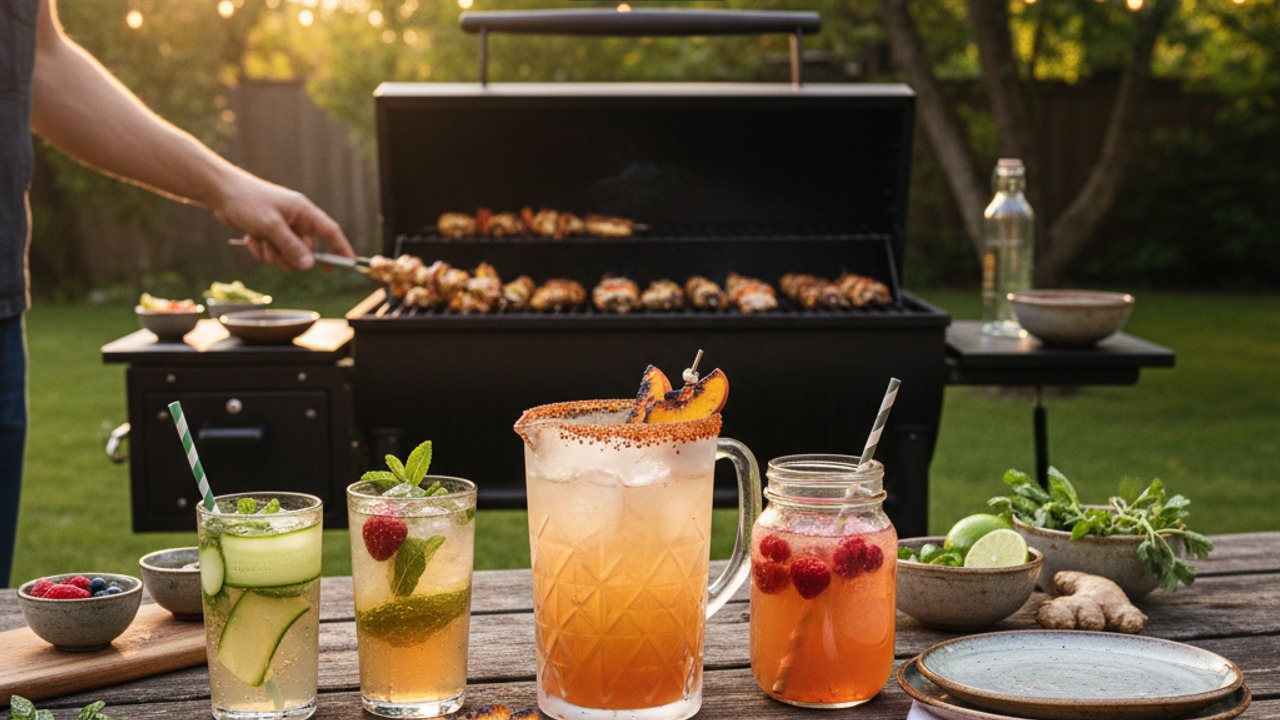
Trending Grillside Drinks for 2026: Cocktails, Low‑ABV Sippers, and Non‑Alcoholic Pairings to Elevate Backyard BBQ
Discover the hottest drinks to serve alongside summer grilling in 2026 — from smoked‑syrup cocktails and barrel‑aged RTDs to low‑ABV spritzes, shrubs, kombuchas, and tea blends. Includes batch-making tips, safety notes, and pairing suggestions for common grilled proteins and sides.
Recipes
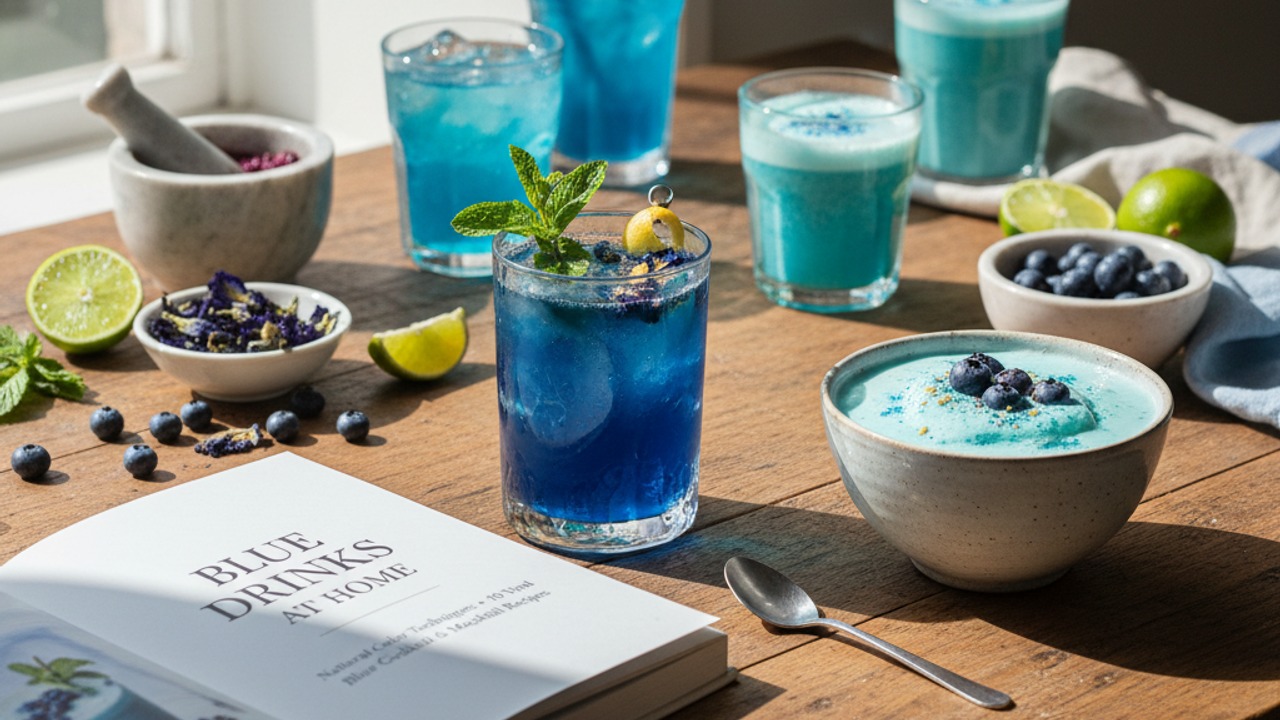
Blue Drinks at Home: Natural Color Techniques + 10 Viral Blue Cocktail & Mocktail Recipes
Discover how to make stunning blue drinks at home using natural ingredients like butterfly pea and blue spirulina. This guide includes practical techniques, storage tips, and 10 viral cocktail and mocktail recipes — many with grilled-garnish ideas for backyard entertaining.

Healthy Eating
Gluten-Free Weeknight Grilling Plan
A 7-day gluten-free weeknight grilling plan with quick, family-friendly recipes, prep-ahead timelines, and a printable shopping list that spotlights late-summer produce and pantry staples. Includes clear cross-contamination safety tips and simple swaps to keep dinners fast and crowd-pleasing.
More from Drinks
View all Drinks recipes →
Grilled Lime Margarita

Lillet Spritz

Watermelon Agua Fresca (Easy Blender Recipe)

Hemingway Daiquiri

Chartreuse Sour

Savory French Spritz

Brown Butter Dalgona

Mushroom Mocha Latte

Hibiscus Cold Brew Fizz
Ask me anything about this recipe — substitutions, scaling, techniques, timing.
Powered by AI · 6 questions per 5 minutes, 30 per day