Dashi Stock
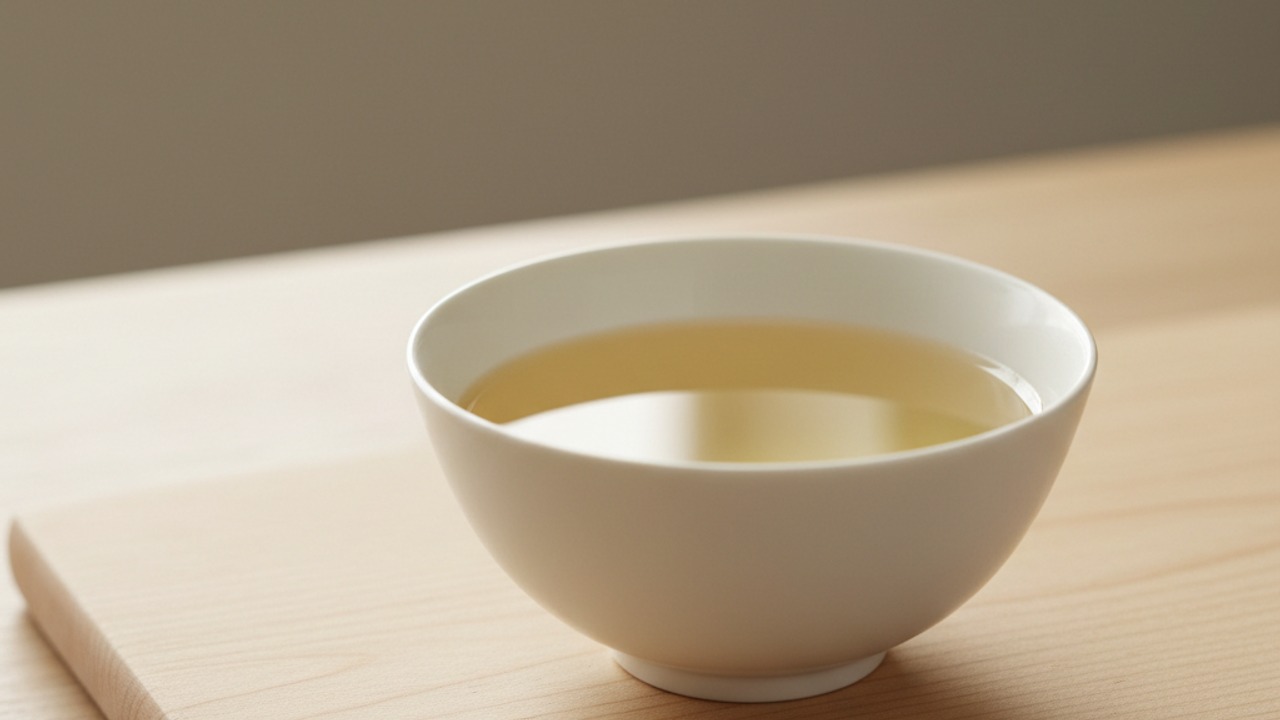
Dashi is the simple, umami-rich stock that forms the backbone of Japanese cooking. This stovetop, failproof guide teaches classic ichiban dashi (kombu + katsuobushi) with clear variations for kombu-only (vegan) or niboshi dashi, plus storage tips so you always have great flavor on hand.
Ingredient Spotlight
Kombu (dried kelp)
A dried kelp used in Japanese cuisine as the mineral-rich base for dashi and other broths. It lends a deep, briny umami and a faint sea‑like sweetness and aroma. Find it at Japanese/Asian markets or online; if you can’t get kombu, use instant dashi powder, a kombu sachet, or try a mix of wakame/kelp and a splash of soy sauce as a rough substitute.
Ingredient Spotlight
Katsuobushi (bonito flakes)
Smoked, fermented, and shaved flakes of skipjack tuna (bonito) used especially for making ichiban dashi in Japanese cooking. They contribute an intense smoky, savory, fishy umami and a distinctive fragrant note. Available at Japanese/Asian groceries or online; substitute options include instant dashi powder, bonito powder, niboshi, or in a pinch a small amount of smoked fish or anchovy, though the result will differ.
Ingredient Spotlight
Niboshi (dried sardines)
Small dried whole sardines used in Japan to make a robust, fish-forward dashi; they’re generally more intensely fishy and slightly bitter than bonito. They add concentrated marine umami and a pronounced anchovy-like depth to broths. Find niboshi at Asian markets or online; you can substitute with katsuobushi, instant dashi, or dried anchovies/anchovy paste used sparingly.
Kenji Tanaka's note
"Konnichiwa — after decades in Japanese kitchens I still consider good dashi the most rewarding 10 minutes you can spend. This recipe is designed to be simple, forgiving, and adaptable so you can reach for authentic umami every day."
About This Recipe
Dashi is deceptively simple: a few minutes and three humble ingredients deliver the mineral-salty shimmer and savory backbone that makes Japanese cooking feel so complete. This ichiban dashi method leans on a slow, patient extraction — cold-soaking kombu, warming just to the shimmer of bubbles, and finishing with short off-heat steeping of katsuobushi — to capture clean, layered umami without the bitterness that comes from boiling kelp or oversteeping bonito. Adding dried shiitake or substituting niboshi turns the stock toward mushroomy or marine notes, so you can tune the character for miso soup, light noodle broths, or richer simmered dishes.
What makes this recipe practical for home cooks is the clarity of the process and the storage options: a quick chill and refrigerator life of a few days, or frozen into measured cubes for the exact splash of dashi your weekday dinner needs. Little technical choices — removing kombu before a boil, not pressing the lees when straining, and choosing steep times for clarity versus strength — are called out so you get repeatable results. Whether you’re building an elegant chawanmushi, braising vegetables, or simply elevating a bowl of rice, this dashi will give the rest of the dish something to sit on and sing.
Ingredients for Dashi Stock
- 4 1/2 cups Cold water
- 1 piece Kombu (dried kelp)
- 2 pieces Dried shiitake (optional — for richer, mushroomy dashi)
- 1 1.06 oz Katsuobushi (bonito flakes) — for ichiban dashi
- 1/3 oz Niboshi (dried sardines) — optional alternative to bonito
- 1/4 tsp Kosher salt (optional)
How to Make Dashi Stock
Step 1: Soak kombu (and shiitake if using)
Place the kombu and optional dried shiitake in a medium pot with 4.5 cups (1080 ml) cold water. Wipe kombu gently with a damp cloth to remove dust (do not wash vigorously). Let sit at least 10 minutes to extract flavor — ideally 30 minutes or up to overnight in the fridge for extra depth.For this step
- 4 1/2 cupsCold water
- 1 pieceKombu (dried kelp)
- 2 piecesDried shiitake (optional — for richer, mushroomy dashi)
Step 2: Heat gently and remove kombu before boiling
Set the pot over medium heat and warm slowly until tiny bubbles form around the kombu and the surface begins to shimmer (just below a simmer). Remove the kombu with tongs just before the water reaches a full boil — boiling kombu can produce bitterness. If you are using niboshi instead of katsuobushi, add niboshi now and gently simmer 3–5 minutes (see note below).For this step
- 1 1.06 ozKatsuobushi (bonito flakes) — for ichiban dashi
- 1/3 ozNiboshi (dried sardines) — optional alternative to bonito
Step 3: Add katsuobushi and steep off heat
Turn the heat off and add the katsuobushi (bonito flakes). Swirl once to distribute, then let the flakes sink on their own for 5–10 minutes — longer steeping gives more body but can cloud the stock. For the clearest, brightest ichiban dashi, stop at 5 minutes; for a stronger flavor, steep up to 10 minutes.Step 4: Strain gently and season
Line a fine-mesh sieve with cheesecloth and strain the dashi into a clean container without pressing the solids — pressing will make it cloudy and bitter. Taste and add a small pinch of kosher salt only if you need it for a particular dish; most recipes add seasoning later when the dashi is used.For this step
- 1/4 tspKosher salt (optional)
Step 5: Variations and quick tips
Kombu-only dashi: skip katsuobushi and steep kombu longer (30–60 minutes cold or warm gently) for a vegan stock. Niboshi dashi: remove heads/innards from niboshi first to reduce bitterness, simmer 3–5 minutes and strain. If you need an ultra-clear dashi for delicate soups, decant the top liquid after 10 minutes to leave sediment behind.Step 6: Cool and store
Cool dashi quickly and refrigerate up to 3 days or freeze in ice cube trays for convenient portions (one ice-cube is ~1 tablespoon; freeze 1–2 large cubes per miso soup). Reheat gently — don’t boil — when you use it to preserve that fresh umami aroma.


- Place the kombu and optional dried shiitake in a medium pot with 4.5 cups (1080 ml) cold water. Wipe kombu gently with a damp cloth to remove dust (do not wash vigorously). Let sit at least 10 minutes to extract flavor — ideally 30 minutes or up to overnight in the fridge for extra depth.
- Set the pot over medium heat and warm slowly until tiny bubbles form around the kombu and the surface begins to shimmer (just below a simmer). Remove the kombu with tongs just before the water reaches a full boil — boiling kombu can produce bitterness. If you are using niboshi instead of katsuobushi, add niboshi now and gently simmer 3–5 minutes (see note below).
- Turn the heat off and add the katsuobushi (bonito flakes). Swirl once to distribute, then let the flakes sink on their own for 5–10 minutes — longer steeping gives more body but can cloud the stock. For the clearest, brightest ichiban dashi, stop at 5 minutes; for a stronger flavor, steep up to 10 minutes.
- Line a fine-mesh sieve with cheesecloth and strain the dashi into a clean container without pressing the solids — pressing will make it cloudy and bitter. Taste and add a small pinch of kosher salt only if you need it for a particular dish; most recipes add seasoning later when the dashi is used.
- Kombu-only dashi: skip katsuobushi and steep kombu longer (30–60 minutes cold or warm gently) for a vegan stock. Niboshi dashi: remove heads/innards from niboshi first to reduce bitterness, simmer 3–5 minutes and strain. If you need an ultra-clear dashi for delicate soups, decant the top liquid after 10 minutes to leave sediment behind.
- Cool dashi quickly and refrigerate up to 3 days or freeze in ice cube trays for convenient portions (one ice-cube is ~1 tablespoon; freeze 1–2 large cubes per miso soup). Reheat gently — don’t boil — when you use it to preserve that fresh umami aroma.
Dashi Stock Tips
Don’t wash the kombu
Wiping kombu with a damp cloth removes surface dust while preserving the white umami-rich film (mannitol); avoid rinsing under running water which washes away flavor.
Watch for tiny bubbles
Heat until small bubbles form around the kombu and the surface shimmers — that’s the cue to remove it to prevent bitterness from boiling.
Steep katsuobushi off heat
Turn off the burner before adding bonito flakes and let them sink for 5–10 minutes; shorter for clearer dashi, longer for more body but slightly cloudier stock.
Avoid pressing the solids
When straining, let gravity do the work; pressing the flakes or squeezing cheesecloth forces out bitter, cloudy compounds.
Use cold-soak for depth
Soaking kombu (and shiitake) in the fridge overnight extracts a rounded savory base useful when you want to skip long simmering without sacrificing flavor.
Dashi Stock Variations and Substitutions
Vegan kombu dashi
Skip katsuobushi and steep kombu (with or without shiitake) cold for 30 minutes to overnight or warm gently for 30–60 minutes to build a mushroom-forward vegan stock.
Niboshi (sardine) dashi
Remove niboshi heads and innards to reduce bitterness, then simmer the fish 3–5 minutes in place of bonito for a deeper, slightly briny umami profile.
Shiokoji-enhanced dashi
Add a teaspoon of shiokoji or a pinch of salt after straining to amplify savory notes when the dashi will be used in light sauces or dressings.
Concentrated dashi reduction
Simmer the finished dashi gently until reduced by half to make a concentrated umami syrup useful for glazing or small-batch sauces.
How to Store and Make Dashi Stock Ahead
Cool dashi quickly in an ice-bath or shallow container, then refrigerate for up to 3 days. For longer storage, freeze in small portions (ice-cube trays or 1/4–1/2 cup containers) and thaw in the refrigerator or by adding directly to your cooking liquid. Reheat gently — avoid boiling — to preserve delicate aromas and prevent the stock from tasting flat or bitter.
What to Serve With Dashi Stock
Use dashi as the base for classic miso soup with wakame and silken tofu, or ladle it over somen or udon noodles with scallions and a soft-boiled egg. It also makes an elegant poaching liquid for fish or a finishing splash for steamed vegetables; pair dishes with a light, crisp sake or a subtle green tea to complement the umami without overpowering it.
Dashi Stock FAQs
Can I skip the kombu entirely?
You can make niboshi or katsuobushi-only dashi, but kombu provides the key glutamate umami that rounds the stock; omitting it yields a less balanced, more one-note broth.
Why did my dashi turn bitter?
Bitterness usually comes from boiling kombu or over-simmering niboshi (or including niboshi innards); remove kombu before the boil and shorten simmer times, and avoid pressing solids when straining.
How long can I keep dashi in the fridge?
Properly cooled and stored in a sealed container, dashi keeps up to 3 days in the refrigerator; beyond that, freeze in portions to preserve freshness.
Will dashi go cloudy when refrigerated?
A slight cloudiness can develop from suspended particles, especially if steeped longer; decant the clearer top layer if you need an ultra-clear stock or strain again through dampened paper towel.
Can I reuse kombu or bonito flakes?
Kombu can be reused once for a lighter second stock (niban dashi) by simmering again, but katsuobushi should generally not be reused after the first steep as most flavor is extracted in ichiban dashi.
About the author
Kenji TanakaKonnichiwa! I'm Chef Kenji Tanaka. After over 30 years in professional Japanese kitchens, I've added to my true passion: writing! I love making authentic, delicious Japanese meals accessible to everyone. My philosophy is simple: great food doesn't have to be complicated. I curate recipes that focus on quality ingredients, traditional techniques made easy, and minimal preparation time. My goal is to guide you in creating quick, comforting, and absolutely authentic Japanese dishes at home, so you can bring a taste of Japan to your table, everyday.
See all recipes by Kenji Tanaka →Ratings & Reviews
Did you make this recipe?
Be the first to share your experience.
Nutrition Facts
Per serving: about 2¼ cups
Nutrition values are estimated from USDA ingredient data and may vary based on preparation, brands, and portion sizes. Values are provided for informational purposes only.
Keep Reading
Guides & articles for this recipe

Recipes
DIY Edible Monster Eyes Candy
Make safe, fun edible monster eyes for cupcakes, cookies, and candy trays. Step-by-step recipes show baking-soda balls, chocolate and fondant eyes, wafer-print options, plus assembly, storage, and kid-friendly safety tips.

Recipes
No-Bake Funny Halloween Treats: 15 Quick Recipes
15 no-bake, funny Halloween treats that busy hosts can assemble in minutes — kid-friendly sweets, savory bites, and easy cocktails that don’t need an oven. Built for last-minute parties, with pantry-staple shortcuts and quick decoration ideas.

Guides
Nutrition for Youth Athletes
Practical, age- and sport-specific nutrition guidance for kids and teens who play sports. Covers calories, macronutrients, hydration, male/female differences, and easy meals and snacks.
More from Stovetop
View all Stovetop recipes →
South Chicago Packing 100% Pure Tallow Popcorn with Browned Butter and Chili

Beef Ragu One-Pot

Truffle Mac and Cheese

Spaghetti Carbonara (Classic, 20-Minute)

Coffee‑Chile Rubbed Flank Steak Tacos with Charred Pineapple Salsa

Baja Fish Tacos

Low-Sugar Honey Garlic Chicken Breast (Honey-Reduced, High Flavor)

Grilled Ras el Hanout Chicken Thighs with Charred Apricot-Chickpea Tagine

Classic Bacon-Balsamic Brussels Sprouts — Crispy Roast Beef Side
Ask me anything about this recipe — substitutions, scaling, techniques, timing.
Powered by AI · 6 questions per 5 minutes, 30 per day